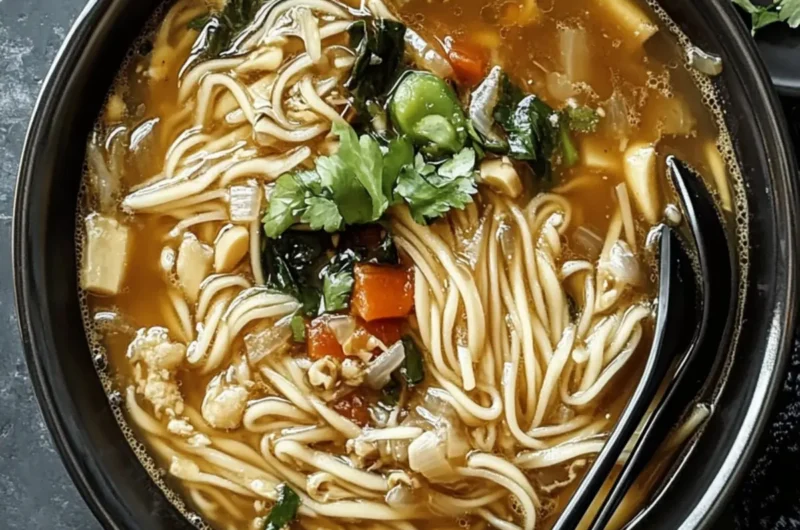
As the chill of winter envelops us, there’s nothing quite like the allure of a steaming bowl of Nepali Thukpa to warm both body and soul. The moment aromas of ginger, garlic, and mustard oil fill my kitchen, I’m transported to the bustling streets of Nepal, where this hearty noodle soup is a beloved staple. Packed with tender meat or vibrant tofu, fresh vegetables, and slurpy noodles enveloped in a savory broth, this dish is as comforting as it is satisfying.
What I adore about Thukpa is its incredible adaptability—whether you’re a meat lover or a devoted vegetarian, there’s a variation here for everyone. Imagine slurping noodles while catching up with friends or savoring each bite after a long day; this recipe beautifully stands at the intersection of tradition and modern comfort. So grab your apron and join me in creating a bowl of warmth that’s perfect for any chilly evening!
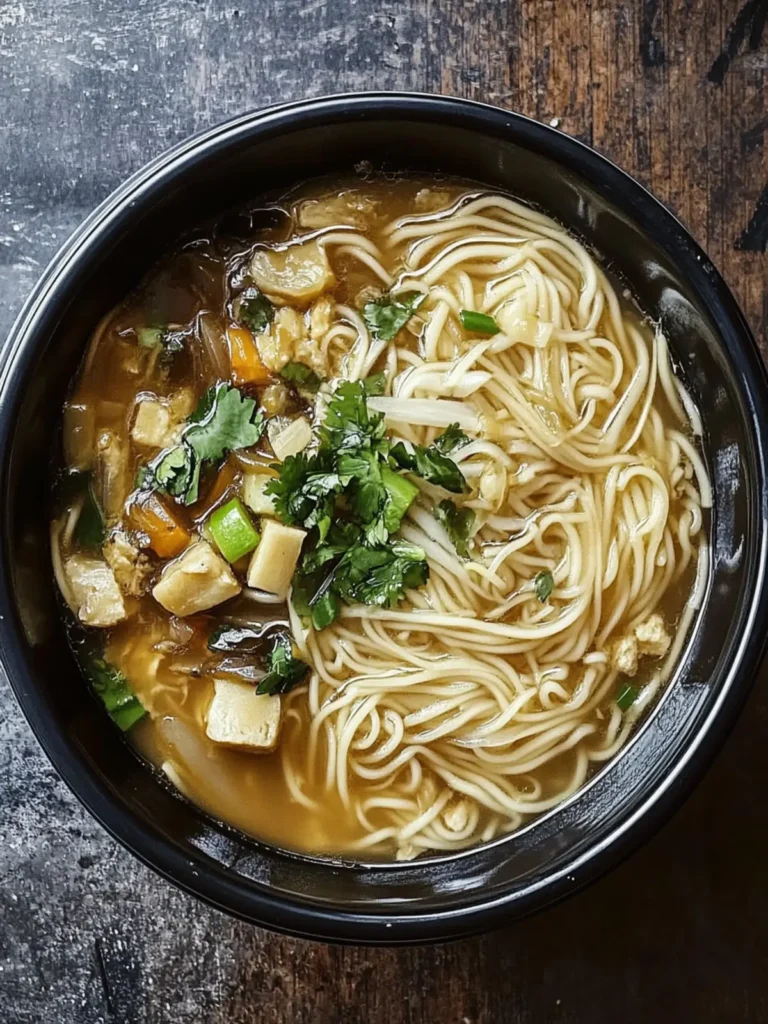
Why is Nepali Thukpa (Noodle Soup) so special?
Comforting Warmth: This Nepali Thukpa is a delightful fusion of spices that warms you from the inside out, perfect for those cold evenings.
Easy to Customize: With options for chicken, beef, goat, or tofu, everyone can indulge in their favorite flavors.
Vibrant Vegetables: Each spoonful is packed with nutritious veggies, making it as healthy as it is hearty.
Quick to Prepare: You can whip up this gourmet soup in under an hour, making it a fantastic weeknight meal.
Crowd-Pleaser: Serve it at gatherings, and watch as friends and family rave about its rich, savory taste!
Cultural Connection: Beyond its amazing flavor, this dish embodies the warmth and sharing spirit of Himalayan culture, making every bowl a communal experience.
Nepali Thukpa (Noodle Soup) Ingredients
For the Aromatic Base
- Mustard Oil – Adds depth and a distinct flavor; can substitute with vegetable oil if desired.
- Onion – Provides sweetness and umami; use red or yellow onions interchangeably.
- Ginger and Garlic Paste – Essential for an aromatic base; fresh grated ginger and minced garlic create the best flavor.
For the Broth
- Tomatoes – Contributes acidity and sweetness to the broth; any ripe tomatoes work well.
- Turmeric Powder – For color and earthy flavor; use fresh turmeric for a more robust taste.
- Cumin Powder – Adds warmth and depth; can substitute with coriander powder if needed.
- Coriander Powder – Provides a citrus undertone; freshly ground is preferable for better flavor.
- Red Chilli Powder – Adjusts spice levels; substitute with paprika for a milder version.
- Chicken or Vegetable Stock – Forms the soup base; homemade stock raises flavor profiles, while store-bought adds convenience.
- Salt – Essential for seasoning; adjust wisely to taste.
For the Main Ingredients
- Boneless Chicken or Mutton (optional) – Provides protein and richness; tofu is a great vegetarian alternative.
- Cabbage, Carrot, Bell Pepper, Spinach – Essential for nutrition and texture; feel free to substitute with seasonal vegetables.
- Egg or Rice Noodles – The main ingredient that absorbs the broth’s flavors; use your preferred noodles.
For Garnishing
- Green Chillies – Adds a fresh, spicy kick; adjust according to your heat preference.
- Lime Juice – Provides acidity to balance flavors; fresh lime enhances the overall freshness.
- Coriander – For garnish and added freshness; substitutes well with green onion.
Whip up this Nepali Thukpa and enjoy the warmth it brings to your kitchen!
How to Make Nepali Thukpa
-
Marinate the boneless chicken or mutton with turmeric, cumin, yogurt, and salt. Allow it to sit for at least 20 minutes to enhance the flavors and tenderness of the meat.
-
Cook noodles: In a pot of boiling water, cook the egg or rice noodles until just tender. Drain, rinse them under cold water, and toss with a bit of oil to prevent sticking together.
-
Prepare Aromatic Base: In a large pot, heat mustard oil over medium heat. Sauté chopped onions until they turn golden brown, then add the ginger-garlic paste and cook until aromatic.
-
Create Spice Paste: Add chopped tomatoes, turmeric, cumin, coriander, and red chili powder into the pot. Stir and cook until the mixture thickens and becomes fragrant, about 5-7 minutes.
-
Brown Meat: Stir in the marinated chicken or mutton. Cook until lightly browned on all sides, which helps to develop deeper flavors in the soup.
-
Simmer Broth: Pour in the chicken or vegetable stock, season with salt, and bring to a boil. Reduce the heat, then let it simmer for 20 minutes to meld the flavors.
-
Add Vegetables: Toss in shredded cabbage, sliced carrots, bell peppers, and spinach. Simmer for an additional 5-7 minutes until the vegetables are just tender and vibrant.
-
Final Adjustments: Taste the broth and adjust seasonings as desired. Squeeze in fresh lime juice to add a zesty brightness to the soup.
-
Serve: Divide the prepared noodles into bowls. Ladle hot broth and tender meat or tofu over the noodles. Garnish with chopped coriander, sliced green chillies, and lime wedges for an extra burst of flavor.
Optional: Top with a dash of chili paste for a spicy kick.
Exact quantities are listed in the recipe card below.
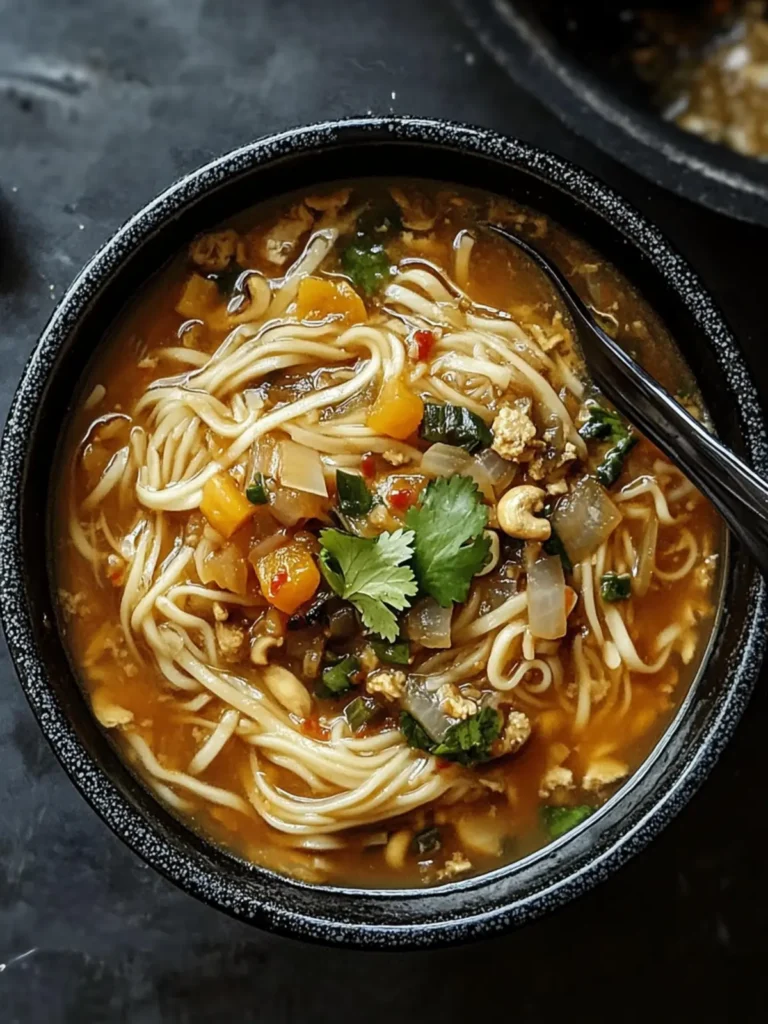
Expert Tips for Nepali Thukpa
- Taste as You Go: Always taste the broth before serving to adjust the seasoning. This ensures the perfect flavor profile for your Nepali Thukpa.
- Perfect Veggies: Ensure your vegetables are bright and tender but not overcooked to maintain their nutritional value and texture in the soup.
- Balance Spices: Use a mix of fresh and dried spices to create a harmonious flavor; this avoids overpowering or bland bites in your dish.
- Noodle Know-How: Stir the noodles occasionally while cooking to prevent them from clumping together. This keeps your Nepali Thukpa invitingly slurp-worthy!
- Prep Ahead: For quicker cooking, chop your vegetables and marinate your meat the night before to let flavors deepen. You’ll save time during meal prep!
- Store Wisely: To maintain freshness, refrigerate leftovers in an airtight container for up to two days; gently reheat to enjoy the delightful flavors again.
Storage Tips for Nepali Thukpa
Fridge: Store leftover Nepali Thukpa in an airtight container for up to 2 days. Reheat over medium heat on the stove, adding a splash of water or stock to restore its delicious broth consistency.
Freezer: If you want to keep it longer, freeze the soup for up to 3 months. Portion it in freezer-safe containers, leaving some space for expansion; thaw in the fridge overnight before reheating.
Noodles: To prevent noodles from getting mushy, store them separately from the broth if possible. If mixed, consume within 1-2 days for the best texture.
Reheating: When reheating, warm the broth separately and then add noodles just before serving for the best experience.
Nepali Thukpa (Noodle Soup) Variations
Dive into the world of cozy comfort by customizing your bowl of Nepali Thukpa for a delightful twist!
-
Vegetarian Delight: Swap in tofu instead of chicken or mutton for a protein-packed vegetarian version that doesn’t skimp on flavor.
-
Spicy Upgrade: Add a touch of heat with fresh sliced jalapeños or a sprinkle of crushed red pepper flakes for those who love a spicy kick. Just remember, you can always adjust to suit your taste!
-
Seasonal Veggies: Switch up the vegetable medley depending on your local produce, such as using mushrooms, zucchini, or even sweet corn for added sweetness.
-
Flavorful Broth: Enhance the depth of flavor by using homemade vegetable or chicken broth instead of store-bought, allowing you to control the seasoning and richness.
-
Noodle Variety: Experiment with different kinds of noodles, like udon or soba, which bring their own unique texture and taste experience to the soup.
-
Herb Infusion: Incorporate fresh herbs such as basil or mint for a bright twist. Their unique aromas will elevate the overall flavor profile remarkably!
-
Nutty Finish: Top your Thukpa with chopped roasted peanuts for a delightful crunch, adding both flavor and texture to each delicious spoonful.
-
Citrus Boost: Don’t just use lime juice—try a splash of lemon or even a hint of tangy pomegranate juice for an unexpected and refreshing zing!
Make Ahead Options
These Nepali Thukpa (Noodle Soup) are ideal for meal prep, saving you time and energy on busy weeknights! You can marinate the chicken or mutton (or tofu) and store it in the refrigerator for up to 24 hours to allow the flavors to infuse deeply. Additionally, you can prepare the noodle portions and cook the aromatic base, ensuring to refrigerate it, for up to 3 days. When you’re ready to serve, simply heat the broth, add your vegetables, and finish with the noodles, simmering until everything is heated through. This way, you maintain the soup’s delicious quality, and you’ll enjoy a warm, hearty meal with minimal effort!
What to Serve with Nepali Thukpa (Noodle Soup)?
As you relish the warmth of this delightful noodle soup, consider complementing it with diverse sides and drinks that enhance the experience.
-
Crispy Spring Rolls: These provide a crunchy contrast to the soup’s warmth, filled with fresh vegetables and served with a tangy dipping sauce.
-
Garlic Naan: Soft, chewy naan brushed with garlic is perfect for sopping up the fragrant broth, adding a delightful layer of flavor.
-
Spicy Pickles: Enhance each spoonful with a spicy side of homemade pickles; their tangy kick beautifully balances the Thukpa’s warmth.
-
Asian Slaw: A fresh, crunchy salad with a sesame dressing adds brightness and texture, complementing the rich Thukpa wonderfully.
-
Chili-Infused Oil: Drizzle this over your soup for an extra punch of heat, allowing you to adjust the spice level to your liking.
-
Mango Lassi: End on a sweet note with this creamy yogurt drink, which cools your palate after each delicious bite.
Enjoy the harmonious blend of flavors and make your noodle soup meal a truly memorable one!
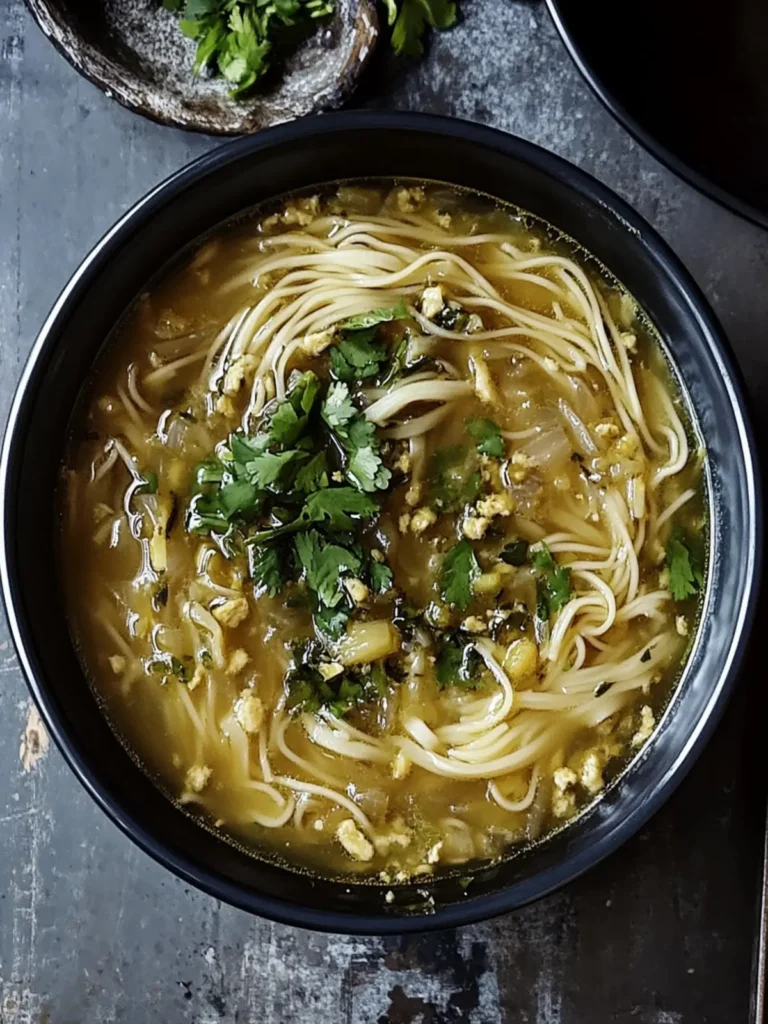
Nepali Thukpa (Noodle Soup) Recipe FAQs
How can I choose the right ingredients?
Absolutely! When selecting ingredients for your Nepali Thukpa, opt for ripe tomatoes without dark spots and fresh vegetables that look vibrant and firm. For your meat, choose cuts that are boneless and lean, like chicken or mutton, to ensure tenderness. If you prefer tofu, look for firm tofu that holds its shape well during cooking.
What are the best storage methods for leftovers?
Very good question! Store your leftover Nepali Thukpa in an airtight container in the fridge for up to 2 days. When ready to enjoy, simply reheat it over medium heat, adding a splash of water or stock if needed to revive the broth’s consistency. For longer storage, freeze your soup in freezer-safe containers for up to 3 months. Don’t forget to leave some space at the top of the container for expansion!
Can I freeze Nepali Thukpa?
Of course! To freeze your Nepali Thukpa, portion the soup into freezer-safe containers, making sure to leave some headspace for expansion as it freezes. Additionally, for the best results, freeze the broth separately from the noodles, as this will help maintain their texture. Thaw your soup in the fridge overnight before reheating, which helps preserve those delightful flavors!
What if my broth turns out too salty?
No worries at all! If your broth is too salty, add more vegetables like carrots or potatoes, which can absorb extra saltiness, or balance it out with a splash of water or extra stock. Allow it to simmer for a bit longer to meld the flavors. Remember, tasting as you go is the key to a perfect broth!
Are there any dietary considerations with Nepali Thukpa?
Absolutely! This dish can easily be adapted for dietary needs. If you are making it vegetarian, tofu is a fantastic substitute for meat. For those with gluten sensitivities, use gluten-free noodles or rice noodles instead. Always double-check your ingredients for any allergens, especially if you’re entertaining guests or cooking for family!
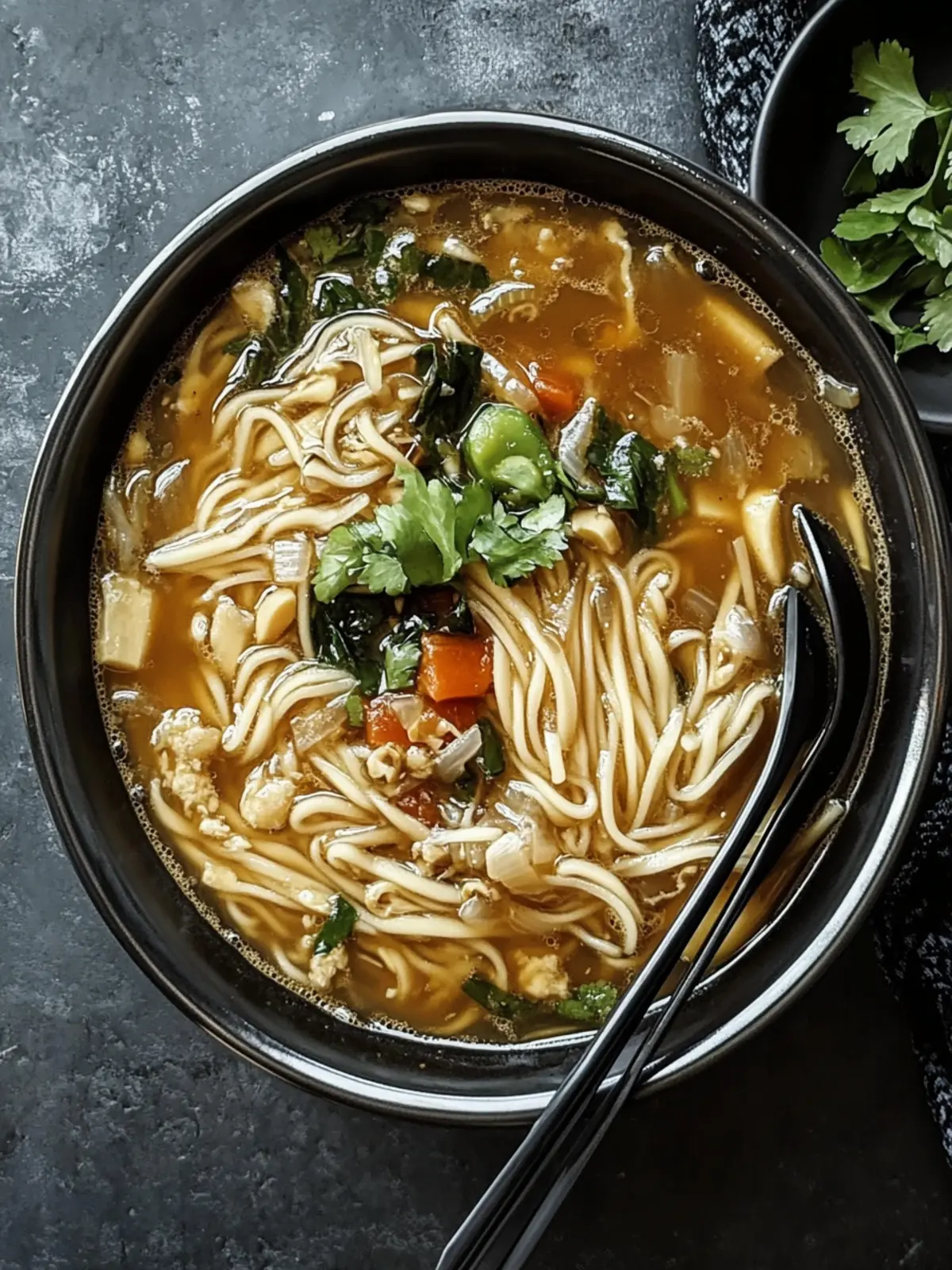
Hearty Nepali Thukpa: Your New Favorite Noodle Soup Delight
Ingredients
Equipment
Method
- Marinate the boneless chicken or mutton with turmeric, cumin, yogurt, and salt. Allow it to sit for at least 20 minutes.
- In a pot of boiling water, cook the egg or rice noodles until just tender. Drain, rinse under cold water, and toss with a bit of oil.
- In a large pot, heat mustard oil over medium heat. Sauté chopped onions until golden brown, then add ginger-garlic paste and cook until aromatic.
- Add chopped tomatoes, turmeric, cumin, coriander, and red chili powder into the pot. Stir and cook until the mixture thickens, about 5-7 minutes.
- Stir in the marinated chicken or mutton. Cook until lightly browned on all sides.
- Pour in the chicken or vegetable stock, season with salt, and bring to a boil. Reduce heat, let simmer for 20 minutes.
- Toss in shredded cabbage, sliced carrots, bell peppers, and spinach. Simmer for an additional 5-7 minutes until vegetables are just tender.
- Taste the broth and adjust seasonings as desired. Squeeze in fresh lime juice to add zest to the soup.
- Divide prepared noodles into bowls. Ladle hot broth and tender meat or tofu over the noodles. Garnish as desired.