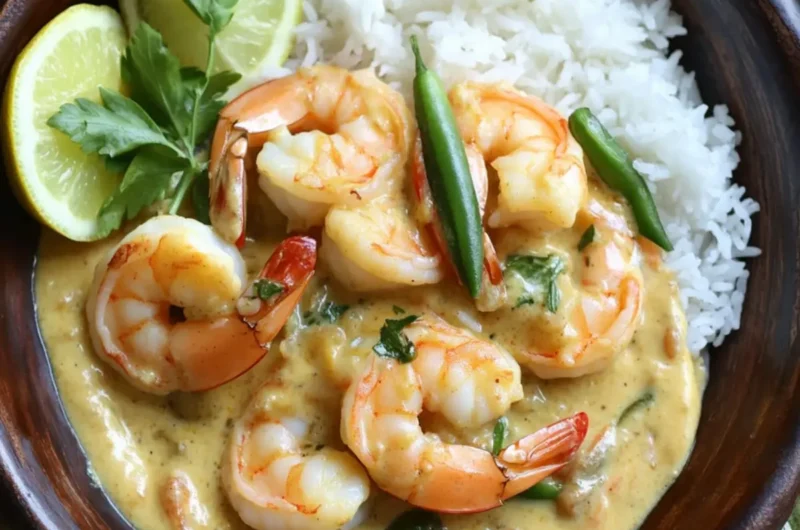
When the scents of garlic and curry leaves fill my kitchen, I can’t help but feel transported to the idyllic shores of Kerala. This Kerala Shrimp in Coconut Milk recipe is a delightful tribute to the region’s vibrant coastal cuisine. Each spoonful offers a rich blend of creamy coconut milk and perfectly spiced shrimp, effortlessly capturing the essence of Indian flavors. Not only is this dish easy to whip up, but it’s also perfectly versatile—feel free to switch the shrimp for your favorite fish or even clams and mussels for a delightful seafood medley. Whether it’s a casual weeknight dinner or a special gathering, this recipe is sure to impress. Let’s dive into the art of creating this aromatic curry that’s as satisfying to make as it is to enjoy!

Why You’ll Love This Kerala Shrimp in Coconut Milk Recipe
Aromatic Delight: The rich scents of garlic and curry leaves transform your kitchen into a seaside haven.
Versatile Choice: Easily adapt the recipe with your preferred seafood varieties, making it a go-to for any occasion.
Easy & Quick: With simple steps, you’ll have this aromatic dish ready in no time, perfect for busy weeknights.
Gluten-Free Option: Swap out traditional flour for garbanzo bean flour, accommodating dietary needs without sacrificing flavor.
Crowd-Pleasing Flavor: Each bite bursts with a delightful mixture of spices and creamy coconut, ensuring your guests will be asking for seconds!
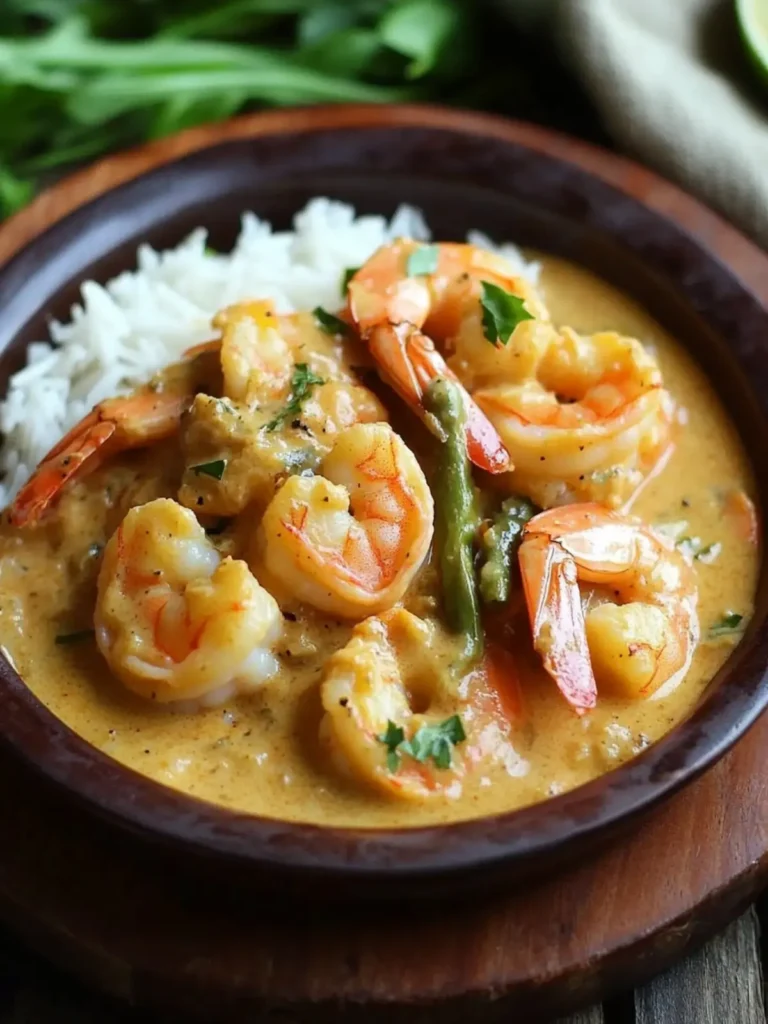
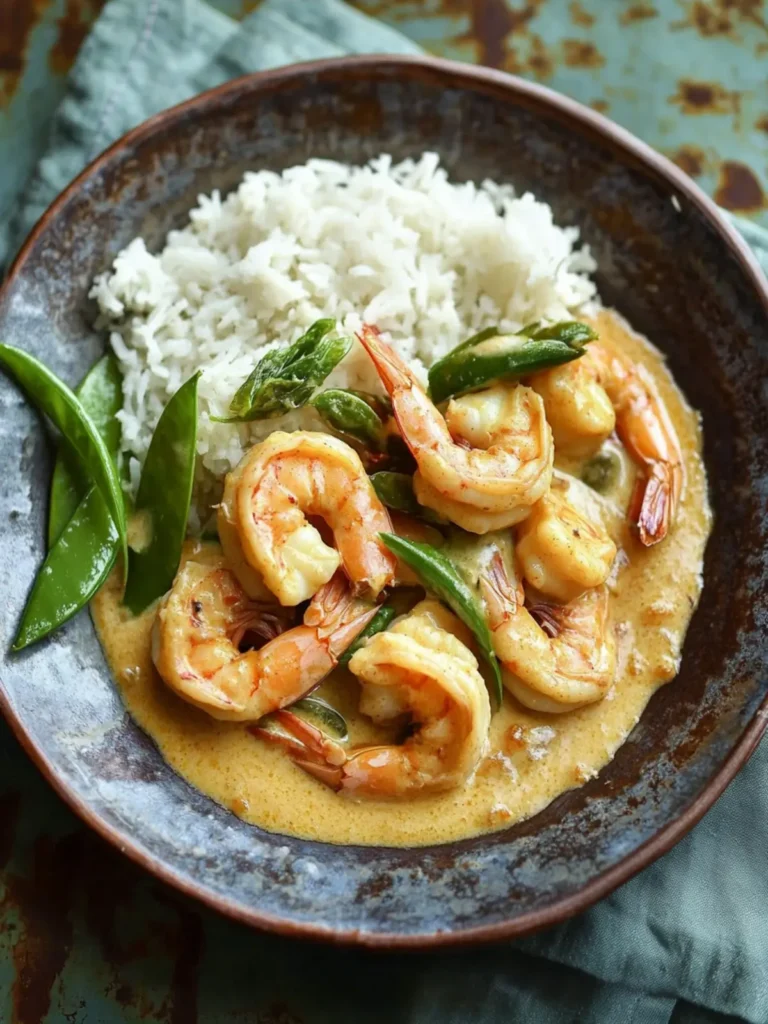
Perfect Pairing: Serve over basmati rice for a complete meal that balances the rich curry beautifully.
Kerala Shrimp in Coconut Milk Ingredients
For the Curry
- Shrimp – Fresh, extra-large shrimp are ideal for this Kerala shrimp in coconut milk recipe; feel free to swap in firm fish or clams for variety.
- Sea Salt – Enhances flavor; adjust as needed for seasoning after cooking.
- Coconut Milk – Use unsweetened canned coconut milk for a rich, creamy base.
- Garlic – Coarsely chopped garlic imparts wonderful aroma; adjust quantity based on how garlicky you like your dishes.
- Chiles – Add Thai, serrano, or cayenne for heat; choose according to your spice tolerance.
- Garbanzo Bean Flour (Besan) – This lightly thickens the sauce; use brown or white rice flour if you prefer a gluten-free option.
- Ground Turmeric – Essential for authenticity in Indian cuisine, adding color and an earthy flavor.
- Oil – Choose neutral oil or virgin coconut oil for cooking.
- Mustard Seeds – Offers a unique pop in flavor; black, brown, or yellow work interchangeably.
- Red Onion – Finely chopped to bring texture and delicate sweetness to the curry.
- Ripe Tomato – Grated to add acidity and moisture, balancing the rich coconut.
- Curry Leaves or Cilantro – Fresh curry leaves offer a distinct aroma; substitute cilantro if you can’t find them.
How to Make Kerala Shrimp in Coconut Milk
-
Prep Shrimp: Begin by lightly salting the fresh, extra-large shrimp, rinsing them, and allowing them to drain. This step enhances the shrimp’s natural flavors, prepping it for the delicious curry ahead.
-
Make Sauce: In a blender, combine ¼ can of coconut milk, coarse garlic, chiles, garbanzo bean flour, and turmeric. Blend until smooth, then add the remaining coconut milk and mix until well combined for a creamy sauce base.
-
Cook Spice Base: Heat oil in a medium skillet over medium heat, then add the mustard seeds. Wait until they start to pop, which usually takes a minute. Add the chopped red onion and sauté for 2-3 minutes until they turn golden brown and fragrant.
-
Combine Ingredients: Pour the coconut milk mixture into the skillet, adding grated tomato and fresh curry leaves. Bring this all to a brisk simmer and let it cook for about 5-6 minutes, allowing the flavors to meld beautifully.
-
Cook Shrimp: Add the prepped shrimp to the simmering curry. Lower the heat and cook until the shrimp are firm and curled, which should take only a few minutes. Cover the skillet partially if you’re concerned about the sauce reducing too much.
-
Rest & Serve: Take the dish off the heat and let it rest for approximately 10 minutes. This step allows the flavors to deepen. Serve it over a bed of basmati or brown jasmine rice for a comforting meal.
Optional: Garnish with fresh cilantro before serving for an extra burst of flavor.
Exact quantities are listed in the recipe card below.
How to Store and Freeze Kerala Shrimp in Coconut Milk
Fridge: Store leftover Kerala shrimp in coconut milk in an airtight container for up to 2 days. This keeps it fresh while allowing the flavors to meld further.
Freezer: If you want to freeze, place portions in freezer-safe bags or containers. Consume within 2-3 months for best quality; thaw in the fridge overnight before reheating.
Reheating: Gently reheat on low in a saucepan to avoid overcooking the shrimp. Stir occasionally and add a splash of coconut milk if the sauce thickens too much.
Room Temperature: It’s best not to leave the Kerala shrimp out at room temperature for more than 2 hours to maintain food safety.
What to Serve with Kerala Shrimp in Coconut Milk?
The enchanting flavors of Kerala shrimp in coconut milk invite a symphony of delicious pairings to create a full and satisfying meal.
-
Basmati Rice: A fluffy bed of basmati rice serves as the perfect canvas, soaking up the creamy coconut sauce and balancing the heat.
-
Garlic Naan: Soft, warm naan is ideal for scooping up this curry, enhancing every bite with a delightful, flaky texture that complements the richness.
-
Fresh Cucumber Salad: Refreshing, crunchy cucumbers tossed in a tangy yogurt dressing provide a crisp contrast to the creamy curry, brightening up your plate.
-
Mango Chutney: Sweet and tangy, mango chutney complements the spices in the curry, adding a burst of tropical flavor that enhances each mouthful.
-
Lemonade or Iced Tea: Serve a chilled glass of freshly squeezed lemonade or iced tea alongside your meal for a refreshing drink that beautifully offsets the spices.
-
Roasted Vegetables: A medley of roasted seasonal veggies brings earthy flavors and textural variety to the table, balancing the rich and creamy nature of the dish.
Whether you choose to indulge in salads or side dishes, every addition elevates the experience of enjoying your Kerala shrimp in coconut milk!
Kerala Shrimp in Coconut Milk Variations
Feel free to explore these delightful twists that will enhance your culinary journey and delight your taste buds!
- Firm White Fish: Substitute shrimp with cod or tilapia for a mild, flaky texture that complements the coconut curry beautifully.
- Shellfish Medley: Use clams or mussels instead of shrimp to create a hearty seafood mixture that embodies coastal flavors. The briny richness pairs perfectly with the creamy sauce.
- Vegetarian Delight: Replace seafood with sautéed vegetables like zucchini, bell peppers, or mushrooms. Maintain the coconut milk base for a vibrant and satisfying dish.
- Spice It Up: Add some finely chopped fresh ginger along with the garlic to elevate the aromatic profile and bring forth deeper flavors.
- Coconut Cream Boost: For extra richness, mix in a couple tablespoons of coconut cream at the end for an ultra-creamy texture that enchants every spoonful.
- Herb Twist: Swap curry leaves for fresh basil or mint for a refreshing, herbal note that contrasts beautifully with the creamy coconut.
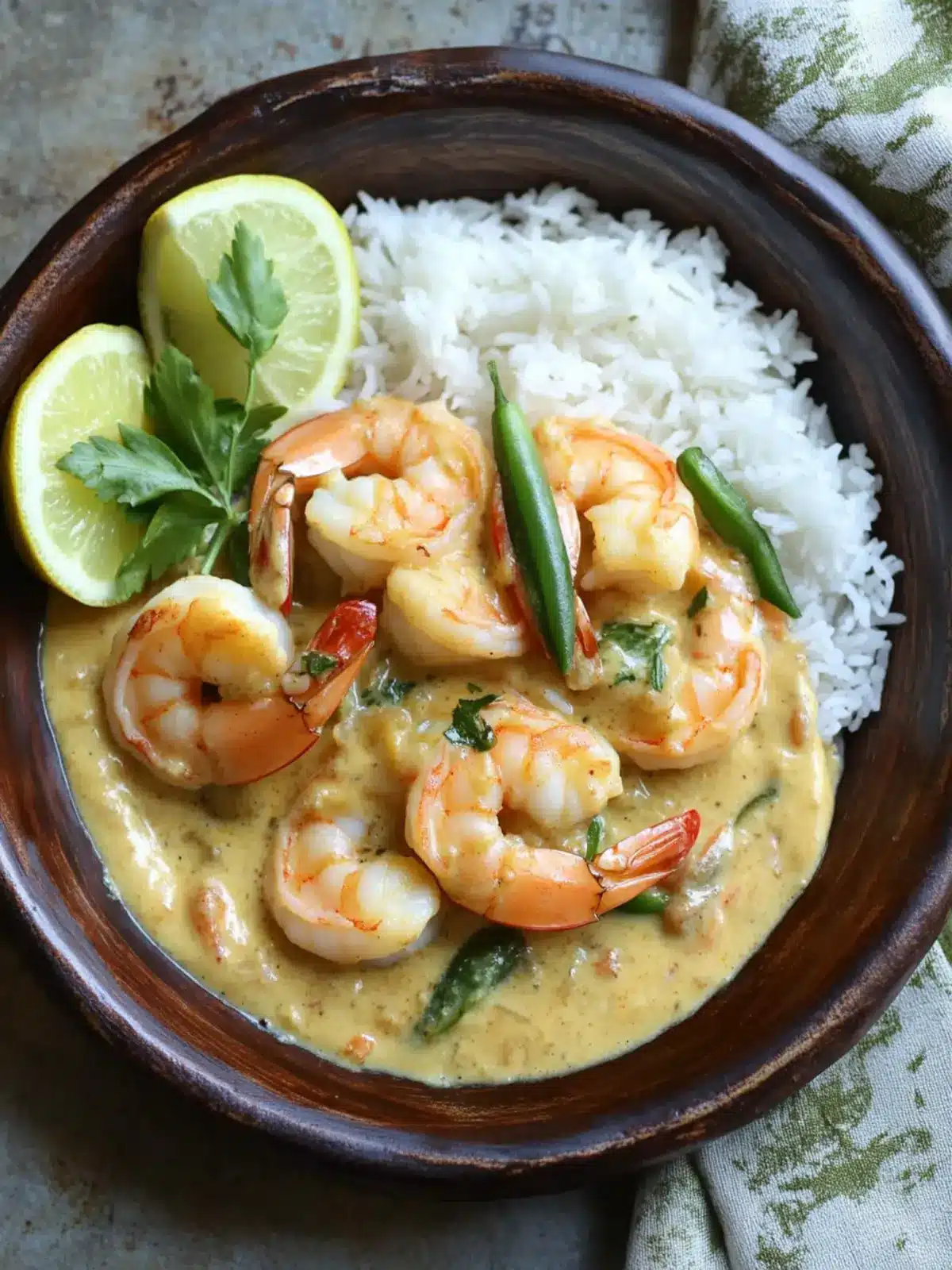
- Citrus Zest: Incorporate lime or lemon juice at the end to brighten the flavors and add a zesty kick that balances the richness.
- Heat Levels: For those who crave more heat, toss in a few extra chopped chiles or sprinkle a pinch of cayenne pepper according to your spice tolerance; bring the warmth!
Expert Tips for Kerala Shrimp in Coconut Milk Recipe
-
Quality Shrimp: Always choose fresh, extra-large shrimp for the best texture and flavor; previously frozen can work but may be less succulent.
-
Adjust Spice: If you’re unsure about spice levels, start with less chiles and add more later; taste before serving to suit everyone’s preferences.
-
Thickening Tip: To avoid a too-thin sauce, ensure the garbanzo bean flour is well-blended into the coconut milk mixture before adding; this prevents clumps.
-
Mustard Seed Awareness: Be cautious when cooking mustard seeds as they can splatter; use a lid to cover the skillet while they pop for safety.
-
Resting Time: Allow the curry to rest for at least 10 minutes after cooking; this helps the flavors meld beautifully, enhancing your Kerala shrimp in coconut milk experience.
Make Ahead Options
These Kerala Shrimp in Coconut Milk are perfect for busy weeknights or meal prep enthusiasts! You can prep the entire sauce up to 24 hours in advance by blending the coconut milk, garlic, chiles, garbanzo flour, and turmeric, then storing it in an airtight container in the refrigerator. Additionally, the shrimp can be seasoned and prepped up to 2 hours prior to cooking for enhanced flavor. On the day of serving, simply reheat the sauce in a skillet, bring it to a simmer, and add the shrimp to cook until firm. This way, you’ll enjoy restaurant-quality results with minimal effort, making mealtime both easy and delicious!
Kerala Shrimp in Coconut Milk Recipe FAQs
What type of shrimp should I use?
I recommend using fresh, extra-large peeled and deveined shrimp for the best texture and flavor. If fresh shrimp isn’t available, frozen shrimp can be a suitable alternative, though they might be slightly less succulent.
How should I store leftover Kerala shrimp in coconut milk?
Store leftover curry in an airtight container in the refrigerator for up to 2 days. This allows the flavors to meld further, enhancing the dish. Just be sure to let it cool to room temperature before sealing it.
Can I freeze Kerala shrimp in coconut milk?
Absolutely! To freeze, portion the curry into freezer-safe bags or containers, ensuring to remove as much air as possible. You can keep it frozen for 2 to 3 months. When ready to enjoy, thaw it overnight in the refrigerator and reheat gently on the stovetop.
What can I do if my sauce is too thin?
If you find that your sauce is too thin, there are a few ways to thicken it. First, ensure your garbanzo bean flour is well blended into the coconut milk mixture to avoid clumps. If the sauce still lacks thickness, you can simmer it a bit longer to reduce the liquid. Alternatively, adding a slurry made of cornstarch and water can help quickly thicken the sauce.
Are there any dietary considerations I should be aware of?
Yes, this recipe is gluten-free due to the use of garbanzo bean flour, which is a great alternative for those with gluten sensitivities. Always double-check your shrimp source for any allergens, and if serving to guests, consider offering lime wedges on the side to brighten up the dish for anyone who may be sensitive to garlic.
How spicy can I make the Kerala shrimp curry?
The spice level is entirely up to you! Start with a smaller amount of chiles, taste it once cooked, and then add more if desired. Thai, serrano, or cayenne chiles can be adjusted based on your spice tolerance, ensuring that everyone at the table enjoys the meal.
Savory Kerala Shrimp in Coconut Milk Recipe You’ll Love
Ingredients
Equipment
Method
- Begin by lightly salting the fresh, extra-large shrimp, rinsing them, and allowing them to drain. This step enhances the shrimp's natural flavors, prepping it for the delicious curry ahead.
- In a blender, combine ¼ can of coconut milk, coarse garlic, chiles, garbanzo bean flour, and turmeric. Blend until smooth, then add the remaining coconut milk and mix until well combined for a creamy sauce base.
- Heat oil in a medium skillet over medium heat, then add the mustard seeds. Wait until they start to pop, which usually takes a minute. Add the chopped red onion and sauté for 2-3 minutes until they turn golden brown and fragrant.
- Pour the coconut milk mixture into the skillet, adding grated tomato and fresh curry leaves. Bring this all to a brisk simmer and let it cook for about 5-6 minutes, allowing the flavors to meld beautifully.
- Add the prepped shrimp to the simmering curry. Lower the heat and cook until the shrimp are firm and curled, which should take only a few minutes. Cover the skillet partially if you're concerned about the sauce reducing too much.
- Take the dish off the heat and let it rest for approximately 10 minutes. This step allows the flavors to deepen. Serve it over a bed of basmati or brown jasmine rice for a comforting meal.