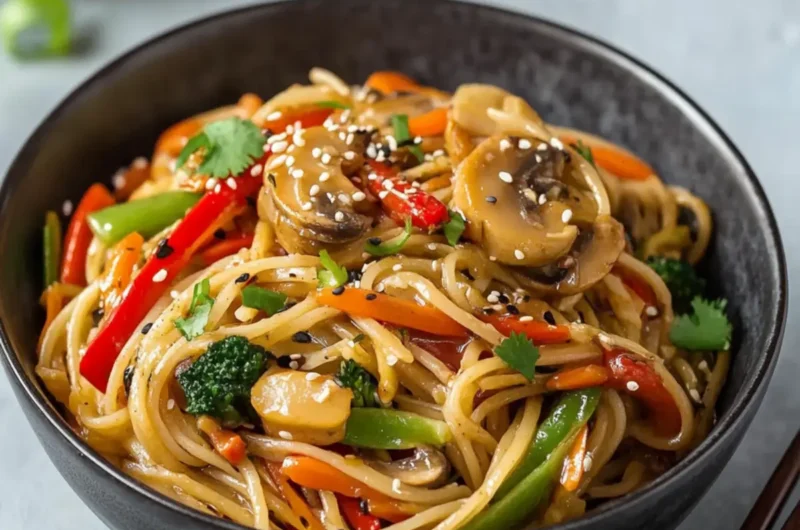
When the sun sets and the day winds down, there’s something so comforting about whipping up a quick yet delightful meal in the kitchen. Recently, on one of those cozy evenings, I found myself craving something vibrant and fresh—enter this Easy Vegetarian Asian Vegetable Pasta. The moment I tossed the crisp carrots, crunchy peppers, and earthy mushrooms into the pan, I knew I was onto something special. With each stir, the delightful aroma of sesame oil and soy sauce filled the air, promising a dish that was as satisfying as it was simple.
In just 30 minutes, you can transform a handful of vegetables and linguine into a colorful medley that dances on your taste buds. This customizable recipe is not only a joy to prepare, but it also brings a wealth of flavors and textures that make it a go-to for busy weeknights or when guests drop by unexpectedly. Whether you’re seeking a wholesome meal after a long day or looking to step away from fast food, this Asian Vegetable Pasta is the perfect solution to keep your dinner menu exciting. Let’s dive into this delicious concoction together!
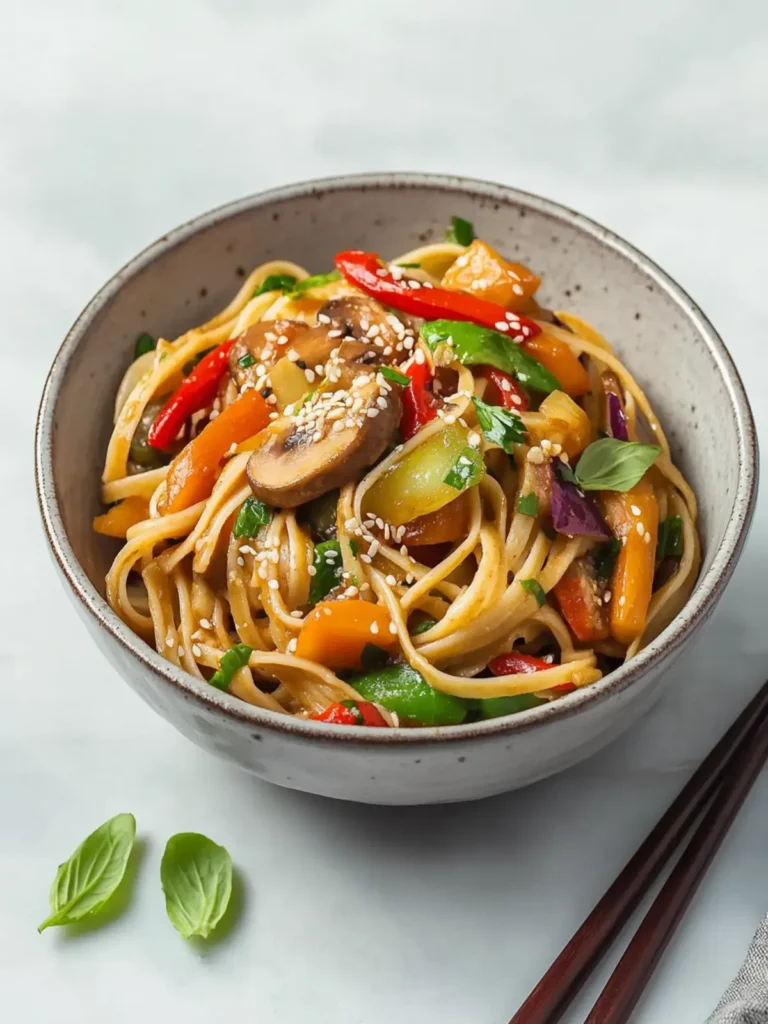
Why is Asian Vegetable Pasta a Must-Try?
Quick and Easy: This dish can be whipped up in just 30 minutes, making it a perfect choice for busy weeknights.
Bursting with Flavor: With a savory blend of sesame, soy sauce, and fresh veggies, every bite is a taste sensation.
Customizable: Swap in your favorite vegetables or proteins to suit your taste preferences—it’s all about creativity in the kitchen!
Healthy Comfort: Packed with nutrition, this pasta offers a satisfying meal without the guilt of takeout.
Crowd-Pleaser: Its vibrant colors and enticing aroma will surely impress family and friends during dinner gatherings.
Pair this delightful dish with a light Asian-inspired salad for a complete meal experience.
Asian Vegetable Pasta Ingredients
For the Pasta
- Linguine Pasta – Serves as the base; feel free to substitute with rice noodles or spaghetti for a different twist.
For Cooking
- Olive Oil – Provides healthy fat for sautéing; consider sesame oil for richer flavor.
- Hot Water – Helps cook the pasta and form a light, savory sauce.
For the Vegetables
- Mushrooms – Adds an earthy depth; shiitake mushrooms can enhance the Asian theme nicely.
- Carrot – Offers sweetness and a delightful crunch; bell peppers can be an excellent replacement.
- Zucchini – Contributes moisture; other fresh veggies like snap peas can also work beautifully.
- Green Pepper & Red Pepper – These add vibrant color and sweetness; mix and match according to your palette.
- Spring Onions – Provides freshness and a mild onion flavor; you can use regular onions in a pinch.
For Flavoring
- Soy Sauce – Brings that essential umami taste; switch to gluten-free tamari if needed.
- Honey – Balances the dish with natural sweetness; agave nectar is a great vegan alternative.
- Black Pepper – Adds a hint of heat; adjust to your preference for spice.
- Sesame Seeds – Optional but enhances texture and nutty flavor; sprinkle on top for a lovely finish.
How to Make Asian Vegetable Pasta
-
Chop Vegetables: Begin by washing and chopping your vegetables. Julienne the carrots for a fancy presentation or simply cut them into small strips; either way, enjoy the colors!
-
Heat Oil: In a wok or large pot, heat the olive oil over low heat. Once warm, add the sesame seeds and fry for about one minute to release their nutty aroma.
-
Sauté Mushrooms: Add the sliced mushrooms to the pan, stirring frequently. Sauté for 2-3 minutes until the mushrooms are tender and slightly golden.
-
Add Remaining Veggies: Toss in the carrot, zucchini, green pepper, and red pepper. Stir-fry for about 5 minutes until all the vegetables are tender-crisp and vibrant in color.
-
Combine Ingredients: Add the cooked linguine, soy sauce, and hot water to the pan. Stir everything together and let it cook for an additional 7-8 minutes until the pasta is al dente and coated in a savory sauce.
-
Incorporate Sweetness: Remove the pan from heat and stir in honey for a touch of sweetness. Finally, garnish with additional sesame seeds and sliced green onions for that extra pop!
Optional: Add a sprinkle of red pepper flakes for a spicy kick!
Exact quantities are listed in the recipe card below.
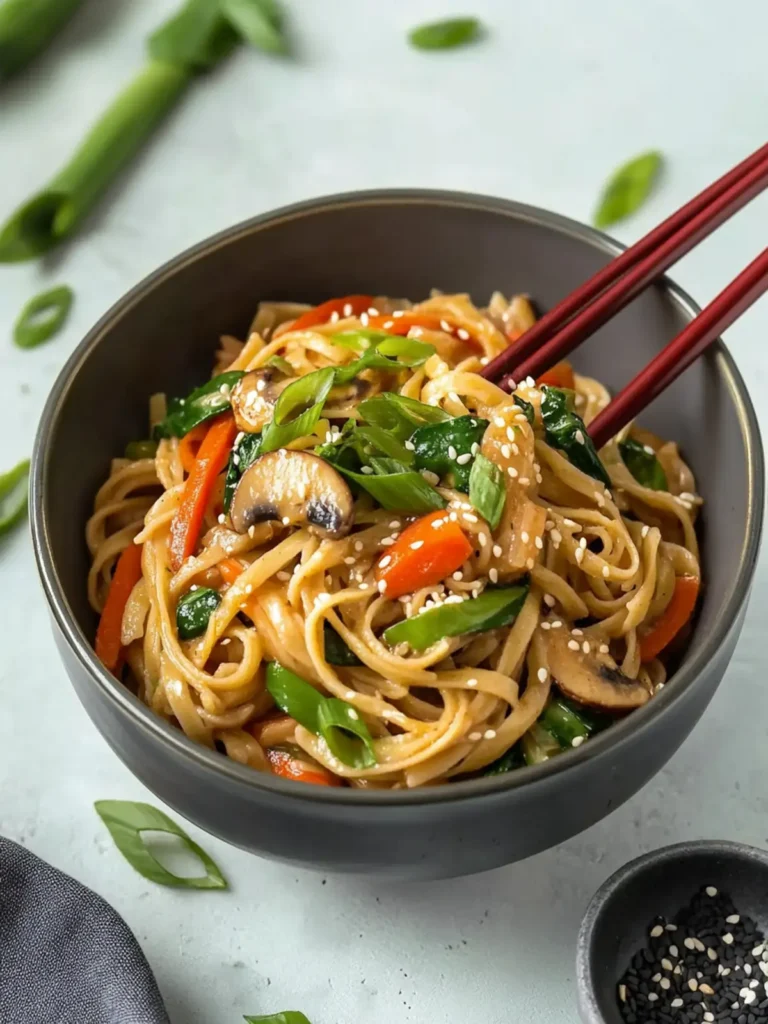
What to Serve with Asian Vegetable Pasta?
Pair your meal with unforgettable accompaniments that elevate your dining experience!
-
Crispy Spring Rolls: These fried delights offer a crunchy exterior and can be filled with your favorite fresh veggies or proteins, perfectly complementing the soft pasta.
-
Light Asian Salad: Toss together mixed greens, sesame dressing, and veggies for a refreshing contrast. The crunchy texture adds a vibrant balance to the warm pasta.
-
Chilled Edamame: Lightly salted edamame pods serve as a delightful snack or side, their earthiness blending flawlessly with the flavors of the pasta.
-
Miso Soup: This warm, hearty soup loaded with umami is the perfect starter, preparing your palate for the vibrant tastes of the pasta dish to come.
-
Tropical Fruit Salad: Bright, juicy fruits like mango and pineapple provide a delightful sweetness that beautifully contrasts the savory elements of your dish.
-
Ginger Lemonade: A bubbly and zesty drink, this refreshing beverage enhances the flavors of the pasta while providing a balance to its savory taste.
Consider creating a delightful feast, showcasing the brilliant colors and flavors that make your meal unforgettable!
How to Store and Freeze Asian Vegetable Pasta
Fridge: Store leftover Asian Vegetable Pasta in an airtight container for up to 3 days. Make sure to let it cool completely before sealing to prevent condensation.
Freezer: You can freeze the pasta for up to 2 months. Portion it into freezer-safe containers, ensuring to exclude any garnishes like green onions to maintain freshness.
Reheating: When ready to enjoy, defrost overnight in the fridge. Reheat gently on the stove over low heat, adding a splash of water or soy sauce to revive its flavor and moisture.
Room Temperature: This dish is best enjoyed warm. Avoid leaving it out for more than 2 hours at room temperature to ensure food safety.
Expert Tips for Asian Vegetable Pasta
-
Chop Uniformly: Ensure all vegetables are cut to similar sizes for even cooking, allowing the vibrant flavors to meld beautifully in your Asian Vegetable Pasta.
-
Wok Wonders: Using a wok helps retain heat, promoting optimal stir-frying. This prevents steaming your veggies and keeps them perfectly crisp.
-
Adjust the Sauce: Monitor the consistency of your sauce as you cook. If it becomes too watery, whisk in a bit of cornstarch mixed with cold water to thicken it perfectly.
-
Season to Taste: Don’t hesitate to fine-tune the seasonings. A little ginger or extra soy sauce can elevate your Asian Vegetable Pasta to new flavor heights.
-
Mix It Up: Experiment with seasonal veggies or swap in proteins like tofu or chicken for a heartier meal. The flexibility of this dish is part of its charm!
Make Ahead Options
These Asian Vegetable Pasta are perfect for meal prep enthusiasts looking to save time on busy weeknights! You can chop all the vegetables up to 3 days in advance and store them in an airtight container in the refrigerator to maintain freshness. Also, feel free to cook the linguine ahead of time—just toss it with a little olive oil to prevent sticking. When you’re ready to serve, simply sauté the prepped ingredients in a wok, add the cooked pasta, soy sauce, and hot water, and stir-fry for about 7-8 minutes until everything is heated through. With these make ahead strategies, you can enjoy a delicious, homemade meal without the last-minute rush!
Asian Vegetable Pasta Variations
Feel free to get creative and tailor this recipe to your own tastes and dietary needs!
-
Noodle Swap: Try rice noodles, spaghetti, or even zucchini noodles for a gluten-free or low-carb alternative that provides a fresh twist.
-
Protein Boost: Add firm tofu, sautéed shrimp, or sliced chicken to incorporate some heartiness, making it a more filling meal.
-
Seasonal Offers: Mix in seasonal vegetables, like snow peas in the spring or roasted squash in the fall, to keep the dish exciting all year round.
-
Flavor Explosion: Sprinkle in some red pepper flakes or a dash of sriracha for a heat kick that can take the flavor to new heights.
-
Broth Upgrade: Substitute hot water with vegetable or chicken broth for a richer, more complex taste that deepens the overall flavor profile.
-
Herb Infusion: Fresh herbs like basil, cilantro, or parsley stirred in right before serving can add a fragrant lift and a pop of freshness.
-
Nuts Galore: Toss in toasted cashews or almonds for a delightful crunch and an added layer of nuttiness that pairs beautifully with vegetables.
-
Vegan Sweetness: If you’re looking for a vegan option, swap honey for maple syrup or agave to maintain that gentle sweetness without animal products.
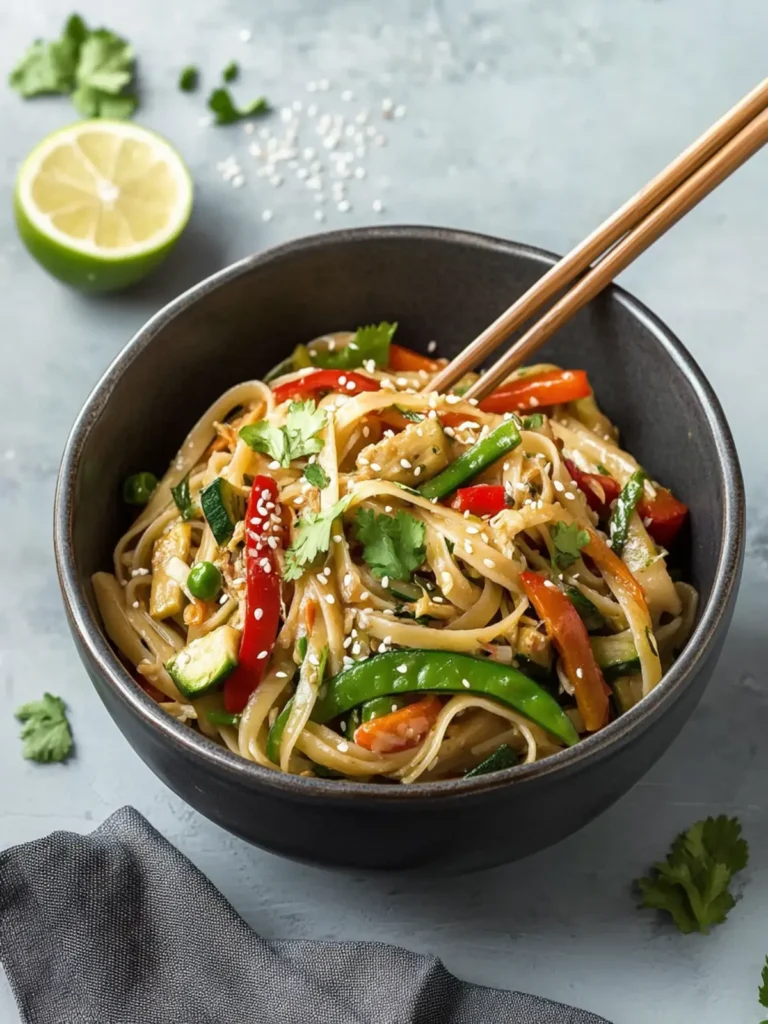
Asian Vegetable Pasta Recipe FAQs
What vegetables are best to use for Asian Vegetable Pasta?
Absolutely! The beauty of this dish lies in its adaptability. You can use a variety of vegetables based on your preference or what’s in season. Common choices include mushrooms, carrots, zucchini, green and red peppers. Feel free to experiment with snap peas, bok choy, or broccoli—just make sure they are fresh and vibrant for the best flavor and texture!
How should I store leftover Asian Vegetable Pasta?
To properly store your leftover Asian Vegetable Pasta, place it in an airtight container and refrigerate. It will stay fresh for up to 3 days. Make sure to let the pasta cool completely before sealing the container. If you’re likely to have leftovers, consider portioning it out into smaller containers for easy reheating!
Can I freeze Asian Vegetable Pasta?
Yes, you can freeze your Asian Vegetable Pasta! To do this, portion the pasta into freezer-safe containers and make sure not to include garnishes like green onions, as these do not freeze well. It will last up to 2 months in the freezer. When you’re ready to enjoy, simply defrost overnight in the fridge and reheat on the stove over low heat gently, adding a splash of water or soy sauce to bring the dish back to life.
What should I do if my pasta sauce is too watery?
Very! If you find that your sauce becomes too watery while cooking, don’t worry! You can whisk a bit of cornstarch with cold water, then stir it into the dish while it’s still on the heat. This will help thicken the sauce beautifully while still maintaining all the lovely flavors. Just be sure to add it gradually and stir well until you reach the desired consistency.
Is this dish suitable for a gluten-free diet?
Absolutely! This Asian Vegetable Pasta can easily be modified for gluten-free diets. Simply swap the regular soy sauce for gluten-free tamari and choose a gluten-free noodle option like rice noodles. It’s a fantastic way to provide a delicious, flavorful meal for everyone at your table, no matter their dietary needs!
Can my pets eat the leftovers?
It’s best to avoid feeding your pets human food, especially any containing soy sauce, onions, or garlic. While some veggies are safe for pets, always consult your vet before sharing any leftovers to ensure it’s suitable for their specific diet.
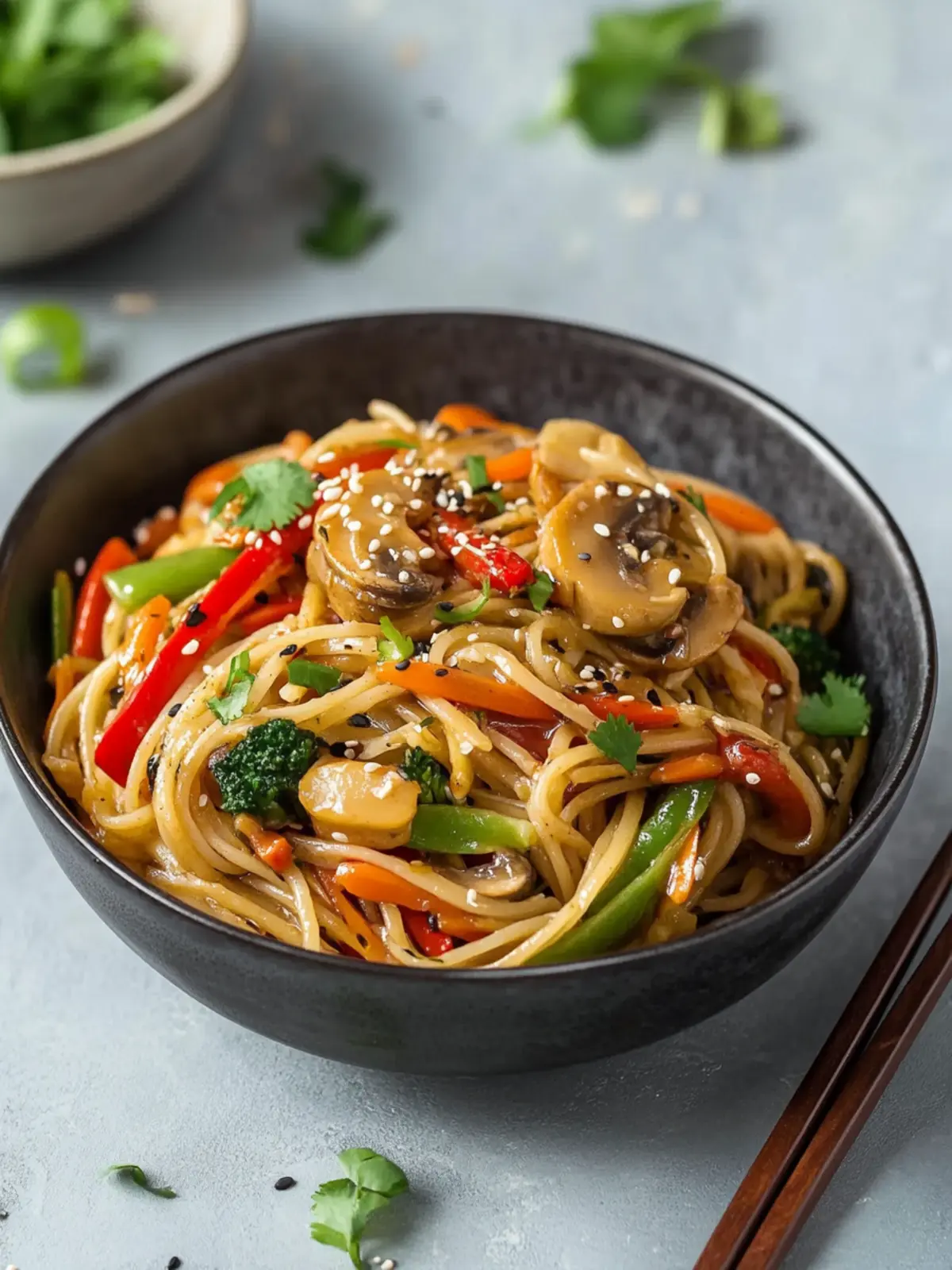
Delicious Asian Vegetable Pasta in 30 Minutes or Less
Ingredients
Equipment
Method
- Chop vegetables: Wash and chop your vegetables. Julienne the carrots for a fancy presentation or simply cut them into small strips.
- Heat oil: In a wok or large pot, heat the olive oil over low heat. Add the sesame seeds and fry for about one minute.
- Sauté mushrooms: Add sliced mushrooms and sauté for 2-3 minutes until tender.
- Add remaining veggies: Toss in the carrot, zucchini, green pepper, and red pepper. Stir-fry for about 5 minutes.
- Combine ingredients: Add the cooked linguine, soy sauce, and hot water. Stir together and let cook for an additional 7-8 minutes.
- Incorporate sweetness: Remove from heat and stir in honey. Garnish with sesame seeds and sliced green onions.