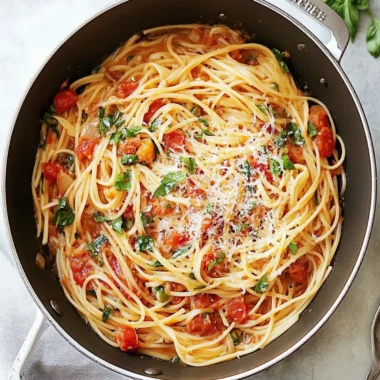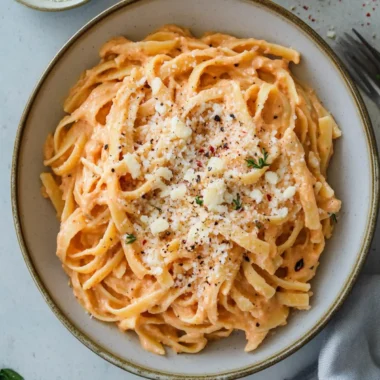
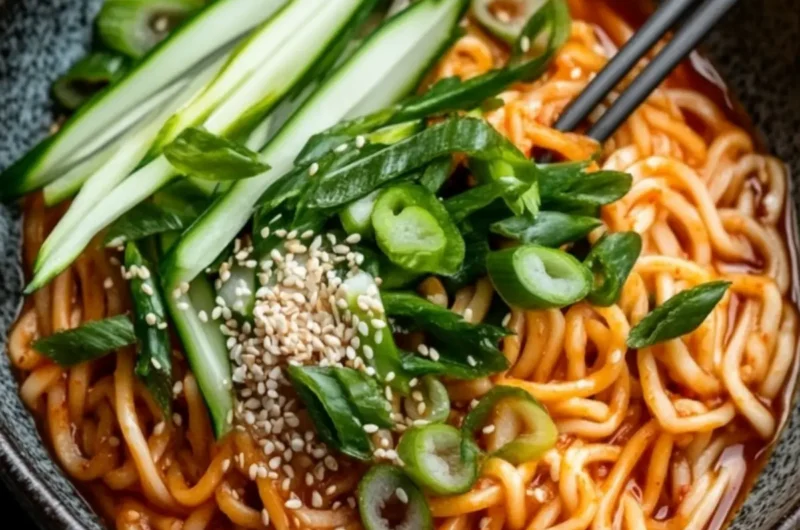
The moment I first tasted gochujang noodles, I was instantly taken aback by the dance of flavors on my palate—spicy, sweet, and utterly savory. With a bustling schedule and endless to-do lists, discovering this 20-minute gem felt like striking gold in my kitchen. Imagine your favorite spaghetti transformed with the rich, umami flavors of fermented chili paste, stylishly dressed in a glossy sauce that clings to each noodle.
Whether you’re rushing home after work or simply looking to impress guests without the stress, this quick yet delightful recipe brings a burst of excitement to your dinner table. Plus, with easily customizable ingredients, it’s the perfect canvas for creativity. Let’s dive into the magic of gochujang noodles that keep your weeknight meals fresh, fun, and flavorful!
Why are Gochujang Noodles a Must-Try?
Quick Preparation: In just 20 minutes, you can transform ordinary ingredients into something extraordinary.
Flavor Explosion: The balance of spicy, sweet, and savory makes every bite a delightful adventure.
Versatile Ingredients: Customize with your favorite vegetables or proteins—make it your own!
Crowd-Pleaser: Perfect for impressing guests or a family dinner—everyone will be asking for seconds.
Healthy Option: Packed with veggies and a good source of protein, this dish satisfies your cravings guilt-free.
Whether you’re seeking an exciting weeknight dinner or a quick meal that stands out, this gochujang noodle recipe is sure to become a favorite!
Gochujang Noodles Ingredients
• Discover the key components for savory delight!
For the Noodles
• Spaghetti – Main carbohydrate source; feel free to swap in your favorite gluten-free noodles!
• Garlic (6 cloves, minced) – Enhances flavor depth; always opt for fresh garlic for the best taste.
• Shallot (1, minced) – Offers a touch of sweetness; if missing, onion is a suitable substitute.
For the Sauce
• Gochujang (4 tsp) – The star ingredient that brings the spicy kick; adjust according to your heat preference.
• Soy Sauce (2 tbsp) – Provides umami and saltiness; consider tamari for a gluten-free option.
• Black Vinegar (2 tbsp) – Adds acidity and depth; rice vinegar works well as an alternative.
• Sesame Oil (2 tsp) – Infuses richness into the sauce; olive oil can stand in if needed.
• Granulated Sugar (4 tsp) – Balances flavors perfectly; honey or agave can work as natural substitutes.
For the Crunch
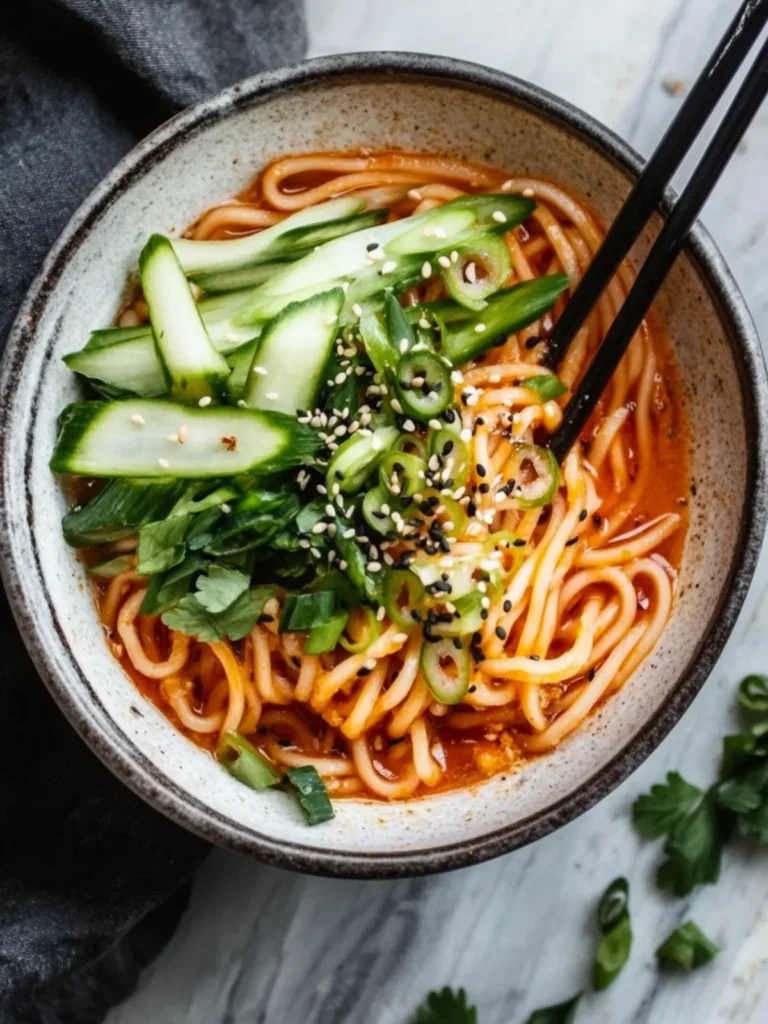
• Persian Cucumbers (¼ cup, julienned) – Adds a refreshing crunch; any cucumber variety is acceptable.
• Sesame Seeds (1 tsp, optional) – Perfect for garnish and nutty flavor; feel free to omit if allergic.
• Lemon Juice (1 tsp, optional) – Provides brightness; a squeeze of lime juice can add a fun twist.
Each ingredient serves a purpose in this delightful Gochujang noodle experience, ensuring that every bite is both fulfilling and flavorful!
How to Make Gochujang Noodles
-
Cook Spaghetti: Boil a pot of salted water and cook the spaghetti until al dente, about 8-10 minutes. Reserve ¼ cup of the pasta water before draining the noodles—this will help adjust your sauce later!
-
Prepare Sauce: In a medium bowl, whisk together the gochujang, soy sauce, black vinegar, sesame oil, and granulated sugar until smooth and well combined. This combination will create that irresistible savory sauce!
-
Sauté Aromatics: Heat 1 tablespoon of oil in a large pan over medium heat. Add the minced garlic and shallot, sautéing until they are fragrant and just lightly browned, about 20-30 seconds. Keep a close eye on them to prevent burning!
-
Combine: Stir in the prepared sauce mixture and the cooked spaghetti into the pan. Add 1 tablespoon of the reserved pasta water, tossing everything together until the noodles are perfectly coated in the glossy sauce. Adjust the consistency with more pasta water if necessary.
-
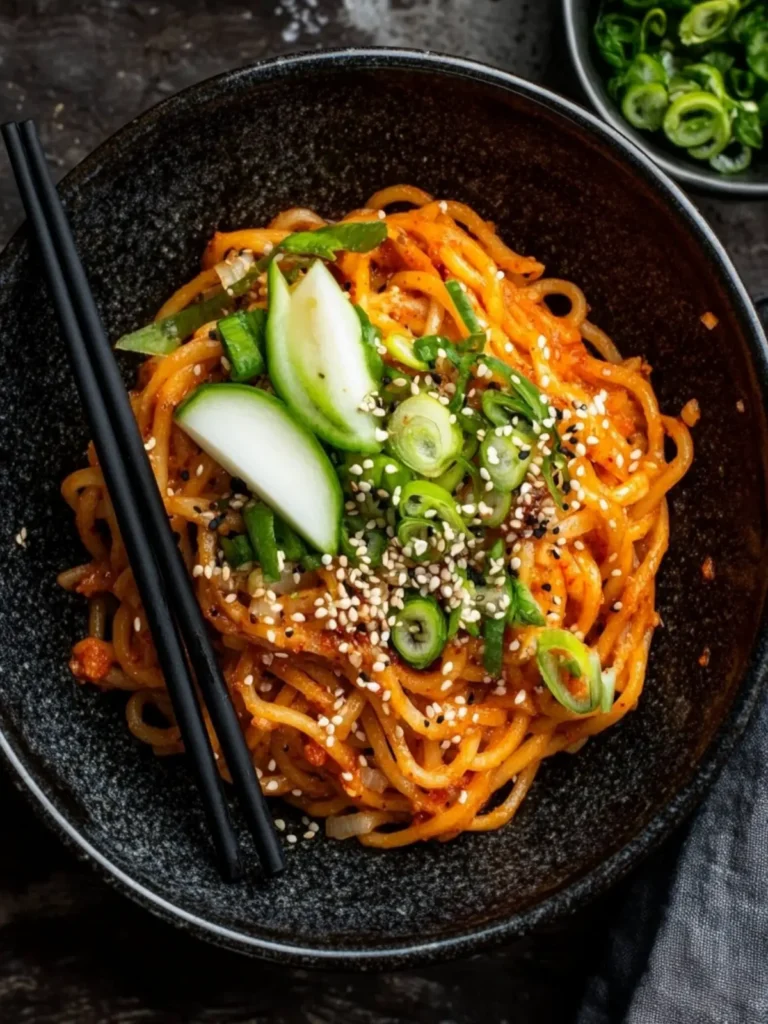
Garnish & Serve: Remove the pan from heat and serve the noodles promptly. Top with julienned cucumbers, sliced green onions, sesame seeds, and a squeeze of fresh lemon juice for a burst of flavor!
Optional: Add a sprinkle of crushed red pepper flakes for an extra kick!
Exact quantities are listed in the recipe card below.
Make Ahead Options
These Spicy Gochujang Noodles are perfect for busy home cooks looking to save time without sacrificing flavor! You can prepare the sauce (mixing gochujang, soy sauce, black vinegar, sesame oil, and sugar) up to 3 days in advance; just store it in an airtight container in the refrigerator. Additionally, julienned cucumbers can be prepped and kept refrigerated for 24 hours without losing their crunch. When you’re ready to enjoy this dish, simply cook the spaghetti as directed, toss it with the prepared sauce and reserved pasta water, and then garnish with cucumbers and other toppings. This way, you’ll have a delicious, hassle-free meal that’s just as satisfying!
How to Store and Freeze Gochujang Noodles
Fridge: Store leftover gochujang noodles in an airtight container for up to 3 days. This helps retain their flavor and texture while keeping them fresh for your next meal.
Freezer: While not recommended for the best texture, you can freeze gochujang noodles for up to 1 month. Just make sure to let them cool completely before transferring to an airtight freezer bag.
Reheating: When ready to enjoy, thaw overnight in the fridge if frozen. Reheat in a skillet over medium heat, adding a splash of water to restore the sauce’s glossy finish.
Ingredient Adaptation: If you’ve added fresh vegetables, note that they may affect the texture after freezing. It’s best to enjoy your gochujang noodles fresh!
What to Serve with 20-Minute Gochujang Noodles?
Enhance your meal with delightful pairings that accentuate the vibrant flavors of your spicy noodles.
- Crispy Tofu: This protein-packed option offers a delightful contrast to the soft noodles, soaking up the savory sauce perfectly.
- Stir-Fried Vegetables: Colorful veggies like bell peppers and snap peas provide crunch and freshness, making each bite a little more exciting. Combine these with a light soy sauce drizzle to elevate their flavor!
- Sesame Spinach Salad: A refreshing side that complements the noodles, featuring tender spinach, toasted sesame seeds, and a tangy dressing. Its earthy notes against the sweet and spicy noodles create an unforgettable combination.
- Kimchi: Adding this tangy, fermented side enhances the umami experience, bridging the flavors between the noodles and traditional Korean fare. Just a spoonful elevates the dish!
- Pickled Carrots: Their sweet and sour crunch forms a delightful contrast to the creamy texture of the noodles, balancing the spice beautifully.
- Mango Lassi: This cool, creamy drink serves to soothe the palate between bites, making it an ideal companion for spicy gochujang noodles.
- Chocolate Mint Brownies: For dessert, a rich brownie topped with fresh mint feels indulgent yet refreshing, rounding off your meal beautifully.
- Green Tea: This subtly flavored beverage aids digestion while enhancing the rich flavors of the noodles—sip and savor!
These combinations will create a delightful dining experience, leaving everyone around the table thoroughly satisfied!
Expert Tips for Gochujang Noodles
-
Spice Control: Start with the recommended amount of gochujang and adjust to your liking. It’s easier to add more spice than to tone it down if the dish gets too hot.
-
Pasta Water Magic: Use the reserved pasta water gradually to reach your desired sauce consistency. This technique keeps the sauce clinging perfectly to your noodles.
-
Mind the Garlic: Be cautious not to overcook the garlic, as it can become bitter if browned too much. Sauté just until fragrant for the best flavor!
-
Customizable Veggies: Feel free to blend in other veggies like bell peppers or spinach for added nutrition and color. Just toss them in while sautéing the garlic and shallot.
-
Storage Savvy: If you have leftovers, store them in an airtight container in the fridge for up to three days. Reheat with a little water to bring back that delicious sauce texture!
Enjoy your homemade Gochujang Noodles with these helpful tips to make your cooking experience enjoyable and flavorful!
Gochujang Noodles Variations
Feel free to get creative and make these noodles your own with these delicious variations!
- Gluten-Free: Use rice noodles or gluten-free spaghetti for a delightful alternative that caters to dietary needs.
- Veggie-Packed: Toss in vibrant bell peppers, snap peas, or spinach while sautéing for added nutrition and color.
- Protein Boost: Add grilled chicken, tofu, or shrimp for a heartier meal that transforms the dish into a complete protein-packed delight.
- Extra Spicy: Increase the gochujang amount or add a sprinkle of crushed red pepper flakes for fire-breathing flavor.
- Creamy Twist: Stir in a spoonful of peanut butter or tahini for a luscious, nutty sauce that brings velvety richness.
- Sweet & Sour: Drizzle with honey or maple syrup to amplify the sweet notes, paired beautifully with lime juice for balance.
- Herb Infusion: Garnish with fresh cilantro or basil for an aromatic lift, adding layers of freshness that make the dish sing.
- Citrusy Burst: Swap lemon juice for lime juice, or add zest to elevate the bright flavor profile in every bite.
Embrace these variations for a unique dining experience each time you whip up your gochujang noodles!
20-Minute Gochujang Noodles Recipe FAQs
How do I select ripe ingredients for my noodles?
Absolutely! For the freshest flavors, choose firm and vibrant Persian cucumbers without any dark spots. When it comes to garlic, opt for bulbs that are plump with tight skin—fresh is always best!
How should I store leftover Gochujang Noodles?
You can store these delicious noodles in an airtight container in the refrigerator for up to 3 days. To keep them tasting great, make sure to seal them tightly. When you’re ready to eat, reheat by adding a splash of water to regain that yummy sauce consistency.
Can I freeze Gochujang Noodles, and if so, how?
Very! While freezing isn’t the best option for preserving the texture, you can still freeze the noodles for up to 1 month. Let them cool completely, then place them in an airtight freezer bag, removing as much air as possible. When you’re ready to enjoy, thaw overnight in the fridge, then reheat on the stove with a small amount of water to get that nice, glossy finish back.
What if my sauce is too thick or thin?
No worries! If the sauce turns out too thick, gradually add reserved pasta water, one tablespoon at a time, until you achieve the desired consistency. Conversely, if it’s too thin, let the noodles cook a bit longer over low heat to allow the excess moisture to evaporate. Keep mixing until everything blends beautifully!
Are there any dietary considerations for Gochujang Noodles?
Yes! Make sure to check the ingredients in your gochujang; some brands may contain gluten or other allergens. If you’re cooking for someone with a gluten intolerance or allergy, I recommend using tamari instead of soy sauce to keep it safe! If you’re sharing with pets, remember that garlic and onions can be harmful to them, so adjust accordingly in your cooking.
What should I do if I can’t find gochujang?
If you can’t locate gochujang, don’t fret! You can substitute it with another chili paste like sambal oelek for some heat, or a mix of miso paste and sriracha for a hint of umami and spice. Just adjust to taste, focusing on creating that signature sweet, spicy flavor balance that makes this dish special!
Spicy Gochujang Noodles Ready in Just 20 Minutes!
Ingredients
Equipment
Method
- Boil a pot of salted water and cook the spaghetti until al dente, about 8-10 minutes. Reserve ¼ cup of pasta water before draining.
- In a medium bowl, whisk together the gochujang, soy sauce, black vinegar, sesame oil, and granulated sugar until smooth.
- Heat 1 tablespoon of oil in a large pan over medium heat. Add minced garlic and shallot, sauté until fragrant and lightly browned.
- Stir in the sauce mixture and cooked spaghetti into the pan. Add 1 tablespoon of reserved pasta water, tossing until coated.
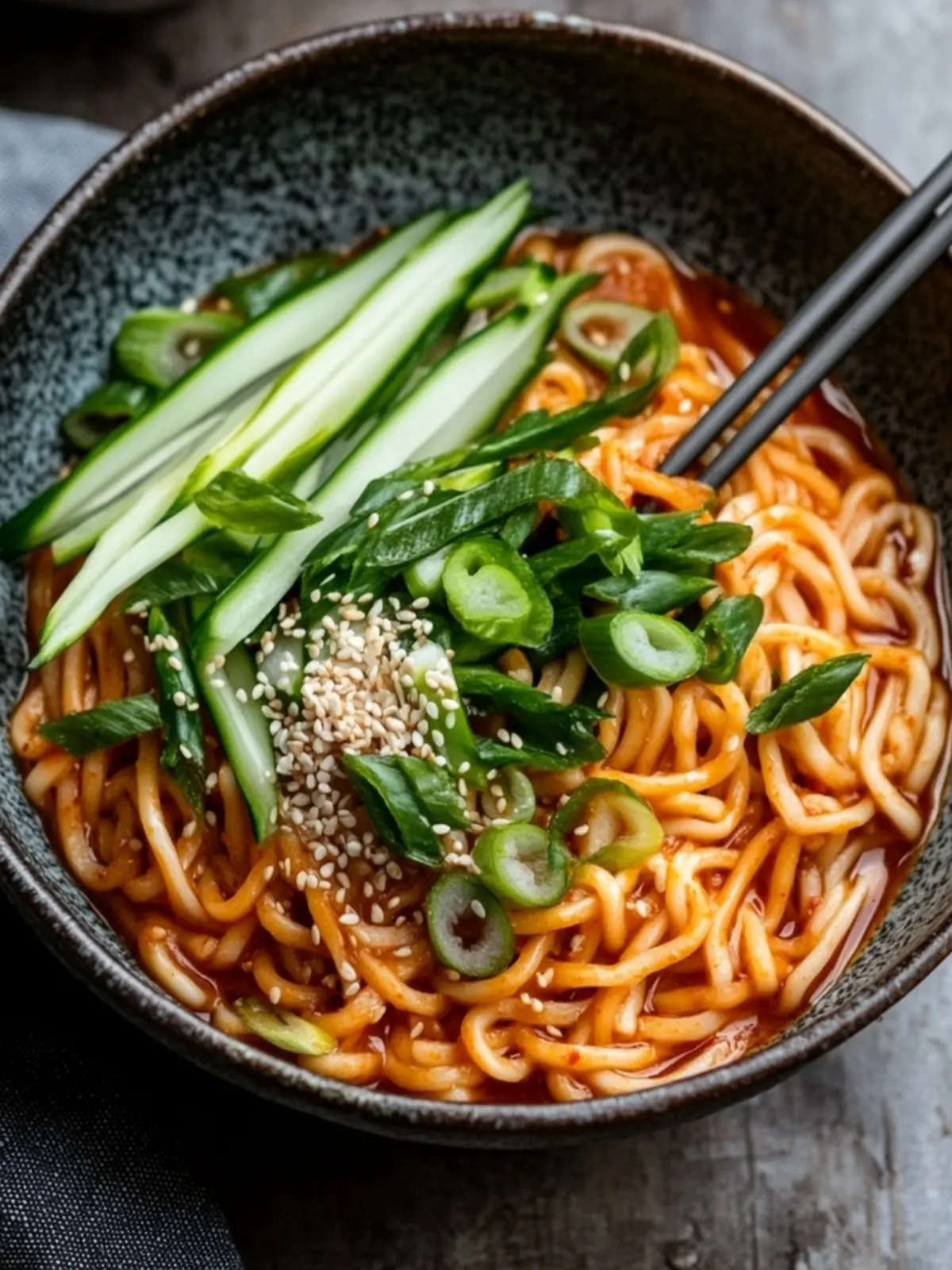
- Remove from heat and serve the noodles topped with cucumbers, green onions, sesame seeds, and lemon juice.