
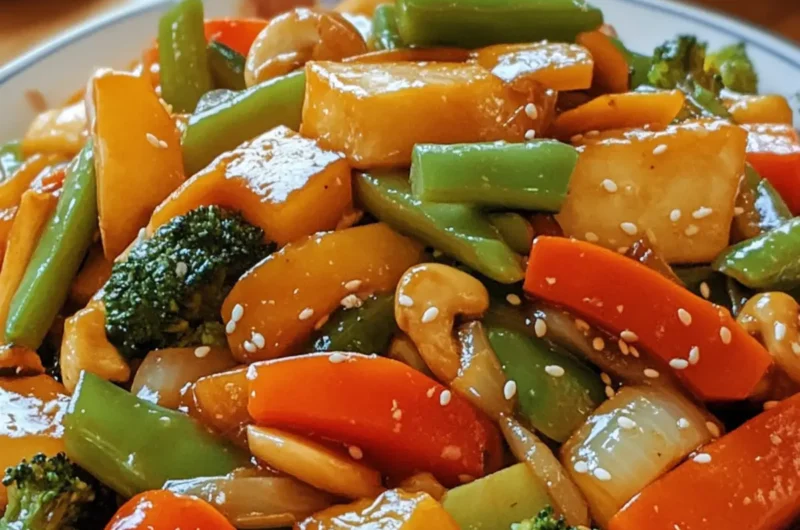
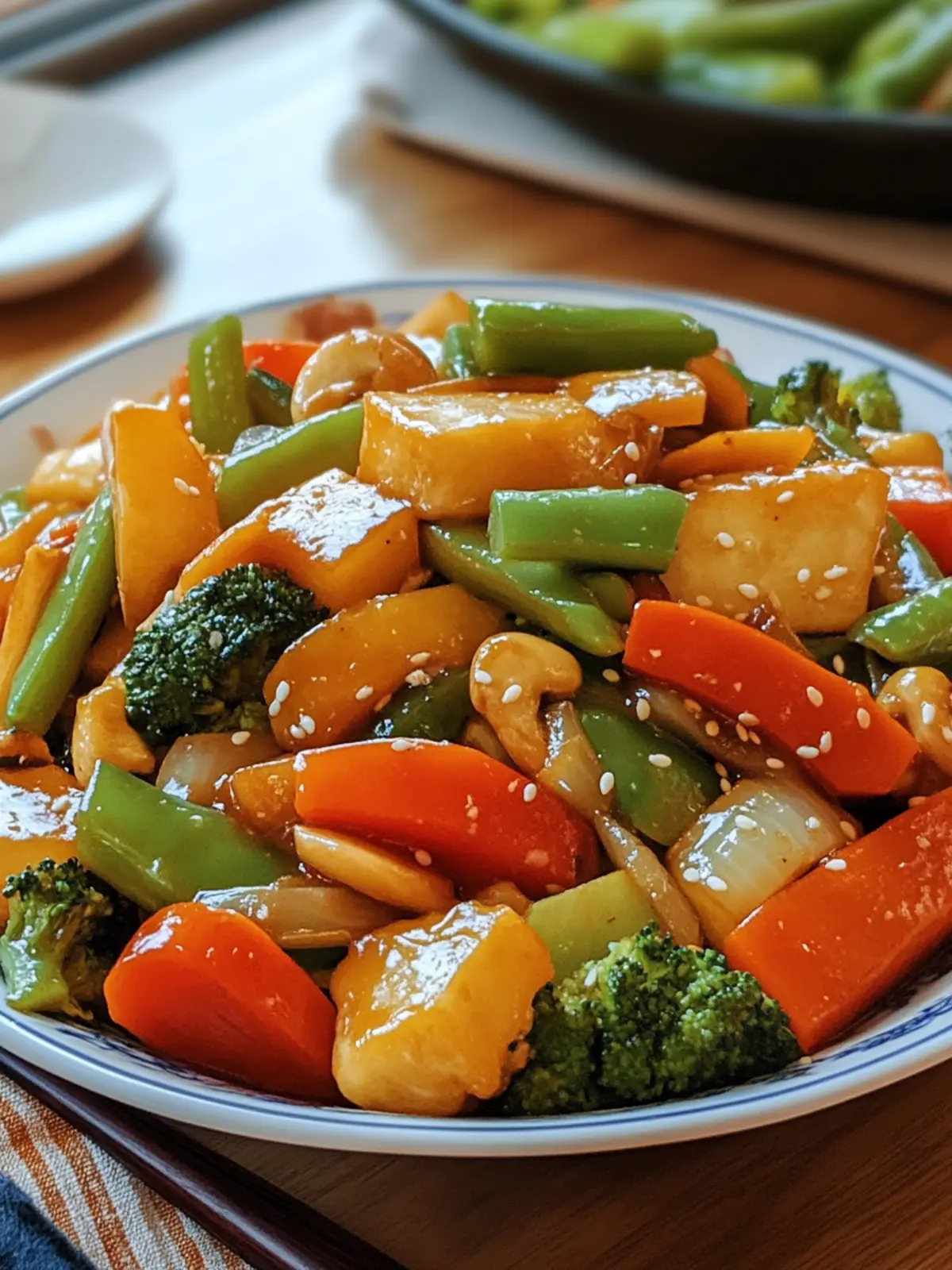
When my friend surprised me with a bowl of steaming Buddha’s Delight, I was instantly hooked by the enchanting aroma wafting through the kitchen. This vibrant Chinese vegetarian stir-fry is a celebration of fresh vegetables, hearty tofu, and an array of textures that can turn any weeknight dinner into a wholesome feast. Inspired by tradition, this dish is often enjoyed during special occasions, symbolizing good fortune and harmony in life.
What truly sets Buddha’s Delight apart is its versatility; you can easily adapt it to include your favorite seasonal veggies or even unique ingredients like bamboo shoots that add a delightful crunch. Whether you’re craving a nourishing meal or looking to impress guests, this simple yet flavorful stir-fry ticks all the boxes. Join me as we dive into the easy steps to craft your own Buddha’s Delight, turning everyday ingredients into a stunning, plant-based masterpiece that feels both festive and comforting.
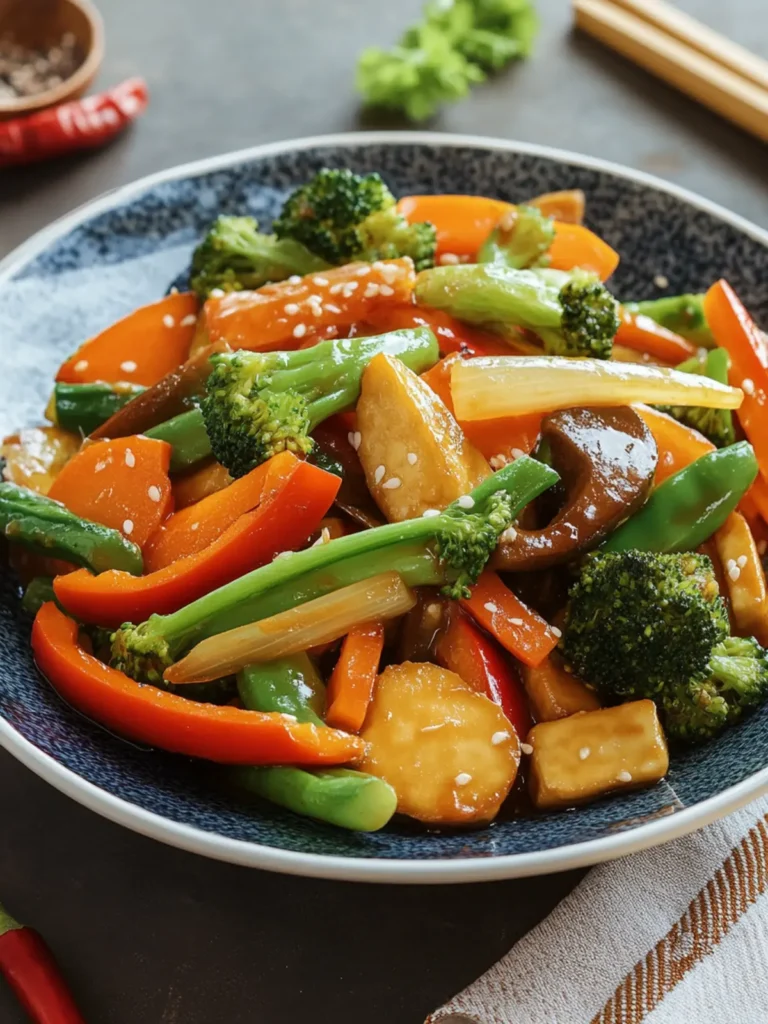
Why is Chinese Buddha’s Delight special?
Vibrant Flavors: This dish melds fresh vegetables and firm tofu into a colorful stir-fry that tantalizes your tastebuds.
Quick to Prepare: With minimal prep and cooking time, you’ll have a delicious meal ready in under 30 minutes.
Healthy & Wholesome: Packed with nutrients, it’s perfect for clean eating enthusiasts looking for a satisfying vegetarian option.
Endless Customization: Feel free to switch up the veggies or add ingredients like chickpeas for extra protein.
Crowd-Pleasing Appeal: Ideal for family dinners or gatherings, this recipe guarantees smiles all around while promoting a healthy lifestyle.
Chinese Buddha’s Delight Ingredients
• Discover the vibrant flavors of this beloved dish!
For the Stir-Fry
- Firm Tofu – Provides protein and heartiness; press to remove moisture for better texture. Substitute with tempeh for a different flavor.
- Napa Cabbage – Adds crunch and mild sweetness; can be replaced with green cabbage.
- Bok Choy – Introduces a slightly peppery flavor and tender texture; substitutable with Swiss chard or spinach.
- Shiitake Mushrooms – Contributes earthy flavors and umami richness; use button mushrooms as an alternative if unavailable.
- Bamboo Shoots – Offers a unique crunch; canned bamboo shoots can be used for convenience.
- Baby Corn – Adds sweetness and a fun texture; can be omitted or switched with sliced bell peppers.
- Water Chestnuts – Provides a crisp texture; optional but enhances the dish’s crunchiness.
- Dried Cloud Ear Fungus – Adds a unique texture and is considered nutritious; substitute with wood ear mushrooms or omit.
- Snow Peas – For a sweet, crisp bite; can be replaced with sugar snap peas or green beans.
For the Sauces
- Vegetable Oil – Used for stir-frying; can be replaced with any neutral oil like canola.
- Garlic and Ginger – Essential for aromatic depth; fresh is preferred; powdered versions can work in a pinch.
- Light and Dark Soy Sauce – Provides essential umami flavor; tamari can be used as a gluten-free alternative.
- Vegetarian Oyster Sauce – For sweetness and umami; can substitute with hoisin sauce.
- Vegetable Broth – Provides moisture and additional flavor; use water in a pinch but broth is preferred.
- Sesame Oil – For a nutty aroma and flavor; don’t replace; it’s vital for the final taste.
For Thickening
- Cornstarch – Used for thickening the sauce; substitute with arrowroot powder if necessary.
How to Make Chinese Buddha’s Delight
-
Press tofu: Place firm tofu on a clean kitchen towel or paper towels and gently press for about 15 minutes to remove excess moisture. This ensures a firmer texture in your stir-fry. Preheat your oven to 180°C (350°F) during this time.
-
Bake tofu: Cut the pressed tofu into cubes and arrange them on a baking sheet. Bake for 15-20 minutes until golden brown, flipping halfway through. Alternatively, pan-fry the tofu in a little oil for a quicker method.
-
Soak mushrooms: In a bowl, soak the dried shiitake mushrooms and cloud ear fungus in warm water for about 20 minutes until softened. Then, slice them into bite-sized pieces.
-
Chop vegetables: Prepare your fresh vegetables by chopping the napa cabbage, bok choy, and snow peas as needed. This will help with even cooking and presentation.
-
Mix the sauce: In a small bowl, whisk together light soy sauce, dark soy sauce, vegetarian oyster sauce, and vegetable broth. This savory blend will enhance your stir-fry.
-
Sauté aromatics: Heat vegetable oil in a wok over medium-high heat. Add minced garlic and grated ginger, sautéing for about 30 seconds until fragrant.
-
Add mushrooms and crunchies: Toss in the sliced mushrooms, bamboo shoots, baby corn, and cloud ear fungus. Stir-fry these ingredients for 2-3 minutes, allowing them to soften and blend wonderfully.
-
Incorporate greens: Add the bok choy, napa cabbage, and snow peas to the wok, stir-frying for another 2 minutes until just wilted. The colors should remain vibrant!
-
Pour in sauce: Carefully pour your prepared sauce mixture into the wok, then add the baked tofu. Let everything simmer together for about 2 minutes to meld the flavors.
-
Thicken the sauce: Mix cornstarch with a little water to create a slurry. Stir this into the wok and cook for an additional 1-2 minutes until the sauce is glossy and thickened to your liking.
-
Finish with sesame oil: Drizzle some sesame oil over the dish to elevate its aroma and flavor. Serve warm alongside steamed rice or noodles for a complete meal!
Optional: Garnish with sesame seeds or sliced green onions for an extra dash of flavor and color.
Exact quantities are listed in the recipe card below.
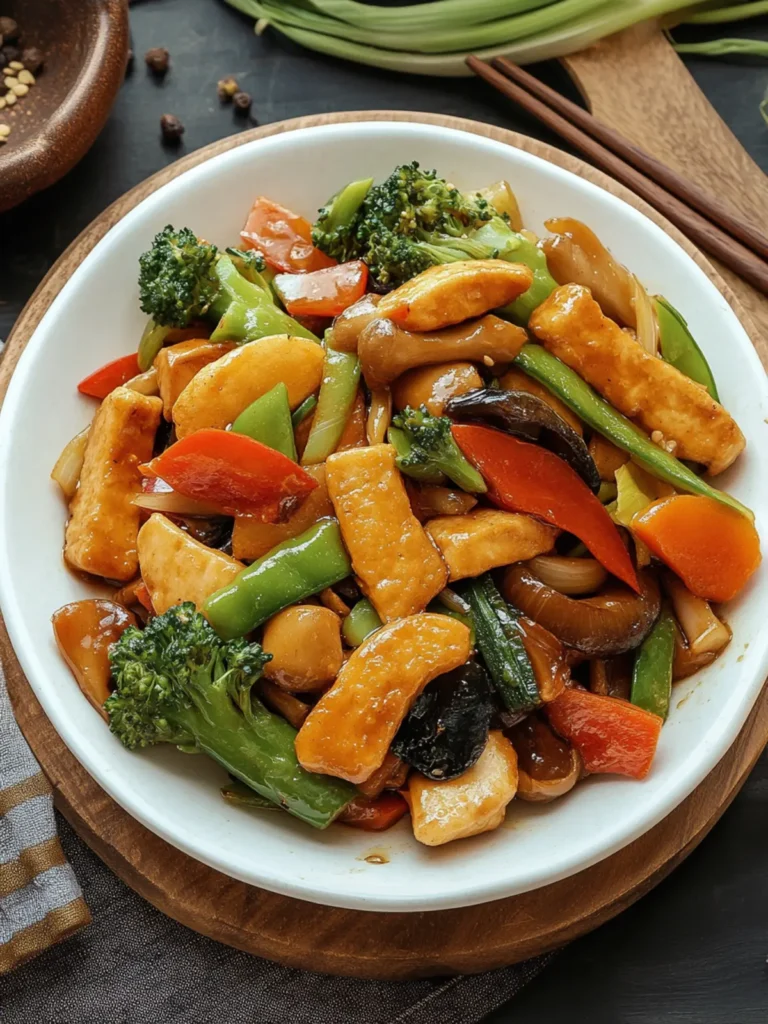
Chinese Buddha’s Delight Variations
Feel free to unleash your creativity and customize this beloved dish with exciting variations that shout vibrancy and flavor!
- Protein Boost: Add edamame or chickpeas for an extra punch of protein and heartiness, making your dish even more satisfying.
- Seasonal Veggies: Swap in seasonal vegetables like zucchini, asparagus, or bell peppers, tailoring to what’s fresh and available.
- Heat Factor: Spice things up with crushed red pepper flakes or sriracha, adding a kick that ignites the taste buds for those who love heat.
- Flavor Twist: Experiment with different sauces like hoisin or sweet chili sauce to create a unique flavor profile; just a touch can transform your stir-fry!
- Texture Variation: Add in some cashews or peanuts for a delightful crunch that contrasts beautifully with the tender veggies and tofu.
- Gluten-Free Option: Swap out soy sauce for tamari, ensuring that your dish remains gluten-free without sacrificing flavor.
- Fresh Herbs: Garnish with basil or cilantro for a fresh, aromatic finish that adds a burst of color and a delightful taste.
- Noodle Swap: Instead of serving with rice, try it over zoodles (zucchini noodles) or rice noodles for a fun and light twist that changes the entire dining experience.
Make Ahead Options
These Chinese Buddha’s Delight stir-fry ingredients are perfect for meal prepping, saving you time on those busy weeknights! You can chop and prepare all the vegetables, soak the dried mushrooms, and even press the tofu up to 24 hours in advance. Store the chopped veggies and soaked mushrooms in airtight containers in the refrigerator to keep them fresh. When you’re ready to cook, simply bake or pan-fry the tofu as directed, sauté your aromatics, and stir-fry the vegetables together with the sauce mixture for a quick meal that’s just as delicious as if you made it fresh. This way, you’ll have a vibrant and nourishing dish ready to enjoy with minimal effort!
Expert Tips for Chinese Buddha’s Delight
-
Press Tofu Well: Ensuring your tofu is thoroughly pressed will enhance its texture, making it chewier and less soggy in your stir-fry.
-
Vibrant Vegetables: Don’t overcook your veggies; they should remain colorful and slightly crisp for the best flavor and presentation in your Chinese Buddha’s Delight.
-
Balance Flavors: Taste your sauce as you mix it, adjusting the soy sauce and vegetarian oyster sauce for that perfect harmony of salty and savory.
-
Use a Large Wok: A spacious wok prevents overcrowding, ensuring that your ingredients fry evenly and achieve that delightful stir-fried flavor without steaming.
-
Customize Seasonal Additions: Feel free to switch out vegetables or add protein like edamame to tailor this dish to your tastes and what’s in season!
-
Garnish for Extra Flair: A sprinkle of sesame seeds or sliced green onions just before serving will add a lovely touch and enhance the visual appeal of your dish.
How to Store and Freeze Buddha’s Delight
Fridge: Store Buddha’s Delight in an airtight container in the refrigerator for up to 3 days. It’s best enjoyed fresh, but it makes a great leftover meal!
Freezer: If you need to freeze it, portion the dish into freezer-safe containers. It can last in the freezer for up to 2 months. Thaw in the fridge before reheating.
Reheating: To reheat, warm gently in a skillet over medium heat, adding a splash of vegetable broth or water to maintain moisture. Stir until heated through for the best flavor.
Avoid Overcooking: When reheating, be cautious not to overcook the vegetables to retain their vibrant colors and textures in your Buddha’s Delight.
What to Serve with Buddha’s Delight?
Complete your vibrant stir-fry with delightful accompaniments that enhance the meal’s flavors and experience.
- Steamed Jasmine Rice: The fluffy texture of jasmine rice is a perfect canvas for the savory stir-fry, soaking up the delicious sauces.
- Rice Noodles: Light and chewy, rice noodles add a delightful contrast, making each bite a flavorful delight.
- Spring Rolls: Crispy on the outside and filled with fresh veggies, spring rolls provide a delightful crunch that’s perfect to enjoy as a starter.
- Miso Soup: A warm bowl of miso soup enhances the meal with its umami depth and comforting warmth, harmonizing beautifully with the stir-fry.
- Pickled Vegetables: The tangy kick of pickled veggies offers a refreshing contrast to the richness of Buddha’s Delight, cleansing the palate.
- Chili Garlic Sauce: For those who enjoy a little heat, a drizzle of chili garlic sauce can elevate the flavors, adding a spicy note to each bite.
Pairing these options with Buddha’s Delight will surely impress your guests and make for a wholesome feast!
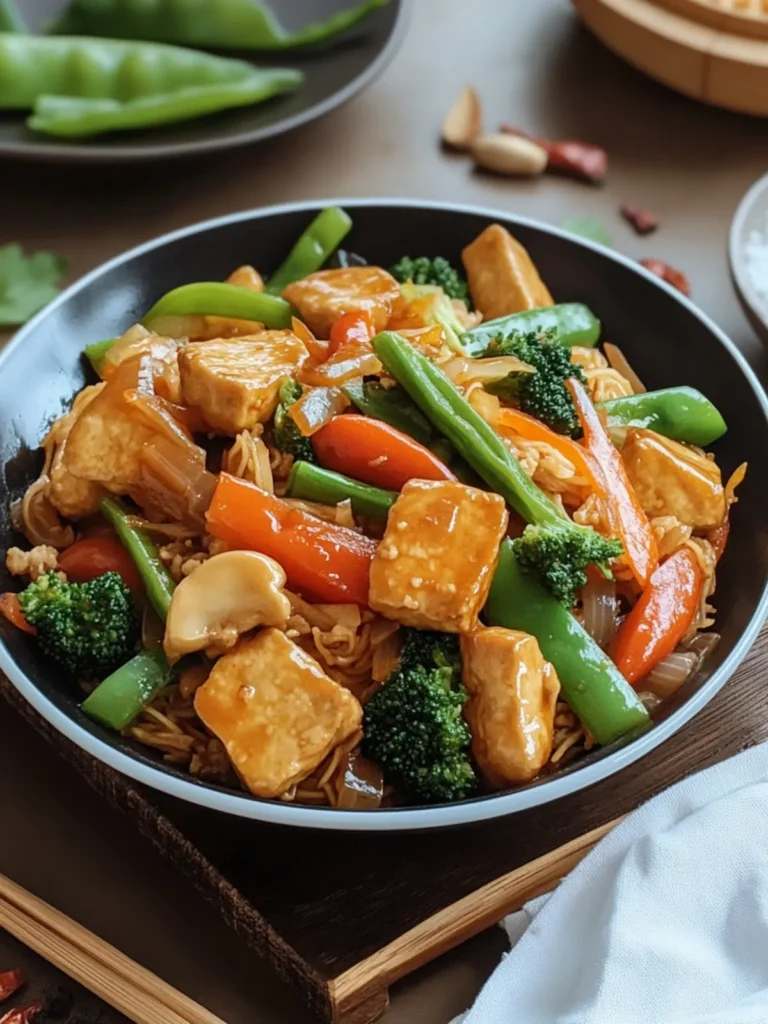
Buddha’s Delight (Chinese Vegetarian Stir-Fry) Recipe FAQs
How do I select the perfect tofu for Buddha’s Delight?
Absolutely! For the best results, choose firm or extra-firm tofu, as it holds its shape better during cooking. Look for tofu with a clean, fresh smell and a firm texture; avoid any packages with dark spots or excess moisture. If you’re unsure, pressing the tofu for at least 15 minutes will ensure it becomes denser and absorbs flavors beautifully during stir-frying.
How should I store leftovers of Buddha’s Delight?
Very easily! Store any leftover Buddha’s Delight in an airtight container in your refrigerator for up to 3 days. To ensure it stays fresh, avoid leaving it at room temperature for prolonged periods. When you’re ready to enjoy it again, simply reheat in a skillet over medium heat, adding a splash of vegetable broth or water to keep it moist.
Can I freeze Buddha’s Delight?
Yes, you can! To freeze, portion your Buddha’s Delight into freezer-safe containers, making sure to leave a little space for expansion. It will keep well in the freezer for up to 2 months. When you want to enjoy it again, thaw it overnight in the refrigerator. For reheating, gently warm it in a skillet, adding a splash of water or broth as needed to restore the dish’s original texture and flavor.
What can I do if my vegetables are overcooked in the stir-fry?
Oh no! If you find your vegetables are overcooked, use them in a soup or blended sauce; they can still be repurposed deliciously! To avoid this in the future, keep an eye on the cooking time and ensure you are using high heat during stir-frying. Don’t hesitate to remove the veggies when they’re vibrantly colored — they will continue to cook slightly after being taken off the heat.
Are there any allergy considerations for Buddha’s Delight?
Definitely! If you or anyone you’re serving has allergies, check the labels of sauces carefully, as they may contain gluten or other allergens. For a gluten-free option, use tamari instead of regular soy sauce. Additionally, ensure that any store-bought vegetable broth or sauces do not include ingredients you want to avoid. Always customize the recipe based on your dietary needs.
Can I add additional vegetables to my Buddha’s Delight?
The more, the merrier! Feel free to customize your Buddha’s Delight with seasonal vegetables such as bell peppers, zucchini, or asparagus. Just make sure to adjust the cooking times accordingly so that all the veggies are crisp and delicious. Don’t hesitate to experiment with your favorites to create a delightful and nutritious stir-fry!
Buddha's Delight: Vibrant Chinese Vegetarian Stir-Fry Recipe
Ingredients
Equipment
Method
- Press tofu: Place firm tofu on a clean kitchen towel or paper towels and gently press for about 15 minutes to remove excess moisture. Preheat your oven to 180°C (350°F).
- Bake tofu: Cut the pressed tofu into cubes and arrange them on a baking sheet. Bake for 15-20 minutes until golden brown, flipping halfway through. Alternatively, pan-fry for a quicker method.
- Soak mushrooms: Soak dried shiitake mushrooms and cloud ear fungus in warm water for about 20 minutes until softened, then slice them into bite-sized pieces.
- Chop vegetables: Prepare your fresh vegetables by chopping the napa cabbage, bok choy, and snow peas as needed.
- Mix the sauce: Whisk together light soy sauce, dark soy sauce, vegetarian oyster sauce, and vegetable broth in a small bowl.
- Sauté aromatics: Heat vegetable oil in a wok over medium-high heat. Add minced garlic and grated ginger, sautéing for about 30 seconds until fragrant.
- Add mushrooms and crunchies: Toss in the sliced mushrooms, bamboo shoots, baby corn, and cloud ear fungus. Stir-fry for 2-3 minutes.
- Incorporate greens: Add bok choy, napa cabbage, and snow peas, stir-frying for another 2 minutes until just wilted.
- Pour in sauce: Carefully pour your prepared sauce mixture into the wok, then add the baked tofu. Let everything simmer together for about 2 minutes.
- Thicken the sauce: Mix cornstarch with a little water to create a slurry. Stir this into the wok and cook for an additional 1-2 minutes until the sauce is glossy and thickened.
- Finish with sesame oil: Drizzle sesame oil over the dish and serve warm alongside steamed rice or noodles!