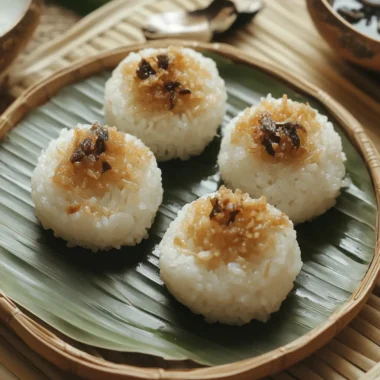
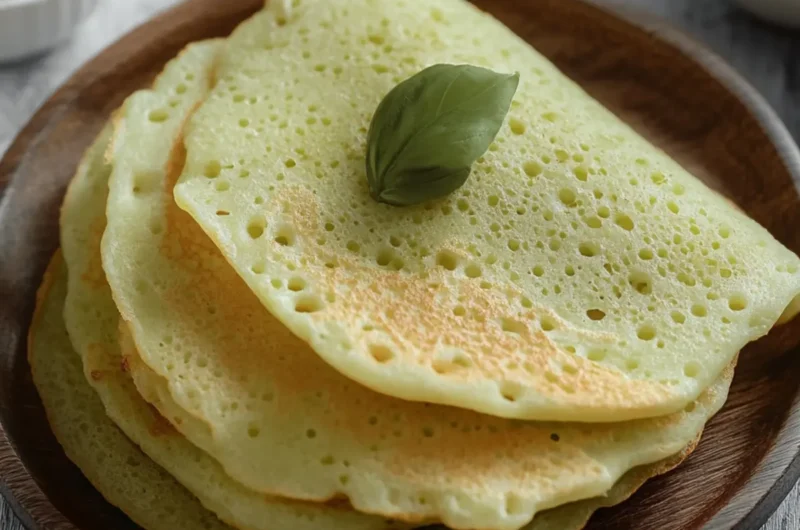
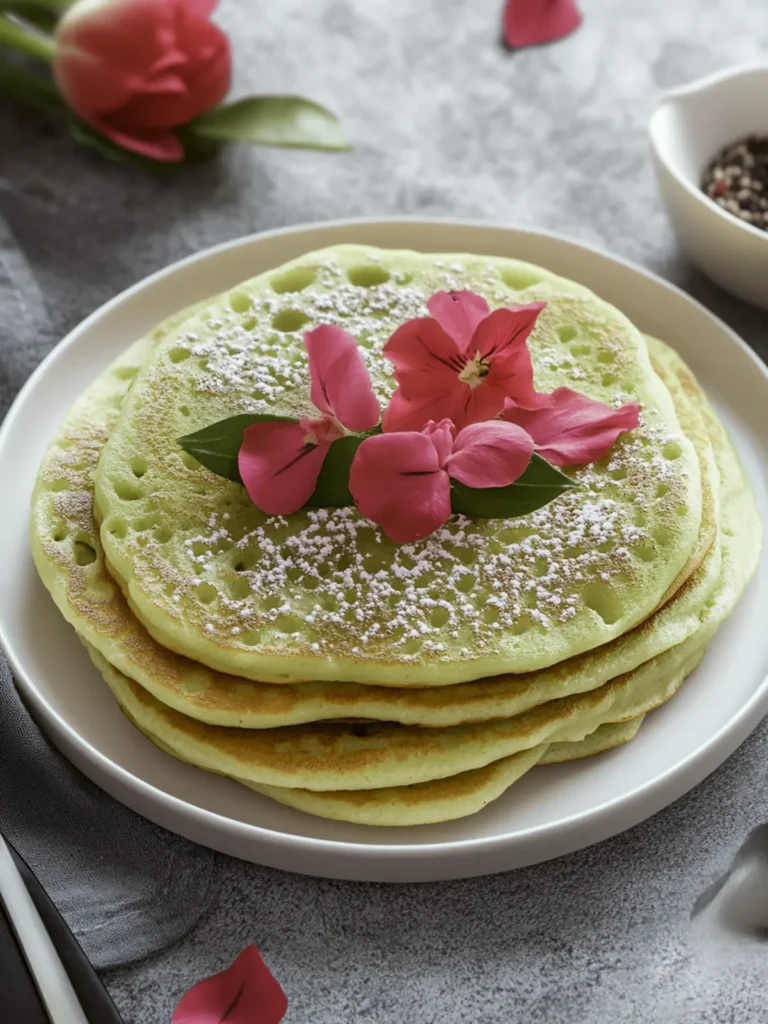
The first time I tasted Serabi, I was transported to the vibrant streets of Indonesia, where the aroma of coconut and warm pancakes mingled in the air. These delightful Indonesian pancakes, with their slightly crispy edges and soft, spongy center, are not only a treat for the taste buds but also a heartwarming nod to traditional culinary practices. Imagine a lazy Sunday morning or a cozy afternoon snack, where the rich flavor of coconut milk calls out to be savored.
Whether you opt for the sweet Serabi Manis drizzled with luscious coconut sugar syrup, or the savory Serabi Asin topped with vibrant vegetables, each bite carries the essence of Indonesian heritage. And the best part? They’re surprisingly easy to make, transforming simple ingredients like rice flour and coconut milk into a flavorful masterpiece. So, let’s roll up our sleeves and dive into the magic of crafting these scrumptious pancakes that promise to delight and transport you to a world of rich flavors and cozy moments.
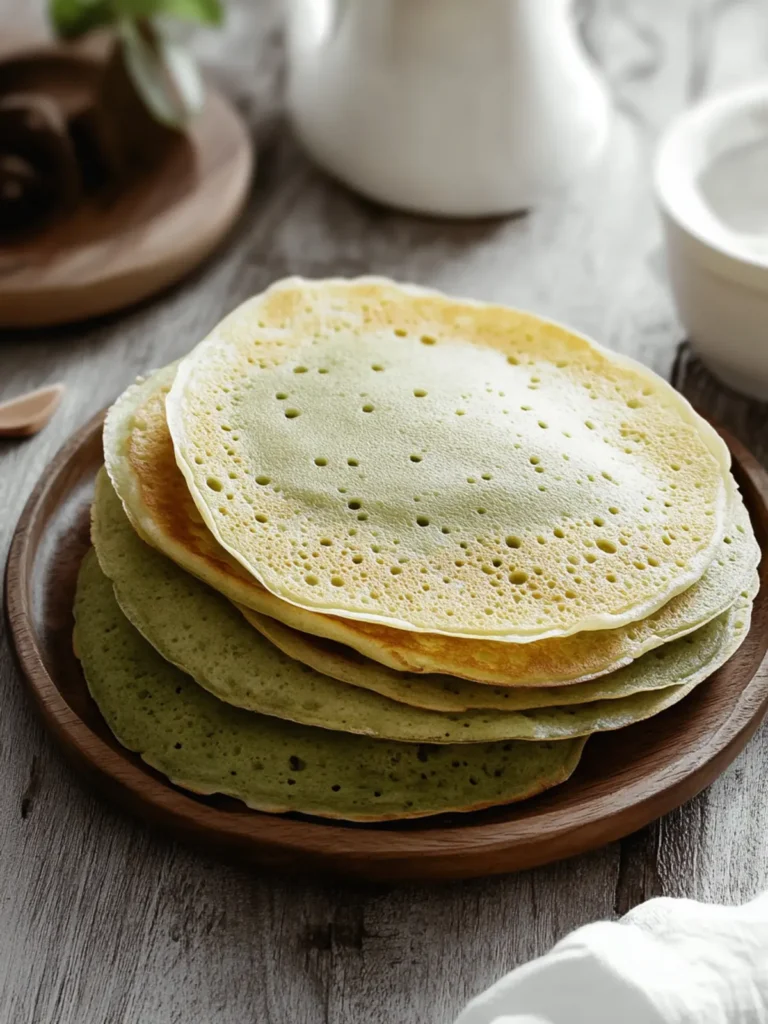
Why love Serabi (Indonesian Pancakes)?
Delightful Experience: With their crispy edges and soft, spongy center, Serabi pancakes create a unique texture that will tantalize your taste buds.
Authentic Flavor: Infused with coconut milk, each bite carries a rich, aromatic essence that is unmistakably Indonesian.
Easy to Make: This recipe uses simple ingredients like rice flour, making it accessible for both novice and experienced home cooks.
Versatile Options: Whether you crave the sweetness of Serabi Manis or the savoriness of Serabi Asin, this recipe caters to both preferences.
Cultural Touch: Bring a taste of Indonesia to your kitchen, impressing friends and family with these traditional pancakes!
Serabi (Indonesian Pancakes) Ingredients
For the Pancakes
- Rice Flour – Provides structure and chewiness to the pancake; vital for texture.
- Plain Flour – Adds softness and balance; can be substituted with all-purpose flour if needed.
- Instant Yeast – Helps the batter rise, ensuring a light and airy texture; substitute with baking powder if necessary, but the final pancake may differ.
- Sugar – Enhances sweetness and aids in browning; for an authentic flavor, use coconut sugar.
- Salt – Balances sweetness and enhances overall flavors; no substitutes recommended.
- Coconut Milk (Thick) – Adds richness and moisture; use warm, not hot, for the best results.
- Water – Adjust to achieve the desired thinness of your batter.
For the Syrup
- Coconut Sugar – Sweetens the syrup while providing a distinct, rich flavor; can substitute with palm sugar.
- Thin Coconut Milk – Creates a syrupy texture; if unavailable, regular coconut milk can work.
- Pandan Leaf – Adds a fragrant aroma to the syrup; while optional, it enhances authenticity.
Whether you choose to make Serabi Manis or Serabi Asin, these Serabi (Indonesian Pancakes) will transport you straight to the heart of Indonesia with every delightful bite!
How to Make Serabi (Indonesian Pancakes)
-
Prepare Yeast Mixture: In a bowl, combine warm coconut milk, sugar, and yeast. Let it sit for about 10 minutes until frothy, creating a lively base for your batter.
-
Mix Dry Ingredients: Sift together the rice flour, plain flour, and salt in a large bowl. This helps to evenly distribute the ingredients and ensures a smooth, lump-free batter.
-
Combine Mixtures: Gradually stir the yeast mixture into the flour mix, adding water until the batter reaches a thick yet pourable consistency. It should feel smooth and silky to the touch.
-
Rest Batter: Cover the bowl with a cloth and let the batter rise for 1 hour, or until it appears bubbly and expanded, showing how well the yeast has worked its magic.
-
Make Syrup: In a saucepan, gently simmer coconut sugar, thin coconut milk, pandan leaf, and a pinch of salt until dissolved. Strain and set this fragrant syrup aside to infuse with sweetness.
-
Cook Pancakes: Heat a clay or non-stick pan over medium heat. Ladle the batter into the center, cover, and cook until bubbles form and the top is set, about 3-5 minutes. Do not flip, as they cook from the top!
-
Serve: Drizzle warm kinca syrup over the pancakes or serve it in a bowl for dipping. For that authentic touch, garnish with grated coconut or your favorite toppings.
Optional: Serve on banana leaves for a traditional presentation.
Exact quantities are listed in the recipe card below.
Expert Tips for Serabi (Indonesian Pancakes)
- Pan Preparation: Preheat the pan properly before adding the batter; this ensures that your Serabi cook evenly and develop those crispy edges you seek.
- Avoid Flipping: Resist the urge to flip the pancakes; they cook perfectly from the top, achieving that soft and airy texture without needing to turn.
- Batter Consistency: Make sure the batter is thick yet pourable; adjusting the water for the right consistency is key to perfect Serabi.
- Toppings Galore: Get creative with your toppings! From sweet coconut sugar syrup to savory options like spring onions, the variations are endless and fun to explore.
- Storage Wisely: To enjoy leftovers, store cooked Serabi loosely covered in an airtight container; reheat them gently to keep that delightful texture intact.
Variations & Substitutions for Serabi (Indonesian Pancakes)
Feel free to explore these exciting twists and secrets to make your Serabi even more delightful!
- Sugar Swap: Replace sugar with honey or maple syrup for a unique sweetness that adds its character.
- Coconut Milk Alternatives: Use almond or oat milk to create a lighter version while still enjoying a delicately sweet pancake.
- Extra Flavor: Mix in 1-2 tablespoons of cocoa powder to the batter for a chocolatey delight; perfect for afternoon treats!
- Savory Twist: Add finely chopped vegetables like spinach or bell peppers to the batter for a savory version of Serabi Asin.
- Nutty Goodness: Sprinkle in finely chopped nuts like walnuts or pistachios for a delightful crunch and added richness in every bite.
- Herb Infusion: Incorporate minced herbs such as cilantro or basil into the batter for an aromatic and refreshing flavor profile.
- Heat Factor: Spice things up by adding a pinch of chili powder to the syrup or batter, creating a delightful contrast with sweetness.
- Fruit Topping: Top your Serabi with fresh fruits like sliced bananas or berries for a burst of freshness and beautiful presentation.
Each variation invites a new adventure; don’t hesitate to get creative and find your perfect combination!
Storage Tips for Serabi (Indonesian Pancakes)
- Room Temperature: Freshly cooked Serabi can be kept at room temperature for up to 1 hour; cover them loosely with a cloth to maintain softness.
- Fridge: Store any leftovers in an airtight container in the fridge for up to 2 days. This helps preserve their delightful texture and flavor.
- Freezer: For longer storage, freeze cooked Serabi in layers separated by parchment paper in an airtight container for up to 2 months.
- Reheating: Gently reheat in a microwave for 15-20 seconds or warm in a pan until heated through, ensuring they remain tender and enjoyable. Enjoy your Serabi!
Make Ahead Options
These Serabi (Indonesian Pancakes) are perfect for meal prep enthusiasts! You can easily prepare the batter up to 24 hours in advance; just store it in the refrigerator to keep it fresh. Be sure to cover the bowl tightly to prevent any drying out. Additionally, you can make the kinca syrup a day ahead, allowing the flavors to meld beautifully—simply refrigerate it and reheat gently before serving. When ready to cook the pancakes, let the batter sit for about 15 minutes at room temperature, then ladle it into your heated pan. This way, you’ll enjoy delicious, fluffy Serabi with minimal effort on busy weeknights!
What to Serve with Serabi (Indonesian Pancakes)?
Imagine the delightful aroma of warm pancakes filling your kitchen as you choose the perfect companions for your Serabi experience.
-
Fresh Fruit Salad: A vibrant mix of tropical fruits like mango, banana, and pineapple adds a refreshing sweetness, balancing the pancakes.
-
Coconut Chutney: This delightful dip enhances the richness of the Serabi, while providing a hint of spice for an exciting flavor contrast.
-
Steamed Vegetables: Lightly seasoned greens or mixed vegetables can provide a savory touch alongside the sweet pancakes, creating a well-rounded meal.
-
Javanese Coffee: A cup of this aromatic coffee perfectly complements the soft texture of Serabi, making for a warm and comforting breakfast experience.
-
Matcha Green Tea: The earthy notes of matcha bring an intriguing depth to the meal, allowing your taste buds to dance with delight!
-
Coconut Milk Smoothie: Creamy and rich, this smoothie adds further coconut goodness, enhancing the pancake’s flavors for a tropical delight.
-
Chili Sambal: For those who crave a bit of heat, a spoonful of chili sambal will infuse a tasty kick, elevating your Serabi from breakfast to a culinary adventure.

Serabi (Indonesian Pancakes) Recipe FAQs
What type of rice flour should I use for Serabi?
You should use glutinous rice flour for the best texture. It gives Serabi its chewy characteristic and is vital for the delightful bite. Other types may alter the final outcome, so I recommend sticking to this specific flour!
How long can I store leftover Serabi pancakes?
Leftover Serabi can be stored in an airtight container in the fridge for up to 2 days. To keep them soft, make sure to cover them gently. Just gently reheat them before serving to bring back that delightful texture!
Can I freeze Serabi pancakes for later use?
Absolutely! To freeze, place cooked Serabi pancakes in layers separated by parchment paper in an airtight container. They can last for up to 2 months. When ready to enjoy, simply reheat them in the microwave for 15-20 seconds, or warm them in a non-stick pan until steaming.
What if my Serabi batter doesn’t rise?
If your batter fails to rise, it may be due to the yeast being inactive. Be sure to check the expiration date on the yeast packet. When activating the yeast, ensure that the coconut milk is warm but not hot, as hot temperatures can kill the yeast. Allow it to sit undisturbed for your mixture to become frothy before mixing.
Are there any dietary considerations for Serabi pancakes?
Yes, be cautious with dietary restrictions. For those with gluten sensitivities, ensure you’re using pure rice flour, which is naturally gluten-free. If you are serving this dish to pets, it’s best to minimize use as many ingredients (like coconut sugar) may not be suitable. Always consult with a broader allergy list for any personal needs.
Can I use regular all-purpose flour in the recipe?
While I understand that it may be tempting, for this Serabi recipe, I recommend using both rice flour and plain flour. The rice flour is essential for the unique chewy texture, while the plain flour provides balance. If necessary, you can try replacing plain flour with all-purpose, but it will change the pancakes’ texture.

Delicious Serabi: Create Authentic Indonesian Pancakes at Home
Ingredients
Equipment
Method
- In a bowl, combine warm coconut milk, sugar, and yeast. Let it sit for about 10 minutes until frothy.
- Sift together the rice flour, plain flour, and salt in a large bowl.
- Gradually stir the yeast mixture into the flour mix, adding water until the batter reaches a thick yet pourable consistency.
- Cover the bowl with a cloth and let the batter rise for 1 hour, or until bubbly and expanded.
- Heat a clay or non-stick pan over medium heat. Ladle the batter into the center and cover.
- Cook until bubbles form and the top is set, about 3-5 minutes.
- Serve drizzled with warm kinca syrup or in a bowl for dipping.
- In a saucepan, gently simmer coconut sugar, thin coconut milk, pandan leaf, and a pinch of salt until dissolved. Strain and set aside.