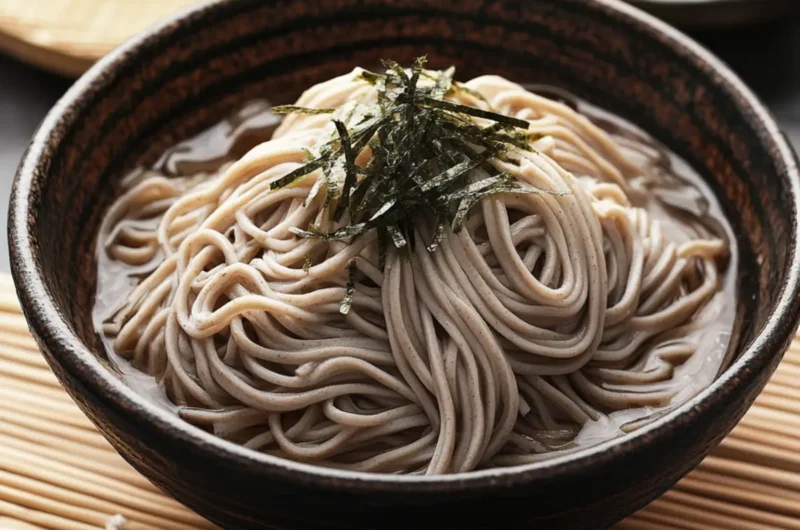
There’s a certain pleasure in whipping up a dish that perfectly balances simplicity and depth, and that’s exactly what you’ll discover with this Chilled Soba Noodles and Tsuyu Dipping Sauce recipe. Just imagine the cool, silky strands of buckwheat noodles gliding through your fingers, their nutty flavor harmonizing beautifully with a drizzle of umami-rich tsuyu. Whether it’s a warm summer day or a cozy evening in, these noodles deliver comfort in every bite.
I stumbled upon this gem while seeking a healthier, gluten-free alternative to my usual pasta routine, and it quickly became a favorite for its ease and vibrant taste. The refreshing cold noodles, paired with a homemade dipping sauce that can be whipped up in minutes, make for a perfect meal that’s sure to impress family and friends alike. So, let’s dive into the world of Japanese soba and enjoy a dish that not only pleases the palate but also nourishes the soul!
Why will you love Japanese Soba noodles?
Simplicity: This dish comes together effortlessly, making it a great choice for busy weeknights or spontaneous gatherings.
Gluten-Free Delight: Using 100% buckwheat, these noodles are perfect for gluten-sensitive diets without sacrificing flavor.
Umami Punch: The tsuyu dipping sauce, with its mix of salty, sweet, and savory notes, elevates the dish to something truly special.
Versatility: Customize your dish by adding your favorite toppings—tempura, fresh veggies, or even proteins—tailoring it to your taste!
Refreshing: Perfectly chilled, these noodles offer a delightful reprieve in hot weather, while still being comforting on cooler days.
Crowd-Pleaser: Whether it’s a casual family dinner or an elegant gathering, these soba noodles are sure to impress your guests!
Japanese Soba Ingredients
• For the Noodles
- Dried Soba Buckwheat Noodles – These are the star of the dish, giving it that delightful chewy texture. Look for juwari soba for a gluten-free option.
- Water – Essential for boiling the noodles; make sure it’s at a rolling boil for perfect results.
• For the Tsuyu Dipping Sauce
- Tsuyu Soba Dipping Sauce – You can buy this pre-made or prepare it at home for a fresh take!
- Mirin – Adds a touch of sweetness to balance the saltiness; substitute with honey or sugar if needed.
- Soy Sauce – Offers depth of flavor; opting for low-sodium soy sauce can make your dish healthier.
- Bonito Flakes – Optional ingredient for an authentic umami boost; omit for a vegetarian version.
• For Garnishing
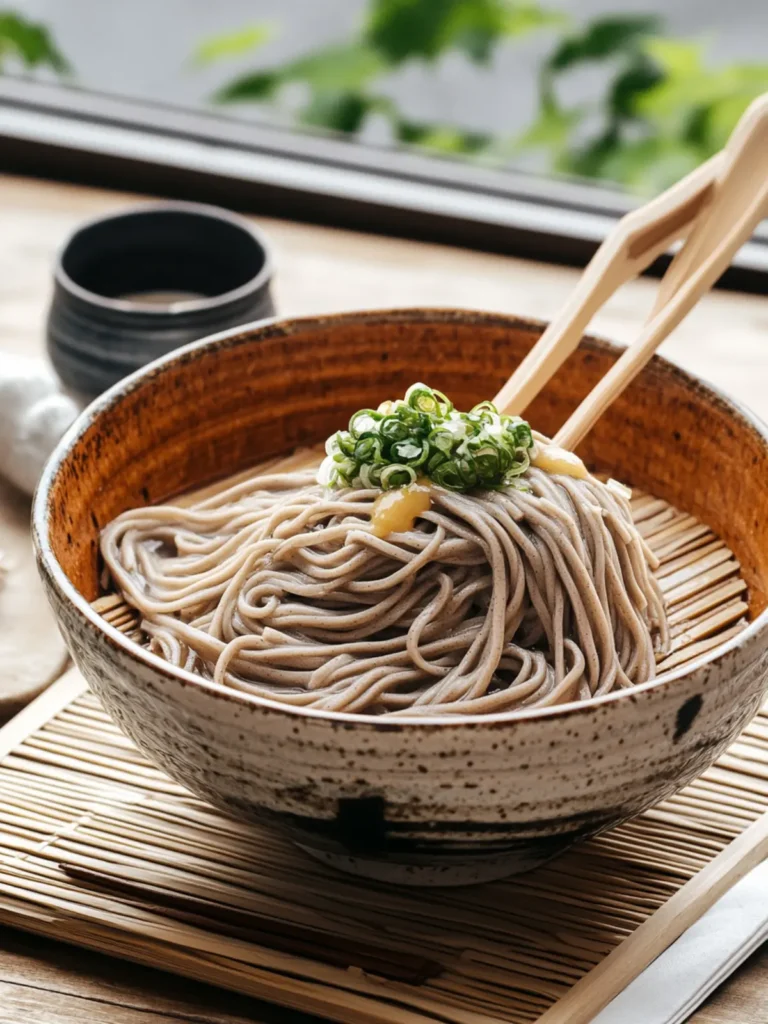
- Thinly Sliced Green Onions – Adds a fresh crunch, enhancing the visual appeal and taste of your dish.
- Wasabi Paste – A small amount can provide just the right kick if you enjoy a bit of heat!
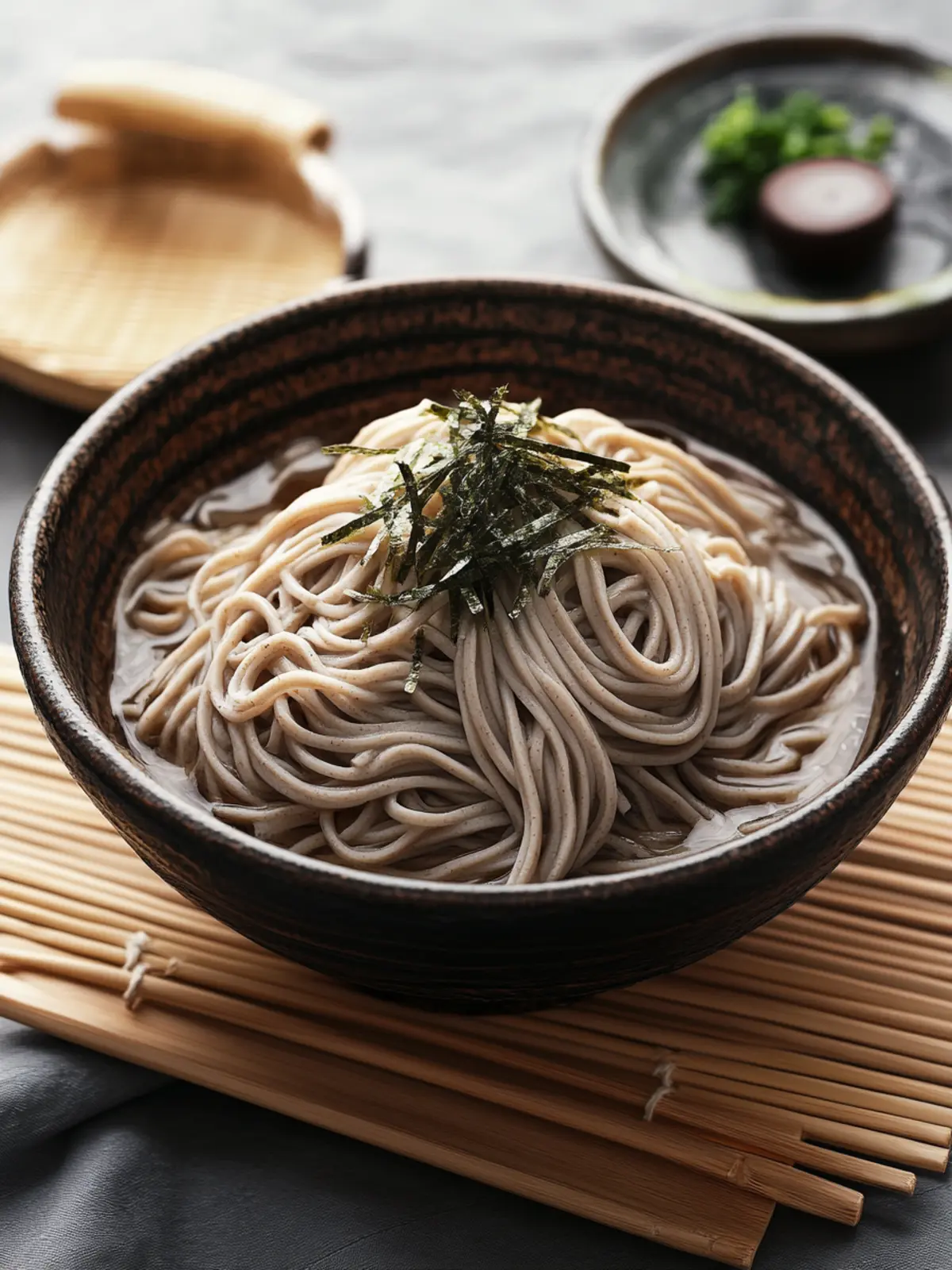
- Nori Seaweed – Cut into strips, it adds a subtle umami element and slightly chewy texture but can be left out if unavailable.
• For Chilling
- Ice Cubes – Use in an ice bath to quickly chill the noodles for that refreshing touch.
How to Make Japanese Soba Noodles
-
Prepare Tsuyu: In a saucepan, combine water, mirin, soy sauce, and bonito flakes. Heat gently, stirring, until it simmers, then strain out the flakes and let it cool.
-
Boil Noodles: Bring a pot of water to a rolling boil. Add the soba noodles, stirring occasionally to prevent sticking. Cook for 5-7 minutes until tender but firm.
-
Ice Bath: While the noodles are cooking, fill a bowl with cold water and ice cubes to create an ice bath. This will help chill the noodles quickly.
-
Chill Noodles: Once cooked, strain the noodles and rinse them under cold water. Immediately transfer them into the ice bath for a few minutes.
-
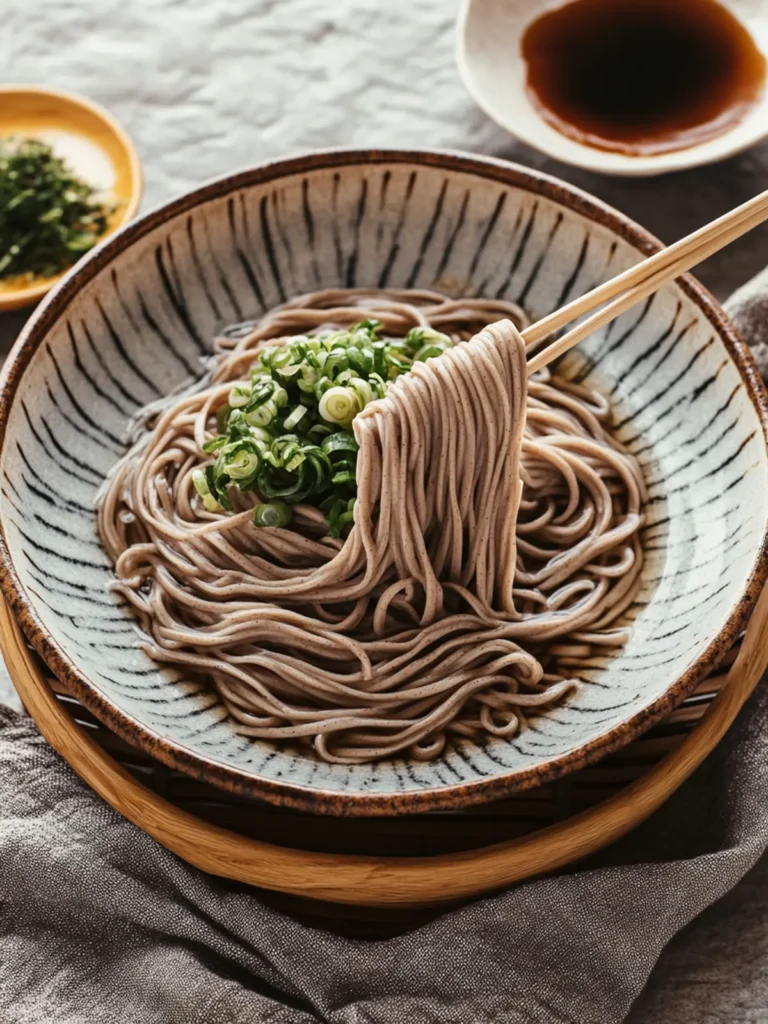
Serve: Drain the chilled noodles well and plate them beautifully. Serve alongside the tsuyu dipping sauce and garnish with green onions, nori strips, and optional wasabi for extra flavor.
Optional: Serve with tempura for a complete meal!
Exact quantities are listed in the recipe card below.
Expert Tips for Japanese Soba Noodles
- Rinse Thoroughly: Rinsing the soba noodles after cooking removes excess starch, which ensures a smooth texture and prevents clumping.
- Water Temperature: Always start with a rolling boil before adding the soba to prevent them from becoming mushy.
- Chill Efficiently: An ice bath is crucial for quickly cooling the noodles; it helps retain their firm texture and vibrant appearance.
- Sauce Balance: If making homemade tsuyu, adjust the mirin and soy sauce ratio to suit your taste; not too sweet, not too salty!
- Creative Customization: Feel free to add seasonal vegetables or proteins to your dish, creating a heartier meal while keeping it all about those delicious Japanese soba noodles!
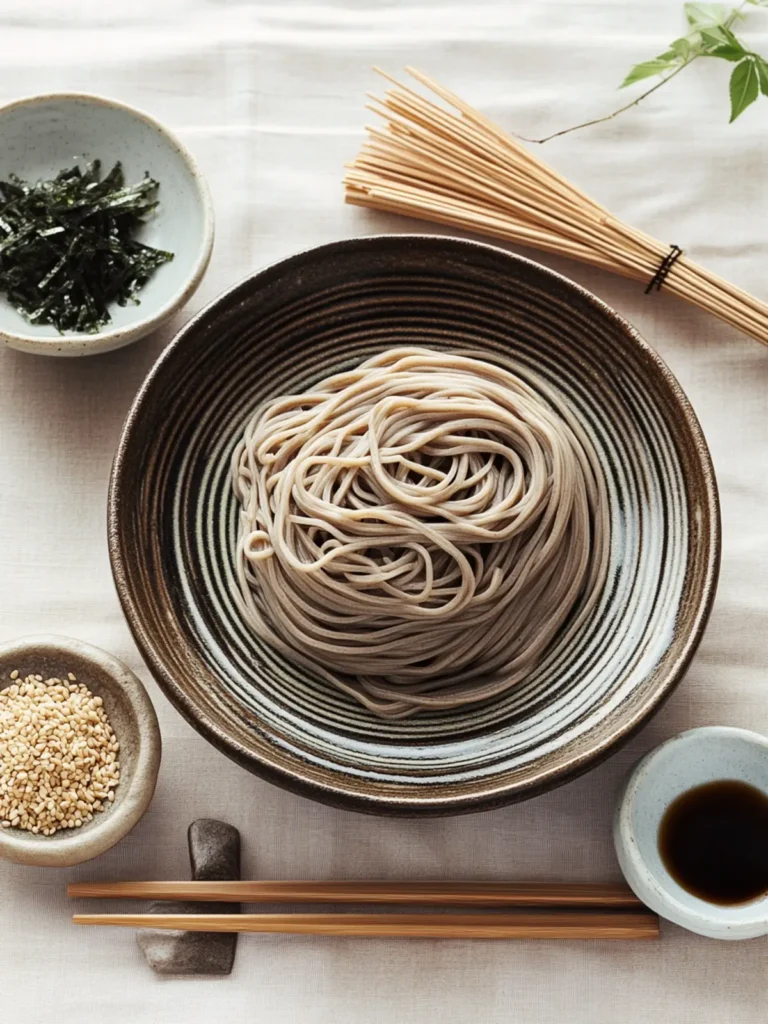
- Presentation Matters: Using a bamboo mat (zaru) for serving can elevate the dish’s look and enhance your dining experience.
Variations & Substitutions for Japanese Soba
Feel free to personalize your soba noodles and dipping sauce to suit your taste and dietary needs!
- Gluten-Free Noodles: Use 100% buckwheat soba (juwari soba) for a gluten-free twist while maintaining that authentic taste.
- Vegetarian Tsuyu: Simply omit bonita flakes from your homemade tsuyu, and add an extra splash of soy sauce for depth.
- Extra Crunch: Add a sprinkle of toasted sesame seeds or crushed peanuts on top for a delightful crunch and nutty flavor.
- Spicy Kick: Mix in a bit of chili oil or Sriracha to the tsuyu to spice things up and give your dipping sauce a fiery twist.
- Zesty Citrus: Squeeze a few drops of fresh lime or yuzu juice over the noodles before serving for a refreshing citrus flavor.
- Soba Salad: Toss the cooled soba noodles with assorted vegetables and a sesame dressing for a nourishing noodle salad variation.
- Noodle Alternatives: Swap soba with other noodle types such as rice noodles for different textures while keeping it gluten-free.
- Garnish Galore: Experiment with various toppings like shredded carrots, thinly sliced radish, or even grilled shrimp for added flair!
Explore these variations and let your creativity shine as you enjoy homemade soba in countless delightful ways!
How to Store and Freeze Japanese Soba Noodles
Fridge: Store leftover soba noodles in an airtight container for up to 3 days. To maintain their texture, drizzle a little olive oil to prevent sticking before sealing.
Freezer: While it’s best to enjoy soba noodles fresh, you can freeze them for up to 1 month. Make sure they are completely cooled, then place in freezer bags and remove excess air.
Reheating: To reheat, simply plunge frozen noodles into boiling water for 1-2 minutes until warmed through—no need to thaw! This will help preserve the chewy texture that makes Japanese soba so delightful.
Sauce Storage: If you have leftover tsuyu dipping sauce, store it in the refrigerator in a sealed container for up to a week. Give it a quick stir before serving again!
What to Serve with Chilled Soba Noodles with Homemade Tsuyu Dipping Sauce?
Creating a meal that excites the senses and complements the luscious taste of soba noodles is an art in itself.
-
Crispy Tempura: The light, crunchy texture of tempura adds an exciting contrast, making every bite a delightful experience. Pair with a drizzle of salt or your leftover tsuyu for a flavorful combination!
-
Pickled Vegetables: A serving of tangy pickles invigorates the palate, enhancing the dish’s freshness. Their vibrant colors and flavors introduce a refreshing zing between bites of soba, creating a harmonious balance.
-
Chilled Edamame: These gently salted soybeans provide a satisfying crunch and protein-rich kick. Their mild flavor helps cleanse the palate, making them an ideal companion to the rich umami of the tsuyu sauce.
-
Seaweed Salad: With its slight saltiness and tender texture, seaweed salad acts as a perfect match. This dish mirrors the flavors of the soba while enriching the overall meal with additional nutrients.
-
Sesame Spinach Salad: Lightly dressed with soy sauce, sesame oil, and toasted sesame seeds, this salad encapsulates freshness and depth. The earthy notes of spinach beautifully complement the nutty taste of the buckwheat noodles.
-
Chardonnay or Sparkling Sake: A chilled glass complements the soba’s subtle complexity, enhancing the dining experience. The crispness of these beverages refreshes the mouth between servings.
Make Ahead Options
These Chilled Soba Noodles with Homemade Tsuyu Dipping Sauce are a fantastic choice for meal prep lovers! You can prepare the tsuyu dipping sauce up to 3 days in advance and store it in an airtight container in the refrigerator. Additionally, cook the soba noodles up to 24 hours ahead of time; rinse them well under cold water and refrigerate, making sure to toss them lightly with a bit of oil to prevent sticking. When you’re ready to serve, simply re-chill the noodles in ice water briefly and plate them alongside the prepared tsuyu sauce for a refreshing meal that is just as delicious as when freshly made!
Japanese Soba Noodles with Tsuyu Dipping Sauce Recipe FAQs
How do I select the best dried soba noodles?
Absolutely! When choosing dried soba noodles, look for ones made from 100% buckwheat (juwari soba) for a gluten-free option. Check the ingredients list to avoid blends with wheat flour. The noodles should also be a rich brown color, indicating high-quality buckwheat content. If you can, opt for brands that are labeled as organic, ensuring you’re getting the best flavor and nutritional value.
How should I store leftover soba noodles?
Very! You can store leftover soba noodles in an airtight container in the refrigerator for up to 3 days. To keep them from sticking together, drizzle a little olive oil over the noodles before sealing. If you notice any excess moisture, try placing a paper towel inside the container to absorb it, keeping the noodles fresh.
Can I freeze soba noodles?
Absolutely! To freeze soba noodles, first ensure they are completely cool. Place them in a freezer bag, removing excess air before sealing. They can be frozen for up to 1 month. When you’re ready to enjoy them, there’s no need to thaw—just plunge them into boiling water for 1-2 minutes until warmed through to maintain that delightful texture!
What should I do if my soba noodles become mushy?
Oh no! If this happens, it usually means they were overcooked or not rinsed properly after boiling. Cooking them for too long can lead to a gummy texture. To avoid this, always keep an eye on your cooking time (5-7 minutes should be perfect) and make sure to rinse the noodles thoroughly under cold water after draining them to remove excess starch. If they do get mushy, they can still be salvaged by adding them to stir-fries rather than serving cold.
Are there any dietary considerations I should be aware of?
Definitely! If you’re cooking for someone with a soy allergy, consider using a gluten-free tamari soy sauce or a coconut aminos substitute for the tsuyu sauce. Also, for vegetarians or vegans, skip the bonito flakes in the tsuyu and simply enhance it with more mirin and soy sauce for depth. Always make sure your soba noodles are labeled gluten-free if that’s a concern, especially since some brands might mix buckwheat with wheat flour.
How long can I keep leftover tsuyu dipping sauce?
Very! You can store leftover tsuyu sauce in the refrigerator for about a week. Just pour it into a sealed container, and give it a quick stir before using it again, as the ingredients may separate over time. If you’ve made it without the bonito flakes, it will last even longer since the fish component typically reduces shelf life.
Delicious Japanese Soba Noodles with Easy Tsuyu Dipping Sauce
Ingredients
Equipment
Method
- Prepare Tsuyu: In a saucepan, combine water, mirin, soy sauce, and bonito flakes. Heat gently, stirring, until it simmers, then strain out the flakes and let it cool.
- Boil Noodles: Bring a pot of water to a rolling boil. Add the soba noodles, stirring occasionally to prevent sticking. Cook for 5-7 minutes until tender but firm.
- Ice Bath: While the noodles are cooking, fill a bowl with cold water and ice cubes to create an ice bath. This will help chill the noodles quickly.
- Chill Noodles: Once cooked, strain the noodles and rinse them under cold water. Immediately transfer them into the ice bath for a few minutes.
- Serve: Drain the chilled noodles well and plate them beautifully. Serve alongside the tsuyu dipping sauce and garnish with green onions, nori strips, and optional wasabi for extra flavor.