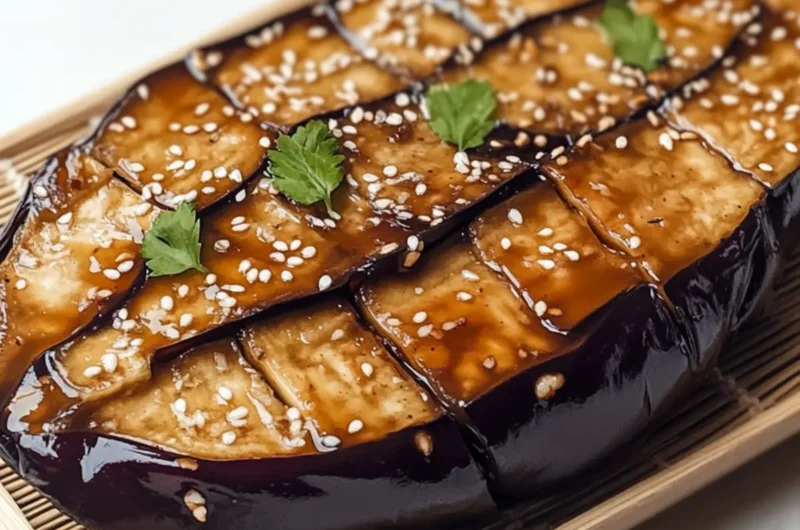
As the sun dips below the horizon and the golden hour’s warm glow fills my kitchen, the irresistible scent of miso glaze begins to waft through the air. It reminds me of my first visit to a quaint Japanese restaurant, where I was introduced to the delicacy of Nasu Dengaku. This Miso Glazed Eggplant, with its velvety texture and rich umami flavor, quickly became a favorite. It’s a revelation that combines simplicity and sophistication seamlessly—perfect for those busy weeknights or leisurely weekend dinners.
What I love most about this dish is how it brings the essence of Japanese cuisine right to your table without all the fuss. In just 15 minutes, you can transform humble eggplants into a mouthwatering side dish that’s not only vegetarian but also low in calories. Whether you’re hosting friends or simply treating yourself, this savory-sweet delight is certain to impress. Join me as we dive into the world of Nasu Dengaku and discover how easy it is to recreate this classic recipe at home!
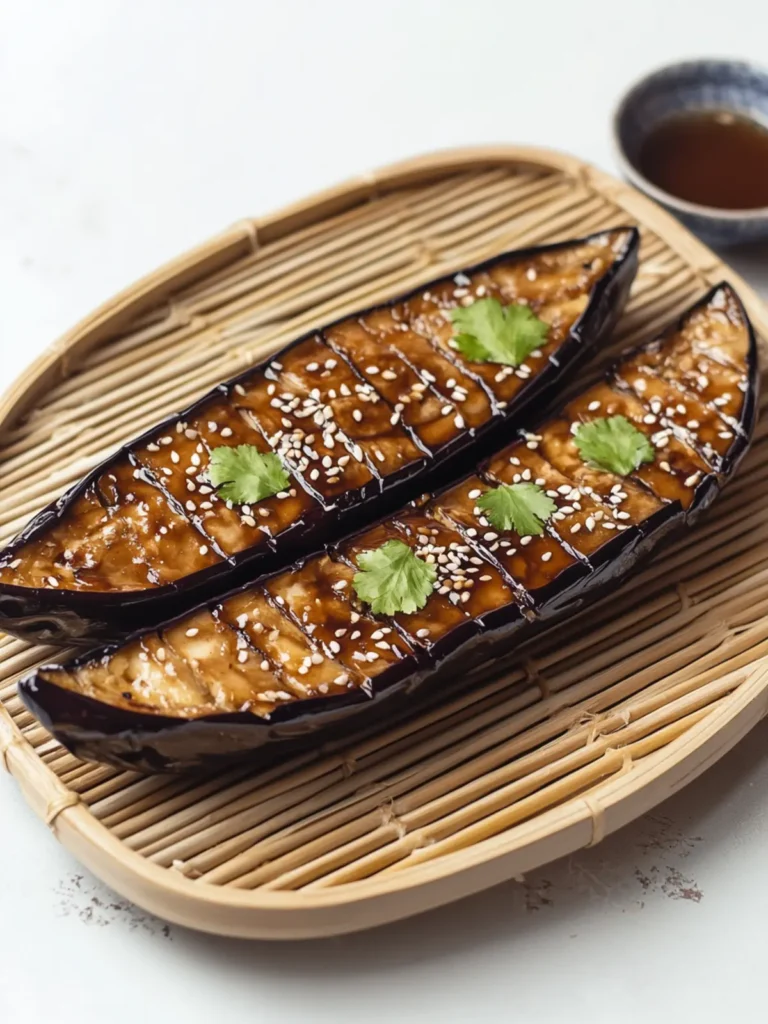
Why is Japanese Nasu Dengaku a Must-Try?
Simplicity: This Japanese Nasu Dengaku can be prepared in just 15 minutes, making it a perfect choice for busy weeknights.
Rich, Umami Flavor: The luscious miso glaze adds a depth of flavor that shines through every bite, creating a delightful balance of sweet and savory that you won’t forget.
Vegetarian Delicacy: As a vegetarian dish, it offers a wholesome option for plant-based diets, ensuring no one misses out on deliciousness.
Versatility: Serve it as an appetizer or a side dish; it pairs wonderfully with steamed rice, pickles, or miso soup for a complete Japanese meal.
Crowd-Pleasing: Its elegant presentation and rich flavors are sure to impress your guests, making it a favorite at dinner parties and gatherings.
Explore the ease of this casual yet sophisticated dish today!
Japanese Nasu Dengaku Ingredients
For the Eggplant
• Japanese Eggplants – Their tender flesh absorbs the miso glaze beautifully, though large Western eggplants can be a substitute.
• Vegetable Oil (2 tbsp) – Use for browning the eggplants; sesame oil can enhance the flavor.
For the Miso Glaze
• Miso Paste (3 tbsp) – Adds umami richness; opt for red miso for a deeper flavor, or white for milder taste.
• Mirin (2 tbsp) – Sweet rice wine that enhances the glaze’s sweetness; replace with sugar for a non-alcoholic option.
• Sugar (1 tbsp) – Balances the savory miso flavor; adjust according to your taste preference.
• Sake (1 tbsp, optional) – Adds depth to the glaze; feel free to omit for a non-alcoholic version.
• Soy Sauce (1 tsp) – Enhances overall flavor; use tamari for a gluten-free option.
• Sesame Oil (1 tsp, for glazing) – Adds a nutty aroma to the dish; can be omitted if unavailable.
For Garnish
• Sesame Seeds & Green Onions – These add texture and color to your Japanese Nasu Dengaku; they’re optional but recommended for presentation.
How to Make Japanese Nasu Dengaku
-
Preheat your oven to 400°F (200°C) to create an ideal environment for caramelizing the miso glaze and making the eggplants tender.
-
Slice the Japanese eggplants in half lengthwise, then score the flesh in a crosshatch pattern. This helps the glaze soak in, enhancing flavor.
-
Heat vegetable oil in a skillet over medium heat, placing the eggplants cut side down. Brown them for about 4-5 minutes until they turn a beautiful golden color.
-
Prepare the miso glaze by mixing the miso paste, mirin, sugar, sake (if using), soy sauce, and sesame oil in a bowl until it becomes a smooth mixture.
-
Transfer the browned eggplants to a baking tray, cutting side up. Spread the prepared miso glaze evenly over each half, ensuring maximum flavor.
-
Bake the eggplants in the oven for 10-12 minutes until they become tender and the glaze caramelizes beautifully. Keep an eye on them to prevent burning.
-
Let rest for a few minutes before serving to allow the flavors to deepen, then garnish with sesame seeds and chopped green onions for that perfect finish.
Optional: Add a touch of chili flakes for a delightful spicy kick!
Exact quantities are listed in the recipe card below.
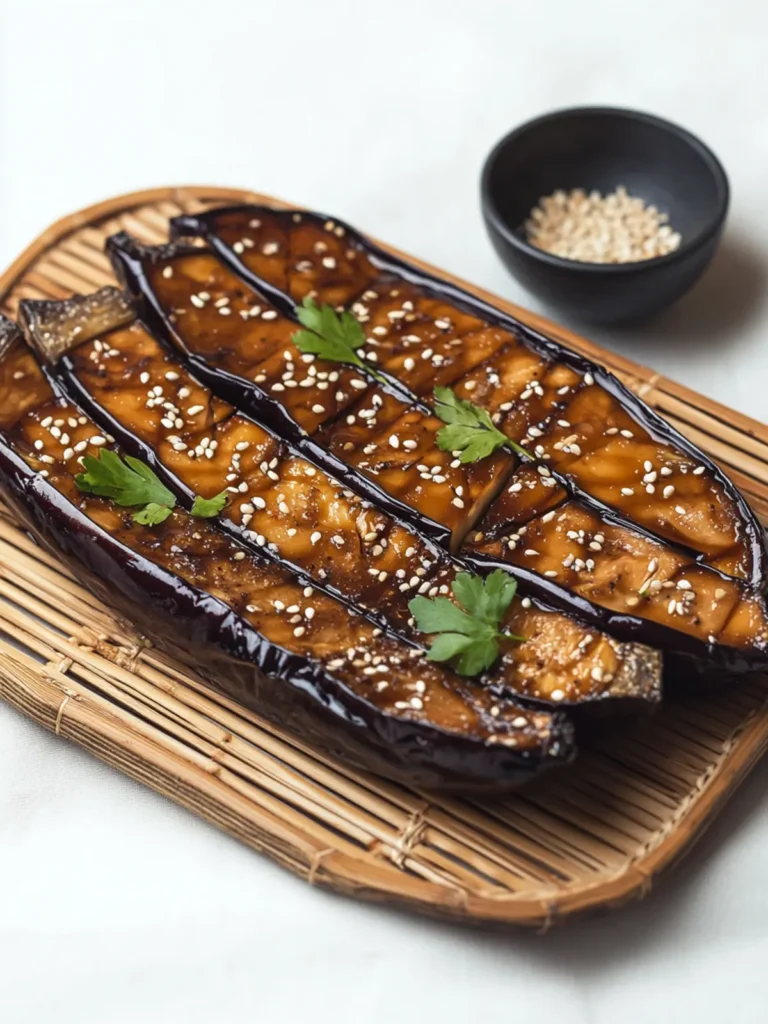
Make Ahead Options
These Japanese Nasu Dengaku (Miso Glazed Eggplant) are perfect for busy home cooks looking to save time during the week! You can prepare the miso glaze up to 3 days in advance; simply mix the miso paste, mirin, sugar, sake (if using), soy sauce, and sesame oil and store it in an airtight container in the refrigerator. To save even more time, you can slice and score the eggplants a day ahead; keep them in a bowl of water to prevent browning. When you’re ready to serve, just brown the eggplants, apply the glaze, and bake for 10-12 minutes. This method ensures that the eggplant stays tender and the dish is just as delicious, minimizing the effort so you can enjoy authentic flavors without the fuss!
Expert Tips for Japanese Nasu Dengaku
-
Score the Eggplant: Properly scoring the eggplant helps the miso glaze penetrate, ensuring maximum flavor absorption.
-
Watch the Glaze: The miso glaze should turn glossy and caramelized; keep an eye on it to prevent burning while baking the Japanese Nasu Dengaku.
-
Adjust Sweetness: Customize the sweetness of your glaze by modifying the amount of sugar or mirin according to your taste preferences.
-
Vegetable Substitutions: If you can’t find Japanese eggplants, large Western eggplants work too, but they may alter the texture slightly.
-
Garnish Creatively: Don’t skip the garnishes! Sesame seeds and green onions add visual appeal and enhance the overall experience of your dish.
Japanese Nasu Dengaku Variations
Feel free to customize this delightful dish to suit your taste, making each bite uniquely yours!
-
Spicy Kick: Add a sprinkle of chili flakes to the glaze for an extra layer of heat, elevating flavors to new heights. For those who love a little zing, this simple addition transforms the dish into a fiery sensation.
-
Herb Infusion: Mix in fresh herbs like cilantro or basil into the glaze for a fragrant twist that brightens the flavors. Combining these herbs can create a fresh and vibrant take on the traditional miso glaze.
-
Alternative Vegetables: Substitute zucchini or sliced tofu for a different texture while maintaining the wonderfully rich glaze. This option opens up possibilities for creating a delightful medley that showcases seasonal vegetables.
-
Nutty Flavor: Swap in tahini or peanut butter for a nutty twist on the glaze that adds depth and creaminess, balancing the miso’s umami. This unconventional choice offers a satisfying richness that bring new life to your palate.
-
Sweet Variation: Incorporate maple syrup or honey in place of sugar for a natural sweetness that subtly enhances the glaze. This swap lends a delightful twist that feels both comforting and indulgent.
-
Different Miso: Experiment with different types of miso paste, like white or barley miso, to discover varied flavor profiles. Each brings its own character, making the dish a reflective canvas of your culinary creativity.
-
Garnishing Options: Top with grated daikon, toasted nuts, or pomegranate seeds for added texture and a burst of color that makes the dish visually stunning. These surprises make each bite an exciting experience.
-
Vegan Option: Replace mirin with agave syrup for a fully vegan glaze that retains its sweet character while ensuring everyone can enjoy the meal. This small change keeps the heart of the dish while catering to more dietary needs.
What to Serve with Japanese Nasu Dengaku?
Elevate your meal experience with delightful pairings that harmonize perfectly with the rich flavors of miso-glazed eggplant.
-
Steamed Jasmine Rice: Perfectly fluffy rice absorbs the savory glaze, creating a comforting backdrop that complements the vibrant flavors of the eggplant.
-
Pickled Vegetables: A tangy assortment adds a nice crunch and acidity, balancing the sweet miso while offering a refreshing contrast to every bite.
-
Light Miso Soup: Warm, umami-rich soup enhances the Japanese culinary experience, providing a soothing first course that sets the stage for the main dish.
-
Sautéed Greens: Tender greens like bok choy or spinach bring a slight bitterness, adding complexity to the meal while keeping it light and nutritious.
-
Sesame Noodle Salad: The nutty flavors and chewy texture of the noodles work beautifully alongside the creamy eggplant, making for a deliciously hearty side.
-
Green Tea: A calming beverage selection, the subtle flavors of green tea cleanse the palate, enhancing the overall dining experience with each sip.
-
Fresh Fruit Salad: A sweet and juicy medley of seasonal fruits adds brightness to your meal, offering a light and refreshing finish that contrasts the savory richness of Nasu Dengaku.
Storage Tips for Japanese Nasu Dengaku
Fridge: Store leftover Japanese Nasu Dengaku in an airtight container in the refrigerator for up to 2 days to maintain freshness and flavor.
Freezer: This dish is best enjoyed fresh, but if necessary, it can be frozen. Wrap the eggplants well in plastic wrap and place in a freezer-safe container for up to 2 months.
Reheating: To retain the texture, reheat in the oven or skillet until warmed through, avoiding the microwave, which can make the eggplant mushy.
Serving Fresh: For the best experience, serve your Nasu Dengaku fresh out of the oven, as the glaze is most delicious when warm and caramelized.
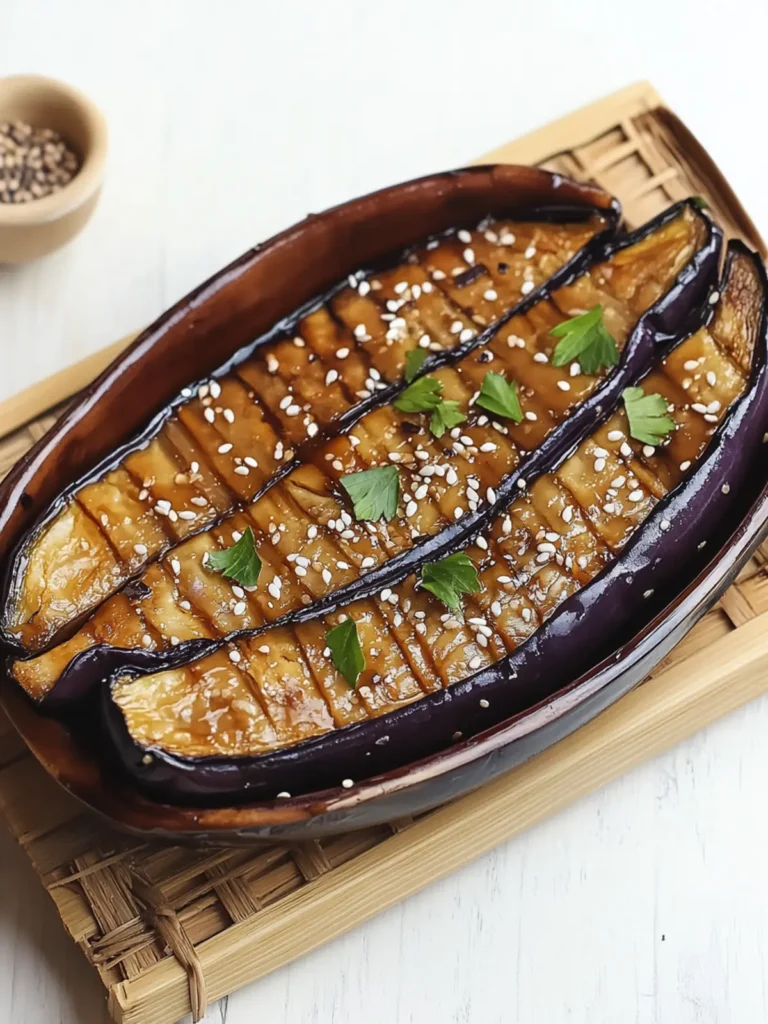
Japanese Nasu Dengaku (Miso Glazed Eggplant) Recipe FAQs
What is the best way to select ripe Japanese eggplants?
Absolutely! Look for Japanese eggplants that feel firm and have shiny, smooth skin without dark spots all over. The color should be deep purple. Smaller ones are typically sweeter and more tender, so I recommend choosing those for the best flavor.
How should I store leftover Nasu Dengaku?
To keep your remaining Japanese Nasu Dengaku fresh, place it in an airtight container and store it in the refrigerator for up to 2 days. When you’re ready to enjoy it again, reheat in an oven or skillet to preserve the texture.
Can I freeze Nasu Dengaku for later use?
Yes, indeed! To freeze, carefully wrap the cooled eggplants in plastic wrap, ensuring they’re tightly sealed. Then, place them in a freezer-safe container or bag. Enjoy your Nasu Dengaku within 2 months for the best quality. When ready to eat, thaw in the fridge overnight and reheat gently.
What should I do if the glaze doesn’t caramelize properly?
If you find that your miso glaze isn’t caramelizing as expected, ensure your oven is adequately preheated. Increase the baking time slightly, watching closely to avoid burning. A perfect glaze should be glossy and slightly bubbly. If it’s too thin, consider adding a touch more sugar to help with the caramelization.
Are there any dietary considerations for pets or allergies?
Absolutely! This Japanese Nasu Dengaku recipe is vegetarian, but it contains miso, which may be high in sodium. Always ensure you check the ingredients for allergens, especially if someone has soy allergies, as miso and soy sauce contain soy. This dish is not recommended for pets due to the presence of ingredients like miso and soy sauce that are not suitable for animals.
Can I modify the ingredients to make it gluten-free?
Very! To make this Nasu Dengaku gluten-free, simply substitute soy sauce with tamari, which is a gluten-free alternative. Additionally, skip the sake if you’re looking for an alcohol-free option. Feel free to adjust any other ingredients based on dietary needs!
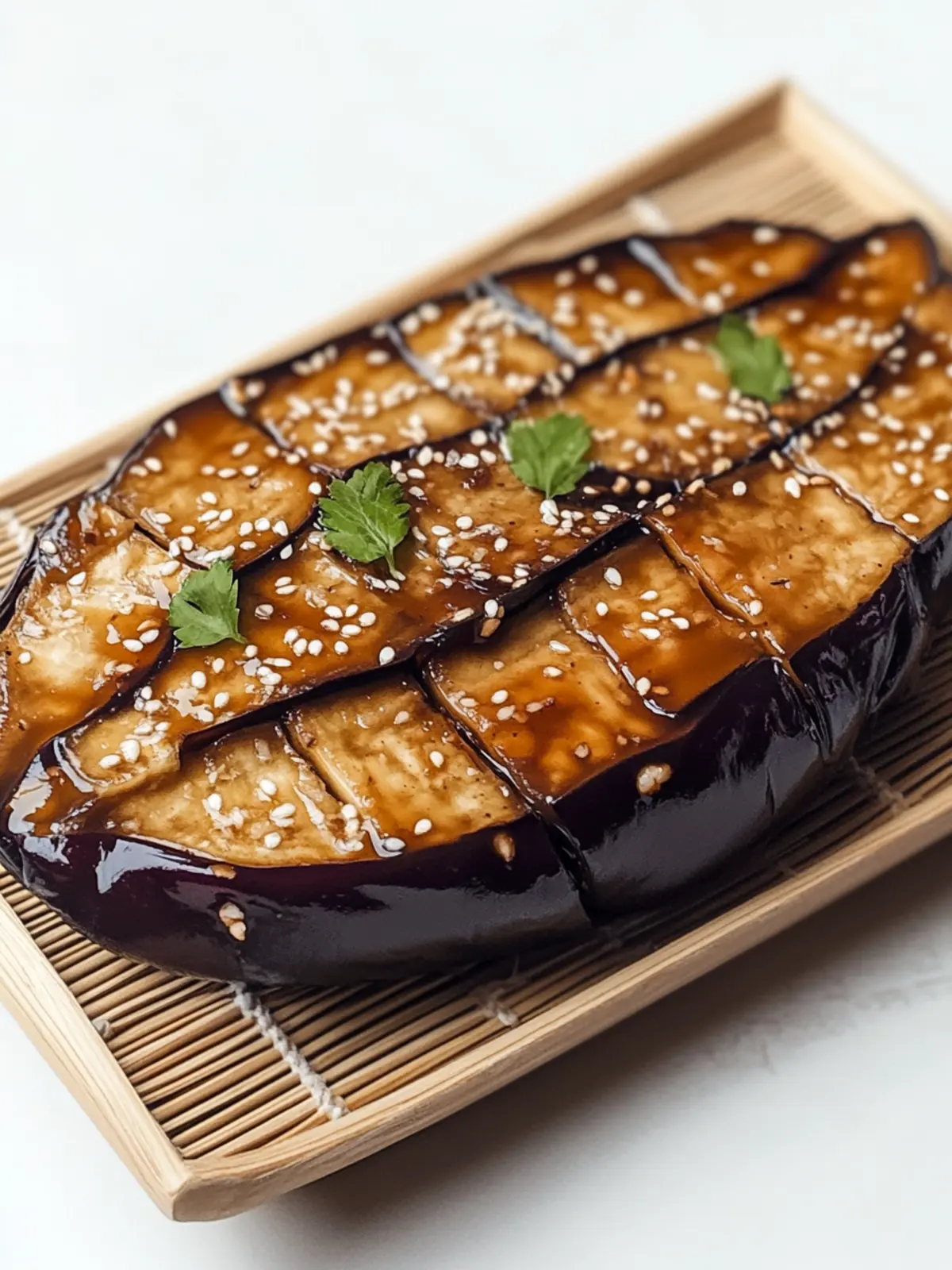
Mouthwatering Japanese Nasu Dengaku: Easy Miso Glazed Eggplant
Ingredients
Equipment
Method
- Preheat your oven to 400°F (200°C).
- Slice the Japanese eggplants in half lengthwise and score the flesh in a crosshatch pattern.
- Heat vegetable oil in a skillet over medium heat, placing the eggplants cut side down. Brown for about 4-5 minutes.
- Mix the miso paste, mirin, sugar, sake, soy sauce, and sesame oil in a bowl until smooth.
- Transfer the browned eggplants to a baking tray, cut side up, and spread the miso glaze evenly over each half.
- Bake the eggplants in the oven for 10-12 minutes until tender and glaze caramelizes.
- Let rest for a few minutes before serving, then garnish with sesame seeds and green onions.