

There’s a certain joy that comes from gathering seasonal vegetables, especially when you transform them into something comforting and delicious like Greek Briam. The moment I start slicing zucchini, eggplant, and vibrant tomatoes, I can almost hear the waves lapping at the shores of the Mediterranean. This wholesome dish not only warms the heart but also celebrates the rich flavors that Greece has to offer. With a bit of extra virgin olive oil, fresh herbs, and a sprinkle of love, the slow-roasting technique brings out the natural sweetness of each ingredient, creating a colorful medley that’s perfect for any meal. Whether enjoyed alone or paired with crusty bread and feta, this traditional recipe ensures every bite is a delightful experience. Let’s dive into making your own mouthwatering Briam and bring a taste of the sun-soaked Mediterranean to your table!

Why is Greek Briam so special?
Flavorful and colorful, Greek Briam is a vibrant celebration of seasonal vegetables that elevates any meal. Health-conscious eaters will appreciate its wholesome, vegetarian ingredients, making it an excellent gluten-free choice. Simple preparation means that even novice cooks can whip it up with ease. Versatile enough to enjoy as a side or main dish, you can even customize it with your favorite veggies. Best of all? It’s a crowd-pleaser, perfect for sharing with family and friends. Don’t forget to enjoy it with warm bread and feta for the full Mediterranean experience!
Greek Briam Ingredients
• Embrace the flavors of Greek Briam with these fresh ingredients.
For the Vegetables
- Zucchini – Adds moisture and a mild flavor; substitute with summer squash if unavailable.
- Potatoes – Provides heartiness and structure; red or Yukon gold potatoes work wonderfully.
- Eggplant – Contributes a creamy texture when roasted; mushrooms can be a delightful variation.
- Tomatoes – Imparts acidity and depth; fresh tomatoes are ideal, but canned can substitute in a pinch.
- Red Onion – Adds sweetness and aromatic depth; yellow onion can be an alternative.
- Bell Pepper – Introduces sweetness and color; any color works beautifully, or omit for less sweetness.
For Flavoring
- Garlic – Enhances the overall flavor with an earthy aroma; try roasted garlic for a sweeter touch.
- Fresh Parsley and Dill – Brighten the dish with fresh, aromatic elements; dried herbs can be used if fresh isn’t available, but use less.
- Dried Oregano – Adds classic Mediterranean flair; Italian seasoning is a great alternative.
For Cooking
- Extra Virgin Olive Oil – A key ingredient contributing richness; opt for high-quality vegetable oil if needed.
- Salt and Black Pepper – Essential for seasoning; adjust to taste as preferred.
- Tomato Sauce or Crushed Tomatoes – Adds moisture and richness; puree or fresh tomatoes can be used instead.
- Water – Creates steam for cooking; don’t skimp on this essential step!
How to Make Greek Briam
-
Preheat the oven to 375°F (190°C). This ensures the vegetables start roasting at the right temperature for optimal flavor.
-
Combine the sliced zucchini, potatoes, eggplant, tomatoes, onion, and bell pepper in a large mixing bowl. Aim for even thickness so everything cooks uniformly.
-
Add minced garlic, parsley, dill, olive oil, salt, black pepper, and oregano to the vegetables. Gently toss to coat each piece thoroughly.
-
Transfer the mixture into a large baking dish, layering the vegetables for even cooking. This helps each vegetable get that perfect roasted texture.
-
Pour tomato sauce evenly over the top and add water around the edges of the dish to create steam during cooking. This step prevents dryness.
-
Cover the dish with aluminum foil and bake for 45 minutes. This initial steaming is essential for tender, succulent vegetables.
-
Uncover and increase the temperature to 400°F (200°C). Bake for an additional 15-20 minutes until the vegetables are soft and nicely caramelized.
-
Let rest for 5 minutes before serving. This short wait allows the flavors to meld beautifully. Serve warm with crusty bread and feta cheese for a hearty meal.
Optional: A drizzle of fresh lemon juice just before serving adds a lovely brightness.
Exact quantities are listed in the recipe card below.
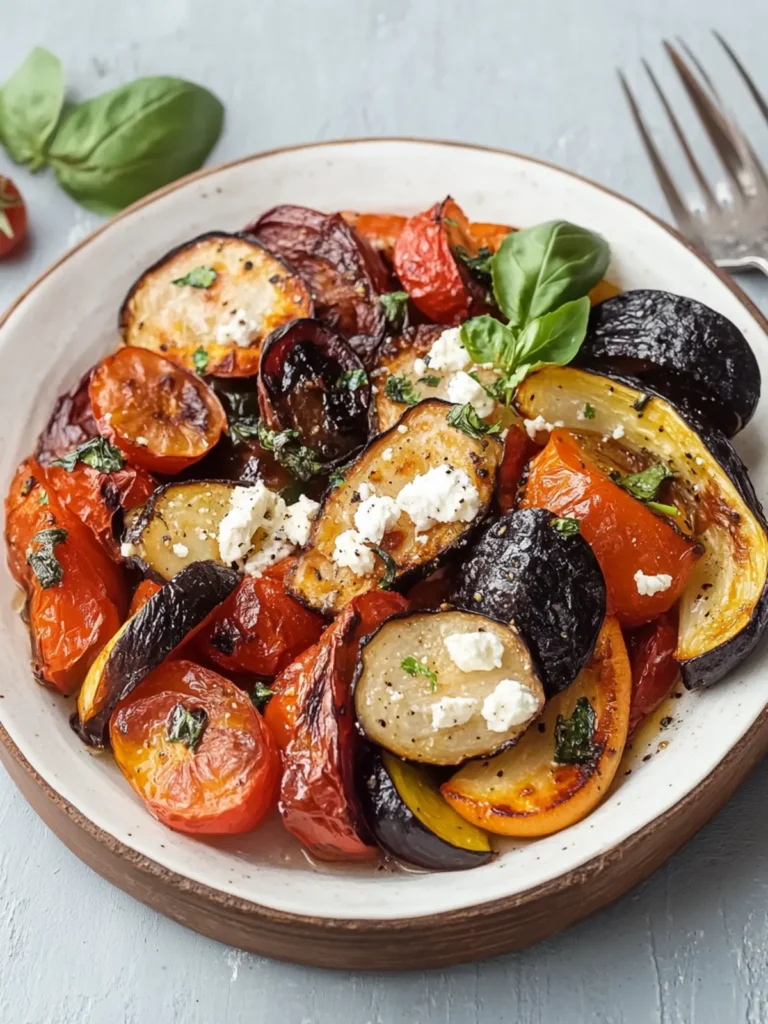
What to Serve with Greek Briam?
Elevate your Briam experience by pairing it with these delightful accompaniments that enhance the Mediterranean essence of your meal.
-
Crusty Whole-Grain Bread: Perfect for soaking up the flavorful juices from the Briam, adding a rustic touch that harmonizes beautifully.
-
Tangy Feta Cheese: A sprinkle of crumbled feta adds creamy texture and a delightful saltiness, complementing the roasted veggies perfectly.
-
Greek Salad: Fresh cucumbers, tomatoes, olives, and red onion create a crisp contrast, balancing the warmth of the Briam while infusing more Mediterranean flair.
-
Garlic Yogurt Sauce: This cool, creamy dip offers a refreshing counterpoint to the warmth of the roasted vegetables, enhancing the overall flavor.
-
Lemon Wedges: A squeeze of fresh lemon elevates the dish’s brightness, making each bite more vibrant and enjoyable.
-
Herbed Quinoa: Light and fluffy, a side of quinoa seasoned with herbs echoes the flavors of the Briam while adding a nutritious boost.
-
Roasted Chickpeas: For added protein and crunch, toss some spiced roasted chickpeas on the side, making for a delightful mix of textures.
-
Sparkling Water with Mint: A refreshing drink that cleanses the palate, offering a light touch to balance the rich flavors of the meal.
-
Baklava: For dessert, this sweet, nutty pastry will satisfy your sweet tooth and beautifully round out the Mediterranean dining experience.
Expert Tips for Greek Briam
-
Uniform Thickness: Ensure all vegetables are sliced to similar thickness; this promotes even cooking and prevents some from overcooking while others remain underdone.
-
Don’t Skip Steaming: The initial steaming with water is crucial; it helps the vegetables become tender and juicy, avoiding the dryness often encountered in roasted dishes.
-
Layering Flavors: Consider adding a splash of lemon juice or layering your herbs to boost flavor before serving; it brightens up the rich flavors of Greek Briam remarkably.
-
Use Quality Oil: Don’t skimp on the extra virgin olive oil; its richness enhances the overall taste and mouthfeel, making the dish truly Mediterranean.
-
Taste as You Go: Adjust seasoning during preparation; since vegetables vary in sweetness and flavor profiles, tasting can ensure your Greek Briam is perfectly seasoned.
-
Experiment with Veggies: Feel free to customize the vegetable mix; the beauty of Briam is its versatility, allowing substitutions based on seasonal availability or personal preferences.
Make Ahead Options
These delicious Greek Briam roasted vegetables are perfect for meal prep, allowing you to enjoy homemade goodness even on your busiest days! You can chop and combine all the vegetables (zucchini, potatoes, eggplant, tomatoes, onions, and bell peppers) up to 24 hours in advance. Simply store them in an airtight container in the refrigerator to maintain their freshness. When you’re ready to enjoy the dish, mix in the garlic, herbs, olive oil, salt, and pepper, then pour the tomato sauce and water over the top. Cover and bake as directed, and you’ll have a comforting, vibrant meal ready to serve! This prep-ahead method saves time without compromising quality, ensuring your Greek Briam is just as delicious as if you made it freshly!
How to Store and Freeze Greek Briam
Fridge: Store leftover Greek Briam in an airtight container for up to 3 days. This keeps the flavors intact while ensuring the vegetables stay fresh.
Freezer: For extended storage, freeze Briam in a freezer-safe container for up to 2 months. Allow it to cool completely before placing it in the freezer for best results.
Reheating: When ready to enjoy, reheat in the oven at 350°F (175°C) for about 20–25 minutes until warmed through. This helps maintain the dish’s texture and flavors.
Thawing: For frozen Briam, thaw overnight in the fridge prior to reheating. Enjoying this delightful dish again will surely bring back the warm memories of sharing it fresh!
Greek Briam Variations
There’s so much joy in customizing your Greek Briam to reflect your taste, so let your creativity shine in the kitchen!
- Dairy-Free: Substitute feta with a sprinkle of nutritional yeast for a cheesy flavor without the dairy.
- Protein-Packed: Add cooked chickpeas or lentils to the vegetable mix for a hearty boost of protein.
- Zesty Twist: Mix in a teaspoon of lemon zest for a bright, tangy flavor that livens up the dish.
- Spicy Kick: Toss in red pepper flakes or diced jalapeños to add a bit of heat to your Briam.
- Herb Variations: Experiment with fresh basil or thyme instead of parsley and dill for a unique herbal flavor profile.
- Root Veggies: Swap potatoes for sweet potatoes or butternut squash for a hint of sweetness in each bite.
- Seasonal Surprise: Incorporate seasonal vegetables like asparagus or artichokes to refresh the dish throughout the year.
- Mediterranean Medley: Add olives or capers to the dish before baking for an extra Mediterranean touch that will delight your taste buds.

Greek Briam Recipe FAQs
What vegetables should I use for the best Greek Briam?
Absolutely! The classic choice includes zucchini, potatoes, eggplant, tomatoes, red onion, and bell pepper. For a touch of creativity, feel free to substitute seasonal veggies like asparagus or incorporate mushrooms instead of eggplant. It’s all about what’s available and what you love!
How long does Greek Briam last in the fridge?
Greek Briam can be stored in an airtight container in the refrigerator for up to 3 days. To maintain freshness, ensure it’s tightly sealed. When you’re ready to enjoy it again, simply reheat it in the oven to restore its delightful texture!
Can I freeze Greek Briam?
Yes! For the best results, allow Greek Briam to cool completely before freezing. Portion it into freezer-safe containers and it will keep for up to 2 months. When you’re ready to eat, thaw it overnight in the refrigerator and reheat it at 350°F (175°C) for about 20-25 minutes.
What if my vegetables become mushy when baking?
Very common! To prevent mushiness, make sure your vegetables are sliced to a uniform thickness. This ensures they cook evenly. Also, don’t skip the initial steaming phase; it helps retain their natural moisture without turning them into mush.
Is Greek Briam suitable for a gluten-free diet?
Yes! Greek Briam is naturally gluten-free as it’s made solely from vegetables, herbs, and olive oil. It’s also a fantastic vegetarian option. Just be sure to check any canned tomato products you use to confirm they are gluten-free.
Can my pet eat Greek Briam?
Although some ingredients like zucchini and potatoes are safe for pets in moderation, be cautious! Ingredients like garlic can be harmful to dogs and cats, so it’s best to keep this delicious dish away from your furry friends. Always consult your vet before sharing human food with your pets.
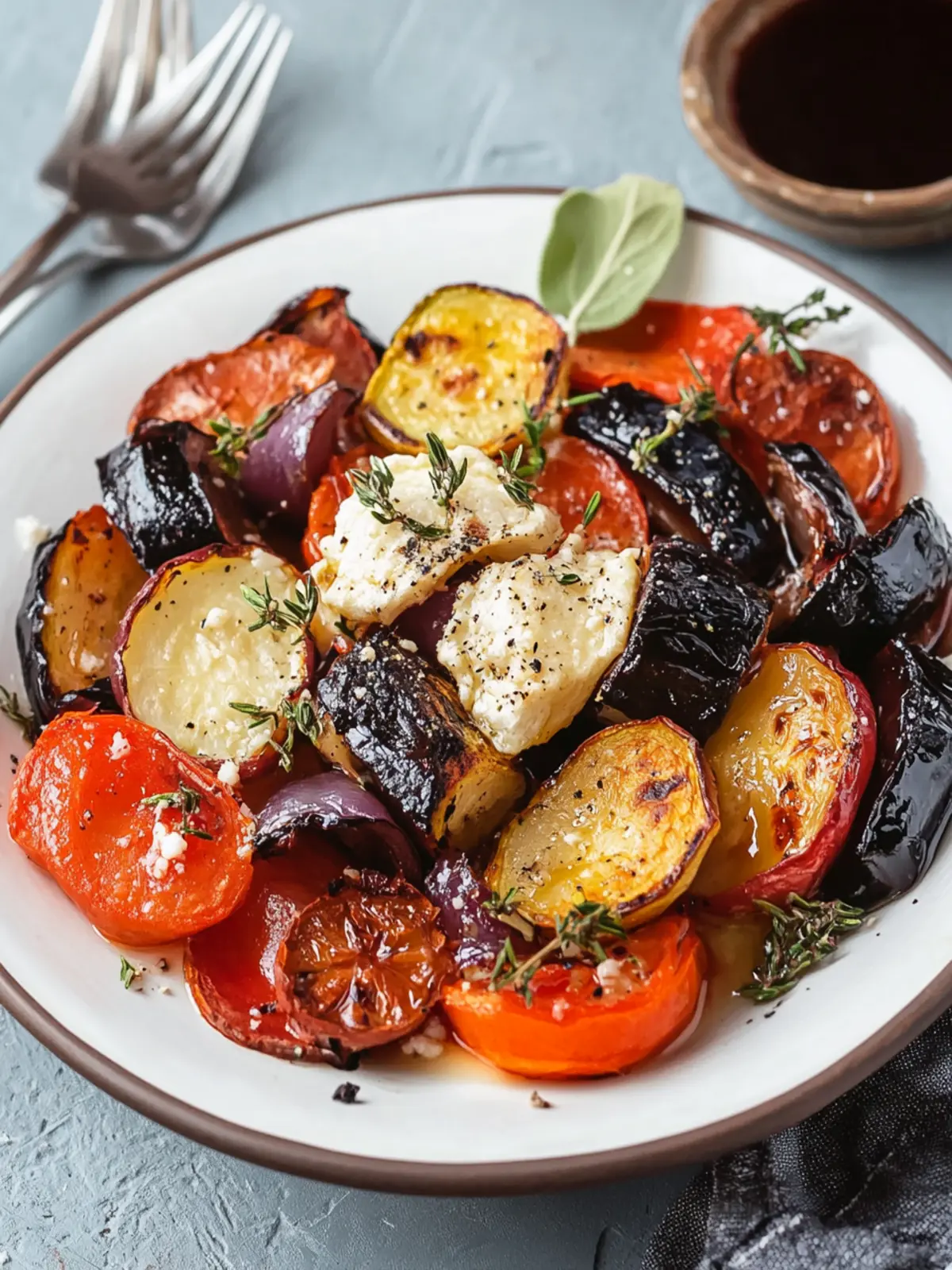
Delicious Greek Briam: Roasted Veggies You’ll Love to Share
Ingredients
Equipment
Method
- Preheat the oven to 375°F (190°C).
- Combine zucchini, potatoes, eggplant, tomatoes, onion, and bell pepper in a large mixing bowl.
- Add minced garlic, parsley, dill, olive oil, salt, black pepper, and oregano to vegetables and toss to coat.
- Transfer mixture into a large baking dish, layering the vegetables.
- Pour tomato sauce evenly over the top and add water around edges.
- Cover with aluminum foil and bake for 45 minutes.
- Uncover, increase the temperature to 400°F (200°C), and bake for an additional 15-20 minutes.
- Let rest for 5 minutes before serving.