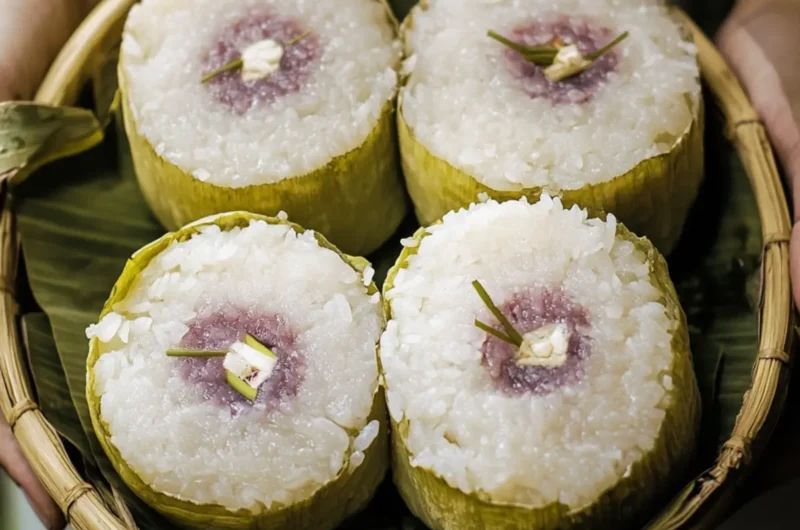
As the soft light of dawn breaks on the first day of Lunar New Year, the scent of Bánh Tét wafts through the air, evoking cherished memories of family gatherings around the kitchen table. This traditional Vietnamese sticky rice cake, a harmonious blend of chewy glutinous rice, creamy mung beans, and savory pork belly, is more than just a dish; it’s a celebration of culture and family bonds. The graceful wrapping of these cakes in fragrant banana leaves not only locks in delightful flavors but also adds a beautiful touch to any festive spread.
Whether you’re reviving old traditions or discovering this culinary gem for the first time, making Bánh Tét is a rewarding journey that transforms your kitchen into a hub of warmth and joy. With both savory and sweet variations to cater to your taste, this gluten-free delicacy is sure to impress at any gathering. Join me as we dive into this delicious recipe that bridges generations and brings loved ones together around the table!
Why is Vietnamese Bánh Tét a Must-Try?
Cultural gem: Bánh Tét is not just a dish; it’s a connection to family heritage and traditions celebrated during the Lunar New Year.
Flavor explosion: The combination of chewy glutinous rice, savory marinated pork belly, and creamy mung beans creates an unforgettable taste experience.
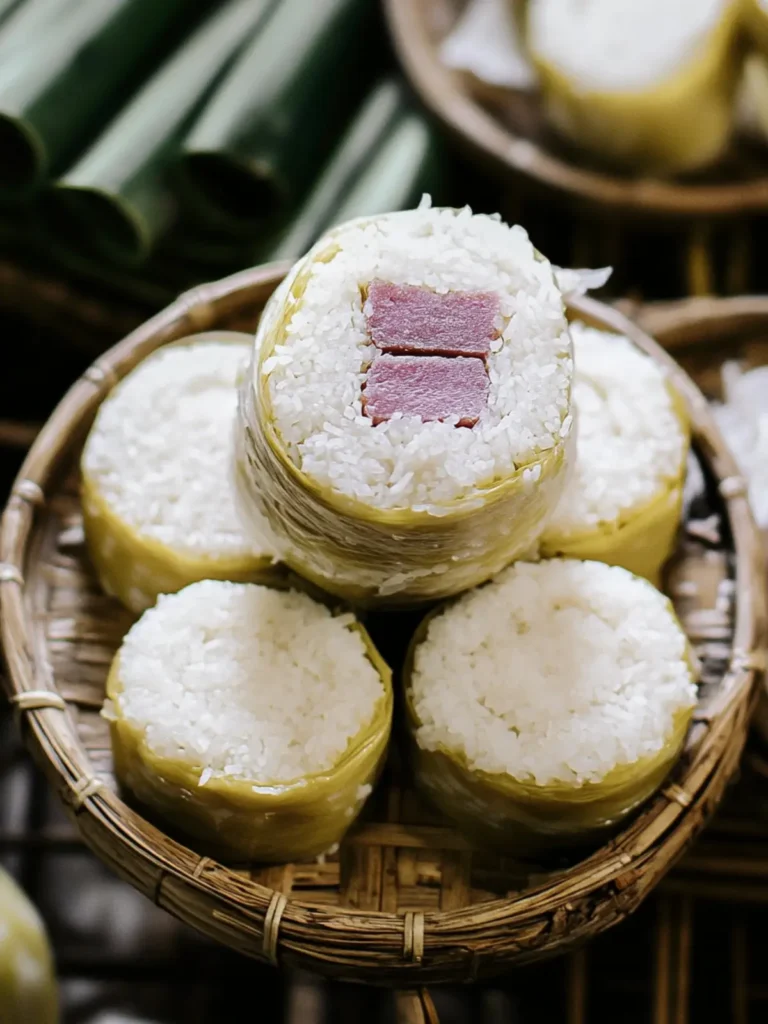
Festive visual appeal: Wrapped in vibrant banana leaves, these cakes add an eye-catching touch to your festive table.
Versatile options: With both savory and sweet variations, you can easily customize this recipe to suit all palates.
Simple process: Don’t worry if you’re new to cooking; this recipe blends easy-to-follow steps with satisfying results.
Make sure to pair your Bánh Tét with pickled vegetables or soy sauce for an added tanginess and a complete culinary delight!
Vietnamese Bánh Tét Ingredients
For the Cake
• Glutinous Rice – Soak the rice beforehand to achieve the perfect sticky texture.
• Split Mung Beans – A creamy filling that pairs delightfully with the savory pork; substitute with other beans for variety.
• Pork Belly – Provides the dish with a rich flavor; marinate well, or replace with chicken or tofu for a vegetarian take.
• Salt – Essential for enhancing all the flavors in the dish.
• Black Pepper – Adds a subtle warmth to the overall taste profile.
• Sugar – Balances the savory flavors, creating a well-rounded taste.
• Fish Sauce – Introduces a depth of umami; can be swapped out for soy sauce in vegetarian versions.
• Ground Pepper – A finishing touch for seasoning perfection.
For Wrapping
• Banana Leaves – Imparts an earthy aroma and keeps the cake moist; if unavailable, parchment paper can be used, but the flavor will differ.
Cooking Tip
The beautiful Vietnamese Bánh Tét is an unforgettable dish that transforms a simple gathering into a festive occasion!
How to Make Vietnamese Bánh Tét
-
Marinate Pork: Start by seasoning the pork belly with salt, black pepper, sugar, and fish sauce. Let it marinate for about 20 minutes to absorb all those fantastic flavors.
-
Prepare Fillings: In a large bowl, combine the soaked glutinous rice with a pinch of salt. In a separate bowl, add salt to the soaked mung beans so they’re equally flavorful.
-
Soften Banana Leaves: Carefully pass the banana leaves over a flame for a few seconds until they become pliable. This step prevents them from tearing when you wrap the cake.
-
Layer Components: On a flat surface, lay out a banana leaf. Start with a layer of glutinous rice, followed by a layer of mung beans, then marinated pork, more mung beans, and finish with another layer of rice.
-
Wrap the Cake: Fold the banana leaves tightly around the fillings, ensuring everything is enclosed. Use kitchen twine to secure them properly—this keeps the cake intact during cooking.
-
Cooking: Place the wrapped cakes in a large pot of boiling water. Cook them for 4-5 hours, making sure they’re fully submerged, so they cook evenly and remain moist.
-
Rest: Once cooked, let the cakes rest for 30 minutes before unwrapping. This helps them hold their shape when sliced.
-
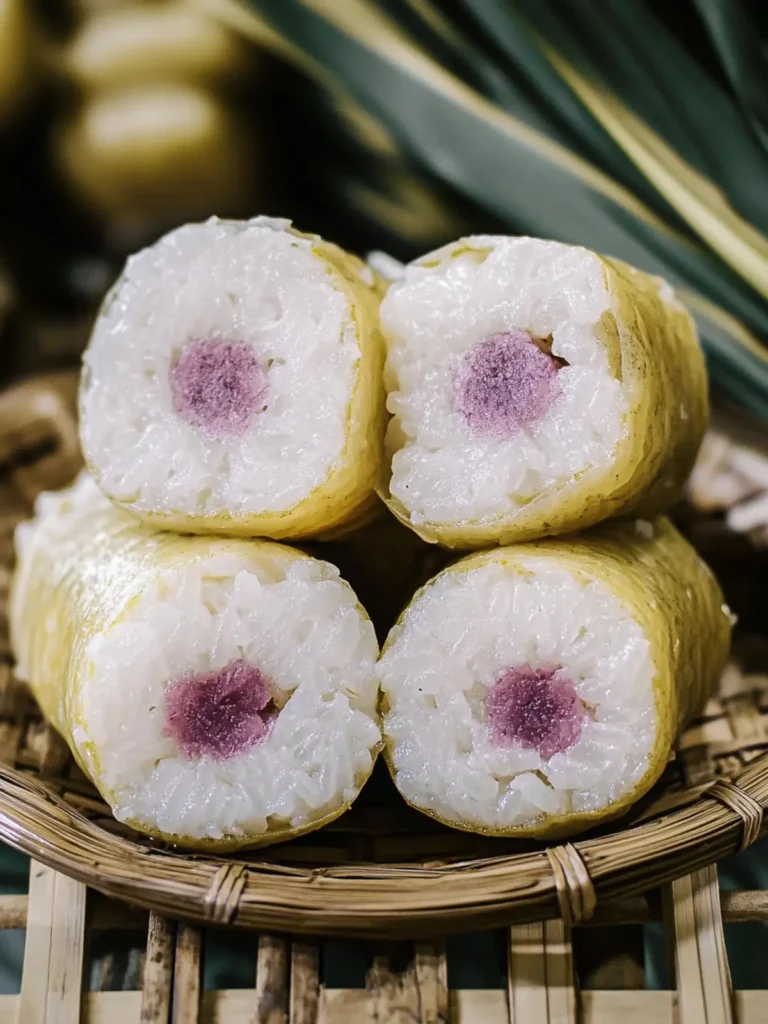
Serve: Slice the cakes into rounds and serve warm. Pair them with pickled vegetables or a splash of soy sauce for that extra zing!
Optional: Drizzle with a bit of chili oil for a spicy kick!
Exact quantities are listed in the recipe card below.
Make Ahead Options
Preparing Vietnamese Bánh Tét in advance is a fantastic way to save time while ensuring you can still enjoy this delightful traditional dish! You can marinate the pork belly up to 24 hours ahead to let the flavors deepen, while the glutinous rice and mung beans can be soaked a day before cooking. Simply wrap the cakes and refrigerate until you’re ready to cook them. When it’s time to serve, boil the wrapped cakes for 4-5 hours, just as you would with freshly made ones. Remember to keep the water level high during cooking to maintain moisture, ensuring your Bánh Tét is just as delicious even when prepped in advance!
Storage Tips for Vietnamese Bánh Tét
• Room Temperature: If you plan to enjoy your Bánh Tét within a day, keep it covered at room temperature to maintain its texture and flavor.
• Fridge: Store leftovers in an airtight container in the fridge for up to 3 days. This will keep the Vietnamese Bánh Tét fresh and delicious for your next meal.
• Freezer: For longer storage, wrap each cake tightly in plastic wrap and then place it in a freezer bag. They can be frozen for up to 2 months.
• Reheating: To reheat, steam the frozen Bánh Tét for about 20-30 minutes until heated through. This method helps preserve their delightful texture and flavor.
What to Serve with Vietnamese Bánh Tét?
Indulge in a delightful culinary experience by pairing your Bánh Tét with complementary dishes that enhance its rich flavors.
-
Pickled Vegetables: Their tangy crunch cuts through the richness of Bánh Tét, making each bite refreshing and well-balanced.
-
Soy Sauce: A drizzle adds umami and moisture, enhancing the savory notes of the pork and the creaminess of the mung beans.
-
Fresh Herbs: Herbs like cilantro and mint bring a burst of freshness that brightens the dish, offering a delightful contrast to the chewy texture.
-
Coconut Rice: Serve with a side of coconut rice for a sweet, creamy complement that echoes the flavors found in the sweet versions of Bánh Tét.
-
Spicy Chili Oil: A few drops of chili oil provide a fiery kick that elevates the taste experience, harmonizing beautifully with the savory elements of the cake.
-
Crispy Spring Rolls: Their crunchy exterior and veggie filling make a perfect appetizer, providing a delightful textural contrast to the dense, soft Bánh Tét.
-
Mango Salad: The sweetness and acidity of a mango salad can brighten up the meal, serving as a refreshing palate cleanser between bites of rich cake.
-
Sesame Toast: Lightly toasted bread drizzled with sesame oil complements Bánh Tét’s flavors, offering a nutty richness that ties the meal together.
-
Jasmine Tea: A fragrant pot of jasmine tea pairs wonderfully, balancing the meal’s heaviness with its delicate floral notes, enhancing the overall dining experience.
Expert Tips for Vietnamese Bánh Tét
• Soaking Time Matters: Ensure your glutinous rice is soaked for at least 6-8 hours before cooking to achieve that perfect sticky texture.
• Marinate Properly: Don’t rush the marination process for the pork belly; allowing it to sit for 20 minutes enhances flavor and depth in the Vietnamese Bánh Tét.
• Banana Leaf Care: Briefly warming the banana leaves prevents tearing during wrapping. Always handle them carefully to keep your cakes intact.
• Check Water Levels: As you boil, periodically check the water level to avoid drying out the cakes. They should always be submerged for even cooking.
• Resting is Key: Let the cakes rest for at least 30 minutes after cooking before slicing. This helps maintain their shape and makes for easier serving.
Vietnamese Bánh Tét Variations & Substitutions
Feel free to let your creativity shine by customizing your Bánh Tét with these delightful variations that will leave everyone craving more!
-
Sweet Version: Replace the pork belly with ripe bananas for a delicious dessert twist. These sweet cakes are a festive surprise!
-
Bean Alternatives: Swap mung beans with black beans or kidney beans to explore different flavors and textures. Add a sprinkle of coconut for a tropical touch!
-
Meat Substitutes: Use chicken or turkey for a lighter option. These poultry versions still pack that same savory punch, perfect for all ages.
-
Spicy Kick: Add fresh diced chili or chili oil to the pork marinade for a little heat. This will make your Bánh Tét sizzle with flavor!
-
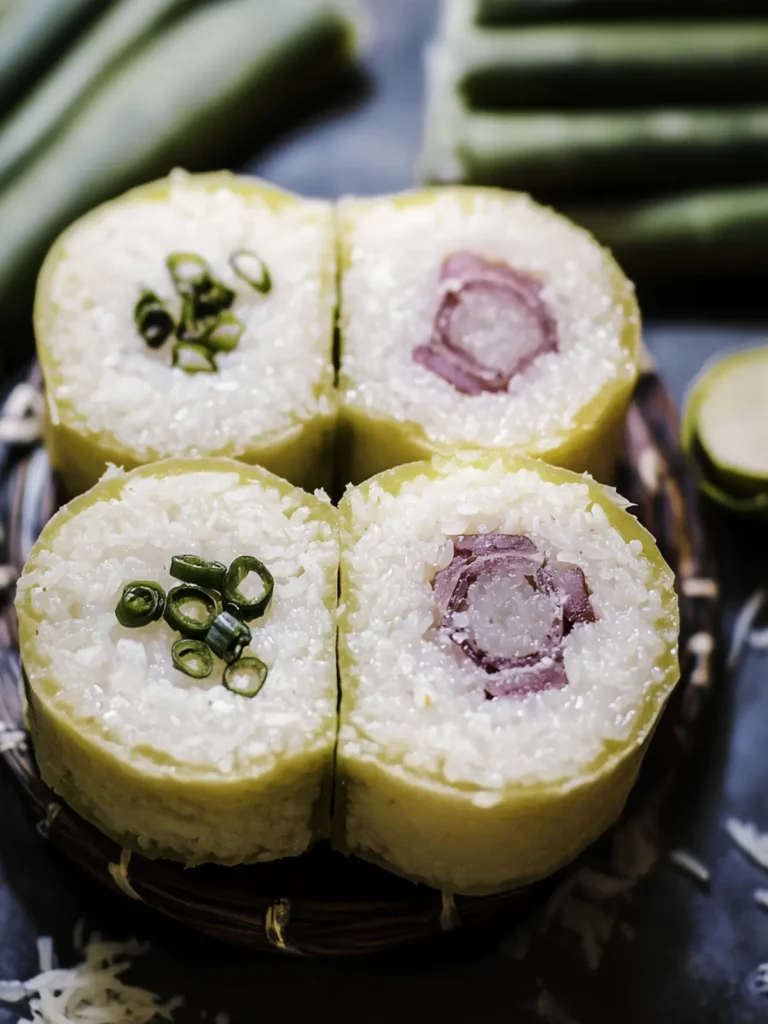
Herb Infusion: Mix chopped fresh herbs like cilantro or green onions into the filling. It adds a lovely fragrance and brightens up the dish immensely.
-
Gluten-Free Twist: If you need a gluten-friendly option, ensure all alternative ingredients and fillings, like rice flour, are gluten-free. This keeps the tradition alive for everyone!
-
Nutty Delight: Include chopped nuts such as roasted peanuts or cashews in your filling for a satisfying crunch. This adds a unique texture that surprises with each bite!
Vietnamese Bánh Tét Recipe FAQs
How do I select the best glutinous rice for Bánh Tét?
Absolutely! Look for glutinous rice that is plump and has a slightly translucent quality. The rice should be packaged well, ideally in a sealed bag, and free from any cracks or broken grains. Soaking the rice for 6-8 hours before cooking is essential to ensure it reaches that perfectly sticky and chewy texture you want for your Bánh Tét.
What’s the best way to store leftover Bánh Tét?
Very! If you have leftovers, you can store them in an airtight container in the refrigerator for up to 3 days. Make sure the cakes are fully cooled before covering them to prevent moisture buildup, which can affect texture. If you’re planning to enjoy them later, it’s best to wrap each cake tightly in plastic wrap and place them in a freezer bag; they’ll keep well for up to 2 months.
Can I freeze Bánh Tét? If so, how?
Absolutely! To freeze, wrap each Bánh Tét tightly in plastic wrap, ensuring there are no air pockets, and then place them in a freezer-safe bag. This helps protect against freezer burn. When you’re ready to enjoy them, just steam the frozen cakes for about 20-30 minutes until heated through. This method will help maintain their delightful texture.
What should I do if the banana leaves tear while wrapping?
No worries! If your banana leaves tear, simply use another piece to patch it up. Make sure to fold and secure the wrap tightly to prevent any filling from spilling out during cooking. If banana leaves are difficult to find, parchment paper can serve as a substitute, although the flavor will differ slightly.
Are there any dietary considerations for making Bánh Tét?
Indeed! For those who are vegetarian or vegan, the pork belly can be easily substituted with tofu or a plant-based protein of your choice. Additionally, if you’re making this dish for someone with gluten sensitivities, ensure that all your fillings, including sauces, are gluten-free to maintain the delightful culinary experience of Vietnamese Bánh Tét without compromising dietary needs.
How long should I boil the wrapped Bánh Tét?
For the best results, boil the wrapped Bánh Tét for 4-5 hours. Keeping them submerged in water throughout the cooking process is crucial. I recommend checking the water level periodically to prevent drying out. After boiling, let the cakes rest for 30 minutes before unwrapping for the ideal texture when slicing.
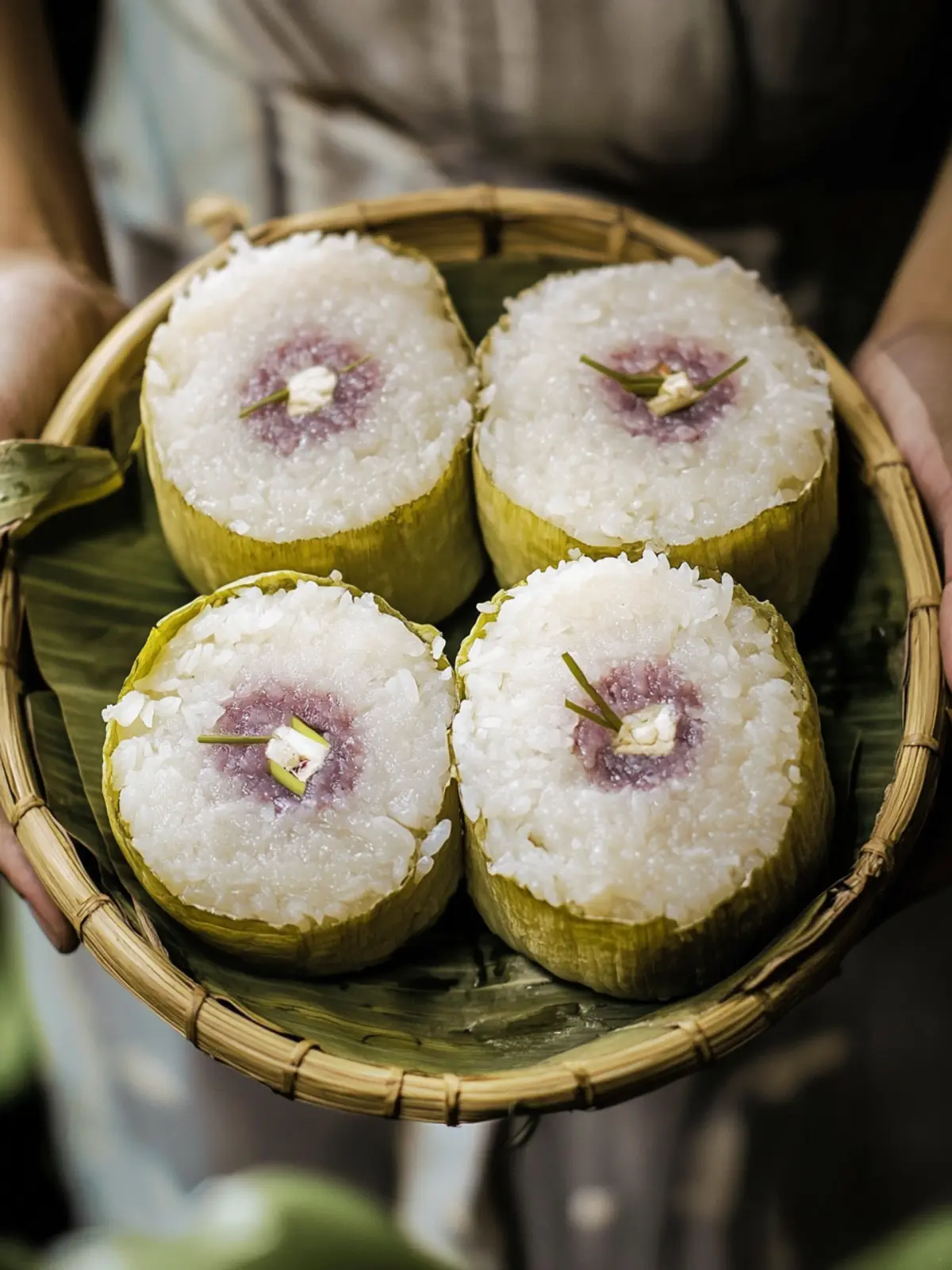
Delight in Vietnamese Bánh Tét: A Festive Sticky Rice Cake
Ingredients
Equipment
Method
- Marinate Pork: Season the pork belly with salt, black pepper, sugar, and fish sauce. Let it marinate for about 20 minutes.
- Prepare Fillings: Combine the soaked glutinous rice with a pinch of salt. In a separate bowl, add salt to the soaked mung beans.
- Soften Banana Leaves: Pass the banana leaves over a flame until pliable to avoid tearing during wrapping.
- Layer Components: Lay out a banana leaf, starting with a layer of glutinous rice, followed by mung beans, marinated pork, more mung beans, and finish with rice.
- Wrap the Cake: Fold the banana leaves tightly around the fillings and secure with kitchen twine.
- Cooking: Place wrapped cakes in boiling water and cook for 4-5 hours, ensuring they are fully submerged.
- Rest: Let the cakes rest for 30 minutes after cooking.
- Serve: Slice cakes into rounds and serve warm, pairing with pickled vegetables or soy sauce.