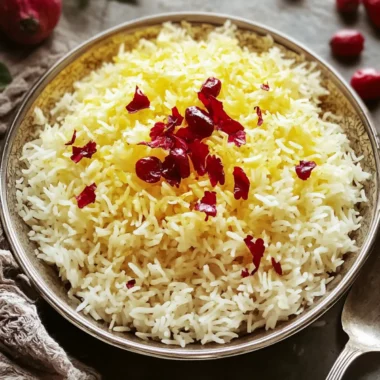
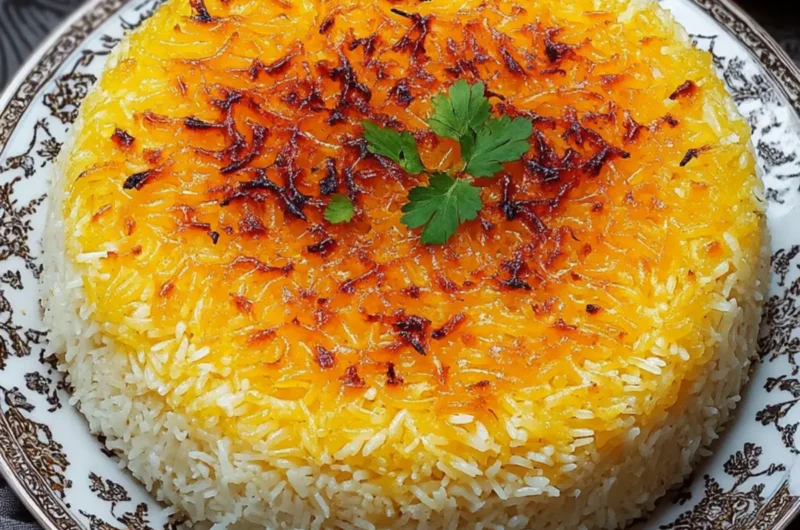
As the sun began to set, casting a warm glow on my kitchen, a gentle heat emanated from the stovetop, drawing me in with the irresistible scent of saffron. My heart raced in anticipation of that first bite—the moment when the golden crust of tahdig, with its satisfying crunch, gives way to tender, fluffy rice infused with aromatic spices. This cherished Persian staple is not just a side dish; it’s a culinary experience that elevates any meal into a festive occasion.
Whether you’re preparing dinner for your family or impressing guests at a gathering, tahdig offers an alluring contrast in texture and flavor. It’s a recipe steeped in culture, yet approachable enough for any home cook. Join me as we dive into the art of making perfectly crispy Persian tahdig, a dish that promises to bring a touch of heritage and elegance to your table and transform your dining experience!
Why is Tahdig a Must-Try?
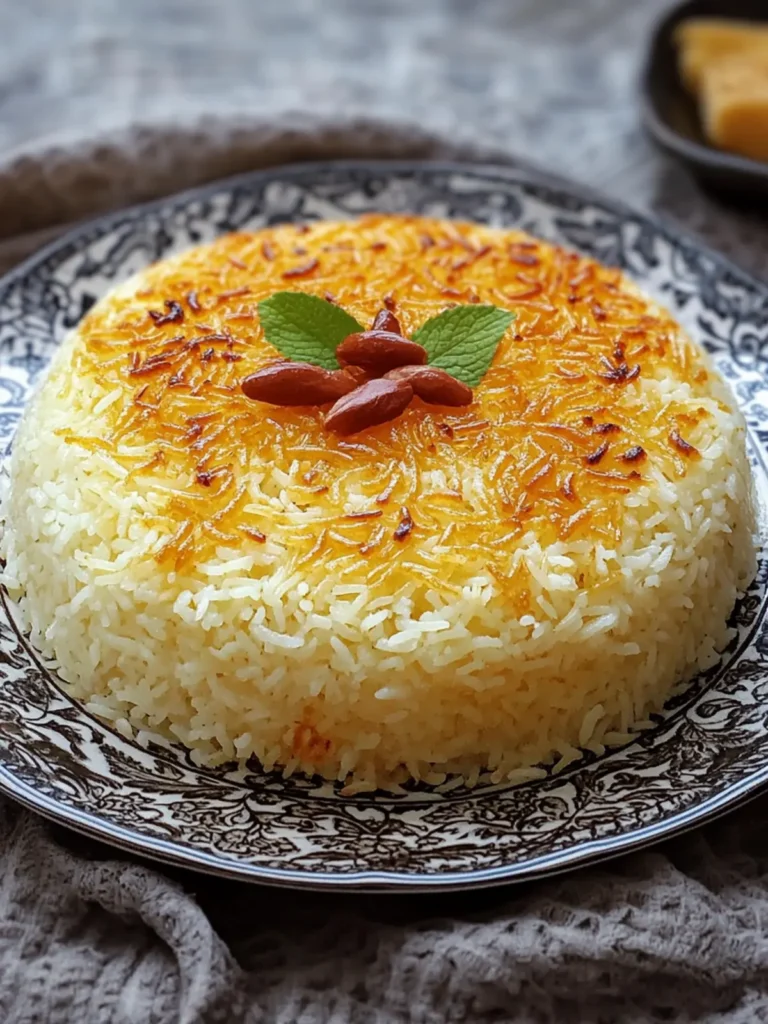
Irresistible Crunch: The signature crispy crust is what makes tahdig truly special, providing a delightful textural contrast to fluffy, tender rice that is sure to impress your taste buds.
Cultural Heritage: This dish is deeply rooted in Persian culture, showcasing the skill and pride of home cooks everywhere who create these edible masterpieces.
Versatile Pairing: Enjoy tahdig alongside your favorite stews or grilled meats, or even as a breakfast delight paired with eggs—its versatility makes it a perfect addition to any meal.
Easy to Master: With simple ingredients and straightforward steps, you’ll find that mastering crispy tahdig offers a rewarding cooking experience that’s accessible for all skill levels.
Crowd-Pleasing Delight: Bring joy to your family and friends at gatherings with this stunning side dish, turning ordinary meals into extraordinary feasts. Discover more about perfect accompaniments by exploring our ideas on pairing with Persian dishes!
Tahdig Ingredients
• Elevate your cooking with these essentials for crispy rice!
For the Rice
- Basmati Rice – A long grain, aged rice is recommended for that perfect fluffy texture.
- Salt – Essential for seasoning and enhancing the rice’s natural flavor.
For the Crisping Layer
- Unsalted Butter or Ghee – Adds rich flavor; can be substituted with oil for a dairy-free version.
- Vegetable Oil – This aids in achieving that delightful golden crust; other neutral oils can work too.
For Flavoring
- Saffron Threads (Crushed) – Gives tahdig its signature aroma and stunning golden hue; using high-quality saffron is key for the best taste.
- Hot Water – Used to bloom the saffron, releasing its vibrant color and flavor.
Optional Add-Ons
- Medium Potato – Enhances potato tahdig with added sweetness and texture; can be omitted for traditional versions.
With these ingredients, you’re on your way to crafting an exquisite tahdig that will delight your friends and family!
How to Make Tahdig
-
Rinse the rice multiple times in cold water until it runs clear, removing excess starch, then soak for 30 minutes. This step is essential for fluffy tahdig.
-
Boil salted water and parboil the soaked rice for 6-7 minutes until it’s slightly softened; then drain and rinse it with warm water. This helps achieve the perfect texture.
-
Bloom the saffron in hot water for at least 10 minutes to release its beautiful color and rich flavor, essential for that iconic taste.
-
Melt butter and vegetable oil in a non-stick pot over medium heat; arrange optional potato slices at the bottom if you choose to make potato tahdig for added sweetness.
-
Mix a portion of the rice with saffron water before spreading it over the bottom of the pot; then layer the remaining rice without packing it down too tightly. This ensures even cooking.
-
Create steam vents using the handle of a spoon to allow steam to escape; cover the pot with a lid wrapped in a towel to trap moisture effectively.
-
Cook over medium-high heat for 10 minutes to build a nice crust, then reduce the heat to low for 30-40 minutes to allow the steam to finish cooking the rice.
-
Listen for a hollow crackle indicating the tahdig is ready; let it rest for a few minutes before inverting onto a platter to serve beautifully.
Optional: Serve with a sprinkle of fresh herbs for a vibrant touch.
Exact quantities are listed in the recipe card below.
Make Ahead Options
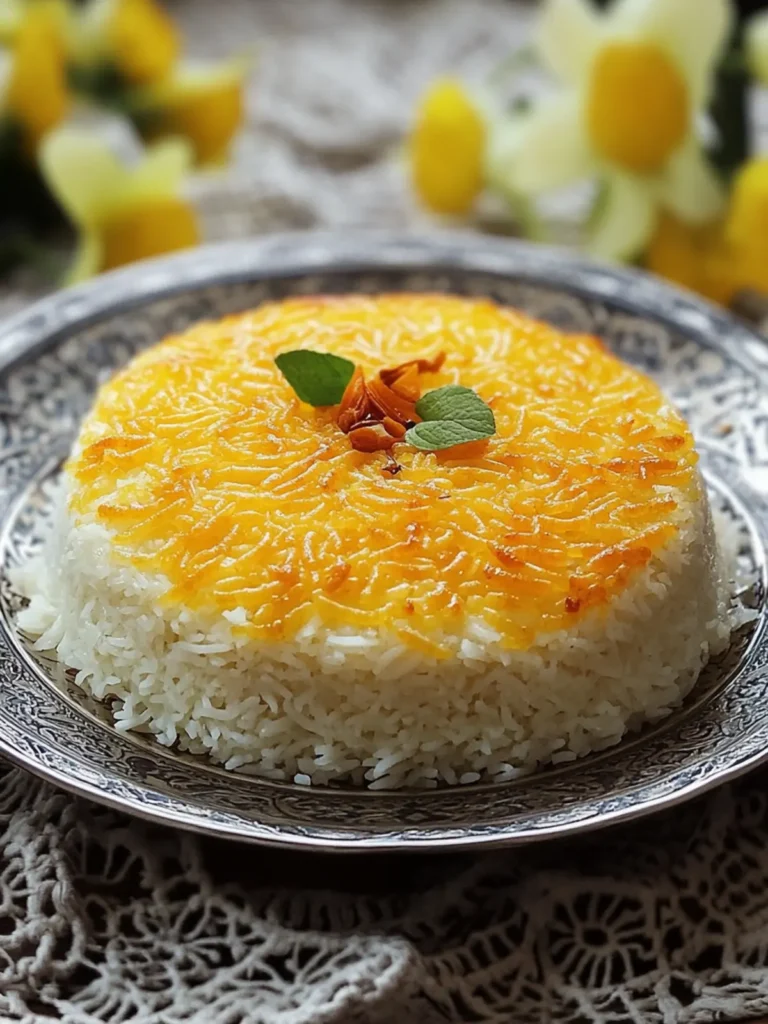
These tahdig delights are perfect for busy home cooks looking to save time in the kitchen! You can prepare the rice up to 24 hours in advance by rinsing, soaking, and parboiling it, then storing it in an airtight container in the refrigerator. The saffron can also be bloomed in hot water ahead of time and stored for up to 3 days in the fridge. When you’re ready to enjoy your crispy Persian rice, simply melt the butter and oil, layer the rice with saffron water in the pot, and cook according to the original instructions. This way, you’ll have restaurant-quality tahdig ready with minimal effort, making mealtime a breeze!
Tahdig Customizations
Feel free to get creative with your tahdig and personalize it to suit your taste and dietary preferences!
-
Dairy-Free: Substitute unsalted butter or ghee with vegetable oil to keep it dairy-free without compromising on flavor.
-
Vegan Delight: Use plant-based yogurt instead of dairy yogurt and skip egg yolk for a completely vegan option while still enjoying a rich crust.
-
Vegetable Medley: Swap out potatoes for thin slices of nurturing zucchini or sweet potatoes to add a nutritious twist and vibrant color.
-
Spicy Kick: Stir in a pinch of cayenne pepper or chili flakes for those who enjoy a bit of heat in their crispy rice experience.
-
Herbed Infusion: Add chopped fresh herbs like dill or parsley into the rice for a burst of flavor; pairing herbs with saffron creates a beautiful harmony.
For a little fun, consider experimenting with a handful of spice blends, like turmeric or cumin.
-
Nutty Flavor: Mix in slivered almonds or pine nuts for an unexpected crunch and a layer of nutty sweetness to your dish.
-
Lavash Crunch: Layer pieces of lavash bread at the bottom for a unique twist that adds both texture and flavor, reminiscent of traditional Persian bread-based dishes.
With these diverse variations, your tahdig can be an endless canvas to showcase flavors and textures that cater to everyone at your table!
What to Serve with Tahdig (Persian Crispy Rice)?
Complete your culinary journey with these delightful pairings that complement the unique flavors and textures of tahdig.
-
Saffron Chicken Kebabs: Juicy and aromatic, these kebabs pair perfectly with tahdig, enhancing its saffron notes.
-
Ghormeh Sabzi Stew: A classic Persian herb stew; its rich flavors create a heavenly balance with tahdig’s crispy texture.
-
Roasted Vegetables: Seasonal roasted vegetables drizzled with olive oil provide a sweet counterpoint to the crunchy rice.
-
Cucumber Yogurt Dip (Mast-o-Khiar): Refreshing and tangy, this cooling dip is the perfect accompaniment, adding creaminess that contrasts with the crispy crust.
-
Herb Salad (Shirazi Salad): Bright and tangy, this fresh salad with tomatoes, cucumbers, and herbs lightens the meal, balancing the richness of tahdig.
-
Fruity Persian Baklava: End your meal on a sweet note with flaky baklava; its honeyed layers complement the savory taste of tahdig beautifully.
These pairing suggestions will not only elevate your dining experience but also celebrate the deliciousness of Persian culinary traditions!
How to Store and Freeze Tahdig
Room Temperature: Allow tahdig to cool completely, then store in an airtight container for the same day. Consume within a few hours for optimal crispiness.
Fridge: Leftover tahdig can be refrigerated in an airtight container for up to 2 days. To maintain texture, avoid stacking layers.
Freezer: Tahdig can be frozen for up to 2 months. Wrap tightly in plastic wrap, then place in a freezer-safe container to protect against freezer burn.
Reheating: To restore crispiness, reheat in a non-stick pan over medium heat or in a moderate oven. Avoid microwaving, as it can make the crust soggy.
Expert Tips for Perfect Tahdig
-
Use Quality Rice: Basmati rice is essential for achieving that fluffy texture; opt for long grain, aged rice for the best results.
-
Get the Right Heat: Start on medium-high to develop the crust, then reduce to low to steam the rice evenly. Be patient to avoid burning!
-
Prevent Condensation: Wrap the lid in a towel to stop water from dripping onto the rice, which can ruin your crispy tahdig.
-
Listen for Texture: Pay attention to that hollow crackle sound—this is your cue that the tahdig is cooked to perfection!
-
Experiment with Variations: Try adding yogurt and egg yolk for an even richer crust, or use different vegetables for unique flavors.
Embrace these tips, and you’ll create the ultimate tahdig—a delightful gold star of your Persian feasts!
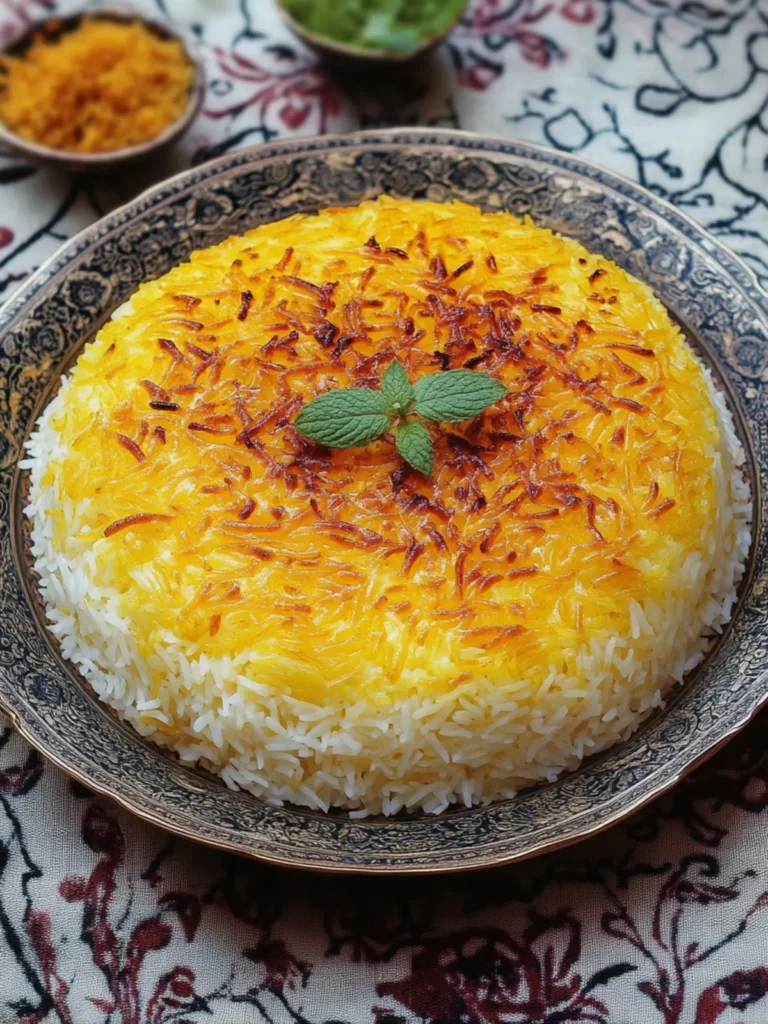
Tahdig (Persian Crispy Rice) Recipe FAQs
What type of rice is best for tahdig?
For the perfect tahdig, long grain, aged basmati rice is highly recommended. It provides the ideal structure and fluffiness, enhancing the texture contrast between the crispy crust and the tender rice above. Look for high-quality basmati to elevate your dish.
How should I store leftover tahdig?
Once cooled, store leftover tahdig in an airtight container at room temperature for the same day or refrigerate it for up to 2 days. Make sure to avoid stacking layers, as this can make the crust lose its crunchiness.
Can I freeze tahdig?
Absolutely! Tahdig can be frozen for up to 2 months. Wrap it tightly in plastic wrap or aluminum foil, then place it inside a freezer-safe container to prevent freezer burn. When you’re ready to enjoy, simply thaw in the fridge overnight.
What if my tahdig doesn’t get crispy?
If your tahdig isn’t crisping up properly, it could be due to not using enough oil or butter at the start. Ensure that you have enough fat in the pot, and check that the heat is set correctly—medium-high at first, then low to steam the rice gently. Also, listen for that hollow crackle; it’s your indicator that it’s ready!
Is tahdig safe for gluten-free diets?
Yes, tahdig is naturally gluten-free as it is made from rice. However, always double-check that any additional ingredients (like butter or saffron) are also gluten-free. Feel free to enjoy this delightful Persian crispy rice without worry!
Can I use different vegetables for potato tahdig?
Very! While traditional potato tahdig calls for medium potato slices, feel free to explore with other vegetables like zucchini or sweet potato. Just make sure they are cut thinly to ensure they cook through and contribute to that beloved crispy layer.
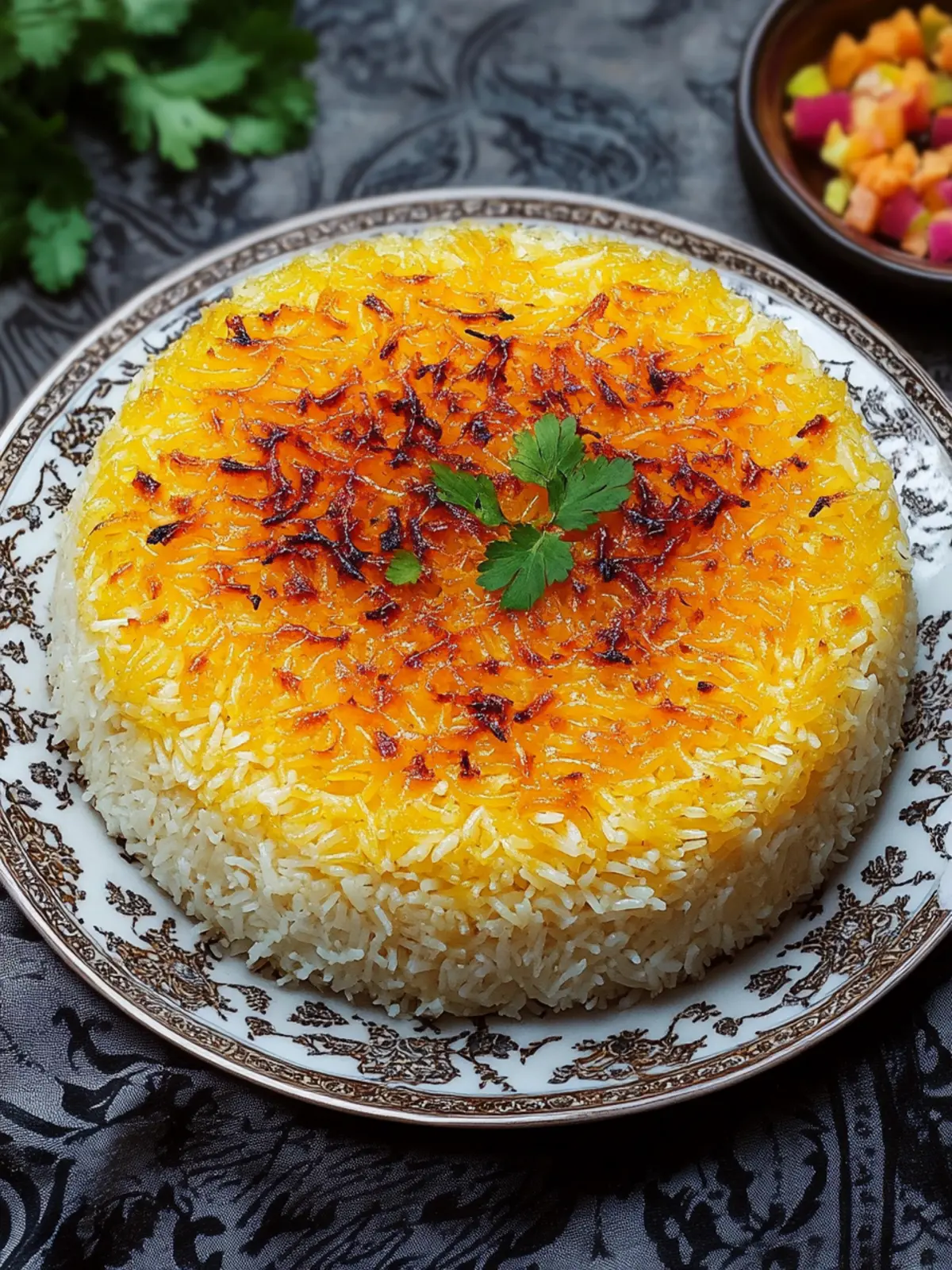
Master Crispy Tahdig: Elevate Your Persian Feast Today
Ingredients
Equipment
Method
- Rinse the rice multiple times in cold water until it runs clear, then soak for 30 minutes.
- Boil salted water and parboil the soaked rice for 6-7 minutes; drain and rinse with warm water.
- Bloom the saffron in hot water for at least 10 minutes.
- Melt butter and vegetable oil in a non-stick pot over medium heat; arrange potato slices on the bottom if using.
- Mix a portion of the rice with saffron water before spreading it over the bottom of the pot; layer the remaining rice.
- Create steam vents using a spoon handle and cover the pot with a towel-wrapped lid.
- Cook over medium-high heat for 10 minutes, then reduce to low for 30-40 minutes.
- Listen for a hollow crackle indicating the tahdig is ready; let it rest for a few minutes before inverting onto a platter.