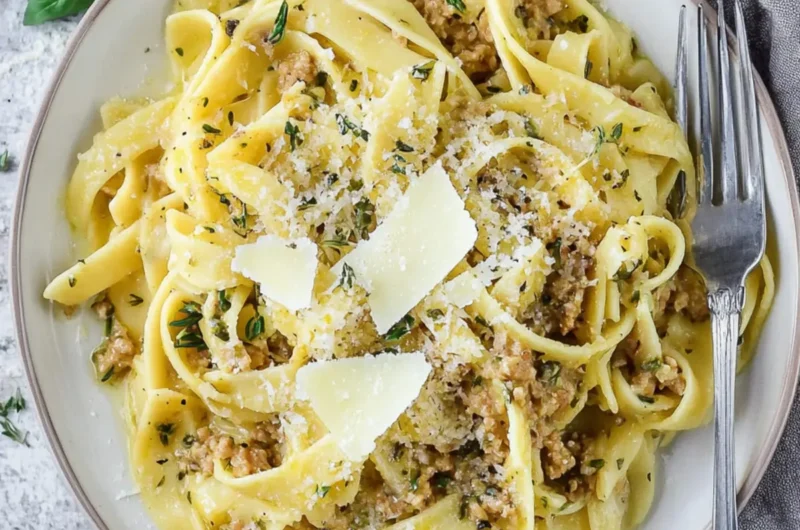
There’s something undeniably comforting about a steaming bowl of pasta, especially when it’s enveloped in a rich, creamy sauce like Ragu Bianco. Picture this: the scent of sizzling pancetta mingling with the fragrant herbs wafting through your kitchen, beckoning friends and family to gather around the table. This delightful twist on traditional Bolognese offers a satisfyingly hearty experience without a hint of tomato, making it a star dish for chilly evenings.
I first discovered Ragu Bianco during a cozy family dinner, where the warmth of the creamy sauce sparked joy and conversations, effortlessly bringing everyone together. With its silky texture and versatile ingredients, it’s the ultimate comfort food—perfect for impressing guests or treating yourself to a satisfying meal at home. Whether you’re a meat lover or opting for a vegetarian twist, this dish has something for everyone, making it an excellent addition to your culinary repertoire. Let’s dive into creating this Italian masterpiece that promises to please your taste buds!
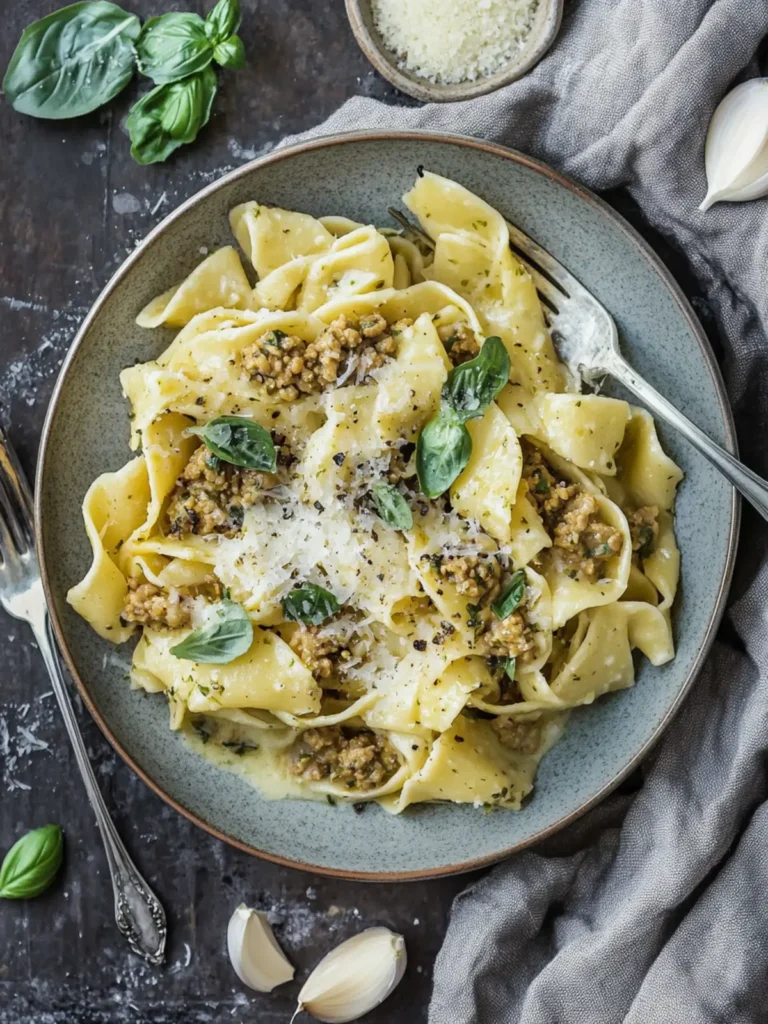
Why is Ragu Bianco the Perfect Comfort Food?
Comfort in Every Bite: This creamy Ragu Bianco delivers an extraordinary flavor experience without the acidity of tomatoes.
Simplicity at Its Core: With just a few ingredients and straightforward instructions, this recipe is easy to master.
Versatile Ingredients: Use pantry staples and adapt with meat or plant-based options to cater to your needs.
Hearty and Satisfying: The rich sauce clings beautifully to pasta, ensuring a delightful mouthfeel that’s perfect for sharing.
Crowd-Pleasing Appeal: Delight guests at gatherings or family dinners with this impressive dish that sparks joy and conversation.
Quick and Delicious: Whip up a comforting meal in no time—perfect for weeknight dinners or those special occasions!
Ragu Bianco Ingredients
For the Sauce
• Olive Oil – Use extra virgin olive oil for a richer flavor in your Ragu Bianco.
• Sweet Onion – Offers sweetness and flavor depth; substitute with yellow onion if needed.
• Carrots – Natural sweetness and texture; any variety of carrots works perfectly.
• Celery – Essential for mirepoix, enhancing the sauce’s aromatic profile.
• Garlic – Freshly minced garlic adds robust savory flavors to the sauce.
• Pancetta – Provides a salty, savory note; swap for bacon if you’re looking for a smokier taste.
• Ground Meat (Beef/Pork/Vegan Blend) – The heartiness comes from the meat; try lentils or crumbled tempeh for a vegetarian ragu.
• Fresh Rosemary, Sage, Thyme – These herbs define the sauce’s flavor; dried herbs can be used if fresh is not available.
• Dry White Wine – Choose a quality wine for acidity and depth that enhances the sauce.
• Low-Sodium Chicken Stock – Adds moisture and extra flavor without overwhelming saltiness.
• Whole Milk – Increases creaminess; use dairy-free milk to cater to vegan preferences.
• Sea Salt & Black Pepper – Necessary to enhance flavors; adjust seasoning to your taste.
• Dried Nutmeg – A pinch adds warmth and complexity to the Ragu Bianco sauce.
For the Pasta
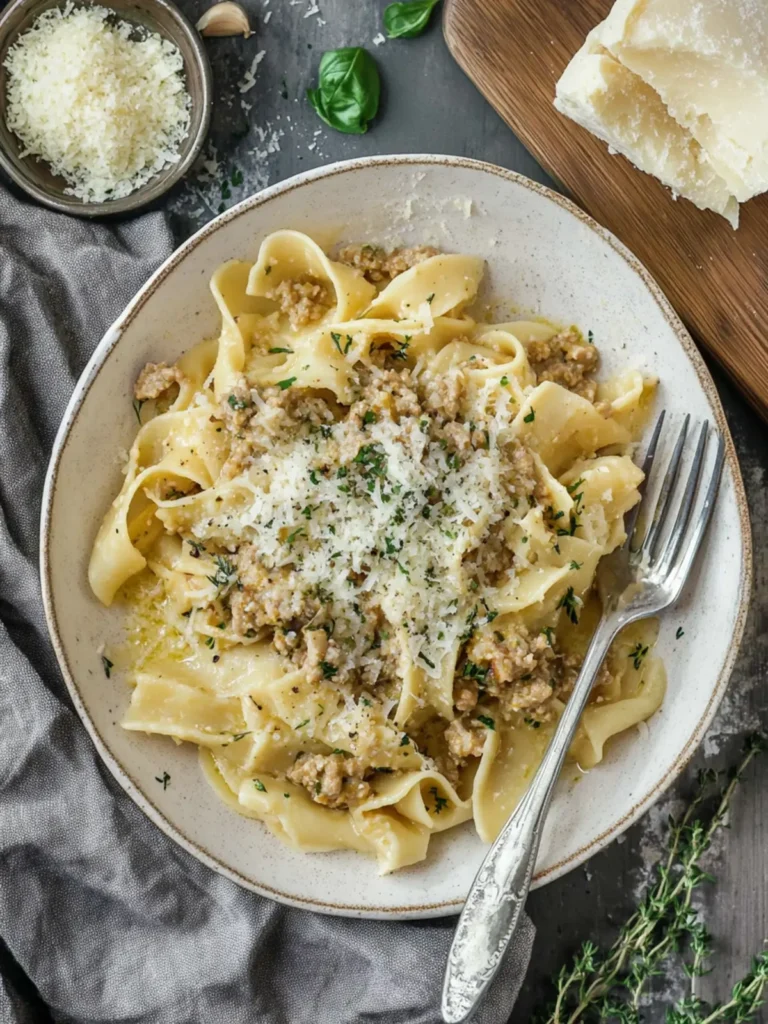
• Pappardelle – This wide pasta holds the sauce beautifully; fettuccine or tagliatelle are great substitutes if needed.
For Garnish
• Freshly Grated Parmesan Cheese – Adds umami flavor; consider using vegan cheese for a dairy-free option.
How to Make Ragu Bianco
-
Prepare the Mirepoix: In a food processor, puree the sweet onion, carrots, celery, and garlic into a smooth paste. This aromatic base will enhance the flavor of your sauce.
-
Cook Pancetta: Heat the olive oil in a large skillet over medium heat. Add pancetta and cook until it becomes crispy, about 5 minutes. This step adds a delicious savory note to the dish.
-
Sauté Vegetables: Add the pureed mirepoix to the skillet. Sauté until the mixture turns golden brown, around 10 minutes, letting those wonderful flavors develop.
-
Brown the Meat: Incorporate the ground meat into the skillet, breaking it up with a wooden spoon. Cook until the meat is well-browned, approximately 5-7 minutes.
-
Add Herbs and Wine: Stir in the fresh rosemary, sage, and thyme, then deglaze the pan with the dry white wine. Scrape the browned bits off the bottom of the pan and cook for 1 minute.
-
Simmer: Pour in the low-sodium chicken stock, whole milk, sea salt, black pepper, and a pinch of nutmeg. Bring the mixture to a boil, then lower the heat, cover, and simmer for 1 hour. Adjust seasoning as needed for the best flavor.
-
Cook Pasta: In a separate pot, bring salted water to a boil. Cook the pappardelle according to package instructions until al dente, typically about 8-10 minutes.
-
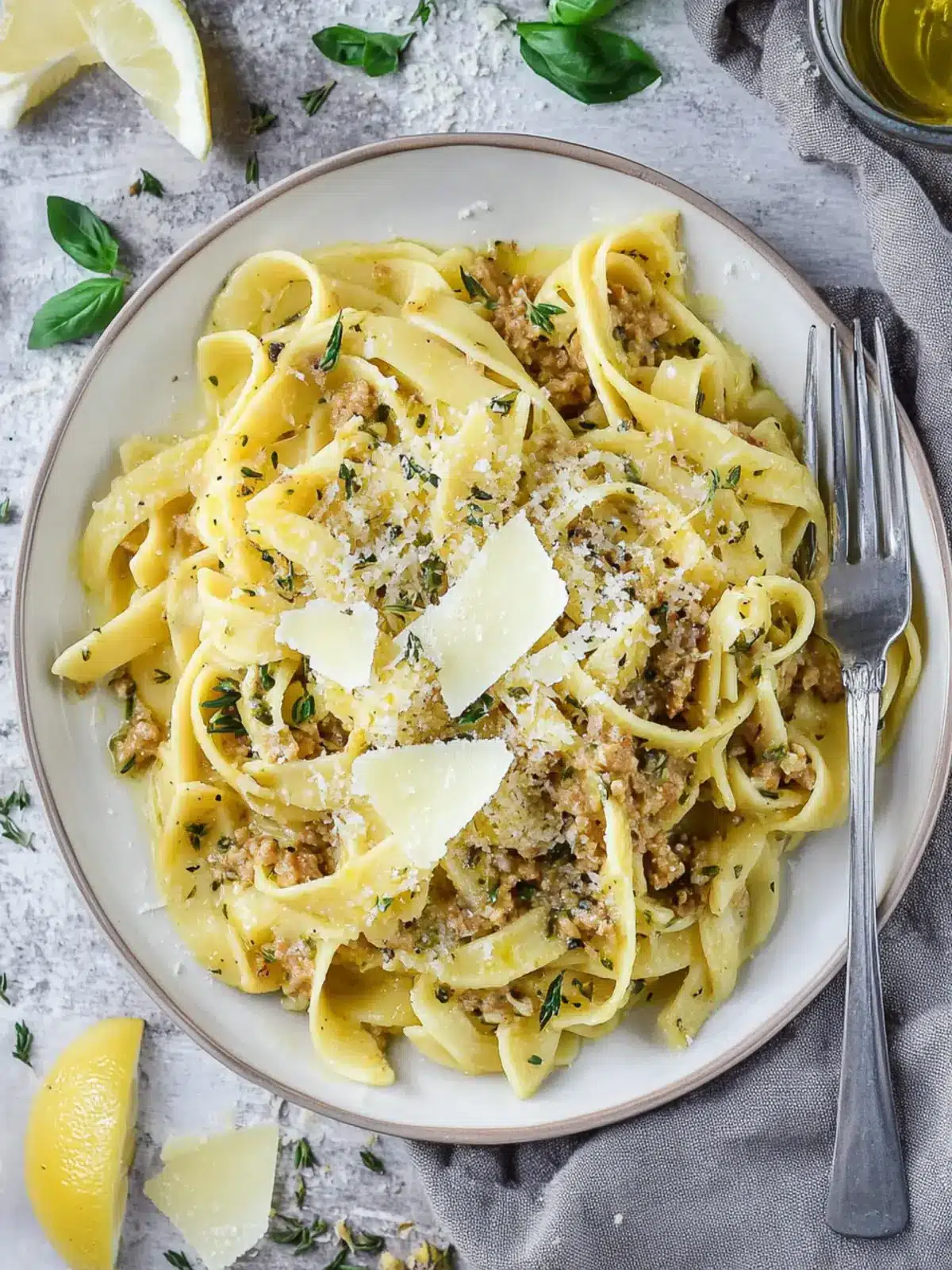
Combine: Drain the pasta, reserving ¼ cup of the pasta water. Add the drained pappardelle into the sauce, tossing to combine. If needed, add a bit of the reserved pasta water to achieve your desired sauce consistency. Serve hot, garnished with freshly grated Parmesan cheese.
Optional: Sprinkle with extra herbs for a fresh touch.
Exact quantities are listed in the recipe card below.
How to Store and Freeze Ragu Bianco
Fridge: Store leftovers in an airtight container for up to 3 days. This way, the creamy sauce maintains its delightful flavor and texture for your next meal.
Freezer: For longer storage, freeze Ragu Bianco in a freezer-safe container for up to 3 months. Ensure the sauce is cooled before placing it in the freezer to prevent ice crystals from forming.
Reheating: Thaw overnight in the fridge before reheating. Gently warm the Ragu Bianco in a saucepan over low heat, adding a splash of milk or reserved pasta water to restore its creamy consistency.
Portion Control: For convenience, freeze in individual portions. This allows you to enjoy a warm bowl of Ragu Bianco anytime you crave comfort food!
What to Serve with Ragu Bianco?
Creating a full meal around this creamy delight can elevate your dining experience and spark joy at your table.
- Garlic Bread: The crunchy texture and buttery garlic flavor make every bite a perfect companion to the creamy sauce.
- Mixed Green Salad: A fresh salad with a tangy vinaigrette balances the richness of the Ragu Bianco, providing a light contrast. The crisp greens and refreshing dressing will enhance every mouthful, making each bite even more enjoyable.
- Roasted Vegetables: A medley of seasonal veggies adds earthy flavors and vibrant colors, complementing the dish while offering a nutritious boost.
- Chardonnay: A glass of chilled Chardonnay infuses elegance into your meal, harmonizing beautifully with the creamy pasta without overpowering its lovely flavors.
- Herbed Risotto: Creamy and comforting, herbed risotto mirrors the texture of Ragu Bianco while bringing in herbal notes that deepen the dish’s complexity.
- Tiramisu: Cap off your meal with this classic Italian dessert; its coffee and cocoa flavors provide a delightful ending to the comforting richness of the pasta.
- Grated Parmesan Crisps: These crunchy treats bring an extra salty touch that contrasts beautifully with the creamy sauce, making them irresistible as a snack or garnish.
- Warm Focaccia: Soft, herbed focaccia is perfect for soaking up the creamy sauce, allowing you to savor every bit of your Ragu Bianco.
- Spicy Radish Salad: A quick salad of spicy radishes and onions adds a sharp bite that cuts through the sauce’s richness, enhancing your overall dining experience.
- Fruit Sorbet: Light and refreshing, serving a fruit sorbet after your meal cleanses the palate, offering a sweet farewell to a delightful Italian feast.
Expert Tips for Ragu Bianco
- Quality Ingredients: Always choose high-quality olive oil and wine; they significantly enhance the flavor profile of your Ragu Bianco.
- Taste As You Go: Regularly sampling helps you adjust seasoning throughout the cooking process, ensuring a well-balanced dish.
- Don’t Rush the Simmer: Allowing the sauce to simmer for a full hour lets the flavors meld together beautifully; avoid rushing this important step.
- Pasta Consistency: Reserve some pasta water before draining; adding it can help achieve the perfect creamy consistency in your Ragu Bianco.
- Herb Choices: If you’re using dried herbs instead of fresh, remember to use less—dried herbs are more concentrated and can overwhelm the dish if overused.
Make Ahead Options
These comforting Ragu Bianco variations are perfect for busy weeknights and meal prep enthusiasts! You can prepare the sauce up to 3 days in advance by cooking it through step 6, then allowing it to cool before storing it in an airtight container in the refrigerator. For the best flavor, reheat gently on the stove, adding a splash of chicken stock or water to maintain its creamy texture. You can also chop the mirepoix (onion, carrot, celery, garlic) and refrigerate it up to 24 hours ahead. When you’re ready to serve, just cook your pasta and combine everything, enjoying a rich home-cooked meal with minimal last-minute effort!
Ragu Bianco Variations & Substitutions
Feel free to explore these delightful twists to make this creamy dish your own!
- Vegetarian: Swap ground meat with crumbled tempeh or tofu for a heartwarming plant-based alternative.
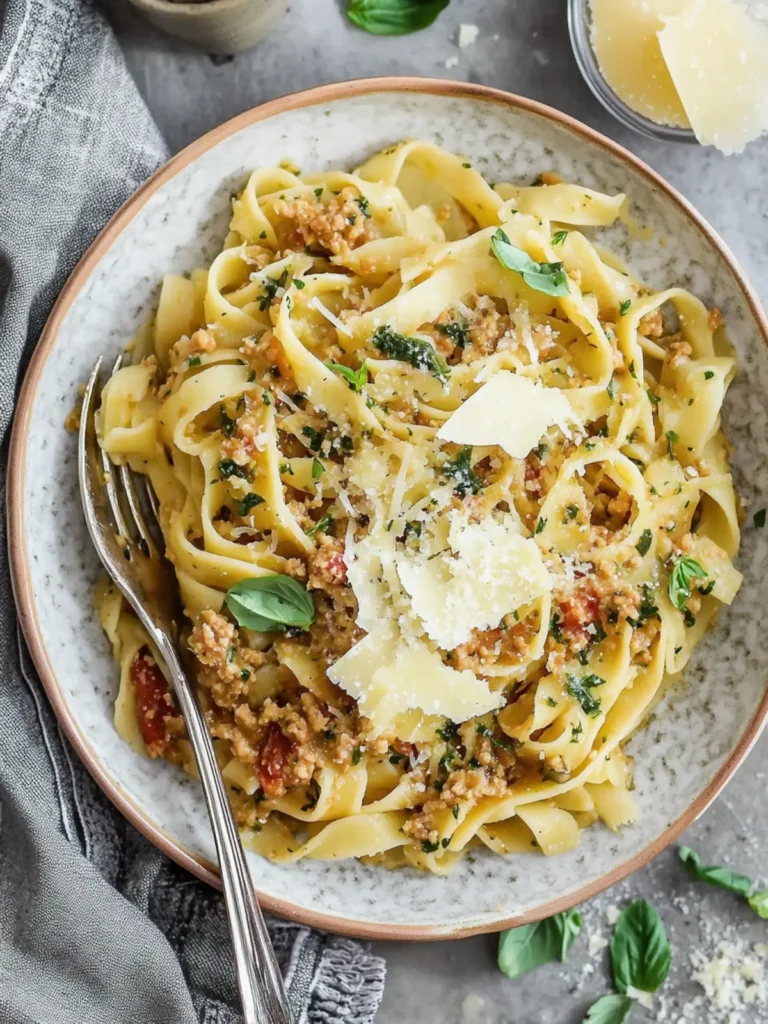
- Pasta Variety: Use rigatoni or fettuccine instead of pappardelle for a different mouthfeel that still holds the sauce beautifully.
- Added Veggies: Toss in fresh spinach or peas during the last 10 minutes of simmering for added color and nutrition.
- Spicy Kick: Add red pepper flakes to the sauce for a subtle heat that elevates your Ragu Bianco experience.
- Herb Fusion: Experiment with fresh basil or parsley for an aromatic finish that brings a fresh twist to the classic flavor profile.
- Nut-Free: Replace whole milk with oat milk or coconut milk for a creamy texture without nuts; the flavor remains delightful.
- Creamy Twist: Mix in a touch of cream cheese or ricotta at the end for an ultra-luxe sauce that adds richness.
- Smoky Flavor: Use smoked pancetta or bacon instead of regular for an extra savory depth that makes each bite sing.
Ragu Bianco Recipe FAQs
What type of olive oil is best for Ragu Bianco?
Absolutely! For the most flavorful results, I recommend using extra virgin olive oil. Its richer flavor enhances your Ragu Bianco compared to regular olive oil, making your dish that much more delightful!
How can I store leftover Ragu Bianco?
Store leftovers in an airtight container in the refrigerator for up to 3 days. To ensure it stays fresh, make sure the container is sealed tightly. For best taste, reheat gently on the stove with a splash of milk or reserved pasta water to bring back that creamy texture.
Can I freeze Ragu Bianco?
Yes, you can! First, allow it to cool completely, then transfer to a freezer-safe container. It can be frozen for up to 3 months. When you’re ready to enjoy it again, thaw overnight in the fridge, and reheat gently on the stove, adding a bit of milk or pasta water to restore creaminess.
What can I do if my Ragu Bianco is too thick?
Very good question! If your sauce ends up thicker than you’d like, simply add a little reserve pasta water, milk, or stock as you reheat. Stir gently until it reaches your preferred consistency. I often find that it helps bring everything back to its creamy, luscious state!
What ingredients should I consider if I have dietary restrictions?
For a vegetarian option, simply swap the ground meat with crumbled tempeh or lentils. If lactose-free is your goal, substitute whole milk with a dairy-free alternative like oat or almond milk. And for those with nut allergies, ensure your herbal garnishes are nut-free, which typically they are!
How do I know if my ingredients are fresh enough?
When selecting vegetables, look for bright colors and no dark spots. Fresh herbs should be vibrant and fragrant. For meat, ensure there are no off odors and that it’s within the expiration date. A good tip is to check if your ground meat is sticky or discolored, indicating it may not be at its best.
Enjoy making your Ragu Bianco! 🍝
Comforting Ragu Bianco: A Creamy Italian Pasta Dream
Ingredients
Equipment
Method
- Prepare the Mirepoix: In a food processor, puree the sweet onion, carrots, celery, and garlic into a smooth paste.
- Cook Pancetta: Heat olive oil in a large skillet over medium heat. Add pancetta and cook until crispy, about 5 minutes.
- Sauté Vegetables: Add pureed mirepoix to the skillet. Sauté until golden brown, around 10 minutes.
- Brown the Meat: Incorporate ground meat into the skillet, breaking it up. Cook until well-browned, approximately 5-7 minutes.
- Add Herbs and Wine: Stir in fresh herbs, then deglaze pan with dry white wine. Cook for 1 minute.
- Simmer: Pour in chicken stock, whole milk, salt, pepper, and nutmeg. Bring to a boil, then simmer for 1 hour.
- Cook Pasta: In a separate pot, boil salted water and cook pappardelle until al dente, typically about 8-10 minutes.
- Combine: Drain pasta, reserving ¼ cup pasta water. Add drained pasta into sauce, tossing to combine. Serve hot garnished with Parmesan.