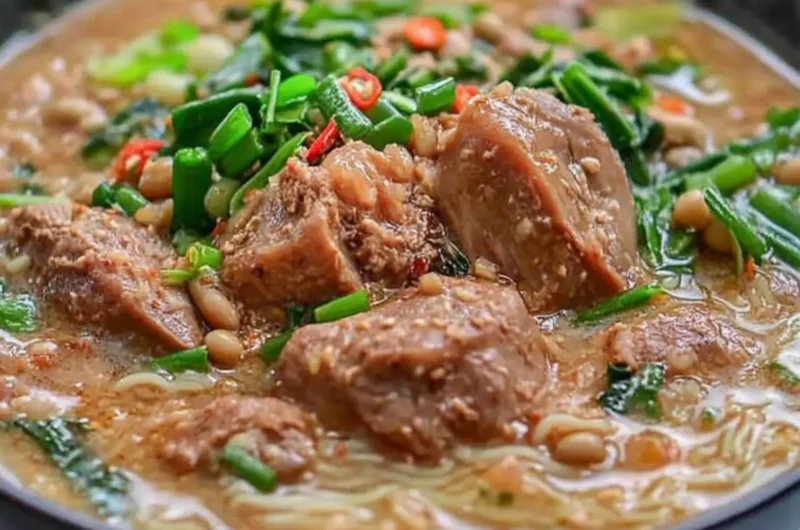
When the weather turns chilly and the craving for comfort food hits, there’s nothing quite like a warm bowl of Pork Hock and Mung Beans with Vermicelli (Ginisang Monggo with Pata at Sotanghon) to soothe the soul. The enchanting aroma of tender pork simmering alongside creamy mung beans wraps around my kitchen like a cozy blanket, instantly transporting me to my childhood and family gatherings that revolved around this hearty dish.
This Filipino favorite blends rich flavors and textures, with the melt-in-your-mouth pork hocks harmonizing beautifully with soft, chewy glass noodles. Not only is it an easy meal to whip up after a long day, but it’s also packed with protein and fiber, making it a fulfilling option for anyone stepping away from fast food. Plus, it’s perfect for sharing, inviting loved ones to savor the warmth with every spoonful. Let’s dive into this delicious recipe that brings comfort to the table, one bowl at a time.
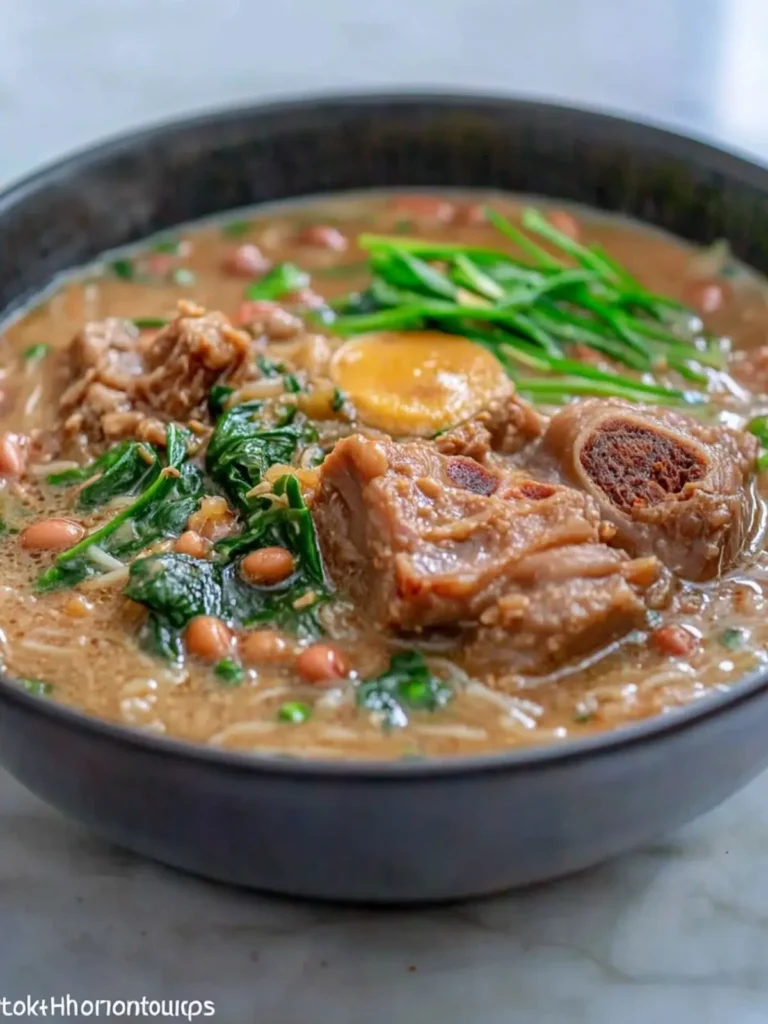
Why is Pork Hock and Mung Beans with Vermicelli so irresistible?
Comforting warmth: This dish wraps you in a hug of flavor, perfect for chilly evenings.
High-protein delight: Packed with protein-rich pork hocks and mung beans, it’s a meal that fuels your body.
Crowd favorite: Ideal for gatherings, everyone will love the hearty goodness and nostalgic flavors.
Easy to prepare: Whip it up in under an hour, making it a practical choice for busy weeknights.
Versatile: Feel free to swap proteins or add veggies to suit your taste, making it a timeless classic.
Nutrient-packed: With fiber from mung beans and dark leafy greens, this recipe nourishes both body and soul.
Pork Hock and Mung Beans with Vermicelli Ingredients
For the Dish
- Pork Hocks – The main protein source that provides rich flavor and heartiness. Ensure they are cleaned prior to cooking.
- Mung Beans – Adds a creamy texture and nutritional value, rich in protein and fiber. Fresh or dried, ensure they are washed.
- Sotanghon (Glass Noodles) – Provides a chewy texture that complements the dish. Substitute with any similar noodles if unavailable.
- Beef Powder – Enhances the umami flavor of the dish. Can substitute with vegetable stock for a lighter taste.
- Onion – Base flavor for sautéing. Shallots can be used as an alternative.
- Garlic – Adds depth and aroma. Fresh is preferred for the best flavor.
- Tomatoes – Contributes acidity and sweetness. Any ripe type can be used; canned tomatoes are an alternative.
- Baby Spinach – Adds color and nutrition at the finish. Other leafy greens like kale or Swiss chard can be used.
- Water – Essential for cooking the ingredients and creating the broth.
- Fish Sauce – Adds saltiness and flavor complexity. Soy sauce can be a substitute for a different taste.
- Ground Black Pepper – For seasoning.
By gathering these simple yet rich ingredients, you’re well on your way to creating a comforting bowl of Pork Hock and Mung Beans with Vermicelli that warms the heart and delights the taste buds!
How to Make Pork Hock and Mung Beans with Vermicelli
-
Boil the pork hocks in 4 cups of water for 10 minutes. This helps to clean them and start the cooking process. After boiling, drain and rinse the pork hocks thoroughly, then set aside.
-
Sauté in a cooking pot by heating oil over medium heat. Add minced garlic, diced onion, and chopped tomatoes, cooking until they are soft and fragrant, about 5-7 minutes.
-
Add the mung beans to the sauté mixture and stir for an additional 30 seconds. This step brings out the flavors and ensures the beans are well combined.
-
Pour in 4 cups of water and add the cleaned pork hocks. Bring to a boil, then cover and simmer on low heat for 50-60 minutes. Stir occasionally and add more water if needed until the pork is tender.
-
Toss in the sotanghon noodles, cooking on low heat for 3-5 minutes. You want the noodles to soften and mingle with the creamy mung beans, creating a satisfying texture.
-
Stir in the beef powder, fish sauce, and ground black pepper to taste. This enhances the umami flavors, making every bite deliciously seasoned.
-
Fold in the baby spinach, then turn off the heat and cover for 1 minute. This allows the spinach to wilt gently without losing its vibrant color.
-
Serve the dish hot over steamed rice, and enjoy the comforting flavors with family and friends!
Optional: Garnish with fresh herbs for an extra burst of flavor.
Exact quantities are listed in the recipe card below.
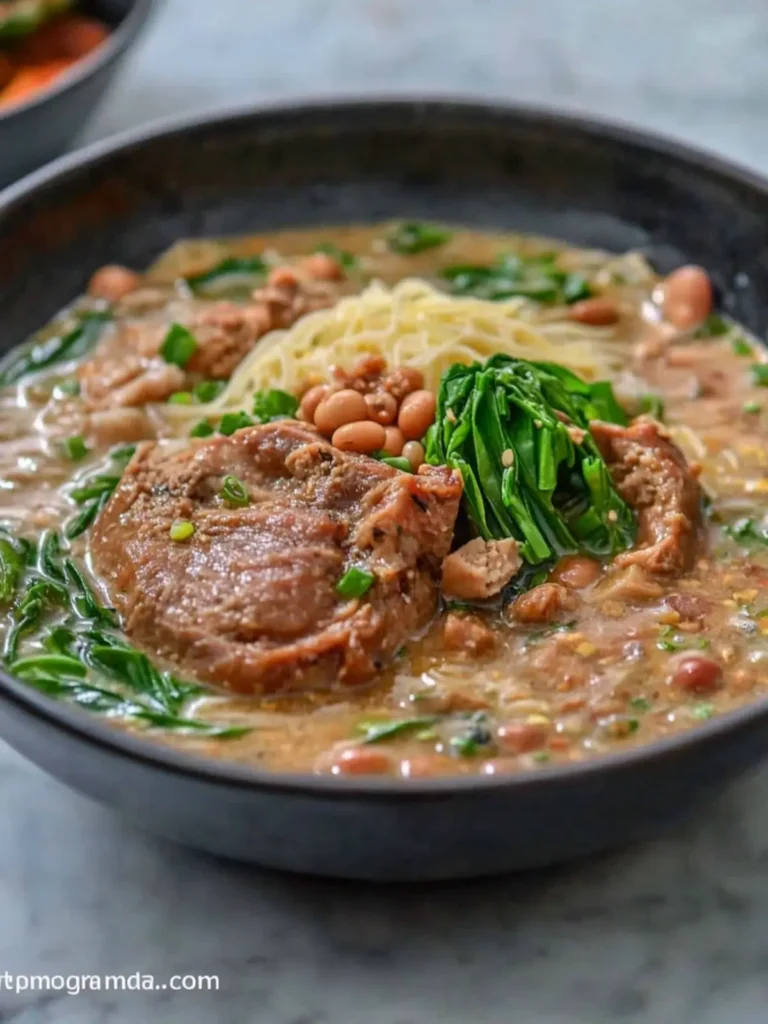
Storage Tips for Pork Hock and Mung Beans with Vermicelli
Fridge: Store leftovers in an airtight container for up to 3 days. This allows the flavors to meld while keeping the dish fresh.
Freezer: For longer storage, freeze the dish in portions for up to 2 months. Make sure to use freezer-safe containers, leaving space for expansion.
Reheating: Thaw overnight in the fridge before reheating on the stove or microwave until heated through. Add a splash of water if the noodles are too thick in texture.
Room Temperature: Avoid leaving the dish out for more than 2 hours to prevent spoilage. Enjoy your Pork Hock and Mung Beans with Vermicelli hot and fresh!
Make Ahead Options
These Pork Hock and Mung Beans with Vermicelli are perfect for busy home cooks looking to save time! You can prep the pork hocks and mung beans up to 24 hours in advance by boiling the pork hocks, cleaning them, and combining them with the sautéed garlic, onion, and tomatoes. Allow the mixture to cool, then refrigerate it in an airtight container. The sotanghon noodles and baby spinach can also be kept separate until you’re ready to finish the dish. When you’re ready to serve, simply reheat the pork and mung bean mixture, add the soaked sotanghon noodles, and stir in the spinach for a nourishing meal just like homemade, without the last-minute rush!
Pork Hock and Mung Beans with Vermicelli Variations
Feel free to get creative with this cozy dish by making it your own! Enjoy experimenting with these delightful variations.
-
Chicken Swap: Replace pork hocks with chicken thighs for a lighter, yet equally flavorful option. The tender chicken will soak up the rich broth beautifully.
-
Vegetarian Delight: Use mushrooms and firm tofu instead of meat for a hearty plant-based version. This swap adds a delightful umami flavor without sacrificing texture.
-
Thick and Hearty: Mash some of the mung beans as they cook for a creamier consistency that coats the noodles for an extra comforting bite.
-
Extra Veggies: Toss in chopped carrots, bell peppers, or green beans during the sauté step for added color and nutrition. This not only brightens the dish but also packs in additional vitamins.
-
Spice it Up: Add red pepper flakes or chili paste while cooking if you enjoy a little heat. This brings a vibrant kick that compliments the dish’s comforting nature.
-
Herb Infusion: Experiment with fresh cilantro, basil, or mint stirred in just before serving for a burst of fresh flavor that brightens every spoonful.
-
Lemon Zing: A squeeze of fresh lemon or lime juice just before serving can brighten the flavors and add a delightful tang that cuts through the richness.
-
Brothy Goodness: For a more soup-like dish, increase the water or broth by a cup or two. This makes for a comforting bowl with plenty of broth to sip between bites.
Expert Tips for Pork Hock and Mung Beans with Vermicelli
- Prepping Pork: Clean pork hocks well before boiling to remove impurities and ensure a clear broth. This enhances the overall flavor of your dish.
- Mung Bean Magic: Soak mung beans for a few hours if you’re using dried ones; this step helps them cook faster and achieve a creamy texture in the broth.
- Water Watch: Keep an eye on the cooking water level; adding extra water ensures the noodles and beans don’t stick or become too thick during cooking.
- Flavors Matter: Start with less fish sauce; you can always add more later. This way, you control the saltiness of your Pork Hock and Mung Beans with Vermicelli.
- Heat Management: Simmer the dish on low heat rather than a rolling boil to allow flavors to meld without toughening the pork hocks.
- Garnish Wisely: Adding some freshly chopped herbs like cilantro or scallions not only adds color but elevates the dish’s aroma and taste just before serving.
What to Serve with Pork Hock and Mung Beans with Vermicelli?
When planning a meal, pairing the right sides can elevate your dining experience and create a delightful culinary adventure.
- Steamed Rice: The ultimate companion, fluffy rice absorbs the rich, savory broth and complements the hearty pork hocks beautifully.
- Crispy Prawn Chips: These light, crunchy bites add a delightful texture contrast, enhancing the overall enjoyment of your meal.
- Fresh Cucumber Salad: A refreshing salad with cucumber, tomatoes, and vinegar adds a zesty crunch, balancing the richness of the dish.
- Spicy Garlic Vinegar: A small side of this tangy dip can enhance every bite, stimulating your taste buds with a hint of heat.
- Pickled Vegetables: The acidity from pickled veggies cuts through the richness, providing a bright and flavorful contrast.
- Sweet Mangoes: Offering a touch of sweetness and lightness, fresh mangoes make a wonderful palate cleanser to conclude the meal.
- Hot Ginger Tea: Warm ginger tea aids digestion and adds a comforting end to your meal, enveloping you in warmth from the inside out.
- Tropical Fruit Salad: A medley of tropical fruits can be a vibrant side, their natural sweetness complementing the savory flavors of the main dish.
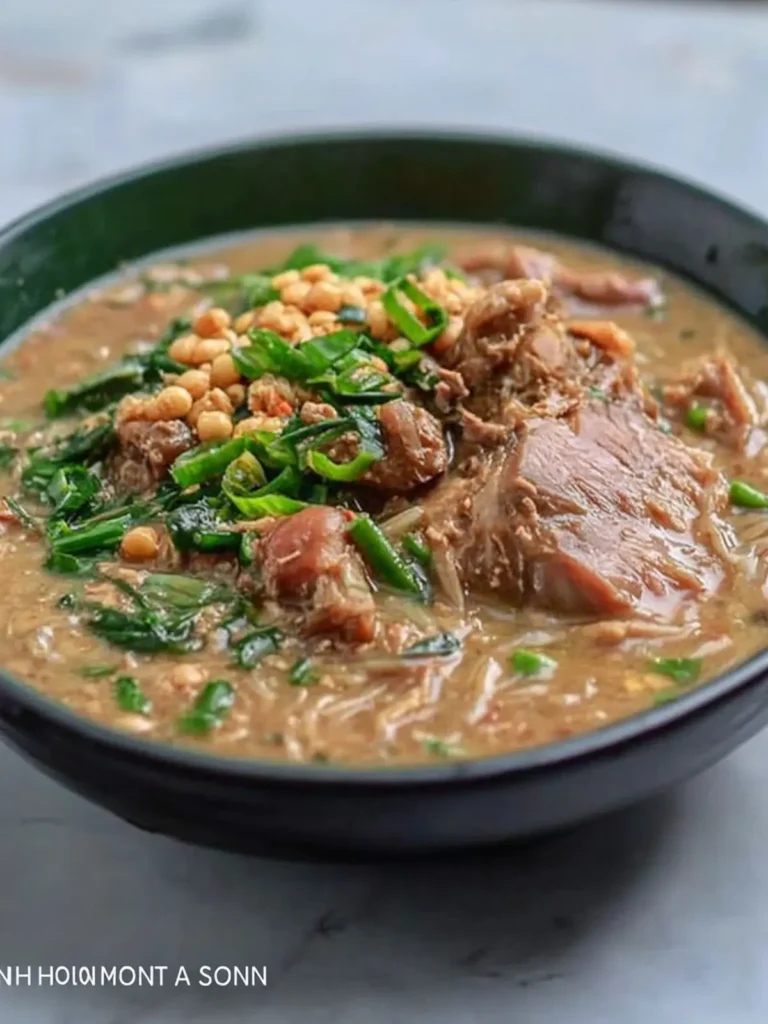
Pork Hock and Mung Beans with Vermicelli Recipe FAQs
What should I look for when selecting pork hocks?
Absolutely! When choosing pork hocks, look for ones with a good amount of meat and a pinkish hue. Avoid those with dark spots or a gray color, as this may indicate spoilage. Fresh hocks will have a firm texture and minimal odor. Always ensure they are cleaned properly before cooking.
How should I store leftovers of Pork Hock and Mung Beans with Vermicelli?
Leftovers can be stored in an airtight container in the fridge for up to 3 days. This allows the flavors to meld as they sit. If you want to store them longer, they freeze beautifully for up to 2 months in freezer-safe containers. Just make sure to leave some space for expansion as they freeze!
Can I freeze Pork Hock and Mung Beans with Vermicelli?
Yes, you can! To freeze, allow the dish to cool completely. Portion it into freezer-safe containers, leaving a little room for the food to expand as it freezes. It’s best consumed within 2 months for optimal taste. When you’re ready to enjoy, thaw it overnight in the fridge and then reheat gently on the stove.
What can I do if my mung beans are too hard after cooking?
If the mung beans remain hard even after simmering, it might be due to their age. Old beans take longer to soften. For future batches, soak dried mung beans for a few hours before cooking, or pressure cook them for about 10 minutes prior to adding them to your main dish. This will help in achieving that desired creamy texture!
Is this dish suitable for people with dietary restrictions?
Very! If you’re concerned about allergens, make sure to check the labels for any hidden ingredients, especially in the beef powder and fish sauce. For a lighter option, you can substitute the beef powder with vegetable stock, and the fish sauce with soy sauce if needed. Additionally, while mung beans are generally safe for pets, always consult your veterinarian before sharing any human food with them.
How long will the dish stay fresh at room temperature?
It’s best to avoid leaving Pork Hock and Mung Beans with Vermicelli at room temperature for more than 2 hours. This helps prevent spoilage and ensures safe eating. To enjoy the best flavor and texture, serve it hot and fresh!
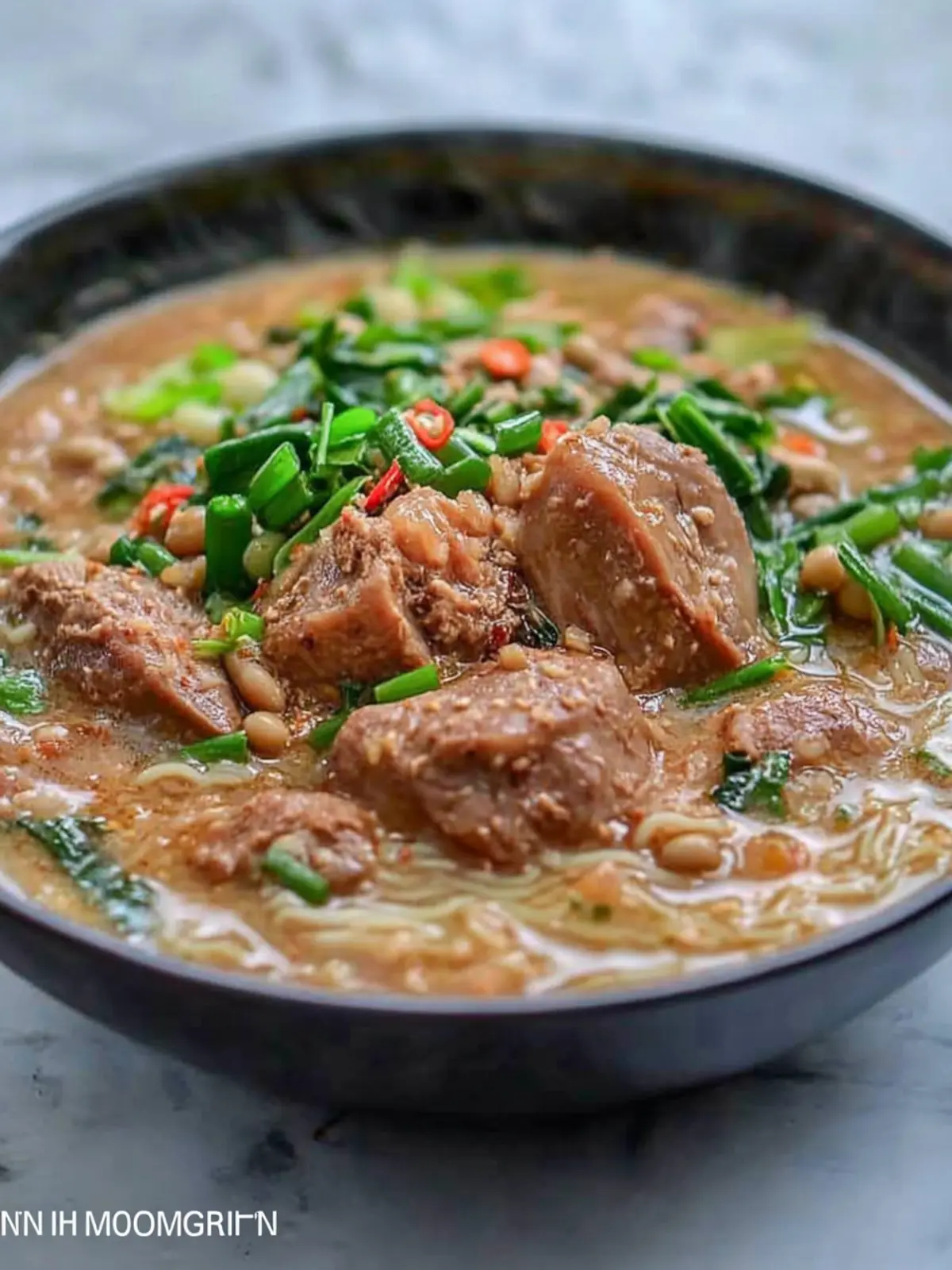
Pork Hock and Mung Beans with Vermicelli: Cozy Filipino Bliss
Ingredients
Equipment
Method
- Boil the pork hocks in 4 cups of water for 10 minutes to clean and start the cooking process. Drain and rinse thoroughly, then set aside.
- Sauté in a cooking pot by heating oil over medium heat. Add minced garlic, diced onion, and chopped tomatoes, cooking until soft and fragrant, about 5-7 minutes.
- Add the mung beans to the sauté mixture and stir for an additional 30 seconds to combine the flavors.
- Pour in 4 cups of water and add the cleaned pork hocks. Bring to a boil, cover, and simmer on low heat for 50-60 minutes until the pork is tender, adding more water if needed.
- Toss in the sotanghon noodles, cooking on low heat for 3-5 minutes until softened.
- Stir in the beef powder, fish sauce, and ground black pepper to taste.
- Fold in the baby spinach, then turn off the heat and cover for 1 minute to wilt gently.
- Serve hot over steamed rice and enjoy with family and friends.