

When summer days are long and the garden is brimming with fresh produce, there’s nothing quite like making a vibrant pot of Pinakbet to celebrate the flavors of the Philippines. This traditional Filipino vegetable stew is a delightful medley of seasonal vegetables, slow-cooked to create a rich, comforting dish that warms the heart and soul.
The moment I lift the lid and inhale the aroma of garlic, tomatoes, and earthy shrimp paste, I’m transported to my childhood kitchen, where family gatherings revolved around shared meals. The beauty of Pinakbet lies not only in its taste but also in its versatility, as you can easily swap vegetables based on what you have on hand.
Whether you’re a seasoned chef looking to diversify your repertoire or someone trying to dodge the usual fast food routine, this recipe is your ticket to a wholesome, home-cooked experience that brings everyone to the table. Let’s dive into this delicious journey together, and learn how to create a bowl of Pinakbet that’s as nourishing as it is satisfying!

Why love Pinakbet for dinner tonight?
Heartwarming Experience: This dish brings nostalgia, evoking memories of family gatherings and shared meals.
Flavor Explosion: The umami from shrimp paste harmonizes with fresh vegetables for a delectable taste.
Versatility: Feel free to swap in seasonal produce or even make it vegetarian with ease!
Hearty and Wholesome: Packed with nutrients while comforting, this stew is perfect for revitalizing your dinner table.
Quick Preparation: It requires minimal prep and allows for a longer cooking time, making it a perfect time-saver.
Elevate your dinner game with this traditional recipe that everyone will love. We promise it’s worth the effort!
Pinakbet (Filipino Vegetable Stew) Ingredients
For the Stew
- Oil – Essential for cooking; substitute with groundnut or coconut oil for an authentic flavor.
- Tomatoes – Adds a lovely acidity and sweetness; fresh or canned tomatoes work beautifully.
- Onion – Provides aromatic depth; shallots can be used for a milder taste.
- Garlic – Infuses a robust flavor; always use fresh garlic to capture its true essence.
- Pork Belly – Contributes richness; you can substitute with chicken or omit for a vegetarian Pinakbet.
- Fermented Shrimp Paste (Bagoong Alamang) – This is key for umami flavor; if you prefer milder, use fish sauce instead.
- Pumpkin/Squash – Adds sweetness and body; choose according to what’s in season.
- Aubergine (Eggplant) – For a silky texture; zucchini can be used if eggplant is unavailable.
- Okra – Enhances texture; feel free to omit or swap with green beans if needed.
- Yardlong Beans (Sitaw) – Provides a delightful crunch; regular green beans are a good alternative.
- Bitter Melon (Ampalaya) – Delivers a unique bittersweet flavor; this can be omitted if you’re looking for something milder.
- Baby Corn – Adds an extra touch of sweetness; can replace with regular corn if necessary.
- Water – The base for simmering your delightful stew.
- Fish Sauce – Enhances the savory depth; you can adjust or omit it according to your taste preferences.
- Freshly Ground Black Pepper – For added seasoning; use according to your taste.
Cook up the flavors of the Philippines with this delightful Pinakbet recipe! Each ingredient plays its part in creating an unforgettable stew that’s sure to become a family favorite.
How to Make Pinakbet
-
Prepare Vegetables: Begin by washing and cutting all your vegetables into uniform pieces. This ensures even cooking and allows all the flavors to meld beautifully together.
-
Cook Pork: Heat oil in a wide pan over medium heat. Add the pork belly and cook until it turns slightly golden and the fat renders, about 5-7 minutes.
-
Build Flavor Base: Add garlic, onion, and tomatoes to the pan. Sauté these ingredients until fragrant and the tomatoes become soft, approximately 3-4 minutes.
-
Add Shrimp Paste: Stir in the fermented shrimp paste, allowing it to fry for about a minute. The aroma it releases is simply divine and essential for a great umami flavor!
-
Incorporate Vegetables: Start with the pumpkin, then add water to the pan. Cover it and let it simmer for around 5 minutes. Layer the remaining vegetables on top without stirring, to keep their structure.
-
Steam Vegetables: Cover the pan and steam the vegetables for 10 minutes. This keeps them vibrant in color and ensures they’re cooked perfectly.
-
Final Seasoning: Add fish sauce and freshly ground black pepper; gently mix all the ingredients carefully to avoid mashing the vegetables.
-
Simmer: Cook uncovered for an additional 5-7 minutes until all the vegetables are tender yet retain their beautiful colors.
-
Serve: Dish out the Pinakbet into deep bowls, serving it alongside steaming rice. Garnish with extra fish sauce or shrimp paste on the side for an authentic touch.
Optional: Top with freshly chopped herbs for added freshness.
Exact quantities are listed in the recipe card below.
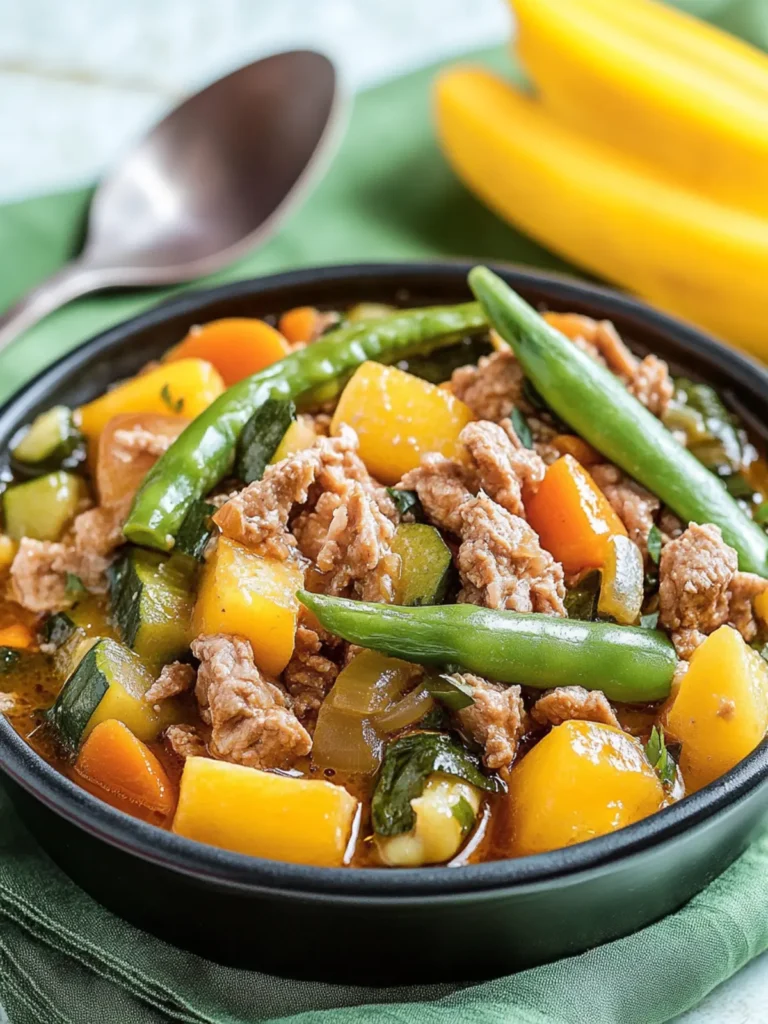
What to Serve with Pinakbet?
When it comes to enjoying Pinakbet, the colorful Filipino vegetable stew, a few delightful sides can elevate your dining experience to the next level.
-
Steamed Jasmine Rice: The fluffy texture of rice absorbs the rich flavors of Pinakbet, making each bite even more comforting.
-
Grilled Shrimp Skewers: The smoky flavor of grilled shrimp complements the stew’s earthy notes beautifully, adding a delicious protein boost.
-
Crispy Lumpiang Shanghai: These savory spring rolls offer a delightful crunch to contrast with the tender vegetables in Pinakbet.
-
Fresh Ensaladang Mangga: The tangy green mango salad refreshes your palate and provides a vibrant contrast to the hearty stew.
-
Fried Tofu Bites: These add a lovely, chewy texture and are perfect for soaking up the flavorful broth of your Pinakbet.
-
Pineapple Juice: This sweet, refreshing drink balances the umami richness of the stew, perfect for a warm evening.
-
Banana Crepes: Finish the meal with a light dessert; the sweetness of banana-filled crepes makes for a delightful ending.
-
Coconut Salad: This dish introduces a creamy, tropical flair that pairs nicely with the vegetables and fish sauce flavors.
Make Ahead Options
Pinakbet is a fantastic option for meal prep, saving you time on busy weeknights! You can chop all your vegetables and store them in an airtight container in the refrigerator for up to 3 days. Additionally, the flavor base of pork, garlic, tomatoes, and shrimp paste can be pre-cooked and refrigerated for up to 24 hours. When you’re ready to serve, simply heat the prepped mixture in a pan, add the fresh vegetables, cover, and steam for about 10 minutes. This way, you’ll enjoy a fresh, comforting dish that’s just as delicious as if it were made from scratch that day, allowing you to savor quality homemade food without the fuss!
Pinakbet Variations & Substitutions
Feel free to explore the delightful world of customization with these simple twists and swaps for your Pinakbet.
- Vegetarian Delight: Omit pork entirely and replace with tofu or tempeh for a hearty plant-based version that’s still packed with flavor.
- Spicy Kick: Add sliced chili peppers during cooking to infuse a warm heat, or serve fresh chili on the side for those who love extra spice.
- Roots and Greens: Replace pumpkin with sweet potatoes or add spinach for lush color and added nutrients, creating a stunning contrast in your stew.
- Seafood Twist: Incorporate shrimp or fish instead of pork for a seafood-focused dish that gives a fresh perspective on the traditional recipe.
- Coconut Creaminess: Stir in a splash of coconut milk towards the end for a rich and creamy texture that elevates this hearty stew to new levels.
- Nutty Crunch: Top with roasted peanuts or cashews just before serving for an added crunch that beautifully contrasts with the tender vegetables.
- Umami Boost: Experiment with different brands of shrimp paste or try fermented soybean paste for a unique flavor dimension in your dish.
- Sweet and Sour: Toss in a handful of pineapple chunks or a splash of vinegar for a delightful sweet and tangy twist that plays beautifully with the savory notes.
How to Store and Freeze Pinakbet
Fridge: Store any leftover Pinakbet in an airtight container in the fridge for up to 3 days to keep it fresh and delicious.
Freezer: Pinakbet can be frozen for up to 3 months. Portion it into freezer-safe containers, ensuring it’s cooled completely to maintain taste and texture.
Reheating: When ready to enjoy, thaw frozen Pinakbet overnight in the refrigerator. Reheat gently on the stovetop or in the microwave, adding a splash of water if needed.
Enjoy Fresh: For the best taste, savor Pinakbet fresh right after cooking, as the flavors meld beautifully when first made.
Expert Tips for Pinakbet
-
Even Cutting: Make sure to cut all vegetables into uniform sizes. This ensures even cooking and prevents some vegetables from becoming mushy while others are still hard.
-
Layering Technique: When adding vegetables, layer them without stirring initially. This allows for steaming which helps in retaining their vibrant colors and textures.
-
Shrimp Paste Subtlety: Start with a small amount of shrimp paste; you can always add more if desired! It can be quite strong for those who are not used to its flavor in this Pinakbet recipe.
-
Fresh Ingredients: Opt for seasonal vegetables whenever possible. Freshness not only enhances the flavor but also contributes to the nutrient value of your hearty stew.
-
Adjust the Seasoning: Always taste and adjust fish sauce and black pepper to cater to your preference, allowing you to personalize the savory depth of your Pinakbet.

Pinakbet (Filipino Vegetable Stew) Recipe FAQs
How do I choose the best vegetables for Pinakbet?
Absolutely! When selecting your vegetables, look for ones that are fresh and firm, avoiding any with dark spots or wilting. Seasonal produce enhances flavor—consider using vibrant squash, ripe tomatoes, and crisp okra for the best results!
How should I store leftover Pinakbet?
Very simply! Store leftover Pinakbet in an airtight container in the fridge for up to 3 days. Ensure it’s cooled completely before sealing to maintain flavor and texture. Just remember, for the best taste, enjoy it fresh!
Can I freeze Pinakbet, and if so, how should I do it?
Yes, you can freeze Pinakbet for up to 3 months. To do this, allow the stew to cool completely before spooning it into freezer-safe containers, leaving some space for expansion. Ensure to label and date the containers. When you’re ready to enjoy, thaw in the refrigerator overnight and gently reheat on the stovetop, adding a splash of water if it’s too thick.
What if I encounter blandness in my Pinakbet?
A common concern! If your Pinakbet tastes bland, try adjusting the seasoning near the end. Add a splash more fish sauce for umami richness or a sprinkle of freshly ground black pepper to elevate the flavors. Remember, it’s easier to add than to take out, so do taste as you go!
Is this recipe suitable for vegetarians or those with dietary restrictions?
Absolutely! You can easily make Pinakbet vegetarian by omitting the pork and replacing the shrimp paste with a combination of soy sauce and miso for depth. Be mindful of allergies—if you or someone you’re serving has shellfish allergies, skip the shrimp paste, and use alternatives that fit your dietary needs.
How do I keep the vegetables from getting mushy in my Pinakbet?
Certainly! To prevent vegetables from becoming mushy, aim to cut them into even sizes for uniform cooking. Additionally, layer the vegetables on top of one another without stirring during the steaming step—this technique keeps them tender yet intact, preserving that delightful texture!

Savory Pinakbet: Heartwarming Filipino Vegetable Stew Recipe
Ingredients
Equipment
Method
- Begin by washing and cutting all your vegetables into uniform pieces.
- Heat oil in a wide pan over medium heat. Add the pork belly and cook until it turns slightly golden and the fat renders, about 5-7 minutes.
- Add garlic, onion, and tomatoes to the pan. Sauté until fragrant and the tomatoes become soft, approximately 3-4 minutes.
- Stir in the fermented shrimp paste, allowing it to fry for about a minute.
- Add the pumpkin and then water to the pan. Cover and let it simmer for around 5 minutes. Layer the remaining vegetables on top without stirring.
- Cover the pan and steam the vegetables for 10 minutes.
- Add fish sauce and freshly ground black pepper; gently mix to avoid mashing the vegetables.
- Cook uncovered for an additional 5-7 minutes until all vegetables are tender yet retain their colors.
- Serve Pinakbet in deep bowls alongside steaming rice, with extra fish sauce or shrimp paste on the side.