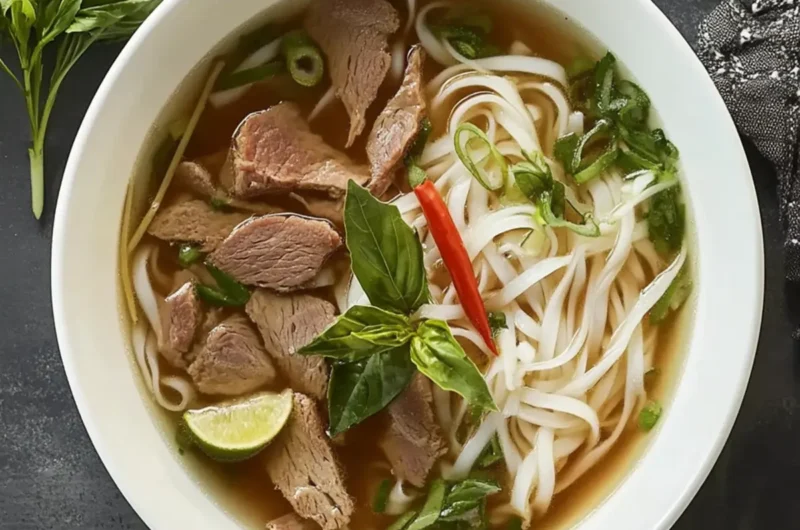
There’s something truly special about a steaming bowl of Pho, the beloved Vietnamese noodle soup that warms the heart and soul. Picture this: the rich aroma of simmering beef bones mingles with the fragrant spices of star anise and fresh ginger, creating a symphony of smells that transport you straight to the bustling streets of Hanoi. I stumbled upon this recipe during a rainy afternoon, eager to craft something comforting and homemade amidst the dreary weather.
As the broth simmers for hours, it transforms into a golden elixir, ready to be paired with delicate rice noodles and tender beef. What I adore about this dish is its versatility—the toppings can vary based on what you have on hand, from fresh cilantro to zesty lime wedges. Whether you’re a seasoned home cook or just starting your culinary journey, making Pho can be a delightful adventure that brings everyone together. So roll up your sleeves and get ready to impress your family with a dazzling meal that’s both easy to prepare and impossible to resist!
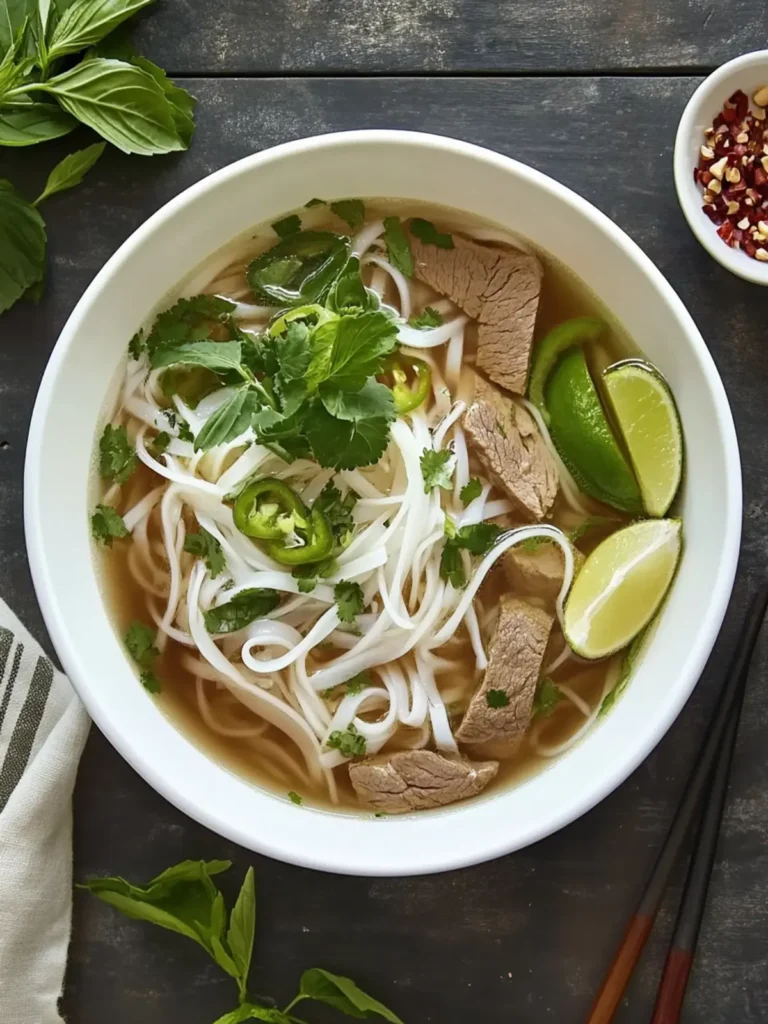
Why will you love Pho?
Versatility: With a range of toppings like fresh cilantro, Thai basil, and bean sprouts, you can customize each bowl to suit your taste and style.
Comforting Aroma: The fragrant spices waft through your kitchen, inviting everyone to gather around for a hearty meal.
Slow-Cooked Richness: The depth of flavor achieved from slowly simmering beef bones results in a broth that’s both comforting and complex.
Crowd-Pleasing: Perfect for meals with family or friends, this dish promises to leave everyone asking for seconds.
Easy Steps: While it takes time, the process is straightforward, helping you master the art of Vietnamese noodle soup with ease.
Try pairing it with some homemade spring rolls to elevate your dining experience!
Pho Ingredients
For the Broth
• Beef soup bones – 4 pounds of shank and knee provide rich flavor and depth to the broth.
• Onion – 1 medium, unpeeled and halved adds sweetness and complexity as it roasts.
• Fresh ginger – 5 slices contribute a warm spiciness that perfectly complements the beef.
• Salt – 1 tablespoon enhances the natural flavors of the broth.
• Star anise – 2 pods infuse a distinctive licorice flavor that defines authentic Pho.
• Fish sauce – 2 ½ tablespoons brings umami goodness; a vital addition to the broth.
• Water – 4 quarts serves as the base for simmering the broth to perfection.
For the Noodles and Beef
• Dried rice noodles – 1 (8 ounce) package creates a delicate base for your Pho.
• Beef top sirloin – 1 ½ pounds, thinly sliced ensures tenderness in every spoonful.
For the Toppings
• Chopped cilantro – ½ cup adds a fresh, herbal kick.
• Chopped green onion – 1 tablespoon offers a bite of sharpness.
• Bean sprouts – 1 ½ cups provide a crunchy texture that contrasts beautifully with the soup.
• Thai basil – 1 bunch adds an aromatic touch; a must-have for an authentic experience.
• Lime wedges – 1 medium lime, cut into 4 sections to squeeze over your bowl for a zesty flavor boost.
• Hoisin sauce (Optional) – ¼ cup for a hint of sweetness and extra richness.
• Chile-garlic sauce (such as Sriracha) (Optional) – ¼ cup to add some spicy kick to your bowl.
Dive into the heartwarming experience of making Pho (Vietnamese noodle soup) and treat family and friends to a meal that warms the soul!
How to Make Pho
-
Gather Ingredients: Begin by assembling all of your ingredients for this beautiful dish, from beef bones to fresh herbs, ensuring a smooth cooking experience.
-
Preheat Oven: Preheat your oven to 425°F (220°C) so you can roast the beef bones and onion to enhance their flavors.
-
Roast Beef Bones: Place the beef bones on a baking sheet and roast in the preheated oven until they’re nicely browned, about 1 hour. This step brings depth to your broth.
-
Roast Onion: On a second baking sheet, place the halved onion and roast on another rack until blackened and soft, about 45 minutes. This caramelization adds a unique sweetness to the broth.
-
Transfer to Stockpot: Carefully transfer the roasted beef bones and onion halves to a large stockpot. Their flavors will lay the foundation for a rich broth.
-
Add Flavors: Incorporate ginger slices, salt, star anise, fish sauce, and 4 quarts of water. Bring everything to a boil, stirring occasionally, so you can mix those wonderful tastes.
-
Simmer Well: Reduce the heat to low and let the broth simmer gently for 6 to 10 hours. This slow cooking is crucial for developing a deep, hearty flavor.
-
Strain Broth: After simmering, strain the broth into a saucepan to remove the solids, leaving you with a beautifully clear and flavorful liquid.
-
Soak Noodles: Take your rice noodles and place them in a large bowl filled with room temperature water. Let them soak for 1 hour, then drain to prepare for cooking.
-
Heat Broth: Once the noodles have soaked, heat the strained broth by bringing it to a gentle simmer; this step revitalizes all those wonderful flavors.
-
Boil Noodles: Bring a large pot of water to a boil. Cook the soaked noodles for 1 minute, then drain. This quick cooking helps maintain their delicate texture.
-
Assemble Bowls: Divide the cooked noodles among 4 serving bowls, then top each with the thinly sliced beef sirloin, cilantro, and green onion.
-
Ladle Broth: Carefully ladle the hot broth over the top, stirring gently. Let it sit for 1 to 2 minutes until the beef is partially cooked and no longer pink.
-
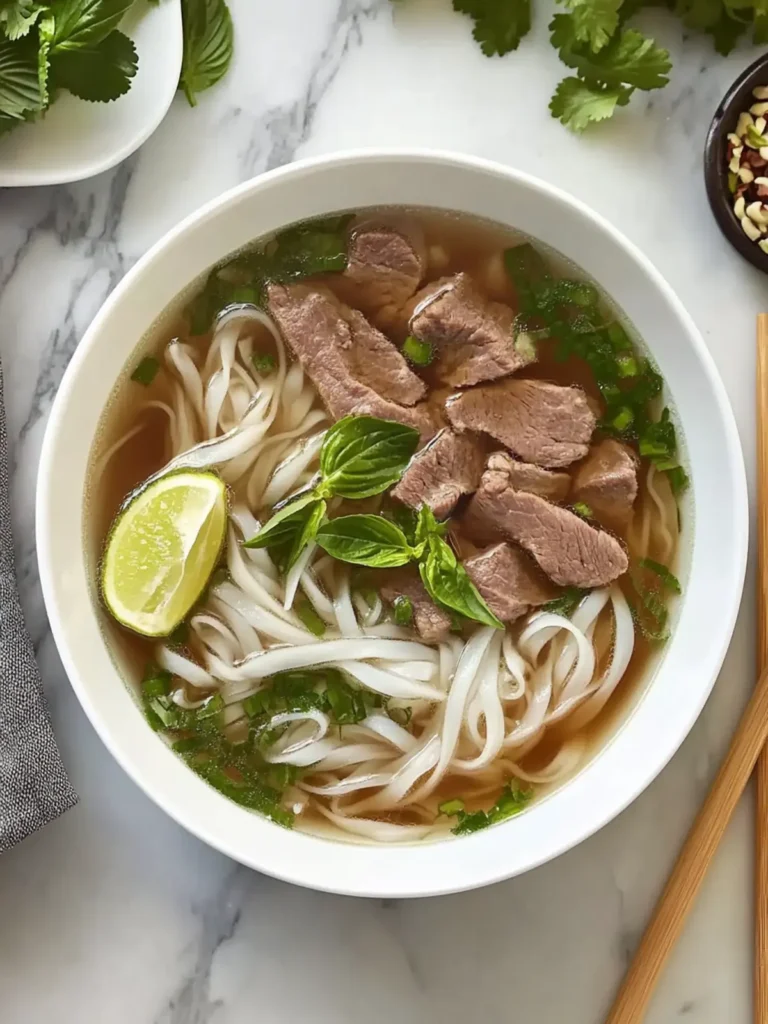
Serve with Toppings: Enjoy your Pho with bean sprouts, Thai basil, lime wedges, hoisin sauce, and chile-garlic sauce on the side for additional taste experiences.
Optional: Add a sprinkle of extra cilantro for a beautiful garnish.
Exact quantities are listed in the recipe card below.
Expert Tips for Making Pho
-
Quality Bones: Use a mix of beef shank and knee bones for the richest flavor. Avoid using lesser cuts, which can result in a bland broth.
-
Roasting is Key: Don’t skip roasting the bones and onion! This step adds essential depth and sweetness to your Pho, elevating the overall taste.
-
Mind the Simmer: Allow the broth to simmer low and slow for 6 to 10 hours. Cooking it too quickly can make the broth murky and less flavorful.
-
Noodle Soaking: Soak your rice noodles for a full hour in room temperature water. This helps them cook quickly and maintains a chewy texture in your Pho.
-
Fresh Herbs: Always use fresh herbs and toppings like cilantro, Thai basil, and lime wedges. They contribute vibrant flavors and textural contrast that make your meal pop!
-
Taste and Adjust: Remember to taste your broth before serving, adjusting salt or fish sauce as needed to ensure a well-balanced flavor.
Make Ahead Options
Pho is a fantastic recipe for meal prep enthusiasts! You can prepare the broth up to 3 days in advance and store it in the refrigerator, allowing the rich flavors to meld perfectly. Simply roast the beef bones and onion, simmer the broth, then strain it and refrigerate. The rice noodles can be soaked and drained up to 1 hour before serving, keeping them fresh. Additionally, slice the beef and chop the herbs a day ahead, refrigerating them in separate containers to prevent moisture loss. When ready to enjoy, reheat the broth, cook the noodles in boiling water, and assemble your bowls for a delightful meal just as delicious as if made fresh!
How to Store and Freeze Pho
Fridge: Store leftover Pho in an airtight container in the fridge for up to 3 days. Keep the broth and noodles separate to maintain texture.
Freezer: For long-term storage, freeze the broth in freezer-safe containers for up to 3 months. Cool it completely before freezing to prevent ice crystals.
Reheating: To reheat, simmer the broth on the stovetop until boiling and warm the noodles separately. Mix them together just before serving for a delightful bowl of Pho.
Freezing Noodles: If freezing the noodles, cook them just slightly underdone, then freeze in portions. They will finish cooking when reheated in the hot broth.
What to Serve with Pho?
Elevate your Vietnamese noodle soup experience with complementary dishes that delight the senses and create a memorable meal.
-
Fresh Spring Rolls: Crisp vegetables and shrimp wrapped in rice paper provide a refreshing contrast to the warm broth.
-
Thai-Style Cold Salad: A zesty mix of shredded carrots, cucumbers, and a lime dressing adds a bright, crunchy element that enlivens each bite.
-
Garlic Naan: The soft, warm bread serves as the perfect tool for sopping up all that delicious broth, enhancing the dining experience.
-
Egg Rolls: Crispy on the outside and savory within, these make for a satisfying finger food to accompany your steaming bowl of Pho.
-
Chili-Garlic Shrimp: Slightly spicy and tender, shrimp adds a burst of flavor and protein, tying together the meal’s taste dimensions.
-
Jasmine Rice: Light and fragrant, jasmine rice provides a comforting side that balances the stronger flavors of the Pho without overwhelming them.
-
Iced Vietnamese Coffee: A robust, sweet pick-me-up, this drink offers a delightful end to your meal, rounding out the flavor profile beautifully.
Bringing these elements together will create a festive atmosphere, perfect for sharing the joy of homemade Pho with your loved ones!
Variations & Substitutions for Pho
Feel free to play around with this recipe and discover your favorite twists on this classic Vietnamese dish!
-
Vegetarian Pho: Swap beef bones for a mix of roasted vegetables and mushrooms to create a hearty, flavorful vegetable broth, perfect for plant-based diets.
-
Gluten-Free Noodles: Use rice vermicelli instead of traditional noodles to enjoy this dish while keeping it gluten-free.
-
Spicy Kick: Add sliced jalapeños or crushed red pepper flakes to your broth for an extra layer of heat that spice lovers will adore.
-
Herb Medley: Experiment with different fresh herbs like mint or cilantro to elevate the flavor profile and add freshness to every bowl.
-
Slow-Cooker Method: For convenience, use a slow cooker instead of stovetop simmering—set on low for 10 hours for a rich broth with minimal effort.
-
Coconut Milk Twist: Stir in a can of coconut milk near the end of cooking for a creamy, tropical flair that complements the spices beautifully.
-
Beef Blend: Incorporate a mix of thinly sliced beef cuts, such as brisket and flank, for a variety of flavors and textures that make each bite exciting.
Let your imagination and taste buds guide you as you share this dish with loved ones!
Pho (Vietnamese Noodle Soup) Recipe FAQs
How should I select the beef bones for the broth?
Absolutely! Look for a mix of beef shank and knee bones, as these provide the richest flavor and depth to your broth. When selecting, ensure they have plenty of marrow and are fresh, preferably from a butcher you trust to guarantee quality.
What is the best way to store leftover Pho?
Very simply! Store leftover Pho in an airtight container in the fridge for up to 3 days. For optimal freshness, keep the broth separate from the noodles. This prevents the noodles from becoming too mushy, allowing you to enjoy a delightful bowl just like when it was freshly made.
Can I freeze the broth, and how should I do it?
Of course! Freezing the broth is a great way to preserve it. First, let it cool completely to room temperature. Then, pour the broth into freezer-safe containers or heavy-duty freezer bags. Make sure to leave some space at the top, as liquid expands when frozen. You can freeze the broth for up to 3 months.
What if I have extra rice noodles—can I freeze them too?
Yes, indeed! If you have extra rice noodles, cook them slightly underdone before freezing. This helps maintain their texture. Once they’re cooled, portion them into freezer bags. They will finish cooking when you reheat them in the hot broth.
Can I make Pho gluten-free?
Absolutely! To make Pho gluten-free, opt for rice noodles that are certified gluten-free. Additionally, ensure that your fish sauce contains no gluten, as some brands do. This way, you can wholeheartedly enjoy this comforting dish without any dietary concerns.
How do I troubleshoot a bland broth?
Very common! If your broth tastes bland, it’s likely that it hasn’t simmered long enough or could use a little more seasoning. Letting it simmer longer (up to 10 hours if you can) develops the flavors beautifully. You can also add a splash more fish sauce or salt gradually while tasting, until it reaches that perfect umami balance.
Irresistible Pho: Master the Art of Vietnamese Noodle Soup
Ingredients
Equipment
Method
- Gather Ingredients: Begin by assembling all of your ingredients for this beautiful dish, from beef bones to fresh herbs, ensuring a smooth cooking experience.
- Preheat Oven: Preheat your oven to 425°F (220°C) so you can roast the beef bones and onion to enhance their flavors.
- Roast Beef Bones: Place the beef bones on a baking sheet and roast in the preheated oven until they’re nicely browned, about 1 hour.
- Roast Onion: On a second baking sheet, place the halved onion and roast until blackened and soft, about 45 minutes.
- Transfer to Stockpot: Carefully transfer the roasted beef bones and onion halves to a large stockpot.
- Add Flavors: Incorporate ginger slices, salt, star anise, fish sauce, and 4 quarts of water. Bring everything to a boil.
- Simmer Well: Reduce the heat to low and let the broth simmer gently for 6 to 10 hours.
- Strain Broth: After simmering, strain the broth into a saucepan to remove the solids.
- Soak Noodles: Take your rice noodles and place them in a bowl filled with room temperature water for 1 hour, then drain.
- Heat Broth: Once the noodles have soaked, heat the strained broth by bringing it to a gentle simmer.
- Boil Noodles: Bring a large pot of water to a boil and cook the soaked noodles for 1 minute, then drain.
- Assemble Bowls: Divide the cooked noodles among 4 serving bowls, top each with thinly sliced beef sirloin, cilantro, and green onion.
- Ladle Broth: Carefully ladle the hot broth over the top, stirring gently.
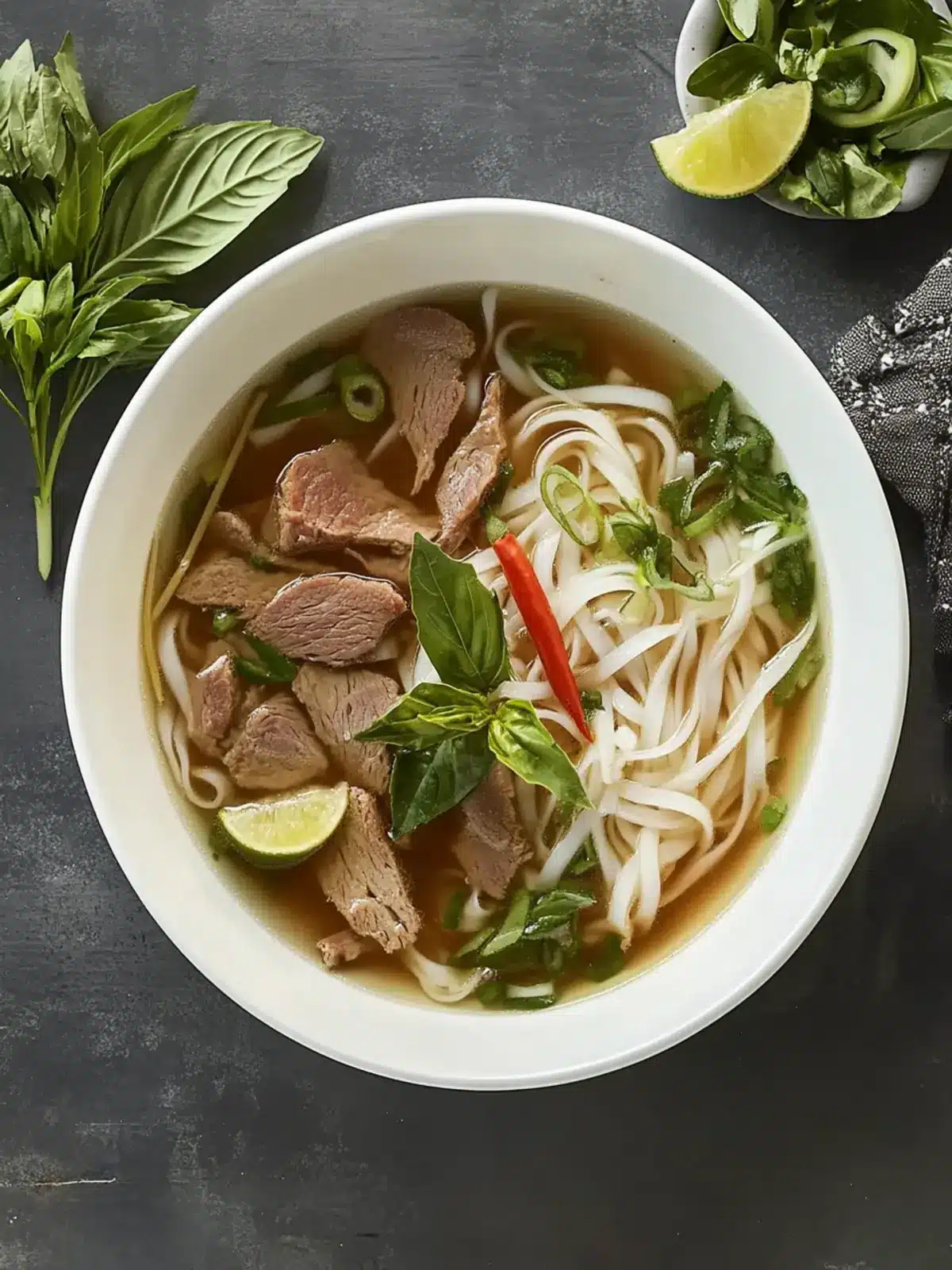
- Serve with Toppings: Enjoy your Pho with bean sprouts, Thai basil, lime wedges, hoisin sauce, and chile-garlic sauce on the side.