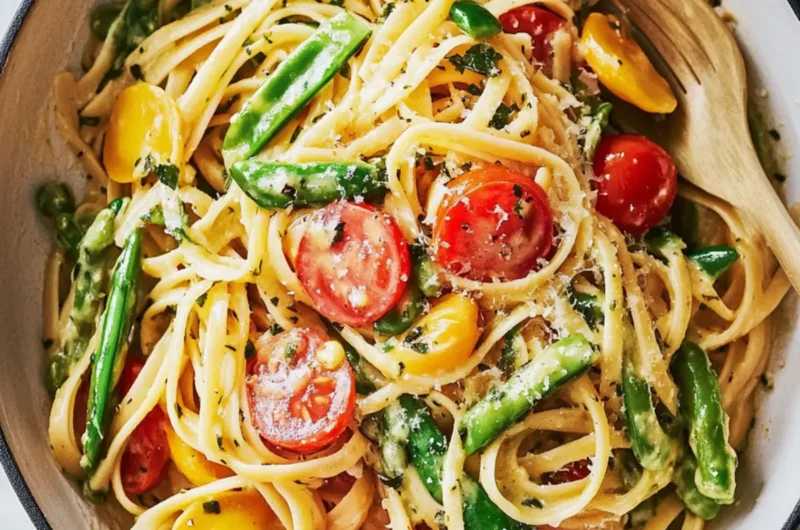
As the first hints of spring start to breathe fresh life into our gardens, I find myself yearning for bright flavors and vibrant colors on my plate. That’s when my beloved Pasta Primavera comes into play—a dish that sings with the essence of the season. Imagine the tender crunch of asparagus, the sweetness of peas, and the delightful zest of fresh lemon all coming together in a creamy, comforting sauce. This recipe not only embraces the beauty of spring vegetables but also seamlessly caters to vegetarians and pasta aficionados alike.
On those bustling weeknights or laid-back weekends with friends, this Pasta Primavera comes together in under an hour, making it a go-to favorite for gatherings. Plus, the best part? You can tailor it to your taste! Whether you toss in whatever seasonal produce you have on hand or opt for a heartier version with added protein, this pasta dish delivers a satisfying, wholesome meal that feels both luxurious and effortless. Let’s dive into this delightful spring-inspired recipe that will have everyone begging for seconds!
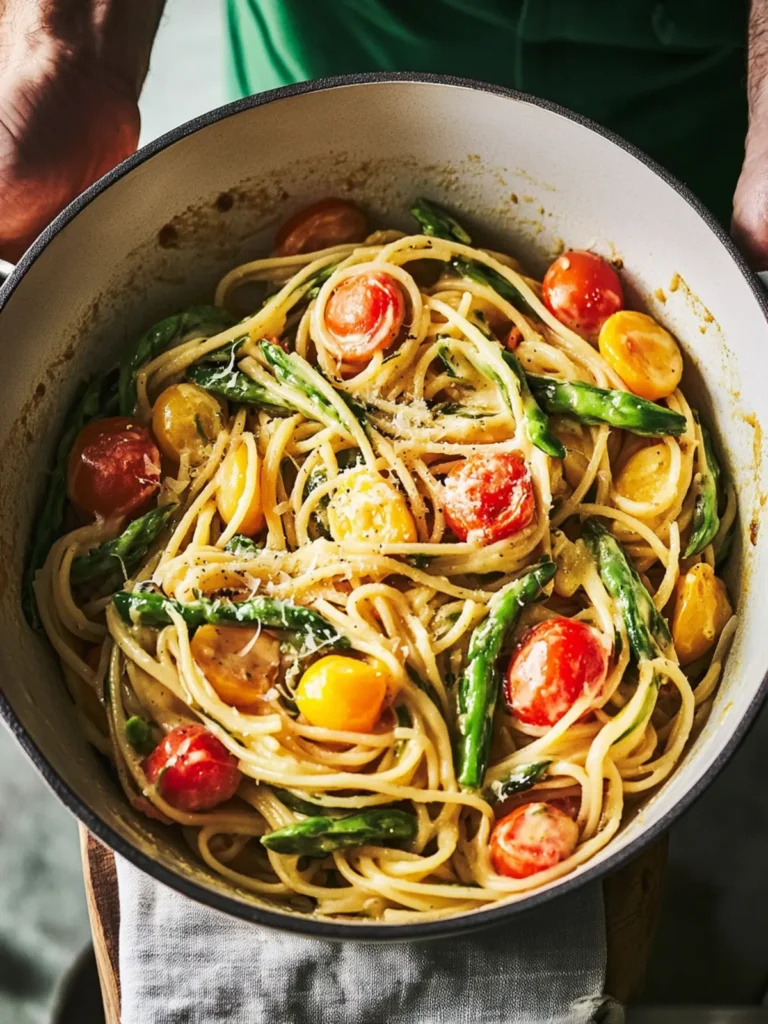
Why is Pasta Primavera a Must-Try?
Vibrant Colors: This dish is a feast for the eyes, showcasing a kaleidoscope of colorful vegetables that brighten up any table.
Customizable: Tailor it to your preference by swapping out veggies or adding proteins like grilled chicken or shrimp for an extra boost of flavor.
Quick Prep: Ready in under an hour, it’s perfect for busy weeknights or spontaneous dinner parties without compromising on taste.
Seasonal Freshness: Embrace spring with fresh, seasonal ingredients that not only taste great but also pack in vital nutrients.
Creamy Indulgence: The light, creamy sauce envelops the pasta and veggies, delivering a deliciously comforting experience in every bite.
Crowd-Pleaser: Whether it’s your family or friends, this Pasta Primavera will have everyone coming back for more. Enjoy it as a satisfying main or share it as a delightful side dish!
Pasta Primavera Ingredients
For the Sauce
• Extra-Virgin Olive Oil – Adds richness and helps sauté vegetables; feel free to substitute with avocado oil for a different flavor.
• Heavy Cream – Creates a light sauce that envelops the dish; can be replaced with half-and-half for fewer calories.
• Garlic – Essential for flavor; use about 5 cloves for aromatic depth, adjusting to your taste preference.
• Lemon Zest and Juice – Adds bright acidity; swap with lime if you want a refreshing twist.
For the Pasta
• Spaghetti – The main carbohydrate base; can easily be substituted with any long noodle, like fettuccine, for cozy wraps around veggies.
• Kosher Salt – Enhances flavor; substitute with sea salt or iodized salt, but remember to use less due to its stronger saltiness.
For the Vegetables
• Zucchini – Provides freshness and a satisfying texture; can be swapped with summer squash if desired.
• Asparagus – Adds a lovely crunch; pencil asparagus is recommended for the best texture.
• Red Onion – Brings a touch of sweetness; you can use yellow or white onions as a suitable alternative.
• Leeks – Contributes depth of flavor; they can be replaced with more onion if you don’t have any on hand.
• Red Bell Pepper – Adds sweetness and vibrant color; feel free to sub in any color bell pepper or omit for simplicity.
• Grape Tomatoes – Infuses juiciness and acidity; replace with cherry tomatoes or omit if out of season.
• Frozen Peas – Adds sweetness and a nice pop; fresh peas are ideal, but frozen will work beautifully.
For the Topping
• Parmesan Cheese – Provides umami and richness; can be substituted with Pecorino Romano for a different flavor dimension.
• Fresh Basil or Parsley – Offers a fragrant finish; a sprinkle before serving ties all the flavors together.
This Pasta Primavera is your canvas for spring-inspired culinary delight! Customize it with these fresh ingredients and enjoy the vibrant flavors that await.
How to Make Pasta Primavera
-
Boil the Pasta: Start by bringing a large pot of salted water to a boil. Add the spaghetti and cook until al dente, usually about 8-10 minutes. Reserve a cup of pasta water before draining for the sauce.
-
Sauté Zucchini: In a large skillet, heat 2 tablespoons of extra-virgin olive oil over medium heat. Add the sliced zucchini and cook until it’s just tender and slightly golden, about 3-4 minutes.
-
Add Asparagus: Toss in the pencil asparagus and sauté until bright green and slightly tender, around 2-3 minutes. Once done, remove both vegetables from the skillet and set aside.
-
Cook the Aromatics: In the same skillet, add another splash of olive oil if needed, then sauté the chopped red onion, leeks, and red bell pepper until soft, seasoning with a pinch of kosher salt—about 5 minutes.
-
Incorporate Garlic and Tomatoes: Stir in the minced garlic and halved grape tomatoes. Allow them to cook together until the tomatoes start to burst, releasing their juices, about 3 minutes.
-
Make the Sauce: Pour in the heavy cream and frozen peas, mixing well. Gradually add the reserved pasta water until the sauce achieves a smooth, creamy consistency, which should take about 2-3 minutes.
-
Combine and Serve: Add the cooked vegetables and drained spaghetti back into the skillet. Toss everything together, adjusting the consistency with more pasta water if necessary. Top off with freshly grated Parmesan cheese and a squeeze of lemon juice before serving.
Optional: Garnish with fresh basil or parsley for an extra burst of flavor.
Exact quantities are listed in the recipe card below.
Make Ahead Options
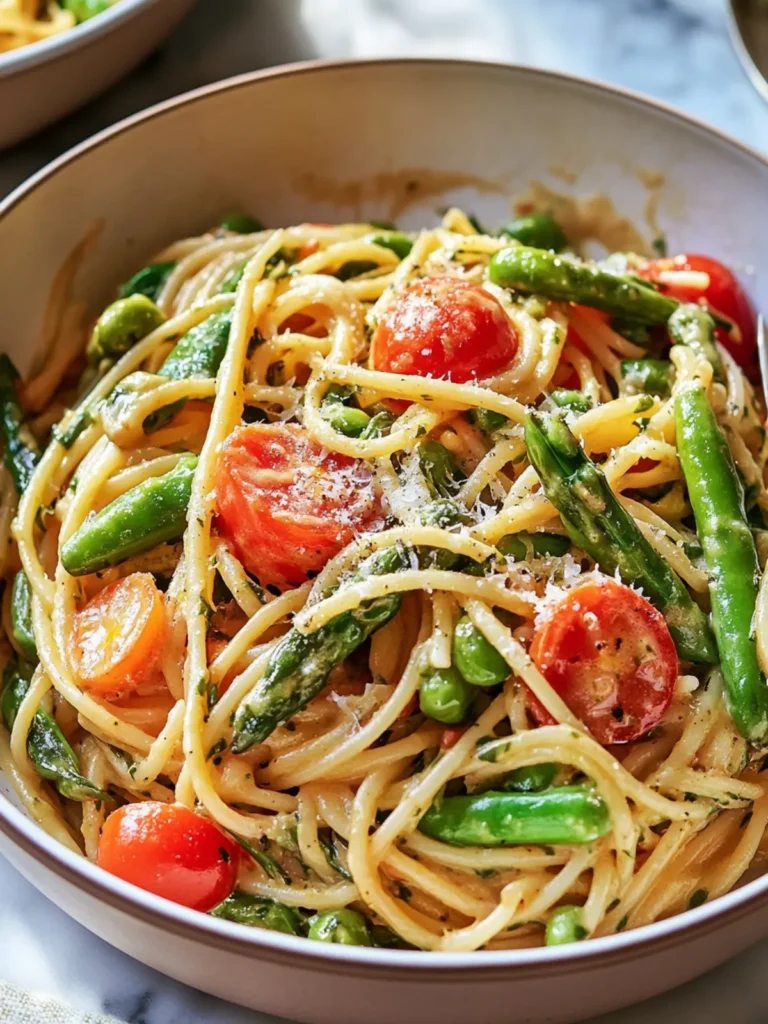
These delicious Pasta Primavera components are perfect for meal prep, allowing you to enjoy a wholesome dinner with minimal effort during the week! You can chop and prepare all the vegetables (zucchini, asparagus, red onion, leeks, and bell pepper) up to 24 hours in advance; store them in an airtight container in the refrigerator to maintain freshness. You can also cook the pasta and toss it with a little olive oil to prevent sticking. When you’re ready to serve, simply sauté the prepped vegetables, add the cream and peas to make the sauce, and then combine everything with the pasta. Your Pasta Primavera will taste just as delightful as if you made it from scratch on the spot!
Expert Tips for Pasta Primavera
- Cook in Stages: Always cook vegetables separately to achieve that ideal texture; overcooking can lead to mushy veggies.
- Reserved Pasta Water: Remember to save some pasta water! It helps to thicken your sauce and ensures smooth incorporation, enhancing your Pasta Primavera.
- Season Gradually: Taste your sauce before serving. Adjust the seasoning and acidity to find that perfect balance for your dish.
- Fresh Ingredients: Use seasonal vegetables when possible. They elevate the flavors and freshness of your Pasta Primavera, giving it that spring flair.
- Customization is Key: Don’t hesitate to swap in your favorite veggies or proteins. This dish is wonderfully flexible, allowing you to create your ideal Pasta Primavera!
What to Serve with Pasta Primavera?
Enhance your delightful meal experience with these perfect pairings that elevate the fresh flavors of your Pasta Primavera.
-
Garlic Bread: Piping hot garlic bread adds a crunchy texture and buttery aroma, making it irresistible. It’s perfect for sopping up any leftover sauce!
-
Caesar Salad: Crisp romaine and creamy dressing create a refreshing contrast to the creamy pasta. This classic salad brightens the meal and adds a satisfying crunch.
-
Roasted Vegetables: Seasonal veggies like carrots and bell peppers bring out the earthiness, enhancing the dish’s freshness. Simply toss them with olive oil, salt, and pepper, then roast for a caramelized flavor.
-
Sparkling Water with Lemon: A bubbly drink cleanses the palate and complements the dish’s bright, zesty lemon flavor. It refreshes your taste buds between bites.
-
Fresh Fruit Salad: Light and sweet, a medley of fresh fruits introduces a burst of natural sweetness that pairs beautifully with the savory pasta, all while offering a nutritious dessert option.
-
Pesto-Infused Breadsticks: These flavorful breadsticks are a wonderful accompaniment. Their herby essence ties in splendidly with the pasta, adding an aromatic touch to each bite!
Storage Tips for Pasta Primavera
- Room Temperature: Pasta Primavera is best enjoyed fresh, but if needed, leave it out for no more than 2 hours before refrigeration to avoid bacteria growth.
- Fridge: Store leftovers in an airtight container for up to 3 days. This will help maintain the freshness and flavors of your creamy sauce and vegetables.
- Freezer: You can freeze leftovers for up to 2 months. Make sure to portion your Pasta Primavera in airtight freezer bags or containers, and thaw in the fridge overnight before reheating.
- Reheating: When reheating, add a splash of cream or reserved pasta water to restore the creaminess of the sauce, ensuring your Pasta Primavera remains delightful and satisfying!
Pasta Primavera Variations & Substitutions
Feel free to play with this dish, adding your favorite ingredients to make it uniquely yours!
- Whole Wheat: Swap spaghetti for whole wheat pasta for added fiber and a nuttier flavor.
- Gluten-Free: Use gluten-free noodles to keep it deliciously inclusive for all dietary needs.
- Protein Boost: Add grilled chicken, shrimp, or chickpeas for a heartier meal packed with protein.
- Extra Veggies: Toss in seasonal vegetables like snap peas, mushrooms, or carrots to enhance both flavor and nutrition.
- Creamy Vegan: Replace heavy cream with coconut milk or cashew cream for a luscious, dairy-free version.
- Herb Medley: Experiment with herbs like oregano, thyme, or dill for a fragrant twist that complements the vegetables beautifully.
- Spice it Up: Add a pinch of red pepper flakes or a dash of hot sauce for those who love a bit of heat.
- Nutty Crunch: Top with toasted pine nuts or walnuts for added texture and a delightful crunch.
Let your culinary creativity run wild with these variations and make this Pasta Primavera resonate with your personal taste!
Pasta Primavera Recipe FAQs
What type of vegetables are best for Pasta Primavera?
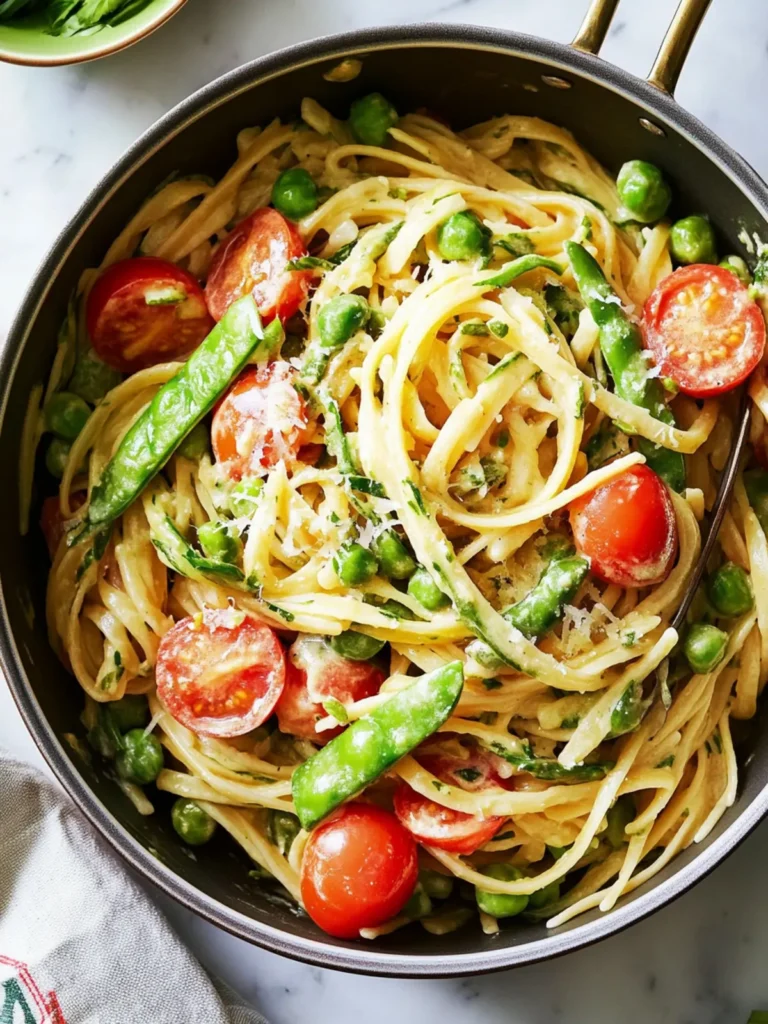
Absolutely! The beauty of Pasta Primavera lies in its flexibility. Fresh, seasonal vegetables work best, and you can use zucchini, asparagus, peas, bell peppers, or even leafy greens. For an extra crunch, consider pencil asparagus or snap peas. Feel free to customize based on what’s in season or what you have on hand.
How should I store leftover Pasta Primavera?
Leftovers are best stored in an airtight container and can last up to 3 days in the refrigerator. It’s ideal to refrigerate within 2 hours of cooking to keep it safe. When reheating, add a splash of cream or reserved pasta water to restore the creamy texture and flavor.
Can I freeze Pasta Primavera?
Definitely! You can freeze leftovers for up to 2 months. To freeze, portion the Pasta Primavera into airtight freezer bags, making sure to remove any excess air before sealing. Thaw it overnight in the fridge when you’re ready to enjoy it again, and gently reheat with a bit of cream or pasta water for a satisfying meal.
What if my vegetables turn mushy during cooking?
Very! To prevent mushy vegetables, cook them in stages, as described in the recipe. Start with the veggies that take longer to cook, like zucchini and asparagus, and remove them from the heat as soon as they’re tender. This method helps maintain their texture and bright colors, ensuring a delightful crunch in your Pasta Primavera.
Is Pasta Primavera suitable for special diets?
Absolutely! Pasta Primavera is inherently vegetarian and can be made gluten-free by using gluten-free pasta. If you have nut allergies, just watch out for any toppings that may contain nuts. Feel free to modify the recipe based on your dietary needs, like swapping heavy cream for a plant-based alternative or adding protein such as grilled chicken or shrimp for a non-vegetarian option.
How do I know when the pasta is cooked perfectly?
Perfect pasta should be al dente, meaning it’s firm to the bite yet cooked through. Generally, cooking for 8-10 minutes will get you there, but I recommend tasting a strand in the last minute of cooking. Don’t forget to reserve a bit of pasta water before draining, as it helps in creating a creamy sauce later on!
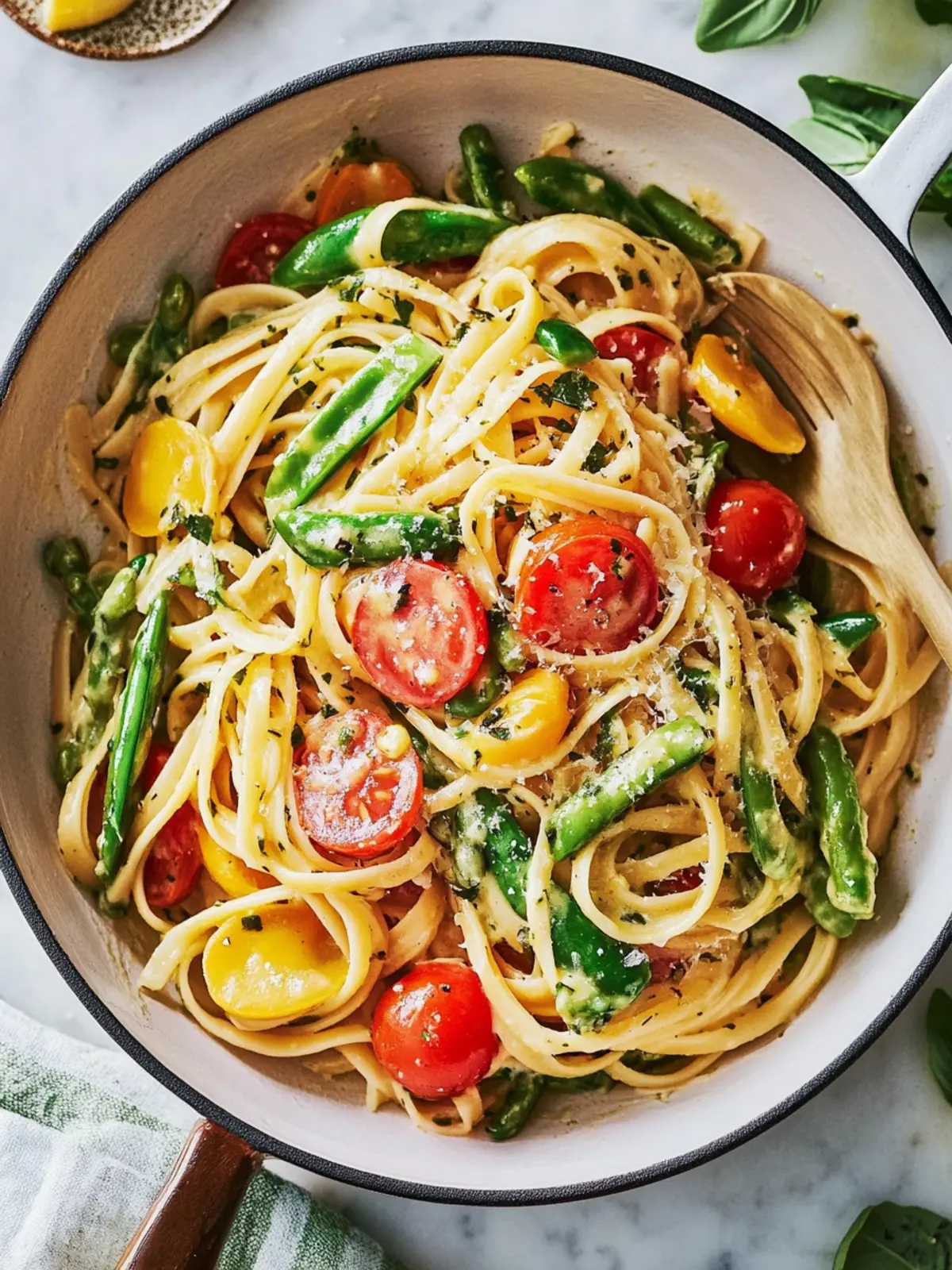
Delicious Pasta Primavera: Your Ultimate Spring Veggie Dish
Ingredients
Equipment
Method
- Boil the Pasta: Start by bringing a large pot of salted water to a boil. Add the spaghetti and cook until al dente, usually about 8-10 minutes. Reserve a cup of pasta water before draining for the sauce.
- Sauté Zucchini: In a large skillet, heat 2 tablespoons of extra-virgin olive oil over medium heat. Add the sliced zucchini and cook until it’s just tender and slightly golden, about 3-4 minutes.
- Add Asparagus: Toss in the pencil asparagus and sauté until bright green and slightly tender, around 2-3 minutes. Once done, remove both vegetables from the skillet and set aside.
- Cook the Aromatics: In the same skillet, add another splash of olive oil if needed, then sauté the chopped red onion, leeks, and red bell pepper until soft, seasoning with a pinch of kosher salt—about 5 minutes.
- Incorporate Garlic and Tomatoes: Stir in the minced garlic and halved grape tomatoes. Allow them to cook together until the tomatoes start to burst, releasing their juices, about 3 minutes.
- Make the Sauce: Pour in the heavy cream and frozen peas, mixing well. Gradually add the reserved pasta water until the sauce achieves a smooth, creamy consistency, which should take about 2-3 minutes.
- Combine and Serve: Add the cooked vegetables and drained spaghetti back into the skillet. Toss everything together, adjusting the consistency with more pasta water if necessary. Top off with freshly grated Parmesan cheese and a squeeze of lemon juice before serving.