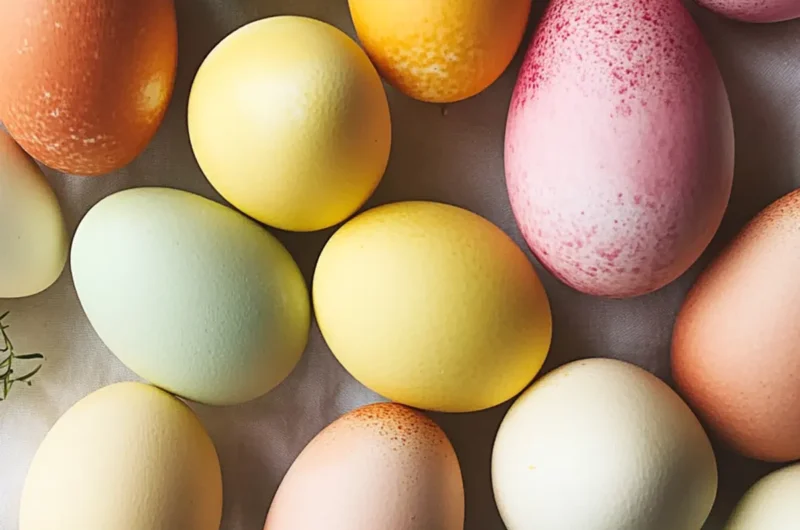
As the days grow longer and spring rains gently fall, my kitchen transforms into a vibrant space filled with creativity and color. This is the perfect time for an exciting, hands-on project, and what could be more delightful than naturally dyed Easter eggs? Not only do these beautifully crafted eggs transform mundane afternoons into an artistic adventure, but they also allow me to embrace the season’s spirit while creating cherished memories with family.
Using simple ingredients from my pantry, like purple cabbage and turmeric, I can achieve stunning hues that are as unique as they are safe—perfect for little hands eager to explore the joys of dyeing. With no chemical worries and endless possibilities for creativity, these naturally dyed Easter eggs become a beautiful addition to any festive celebration. So let’s gather some kitchen staples and dive into this colorful journey together!
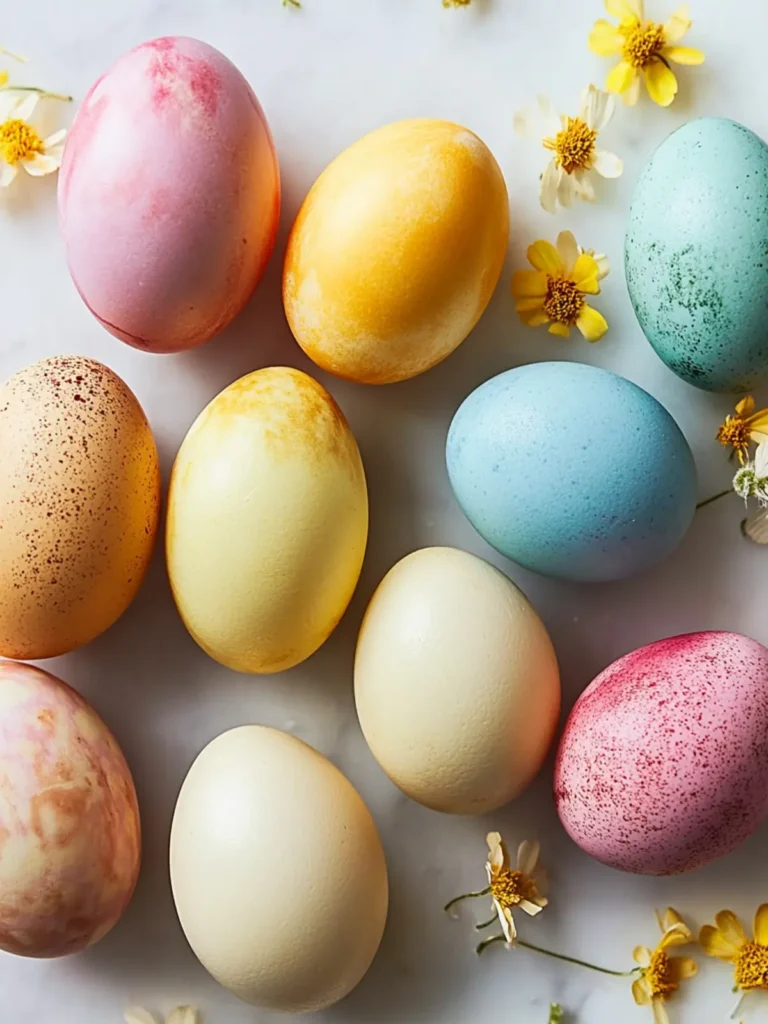
Why love Natural Dye Easter Eggs?
Prepare to be amazed by the vibrant hues you’ll create! Fun for all ages: This project is ideal for kids and adults alike, making it a great family activity. Chemical-free coloring: You can feel good about using safe ingredients from your kitchen. Endless creativity: Experiment with different plant-based dyes for unique shades. Eco-friendly practices: Reduce waste by utilizing scraps like onion skins and beet peels. Make this spring special by embracing your artistic side, and discover how simple ingredients can lead to beautiful results!
Natural Dye Easter Eggs Ingredients
Transform your kitchen staples into vibrant colors!
-
For the Dye Mixtures
-
Purple Cabbage (2 cups, coarsely chopped) – This produces a stunning blue hue, perfect for that springtime feel.
-
Medium Beet (1, about 8 oz., peeled, coarsely chopped) – Generates a deep pink shade that adds a beautiful depth to your egg palette.
-
Ground Turmeric (2 tbsp) – Yields a bright yellow hue, bringing warmth and cheer to any Easter display.
-
Thai Tea Mix (1/4 cup) – Adds rich, earthy colors that create a sophisticated look for your eggs.
-
Butterfly Pea Flower Tea (1/4 cup) – Creates a vibrant blue, making it a special choice for unique coloring.
-
Peels from 8 Yellow Onions – Provides golden to orangish colors, demonstrating the beauty of natural coloring.
-
For Dyeing Process
-
Large White Eggs – The base for dyeing; fresh eggs yield better and more vibrant colors.
-
Distilled White Vinegar (12 tbsp, divided) – Helps the dye adhere to the eggs, ensuring a beautiful finish.
-
Ice – A handy tool to cool down the dye mixtures for more vivid colors.
Ready to make your own natural dye Easter eggs? Gather these ingredients and let the fun begin!
How to Make Natural Dye Easter Eggs
-
Prepare Dyes: In separate pots, combine each dye ingredient with 2 cups of water. Be sure to add the vinegar as indicated; this helps the colors adhere beautifully to the eggs.
-
Simmer: Bring the mixtures to a boil over medium heat, then lower the heat and let them simmer for 15-30 minutes. You’re looking for vibrant colors, so keep an eye on them as they extract those beautiful hues.
-
Strain Liquids: Once cooled, strain the dye mixtures through a fine sieve or cheesecloth to remove solid pieces. This will leave you with clear, colorful liquids ready for dyeing.
-
Dye Eggs: Submerge the eggs in the dyes. For the most vivid colors, let them soak overnight; if you’re after softer pastels, just 15 minutes should suffice.
-
Drying: Carefully remove the eggs from the dye and let them dry on a cooling rack. This is where you’ll see those gorgeous colors shine!
-
Storage: Store any leftover dyes in airtight containers; they can last up to 2 weeks in your refrigerator for future dyeing adventures.
Optional: Add a touch of glitter for a whimsical finish!
Exact quantities are listed in the recipe card below.
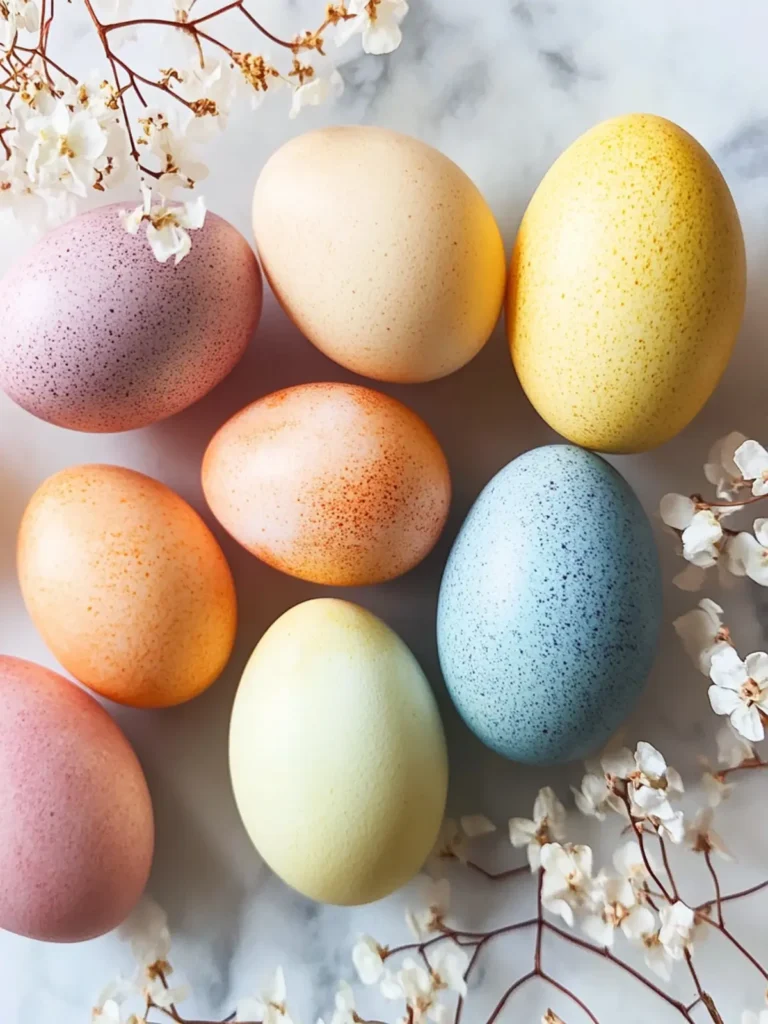
How to Store and Freeze Natural Dye Easter Eggs
-
Fridge: Keep any dyed eggs in the refrigerator for up to 1 week. Place them in an airtight container to maintain freshness and prevent absorption of odors.
-
Freezer: For longer storage, you can freeze the eggs for up to 3 months. Wrap each egg individually in plastic wrap, then store in a freezer-safe container.
-
Dye Storage: If you have leftover dye, store it in sealed containers in the fridge for up to 2 weeks. Perfect for additional crafting or future natural dye Easter eggs adventures!
-
Reheating: If freezing, thaw eggs in the refrigerator overnight before using. While defrosting, the shells may have a slightly altered appearance, but the colors will remain vibrant.
Expert Tips for Natural Dye Easter Eggs
-
Room Temperature Eggs: Start with eggs at room temperature for even dye absorption; this will help you achieve consistent, vibrant colors.
-
Timing is Key: Experiment with soaking times—overnight for bold colors or just 15 minutes for softer pastels. Adjust as you wish when making your natural dye Easter eggs!
-
Use Gloves: Protect your hands and keep your workspace clean by wearing gloves; natural dyes can leave stains!
-
Store Dyes Wisely: If you have leftover dye, store it in airtight containers; the mixtures can last up to 2 weeks, perfect for spontaneous crafting.
-
Save Ingredients: Don’t discard your dye-making ingredients; onion skins and leftover veggies can be used in compost, maximizing your eco-friendly efforts.
Natural Dye Easter Eggs Variations
Feel free to unleash your creativity and customize your dyeing experience!
-
Blueberry Burst:
Swap butterfly pea flower tea with fresh or frozen blueberries for a natural, fruity blue that’s delightful. -
Spicy Saffron:
Substitute turmeric with saffron for a luxurious, richer yellow hue. Just a pinch can elevate your palette! -
Onion Skin Magic:
Incorporate onion skins instead of the peas for a golden to orange spectrum, adding depth to your colors naturally. -
Carrot Top Twist:
Use carrot greens or peels to create soft green shades; a fun way to utilize kitchen scraps and add freshness. -
Chili Pepper Punch:
For a fiery twist, consider using mashed chili powder; it’ll impart soft pink to coral shades, adding a kick! -
Tea Time:
Experiment with different herbal teas! Chamomile or hibiscus can both yield unique, soft tones great for spring. -
Coffee Ground Mystery:
For earthy browns, substitute with brewed coffee or coffee grounds. It’s a lovely, rich dye perfect for a vintage flair. -
Avocado Adventure:
Use avocado pits and skins to create shades of soft pink and peach, blending vibrant creativity with sustainability.
Now, let the vibrant colors of nature lead your Easter celebrations with these exciting twists!
What to Serve with Natural Dye Easter Eggs?
Springtime brings joy and vibrant colors, making it the perfect opportunity to create a delightful meal around your beautifully crafted eggs.
- Fresh Garden Salad: Combine crisp greens, radishes, and a tangy vinaigrette to highlight the colorful beauty of your dyed eggs. This pairing is light yet invigorating.
- Deviled Eggs: Turn your natural dye eggs into a creamy, savory treat by making classic deviled eggs. They add a festive touch to your gathering!
- Hot Cross Buns: These sweet, spiced buns are a traditional Easter treat, complementing your eggs with their warm, comforting flavors. Enjoy with a touch of butter.
- Roasted Vegetables: A medley of seasonal veggies like asparagus and carrots brings earthy flavors to the table while echoing the colors of spring.
- Herbed Potatoes: Creamy, herb-infused potatoes create a satisfying contrast to the delicate nature of the dyed eggs, making for a hearty addition.
- Mimosas or Sparkling Lemonade: Toast with a refreshing drink that’s just as bright and cheerful as your beautifully dyed creations—perfect for any spring celebration!
- Chocolate Almond Cake: Indulge in a decadent dessert that balances the vibrant tastes of your meal, providing a luscious ending to your Easter feast.
- Cheese Platter: Include artisan cheeses and fruits to provide delightful textures and flavors while celebrating the artistry of your natural dye eggs.
- Fruit Salad: A vibrant mix of seasonal fruits can serve as a refreshing palate cleanser, enhancing the festive atmosphere alongside your delightful egg creations.
Make Ahead Options
These naturally dyed Easter eggs are perfect for meal prep enthusiasts looking to save time during the busy spring season! You can prepare the dye mixtures up to 2 weeks in advance by combining each dye ingredient with water and vinegar, then refrigerating them in airtight containers. This ensures you have vibrant colors ready to go whenever the mood strikes for an egg-dyeing session. When you’re ready to dye your eggs, simply strain the chilled dyes and soak your eggs for up to 24 hours for beautifully rich colors or just 15 minutes for pastel shades. Rest assured, your eggs will turn out just as stunning whether you make the dyes ahead or on the day of your fun activity!
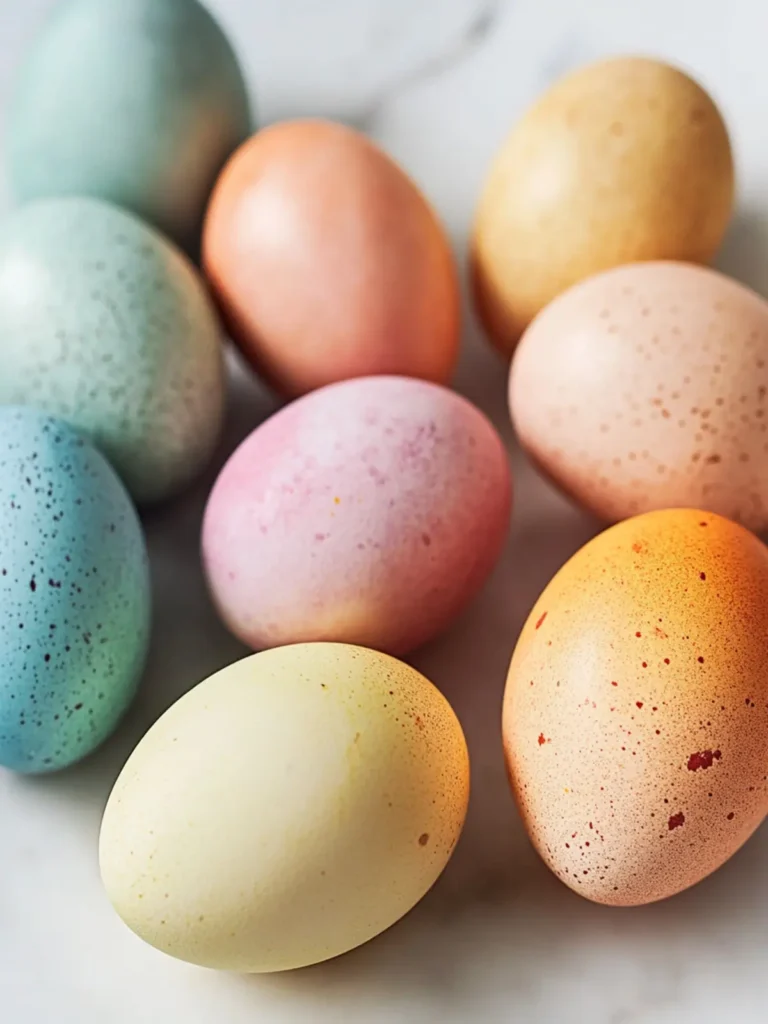
Naturally Dyed Easter Eggs Recipe FAQs
What type of eggs should I use for dyeing?
I recommend using large white eggs as they provide the best canvas for the vibrant colors you’ll create. Fresh eggs yield brighter and more vivid results, so look for the freshest ones available!
How should I store my naturally dyed Easter eggs?
You can keep your dyed eggs in the refrigerator for up to 1 week, placing them in an airtight container to ensure they stay fresh and don’t absorb any odors. This is particularly important if you used ingredients with strong scents.
Can I freeze my naturally dyed Easter eggs?
Absolutely! To freeze eggs, wrap each one individually in plastic wrap and place them in a freezer-safe container. They can last up to 3 months in the freezer! Just remember to thaw them in the refrigerator overnight before use — they may look a bit different, but the colors will remain beautiful.
How should I store leftover natural dye?
Leftover dyes can be stored in airtight containers in the refrigerator for up to 2 weeks. This is a fantastic way to keep your crafting options open for unexpected dyeing fun!
What if my dye isn’t vibrant enough?
If your colors aren’t quite as vibrant as you’d hope, consider increasing the simmering time to extract more pigment from your dyeing ingredients. For instance, letting the mixtures simmer for 30 minutes can really amp up those hues!
Are the dyes safe for pets or kids?
Yes, the dyes made from kitchen staples are completely chemical-free and safe for both kids and pets. However, always supervise young children during the dyeing process to make the experience enjoyable and safe!
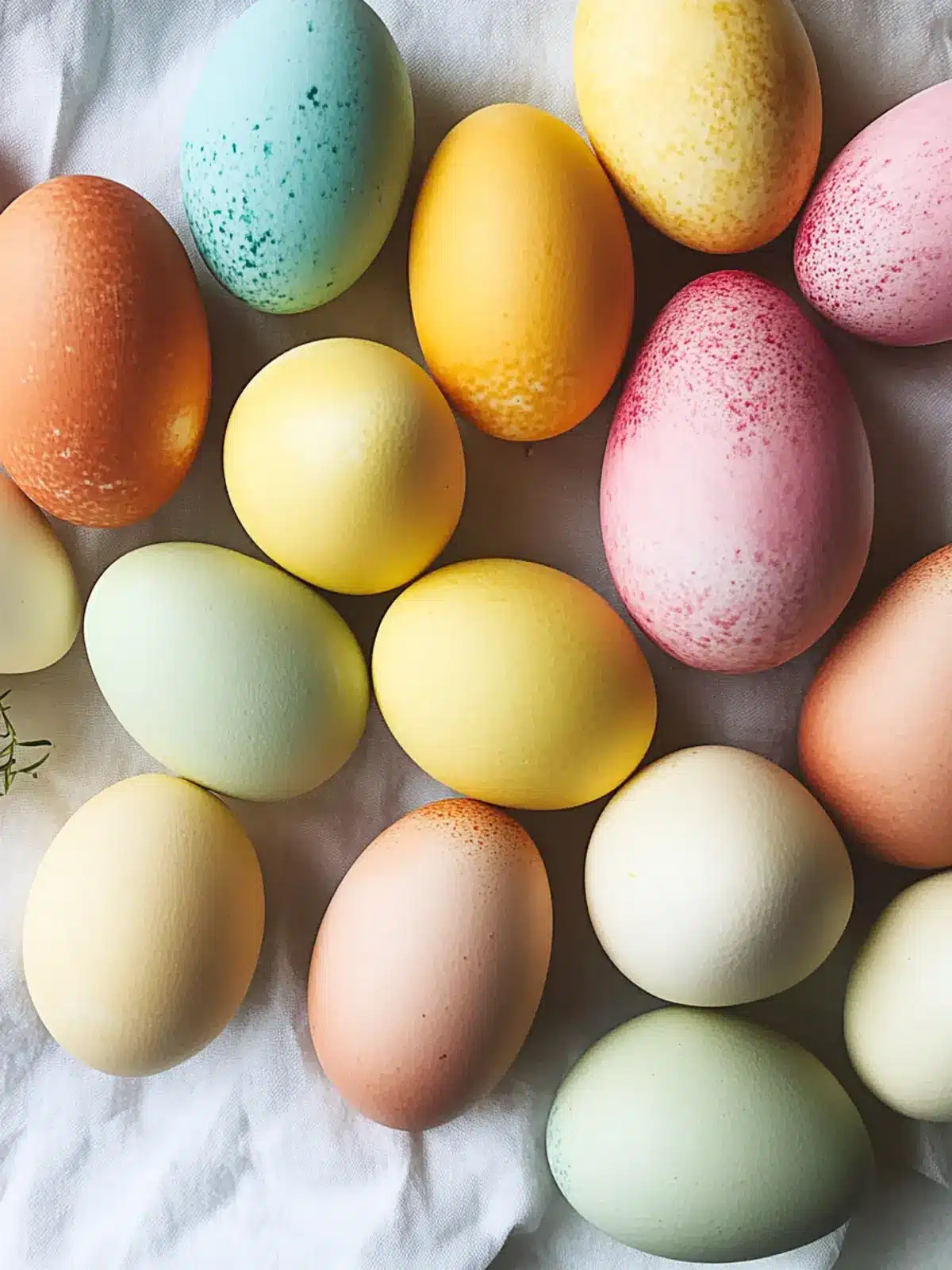
Vibrant Natural Dye Easter Eggs from Your Kitchen Staples
Ingredients
Equipment
Method
- In separate pots, combine each dye ingredient with 2 cups of water and add vinegar as indicated.
- Bring the mixtures to a boil over medium heat, then lower the heat and let them simmer for 15-30 minutes.
- Once cooled, strain the dye mixtures through a fine sieve or cheesecloth to remove solid pieces.
- Submerge the eggs in the dyes, soaking overnight for vivid colors or just 15 minutes for softer pastels.
- Carefully remove the eggs from the dye and let them dry on a cooling rack.
- Store any leftover dyes in airtight containers; they can last up to 2 weeks in the fridge.