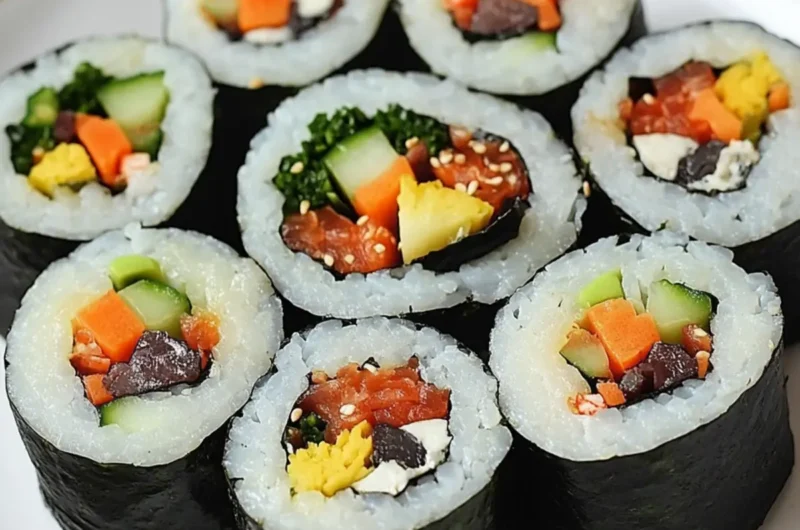
As I was wandering through my local market, the enticing scent of a nearby Korean stall beckoned me closer. It was there that I was introduced to the delightful world of Myulchu Gimbap, a vibrant twist on the classic rice rolls I thought I knew so well. The aroma of stir-fried dried anchovies and spicy gochujang whisked me away, creating an irresistible memory that lingered long after I left.
This dish perfectly marries that umami anchovy flavor with a medley of fresh ingredients and soft rice, wrapped up snugly in nori. It’s an unexpected delight, making it a supremely satisfying choice for dinner or a quick lunch on the go. Plus, the best part is its versatility; whether you’re a seafood lover or looking to customize it with your favorite fillings, Myulchu Gimbap is sure to please everyone at the table. Join me as I share this easy recipe that transforms everyday ingredients into something truly special!
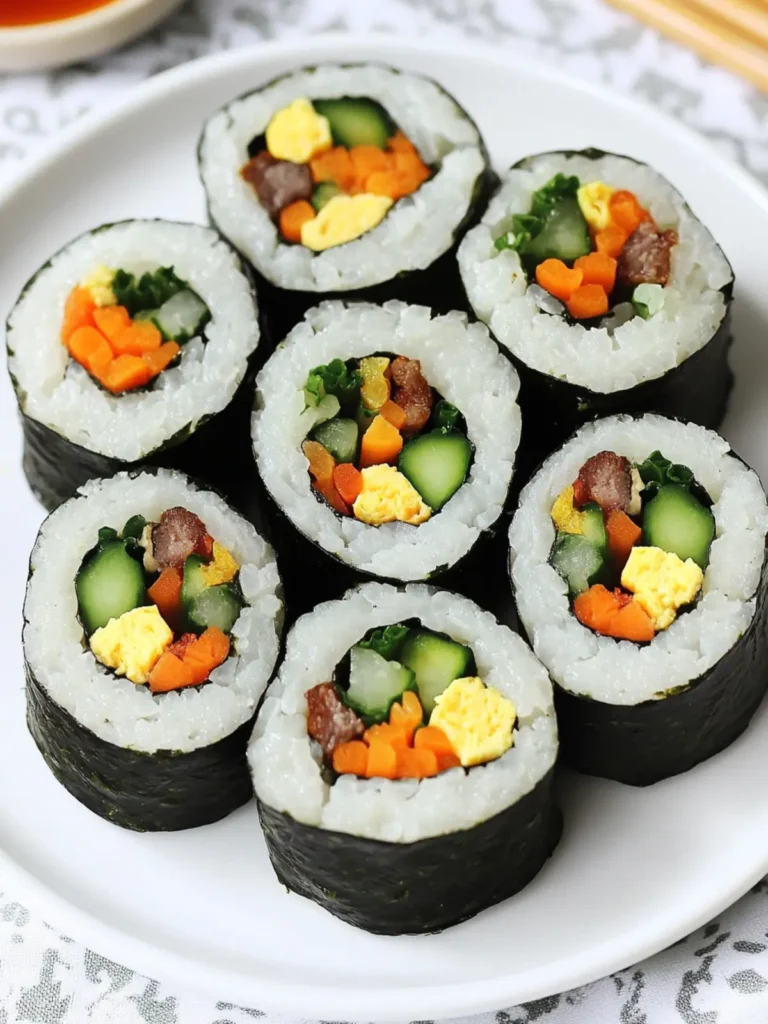
Why is Myulchu Gimbap a Must-Try?
Unforgettable Flavor: The savory allure of stir-fried dried anchovies paired with gochujang creates a delicious balance of sweet and spicy that will keep you coming back for more.
Quick Preparation: With simple ingredients and straightforward steps, you’ll have a mouth-watering meal ready in under 30 minutes!
Customizable Delight: Tailor your gimbap with your favorite fillers—whether it’s fresh veggies or other proteins, each roll can be a new creation.
Healthy Eating: Packed with nutritious ingredients, Myulchu Gimbap is a wholesome choice, offering a satisfying mix of protein, fiber, and healthy fats.
Crowd-Pleaser: Perfect for gatherings or lunchboxes, these vibrant rolls are sure to impress friends and family alike while bringing a touch of Korean culture to your table.
Diving into this recipe brings not just a meal but a culinary experience—try it alongside some homemade dipping sauces for an added kick!
Myulchu Gimbap Ingredients
• Dive into an unforgettable dish with these essential components:
For the Rice
- Short Grain Rice – Provides the essential structure and texture for the perfect gimbap.
For the Filling
- Dried Anchovies (Jirimyulchi/Janmyulchi) – The primary filling that adds a robust umami flavor to your Myulchu Gimbap.
- Gochujang (Chili Pepper Paste) – Offers a delightful sweetness and heat that balances the flavors perfectly.
- Chili Peppers – Adds fresh spiciness and vibrant color; feel free to adjust based on your taste.
For Cooking
- Vegetable Oil – Ideal for stir-frying; can be substituted with any neutral oil if needed.
- Sesame Oil – Essential for finishing; enhances flavor and aroma, making every bite richer.
For the Extras
- Sesame Seeds – A crunchy garnish that complements the nutty flavor of the gimbap.
- Eggs – Used to create delicate strips that add texture; swap with tofu for a vegan option.
- Carrots – Provides sweetness and crunch; bell peppers can be a colorful alternative.
- Yellow Pickled Radish (Danmuji) – A traditional ingredient for tangy contrast; optional but recommended.
- Perilla Leaves – Adds an aromatic flair; can be substituted with lettuce or spinach if preferred.
Now that you have your ingredients ready, let’s create this delightful Myulchu Gimbap together!
How to Make Myulchu Gimbap
-
Prepare the Myulchi Bokkeum Filling: Heat a pan over medium heat and drizzle in some vegetable oil. Stir-fry the dried anchovies for about 2-3 minutes until they become crispy. Add the chili peppers, cooking for another minute before reducing the heat. Mix in gochujang, sesame oil, and sesame seeds, stirring until everything is evenly coated.
-
Make Egg Strips: Beat the eggs with a pinch of salt and pour them into a small non-stick pan on medium-low heat. Cook until set, flipping once to create a thicker half-moon shape. After cooking, cut the eggs into strips.
-
Cook Carrots: In a hot pan, stir-fry the shredded carrots until they soften slightly, seasoning lightly with salt for added flavor.
-
Prepare Rice: In a large bowl, combine your hot cooked short grain rice with sesame oil and a pinch of salt, mixing well until the rice is coated and fluffy.
-
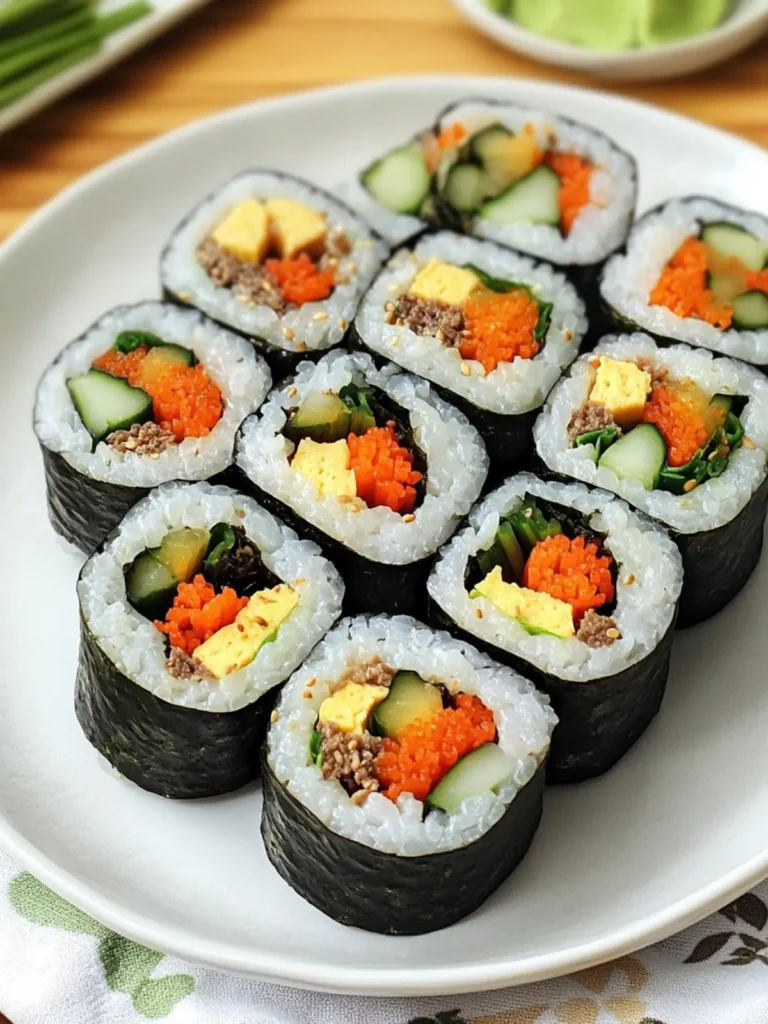
Assemble the Gimbap: Lay a sheet of gim (seaweed) shiny side down on a bamboo mat. Spread 3/4 to 1 cup of the prepared rice evenly across the sheet. Arrange the perilla leaves, myulchi bokkeum filling, and other chosen fillings on top. Roll tightly away from you, tucking in the filling as you go.
-
Finish and Slice: Brush the completed gimbap roll with a bit more sesame oil for sheen. Using a sharp knife (oiled with sesame oil), slice the roll into 1/2-inch pieces, ensuring clean cuts.
Optional: Garnish with extra sesame seeds for added crunch and flavor.
Exact quantities are listed in the recipe card below.
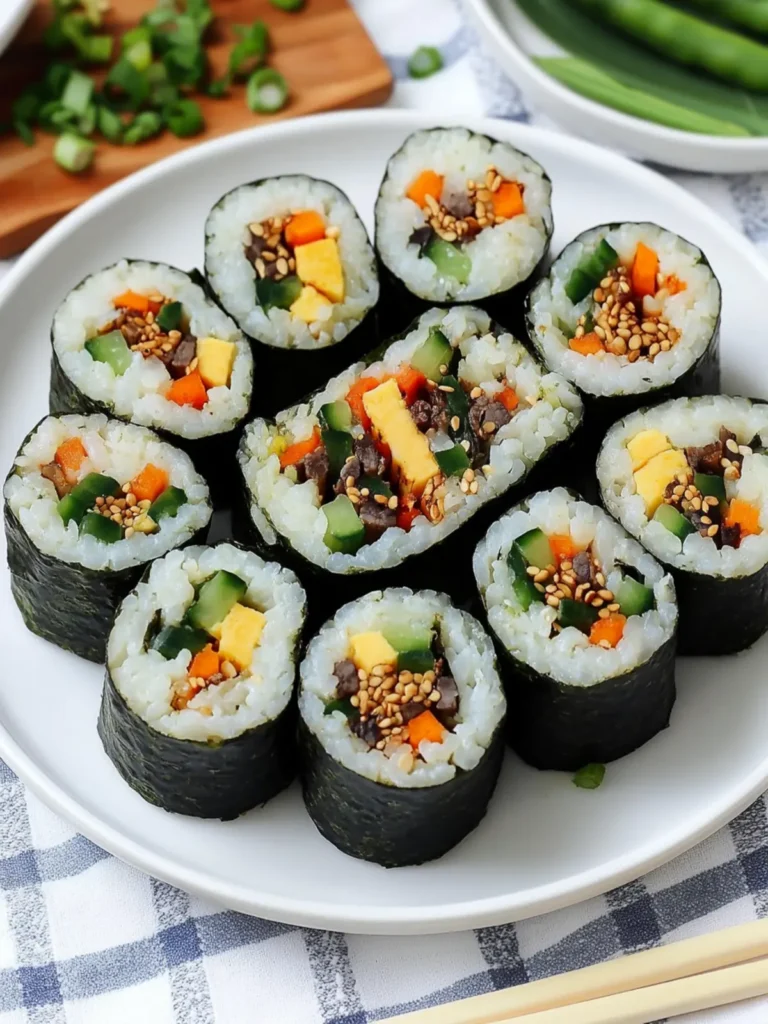
How to Store and Freeze Myulchu Gimbap
Airtight Container: Store leftover Myulchu Gimbap in an airtight container in the refrigerator for up to 24 hours to keep them fresh and prevent drying out.
Separate Fillings: If possible, store gimbap fillings separately from the rice to maintain the optimal texture and flavor when ready to eat.
Freezing Instructions: For longer storage, wrap individual gimbap rolls in plastic wrap and place them in a freezer-safe container. They can be frozen for up to one month.
Reheating Tips: To enjoy, thaw frozen gimbap in the refrigerator overnight, then reheat slightly in the microwave or enjoy them cold for a refreshing meal!
Expert Tips for Myulchu Gimbap
-
Hot Rice Is Key: Ensure the rice is still hot when mixing with sesame oil. This step helps the flavors meld beautifully and keeps the gimbap moist.
-
Bamboo Mat Advantage: Use a bamboo mat for rolling; it helps maintain even pressure and gives the gimbap a uniform shape, enhancing your presentation.
-
Oiled Knife Trick: To avoid sticky knife issues while slicing, lightly oil your knife with sesame oil before cutting. This will result in clean, beautiful pieces.
-
Don’t Overstuff: While it’s tempting, avoid overfilling the gimbap. Keeping fillings to the right amount ensures they won’t spill out while rolling and maintains the roll’s integrity.
-
Feel Free to Customize: Myulchu Gimbap is very versatile! You can easily swap out anchovies for your preferred protein or add your favorite veggies to fit your dietary needs and taste preferences.
Variations & Substitutions for Myulchu Gimbap
Feel free to unleash your creativity and tailor this delightful dish to your taste preferences!
-
Vegetarian Option: Use tofu or tempeh in place of anchovies for a hearty, plant-based filling that still satisfies.
Tofu absorbs flavor beautifully, making it an excellent canvas for the vibrant gochujang sauce. -
Extra Crunch: Add sliced cucumbers or bell peppers for an even fresher texture.
These colorful veggies provide a wonderful crunch that elevates each bite, enhancing the overall delight of the gimbap. -
Spicy Kick: For heat lovers, incorporate jalapeños or a dash of sriracha into the filling mix.
Just a little extra spice can transform your gimbap into an adventurous flavor experience! -
Nutty Twist: Sprinkle a mix of chopped nuts, like almonds or peanuts, inside for an unexpected crunch.
This adds a lovely depth of flavor and texture, making your gimbap even more satisfying. -
Herb Infusion: Swap perilla leaves for fresh basil or mint for a unique flavor profile.
The aromatic freshness of herbs brings a delightful twist that pairs beautifully with the umami filling. -
Sweet Addition: Consider layering in some shredded apples or mango for a hint of sweetness.
This surprising fruity addition creates a delightful contrast to the savory flavors! -
Seasonal Veggies: Use seasonal veggies like asparagus or zucchini for an in-the-moment touch.
This ensures your gimbap is not only delicious but also showcases the produce that’s freshest right now. -
Nori Variations: Explore different seaweed types such as shiso leaves or a flavored nori for extra taste.
Different seaweeds can enhance the flavor depth of your gimbap, making it a true culinary adventure!
What to Serve with Myulchu Gimbap?
Enjoy a delightful array of options that turn your Myulchu Gimbap into a complete meal experience.
-
Spicy Kimchi: The tangy, spicy kick of kimchi complements the flavors of gimbap beautifully, offering a zesty contrast.
-
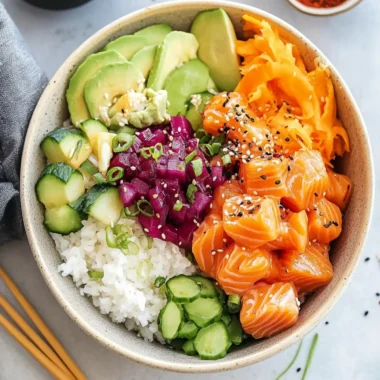
Sesame Cucumber Salad: Refreshing with a crunchy texture, this salad’s subtle sweetness balances the savory notes of the gimbap perfectly.
-
Steamed Edamame: Salty and wholesome, these tender pods provide a satisfying bite that pairs harmoniously with the umami flavors.
-
Dipping Sauces: Try a mix of soy sauce and vinegar, or a spicy gochujang dip; they enhance the gimbap’s flavors and add a personal touch.
-
Miso Soup: Light yet comforting, this classic soup brings warmth and depth to your meal, creating a soothing contrast with the gimbap.
-
Fruity Dessert: Finish with something sweet, like fresh mango slices or a light fruit salad, to cleanse the palate and add a refreshing note.
Make Ahead Options
Preparing Myulchu Gimbap in advance is a fantastic way to save time on those busy weeknights! You can make the myulchi bokkeum filling and the egg strips up to 24 hours ahead; simply refrigerate them in airtight containers. Additionally, you can pre-cook your rice and let it cool before mixing in sesame oil and salt to keep it fluffy. When it’s time to serve, just assemble the gimbap with your prepped ingredients and roll it up fresh. This way, you’ll enjoy the same delicious flavors and textures without the stress, ensuring your Myulchu Gimbap remains just as tasty!
Myulchu Gimbap Recipe FAQs
How do I choose the best dried anchovies for my Myulchu Gimbap?
When selecting dried anchovies, look for fresh, whole options without dark spots. They should have a light brown color and a firm texture, indicating good quality. The anchovies should also have a mild, seafood aroma without a strong fishy scent, ensuring they’ll contribute a pleasant umami flavor to your gimbap.
What’s the best way to store leftover Myulchu Gimbap?
To keep your Myulchu Gimbap fresh, store it in an airtight container in the refrigerator. Avoid stacking the rolls to prevent them from becoming squished. They can be kept for up to 24 hours, but for the best taste and texture, it’s fabulous to enjoy them right away.
Can I freeze Myulchu Gimbap?
Absolutely! Freezing is a great option for prolonging your Myulchu Gimbap’s shelf life. Wrap each roll tightly in plastic wrap, then place them in a freezer-safe container. They can be kept for up to one month. When you’re ready to enjoy them, just thaw in the refrigerator overnight, and you can eat them cold or slightly reheat if desired.
What should I do if my rice is too sticky when I make Myulchu Gimbap?
If your rice is overly sticky, you can try adding a bit more sesame oil or a dash of vinegar to help separate the grains. Additionally, ensure you’re using short grain rice and allow it to cool slightly before mixing in other ingredients. Another tip is to rinse the uncooked rice before cooking to remove excess starch, leading to a fluffier texture.
Are there any dietary considerations I should keep in mind for Myulchu Gimbap?
Yes, it’s always good to be mindful of allergies! Myulchu Gimbap contains seafood, so if you’re cooking for someone with seafood allergies, consider substituting the anchovies with tofu or canned tuna for a different protein option. Additionally, if you’re making vegan versions, use tofu instead of eggs and omit or replace the anchovies. It’s all about making this dish perfect for everyone!
How long can I keep Myulchu Gimbap in the freezer?
Myulchu Gimbap can be safely stored in the freezer for up to one month. Just ensure they are well-wrapped to keep the flavors intact. Once frozen, you can enjoy them straight from the freezer or let them thaw in the refrigerator before indulging!
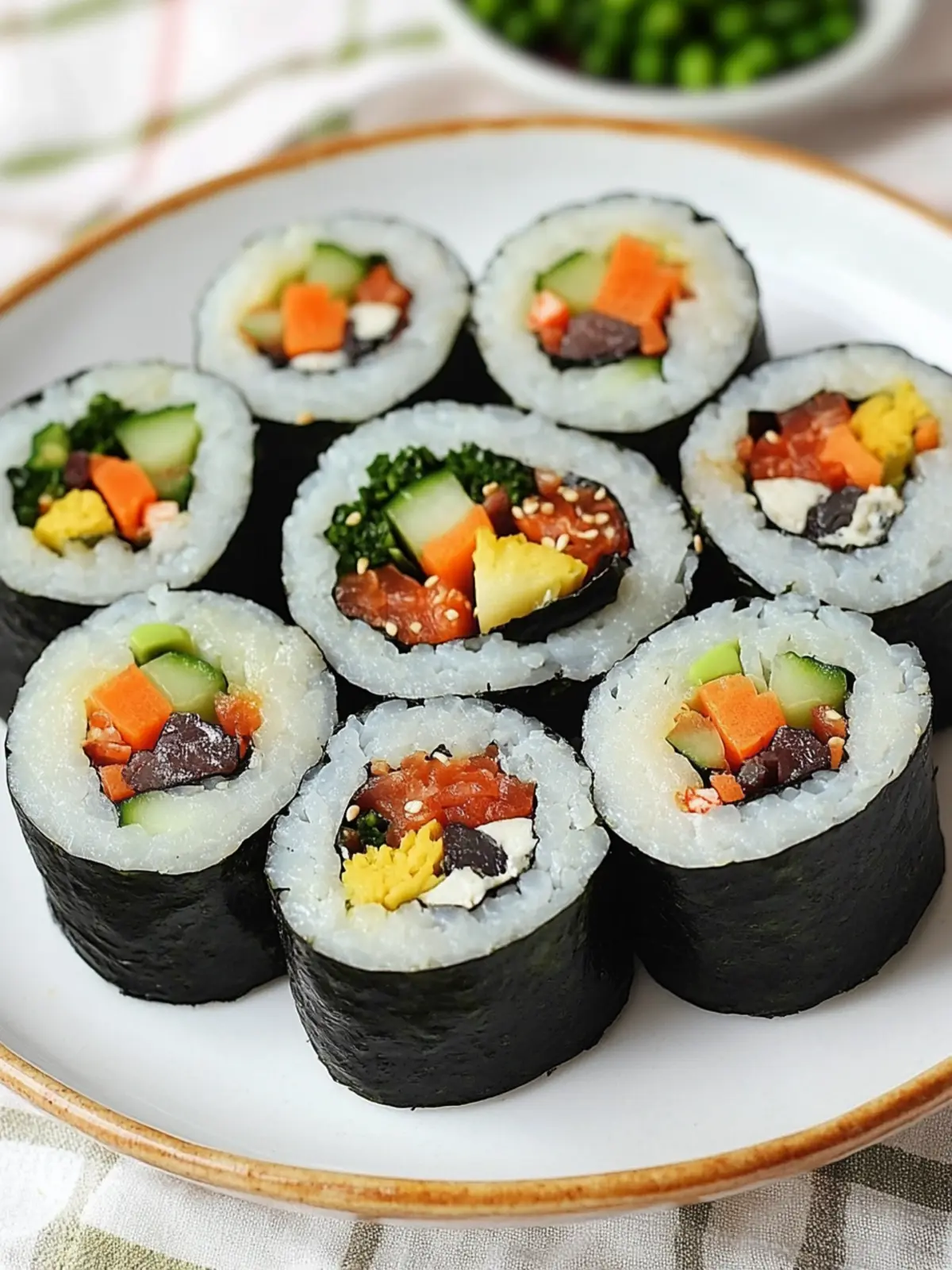
Delicious Myulchu Gimbap: Your New Favorite Korean Roll!
Ingredients
Equipment
Method
- Heat a pan over medium heat and drizzle in some vegetable oil. Stir-fry the dried anchovies for about 2-3 minutes until they become crispy. Add the chili peppers, cooking for another minute before reducing the heat. Mix in gochujang, sesame oil, and sesame seeds, stirring until everything is evenly coated.
- Beat the eggs with a pinch of salt and pour them into a small non-stick pan on medium-low heat. Cook until set, flipping once to create a thicker half-moon shape. After cooking, cut the eggs into strips.
- In a hot pan, stir-fry the shredded carrots until they soften slightly, seasoning lightly with salt for added flavor.
- In a large bowl, combine your hot cooked short grain rice with sesame oil and a pinch of salt, mixing well until the rice is coated and fluffy.
- Lay a sheet of gim (seaweed) shiny side down on a bamboo mat. Spread 3/4 to 1 cup of the prepared rice evenly across the sheet. Arrange the perilla leaves, myulchi bokkeum filling, and other chosen fillings on top. Roll tightly away from you, tucking in the filling as you go.
- Brush the completed gimbap roll with a bit more sesame oil for sheen. Using a sharp knife (oiled with sesame oil), slice the roll into 1/2-inch pieces, ensuring clean cuts.