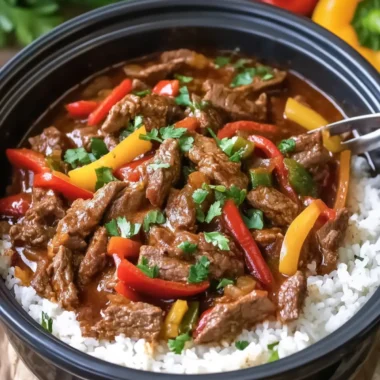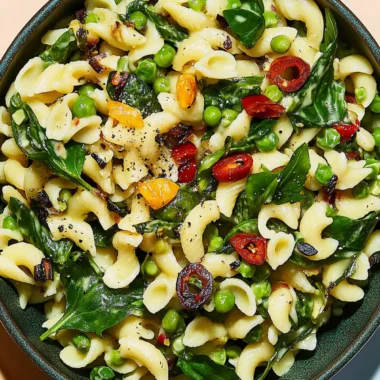
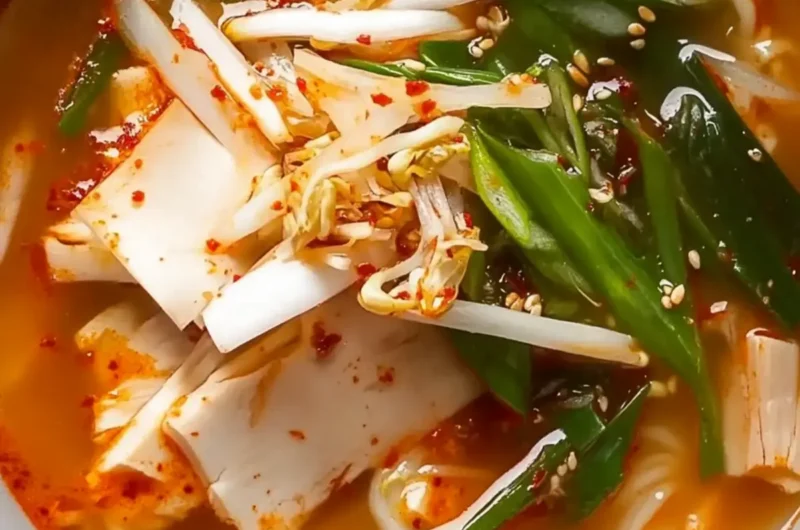
There’s nothing quite like the warmth of a homemade meal to chase away the day’s stress. Picture this: as the first chill of autumn breeze sneaks into your home, the irresistible aroma of a simmering Korean soup fills your kitchen, wrapping you in a cozy embrace. With tender meats, vibrant vegetables, and a depth of flavor that dances on your palate, this 30-Minute Korean Soup is your ticket to a quick yet comforting dining experience.
I stumbled upon this recipe one hectic evening when I craved something hearty but had only half an hour to spare. The fusion of well-fermented kimchi and the spices of gochugaru combines effortlessly, turning simple ingredients into a sensational gourmet dish. You won’t believe it’s homemade! Perfect for busy weeknights or to impress guests, this soup invites you to savor each spoonful while feeling the love of Korean cuisine in every drop. Let’s dive into this culinary journey and bring warmth to your table!
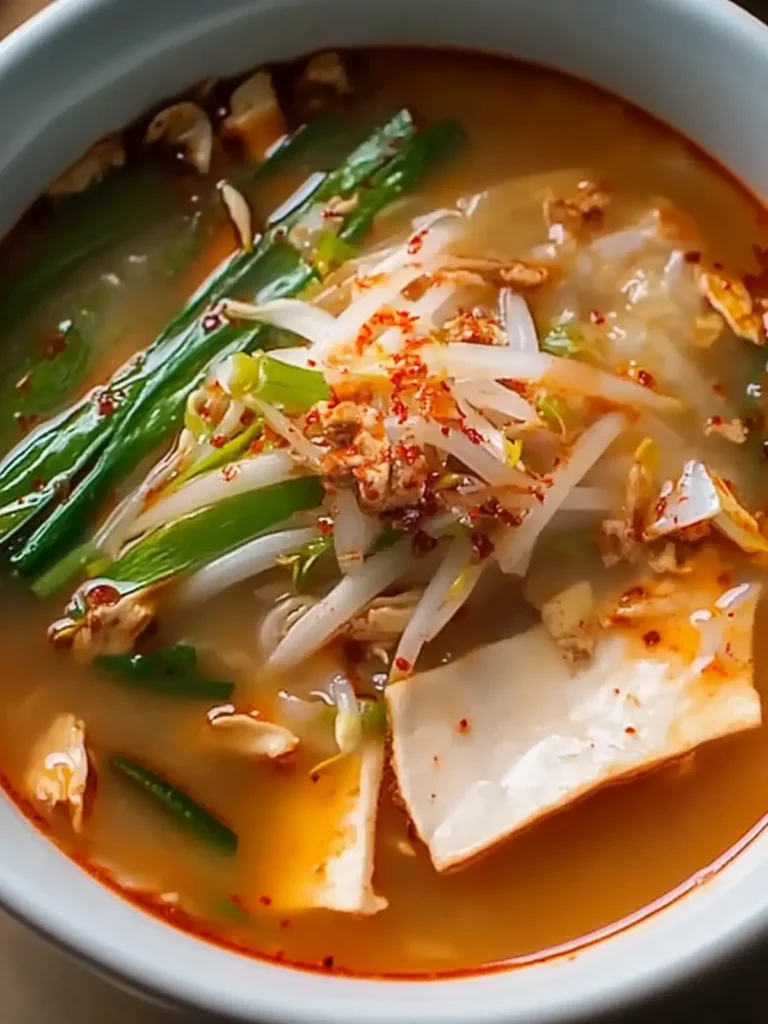
Why is Korean Soup so comforting?
Flavor Explosion: Each spoonful is packed with layers of rich, savory flavors from fermented kimchi and aromatic spices, creating a delightful harmony that warms the soul.
Quick Prep: This recipe is ready in just 30 minutes, perfect for those busy weeknights when you still want a hearty meal without the fuss.
Versatile Options: Customize your soup with proteins or add vegetables to suit your taste and dietary needs, ensuring everyone can enjoy it.
Nutrient-Rich: Loaded with proteins and gut-friendly probiotics from kimchi, this soup is not just comforting but also a healthy choice for you and your family.
Crowd-Pleasing Dish: Whether it’s a family dinner or a cozy gathering, this Korean soup is sure to impress and entice everyone at the table!
Korean Soup Ingredients
• Dive into the essential components for a delicious Korean Soup that brings comfort and fusion to your table!
For the Base
- Well-Fermented Kimchi – Adds depth and a spicy, tangy flavor; an excellent substitute for fresh kimchi or omit for a milder version.
- Anchovy or Kelp Broth – The essential base, delivering umami; use vegetable broth for a vegan/vegetarian alternative.
For the Protein
- Pork Belly or Beef (Optional) – Provides richness and protein; can be replaced with chicken, tofu, or left out for a vegetarian option.
- Firm Tofu – Adds texture and protein; use soft tofu for a creamier consistency but adjust cooking time accordingly.
For the Flavoring
- Gochugaru (Korean Red Pepper) – Gives the soup its signature heat and color; reduce for less spice, or substitute with crushed red pepper.
- Gochujang (Red Pepper Paste) – Adds sweetness and umami depth; substitute with miso for a different flavor profile.
- Minced Garlic – Enhances aromatic quality and depth; can use garlic powder as an alternative if fresh isn’t available.
- Soy Sauce – Provides saltiness and a savory aspect; tamari can be a great gluten-free option.
- Sugar – Balances flavors beautifully; honey or agave work as delicious alternatives for sweetness.
- Sesame Oil – Adds a nutty depth; for a lighter taste, a small amount of olive oil can be used.
For Garnish
- Sliced Green Onions – Fresh and crunchy addition that brightens the dish; can be replaced with chives or omitted for simpler presentation.
This Korean Soup will not only nourish your body but also warm your heart. Enjoy crafting this delightful dish!
How to Make Korean Soup
-
Prep Ingredients: Start by chopping your kimchi, green onions, and any meat you wish to include, ensuring everything is ready to go for a smooth cooking experience.
-
Sauté Base: In a pot, heat up a splash of oil over medium heat, then sauté the minced garlic and chopped kimchi until fragrant, about 2-3 minutes—this will awaken the flavors!
-
Add Protein: If you’re using pork belly or beef, quickly brown the meat for about 3-5 minutes, then add your anchovy or kelp broth to combine all those delightful flavors.
-
Simmer Soup: Bring everything to a boil, then lower the heat and let it simmer for approximately 10-15 minutes. This mingling time allows the ingredients to create a deeply flavorful broth.
-
Add Soft Ingredients: Gently introduce the firm tofu and sliced green onions into the pot in the last few minutes of cooking, ensuring they remain fresh and vibrant.
-
Season and Serve: Stir in the soy sauce, sugar, and sesame oil for a final touch, and serve hot for the best experience of this comforting Korean soup!
Optional: Serve alongside steamed rice or on its own for a lovely light meal.
Exact quantities are listed in the recipe card below.
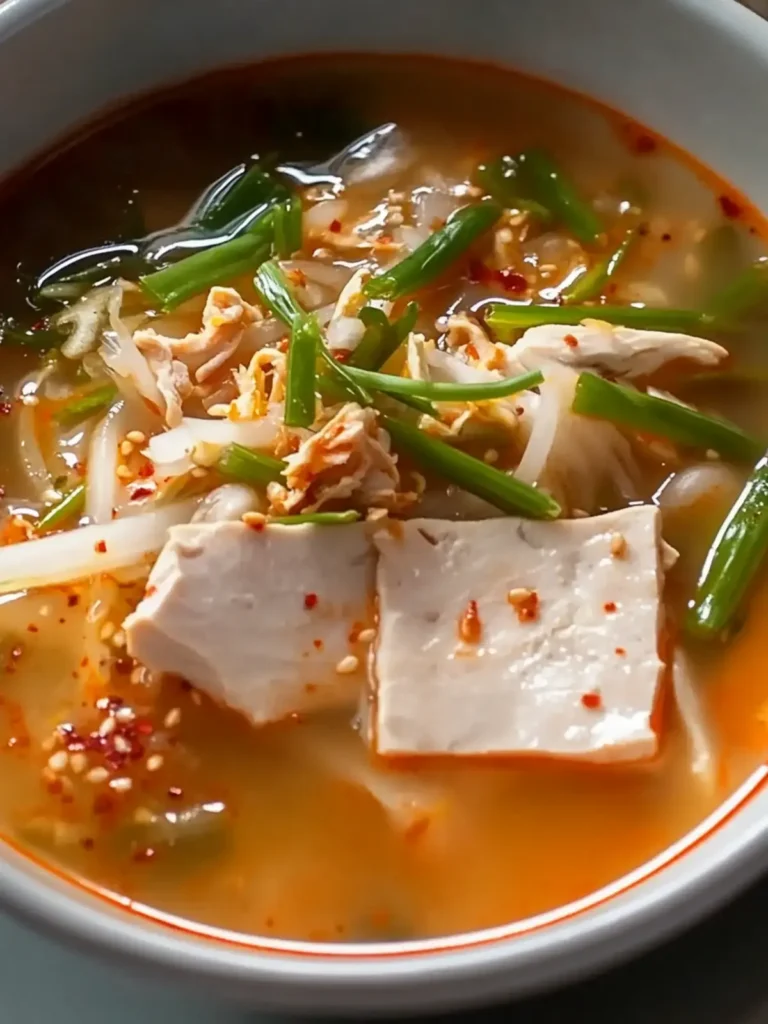
Expert Tips for Korean Soup
- Layer Flavors: Start by sautéing garlic and kimchi before adding broth; this step boosts the soup’s depth and aroma.
- Adjust Spice Gradually: When adding gochugaru and gochujang, incorporate them little by little to gauge your preferred heat level in the Korean soup.
- Use Fresh Ingredients: Always opt for fresh, well-fermented kimchi as it enhances the overall taste; avoid substitutes that lack character.
- Mind Cooking Times: Add soft ingredients like tofu and green onions towards the end to keep their textures intact.
- One-Pot Wonder: For an even quicker meal, consider using an Instant Pot: sauté, then pressure cook for about 15-20 minutes for a speedy Korean soup!
What to Serve with 30-Minute Korean Soup?
Warm up your meal with accompaniments that enhance the comfort and flavors of this delightful soup!
- Steamed Rice: The perfect companion that soaks up the savory broth, making every bite a heartfelt delight.
- Crispy Spring Rolls: Crunchy and filled with fresh veggies, these add a delightful texture contrast that complements the soup’s warmth.
- Kimchi Pancakes: A fusion of flavors that mirrors the soup’s essence, these savory pancakes offer a deliciously crispy side of fun.
- Garlic Bread: A buttery counterpart that invites you to soak up those vibrant flavors with every piece you enjoy.
- Pickled Vegetables: Tangy bites that refresh your palate, keeping the meal light and bright amidst the richness of the soup.
- Sesame Spinach Salad: This vibrant salad adds a crunchy freshness and nutrients, balancing the hearty soup wonderfully.
- Chu-Soju or Korean Beer: Try pairing with these traditional drinks to enhance your Korean dining experience and bring a festive touch!
- Honeydew Slices: For a sweet finish, these refreshing melons cleanse the palate and make for an enjoyable ending to your meal.
How to Store and Freeze Korean Soup
Fridge: Store any leftover Korean soup in an airtight container in the refrigerator for up to 3 days to maintain freshness and flavor.
Freezer: For longer storage, freeze the soup in individual portions in airtight containers for up to 2 months. Thaw in the fridge overnight before reheating.
Reheating: Gently reheat the soup on the stovetop or in the microwave, stirring occasionally, ensuring it reaches a simmer for even heating.
Avoid Bloating: If accumulated broth is too watery, skim excess liquid before reheating or adjust seasoning to balance flavors.
Make Ahead Options
These 30-Minute Korean Soup preparations are ideal for busy home cooks looking to save time during the week! You can chop your veggies, including kimchi and green onions, and even pre-cook your protein (be it pork belly, beef, or tofu) up to 24 hours in advance. Store them in airtight containers in the refrigerator to maintain their freshness. Additionally, if you want to take it a step further, you can prepare the entire soup base (not adding the tofu or green onions just yet) and refrigerate it for up to 3 days. When you’re ready to enjoy your homemade comfort, simply reheat the soup, incorporate the tofu and green onions, and finish with a stir of soy sauce and sesame oil for a delightful and speedy meal!
Korean Soup Variations & Substitutions
Feel free to add your personal touch to this comforting dish and let the flavors dance on your palate!
-
Chicken Thighs: Swap pork belly for chicken thighs for a leaner, yet equally delicious protein option. Perfect for those who prefer a lighter bite!
-
Seafood Delight: Incorporate shrimp or diced fish for a seafood twist. The ocean-fresh flavors blend beautifully with the vibrant broth, elevating your soup experience.
-
Vegetable Medley: Add a mix of mushrooms, spinach, or carrots for extra nutrition and color. This not only boosts the health factor, but it also enhances the visual appeal!
-
Spicy Kick: If you enjoy heat, increase the gochugaru or add a few slices of fresh jalapeño for an exhilarating lift. It’s a fiery way to wake up your taste buds.
-
Sweet & Tangy: Drizzle a splash of rice vinegar or lime juice before serving for a zesty brightness. This adds an unexpected twist that balances the richness of the soup.
-
Vegan-Friendly: Use vegetable broth and opt for tofu without any meat. This ensures everyone can enjoy a warm, cozy bowl of goodness—no sacrifices made!
-
Herb Infusion: Toss in fresh herbs like cilantro or basil just before serving. This step breathes a new layer of freshness into a beloved classic.
-
Creamy Texture: Stir in a splash of coconut milk for a velvety richness. This gives the soup a unique twist while enhancing its comfort factor during cool evenings.
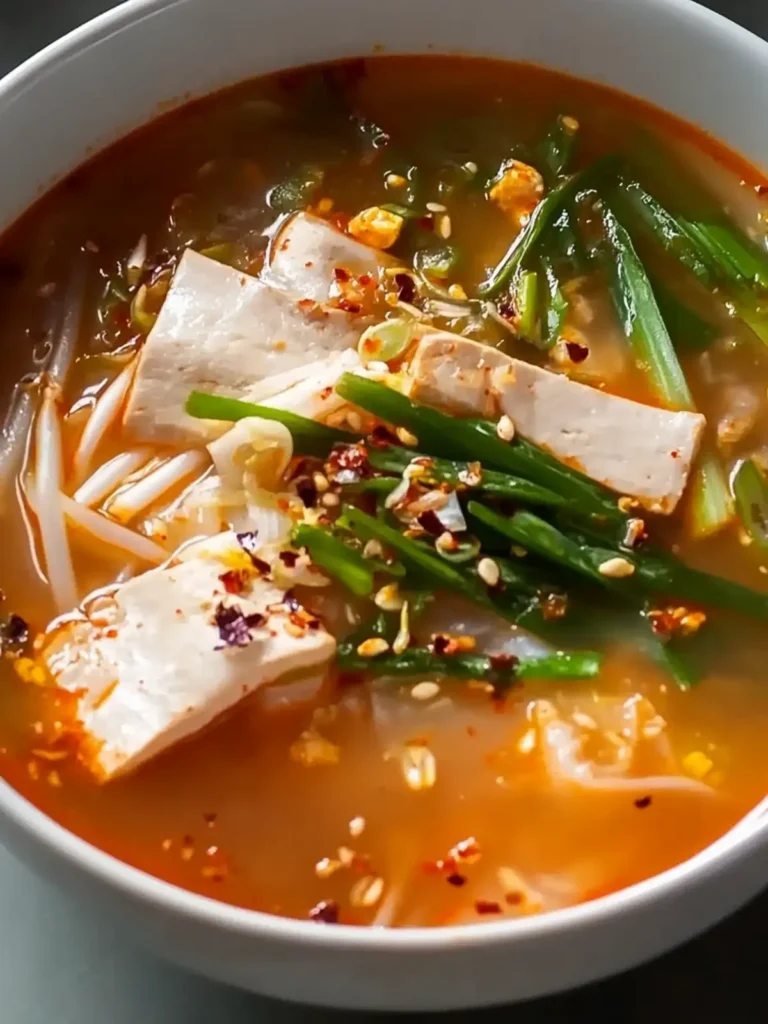
30-Minute Korean Soup Recipe FAQs
What type of kimchi should I use for the Korean soup?
Absolutely! For the best flavor, I recommend using well-fermented kimchi. It adds complexity and a spicy, tangy note to the soup. If you can’t find fermented kimchi, you can use fresh kimchi as a milder alternative or even omit it altogether for a different flavor profile.
How should I store any leftover Korean soup?
Great question! Store your leftover Korean soup in an airtight container in the refrigerator for up to 3 days. Be sure to let it cool before sealing the container to maintain freshness. When you’re ready to enjoy, simply reheat on the stovetop or in the microwave, stirring occasionally.
Can I freeze the Korean soup for later?
Yes, indeed! For longer storage, freeze the soup in individual portions in airtight containers for up to 2 months. To thaw, place it in the fridge overnight. When you’re ready to eat, reheat it gently on the stovetop, bringing it to a simmer for even heating.
What if my soup ends up too spicy?
Very understandable! If you find your Korean soup spicier than expected, try adding more broth or a splash of coconut milk to tone down the heat. This will dilute the spice level while still maintaining the soup’s delicious flavor. Always adjust little by little to find the perfect balance!
Is this Korean soup suitable for vegetarians or vegans?
Absolutely! To make the soup vegetarian or vegan, simply substitute the anchovy or kelp broth with vegetable broth and omit any meat. The kimchi (ensure it’s vegan-friendly) and tofu will still provide plenty of flavor and heartiness, making this soup a nutritious option for everyone.
Can I include seafood in my Korean soup?
The more the merrier! Feel free to customize your soup by adding seafood, like shrimp or scallops. Gently add them towards the end of the cooking process, allowing them only a few minutes to cook through—this way, they maintain their tenderness and flavor within the comforting, aromatic broth.
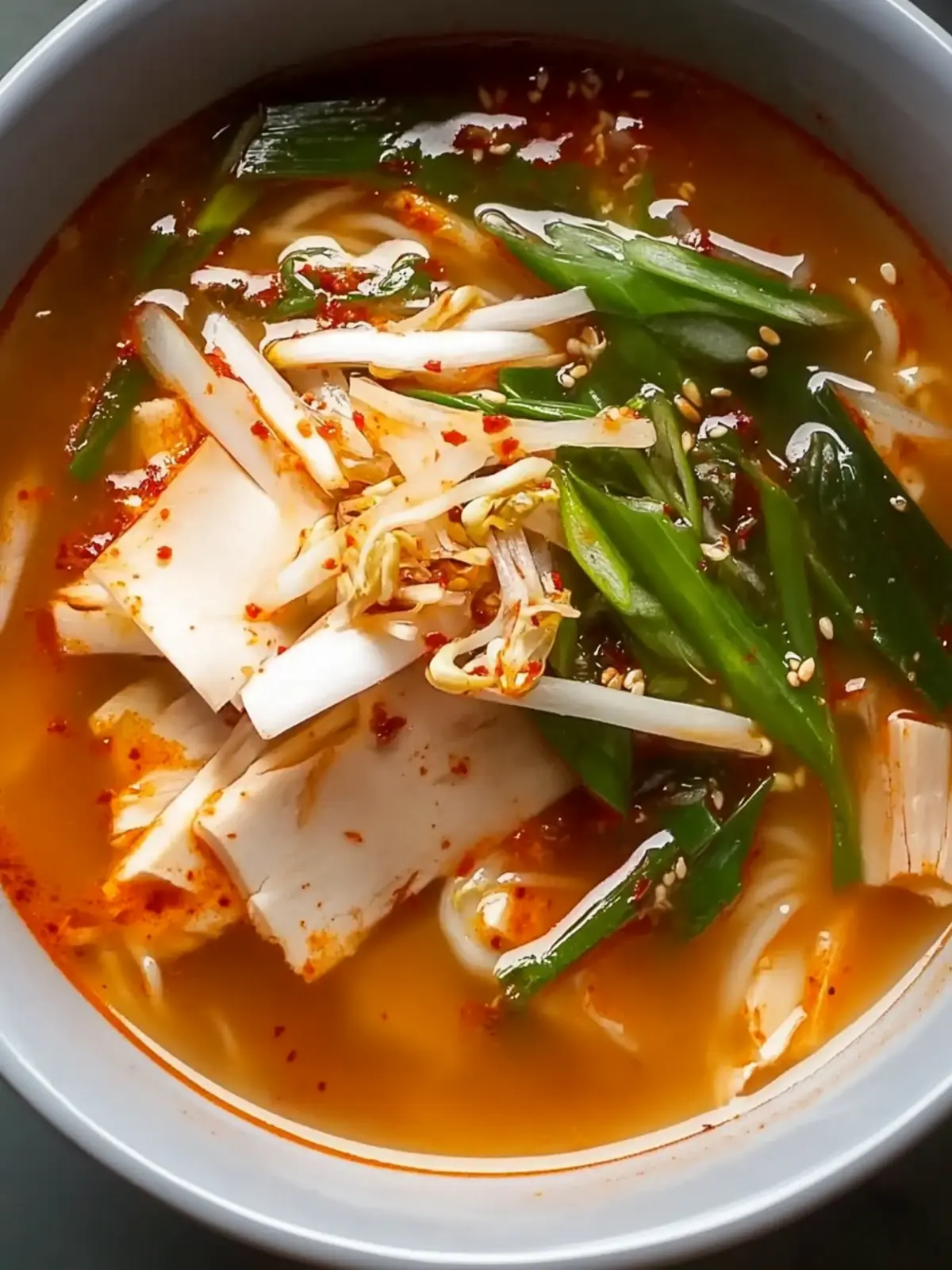
30-Minute Korean Soup – A Fusion of Aromatic Flavors Awaits!
Ingredients
Equipment
Method
- Prep Ingredients: Start by chopping your kimchi, green onions, and any meat you wish to include, ensuring everything is ready to go for a smooth cooking experience.
- Sauté Base: In a pot, heat up a splash of oil over medium heat, then sauté the minced garlic and chopped kimchi until fragrant, about 2-3 minutes.
- Add Protein: If you're using pork belly or beef, quickly brown the meat for about 3-5 minutes, then add your anchovy or kelp broth.
- Simmer Soup: Bring everything to a boil, then lower the heat and let it simmer for approximately 10-15 minutes.
- Add Soft Ingredients: Gently introduce the firm tofu and sliced green onions into the pot in the last few minutes of cooking.
- Season and Serve: Stir in the soy sauce, sugar, and sesame oil for a final touch, and serve hot.