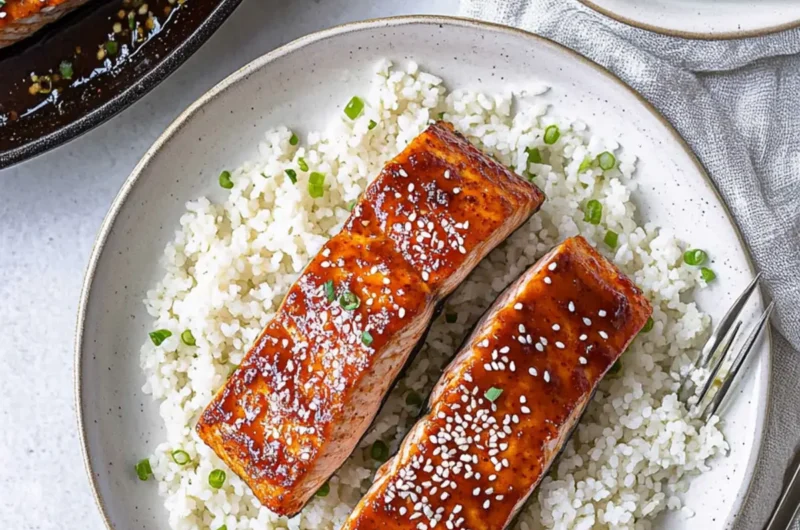
There’s something exhilarating about discovering a dish that brings a burst of flavor to your table without the fuss—especially on those busy weeknights. That’s exactly what you’ll find with my Spicy Gochujang Salmon. The rich, sweet, and spicy glaze transforms simple salmon fillets into a culinary delight that feels both comforting and gourmet.
Imagine the sound of sizzling fish in a hot skillet, the aroma of garlic mingling with the unmistakable kick of gochujang, transporting you to a cozy Korean eatery without leaving your home. What’s even better? This meal comes together in under 30 minutes, making it a perfect solution for hungry family members and busy schedules alike.
As you savor each flaky bite dressed in the vibrant, sticky glaze, you’ll agree that this isn’t just another quick meal; it’s an easy way to impress dinner guests or simply satisfy your weeknight cravings. Get ready to bring a taste of Korea to your kitchen with this delightful, high-protein dish!
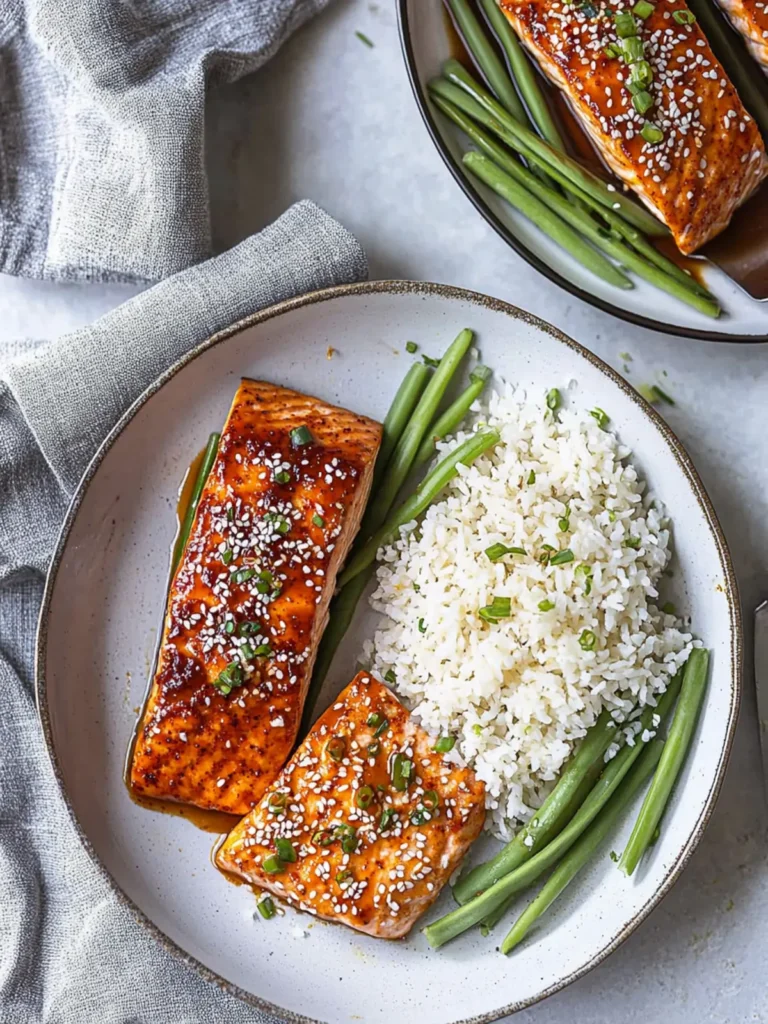
Why You’ll Love This Korean Gochujang Salmon
Quick Preparation: This recipe takes less than 30 minutes, perfect for busy weekdays or last-minute dinner plans.
Vibrant Flavors: The sweet and spicy gochujang glaze elevates everyday salmon into a gourmet experience.
High-Protein Goodness: Packed with protein, this dish is as nutritious as it is delicious.
Versatile Enjoyment: Serve it over rice, in a salad, or even as part of a bibimbap for endless variations.
Impressive Presentation: Garnished with sesame seeds and green onions, it’s as beautiful as it is tasty, sure to impress your family and guests!
Korean Gochujang Salmon Ingredients
For the Gochujang Glaze
- Gochujang Paste – This sweet and spicy Korean chili paste is essential for the dish; substitute with sriracha for a different flavor profile.
- Garlic (2 cloves, minced) – Enhances the depth of the glaze; fresh garlic provides the best flavor.
- Lime (½, juiced) – Adds brightness and acidity; replace with lemon juice if preferred.
- Honey (1 tablespoon) – Sweetens the glaze beautifully; maple syrup serves as a vegan alternative.
- Sesame Oil (½ tablespoon) – Infuses a lovely nutty flavor; feel free to use a neutral oil in a pinch.
- Low Sodium Soy Sauce (½ tablespoon) – Offers umami and a touch of saltiness; tamari is a gluten-free option.
- Rice Wine Vinegar (½ tablespoon) – Provides a nice tang; apple cider vinegar can also be used.
- Red Pepper Flakes (½ teaspoon, optional) – Adds an extra kick; adjust according to your heat preference.
For the Salmon
- Salmon Filets (4, 6-8 ounces each) – The star of this dish; fresh or thawed salmon works best for optimal texture.
- Olive Oil or Avocado Oil (1 tablespoon) – Necessary for searing the salmon; choose any high smoke point cooking oil.
For Garnishing
- Sesame Seeds & Sliced Green Onions – These make for a delightful garnish, adding both texture and visual appeal to your Korean Gochujang Salmon.
How to Make Korean Gochujang Salmon
-
Preheat the oven to 400°F (200°C). This initial step ensures your salmon cooks evenly, giving it that perfect crispy texture.
-
Whisk together the gochujang, minced garlic, lime juice, honey, sesame oil, soy sauce, rice wine vinegar, and optional red pepper flakes in a bowl; set aside. This glaze is your flavor powerhouse, combining sweet, spicy, and tangy notes.
-
Pat the salmon fillets dry and season with salt and pepper. Removing excess moisture helps achieve a crispy skin, providing a delightful contrast to the tender fish.
-
Heat oil in a large cast-iron skillet over high heat. Place the salmon fillets skin-side down and sear for 3 minutes until the skin is crispy. Brush the fillets with the prepared glaze to enhance the flavor.
-
Transfer the skillet to the oven and roast for 8-10 minutes until the salmon reaches an internal temperature of 125-135°F. Afterward, allow it to rest for 5 minutes to keep all the juices in.
-
Garnish with sesame seeds and sliced green onions before serving. This adds a lovely touch of texture and color to your dish, making it look as wonderful as it tastes!
Optional: Serve with lime wedges for an extra zing.
Exact quantities are listed in the recipe card below.
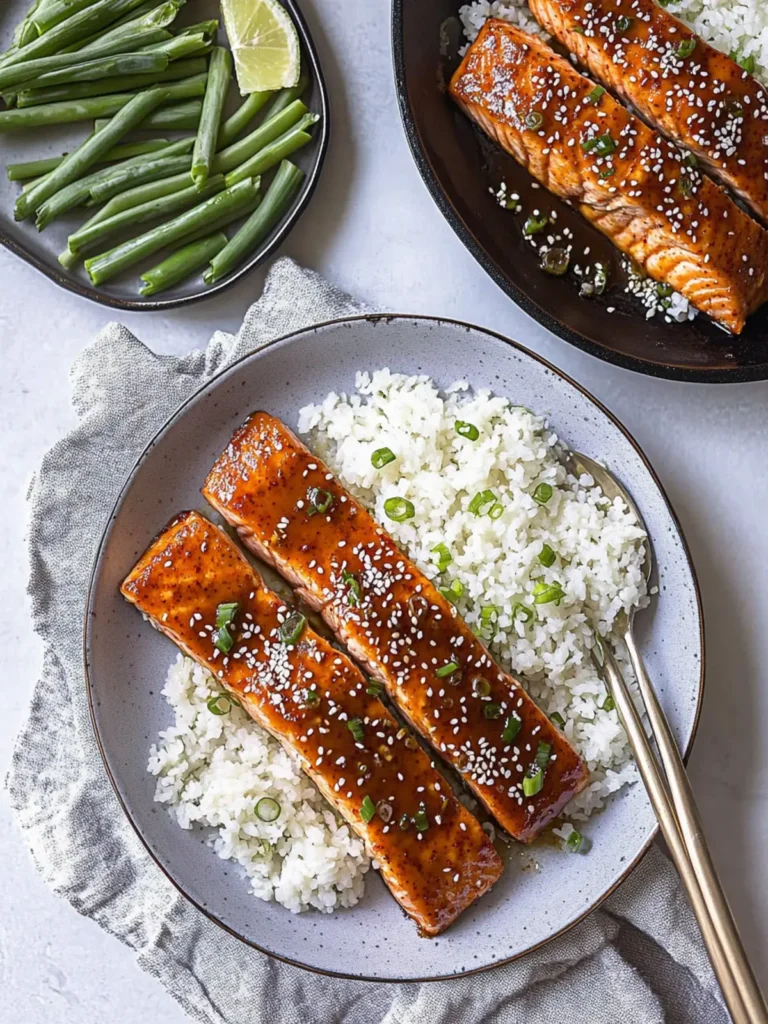
Make Ahead Options
These Korean Gochujang Salmon fillets are perfect for meal prep enthusiasts! You can make the gochujang glaze up to 3 days in advance by whisking together the gochujang, garlic, lime juice, honey, sesame oil, soy sauce, rice wine vinegar, and red pepper flakes. Store it in an airtight container in the refrigerator to maintain its vibrant flavors. Additionally, you can season the salmon fillets with salt and pepper up to 24 hours ahead of cooking, optimizing your busy weeknights. When you’re ready to serve, simply sear the fish and brush it with the prepared glaze before roasting. You’ll enjoy the same deliciously crispy and sticky results with minimal effort!
Expert Tips for Korean Gochujang Salmon
-
Crispy Skin Secret: Pat the salmon dry before cooking to remove excess moisture, which helps achieve that sought-after crispy skin.
-
Flavor Infusion: Allow your glaze to sit for a few minutes before brushing it on the salmon; this enhances the flavor profile of your Korean Gochujang Salmon.
-
Temperature Check: Use a meat thermometer to check doneness—aim for 125-135°F for perfectly cooked salmon that’s flaky yet moist.
-
Gentle Reheating: If you have leftovers, reheat gently in the microwave with a splash of water to prevent the salmon from drying out.
-
Cilantro Alternative: Feel free to top with fresh herbs like cilantro or parsley for a refreshing twist alongside the sesame seeds and green onions.
How to Store and Freeze Korean Gochujang Salmon
Fridge: Store leftover Korean Gochujang Salmon in an airtight container for up to 3-4 days to maintain freshness and flavor.
Freezer: For longer storage, wrap the salmon in plastic wrap and aluminum foil, or place in a freezer-safe container for up to 3 months without losing quality.
Reheating: When ready to enjoy, thaw overnight in the fridge, then reheat gently in the oven at 350°F (175°C) for about 10-15 minutes to preserve moisture.
Shelf-Life Tip: Be mindful that the glaze may lose some of its stickiness in storage, but the flavor will remain delicious!
What to Serve with Gochujang Salmon?
A sensational dinner awaits that bursts with flavor and warmth, ready to elevate any gathering.
-
Steamed Jasmine Rice: Light and fluffy, this rice soaks up the rich, spicy glaze, making each bite even more delectable.
-
Roasted Broccoli: Crispy yet tender, the nutty flavor complements the fiery heat of the salmon, creating a harmonious balance on your plate.
-
Korean Kimchi: A spicy and tangy side that adds a vibrant crunch, perfect for cutting through the richness of the fish while bringing authentic Korean flair.
-
Sesame Noodles: These cold noodles offer a chewy texture and a nutty taste that contrasts beautifully with the warmth and spice of the salmon.
-
Cucumber Salad: Refreshing and crisp, this salad with a tangy dressing helps cleanse the palate between every savory bite, enhancing your dining experience.
-
Pan-Seared Bok Choy: Slightly charred and tender, this green brings a mild bitterness that beautifully counterbalances the sweetness of the gochujang glaze.
Pair any of these sides with your Gochujang Salmon for a well-rounded, satisfying meal that’s sure to impress!
Korean Gochujang Salmon Variations & Substitutions
Feel free to explore these ideas to personalize your dish and ignite your culinary creativity!
-
Gluten-Free: Substitute regular soy sauce with tamari to keep this dish gluten-free while maintaining its umami flavor.
-
Sweet and Smoky: Swap honey with maple syrup for a deeper sweetness and a bit of smokiness in the glaze.
-
Vegan Twist: Use tofu instead of salmon; press and marinate it in the gochujang glaze before baking for a delightful plant-based meal.
-
Spicy Kick: Add extra red pepper flakes or a dash of hot sauce to the glaze for those who crave more heat.
-
Crispier Skin: Give salmon a longer sear before roasting for an even crispier skin. The texture will elevate your dining experience!
-
Herbal Freshness: Toss in fresh cilantro or basil as a garnish for a refreshing twist that complements the rich flavors wonderfully.
-
Citrus Burst: Replace lime juice with orange juice in the glaze for a subtle sweetness that melds beautifully with the spice.
-
Noodle Bowl: Serve over a bed of cooked soba noodles topped with steamed veggies for a wholesome, balanced meal.
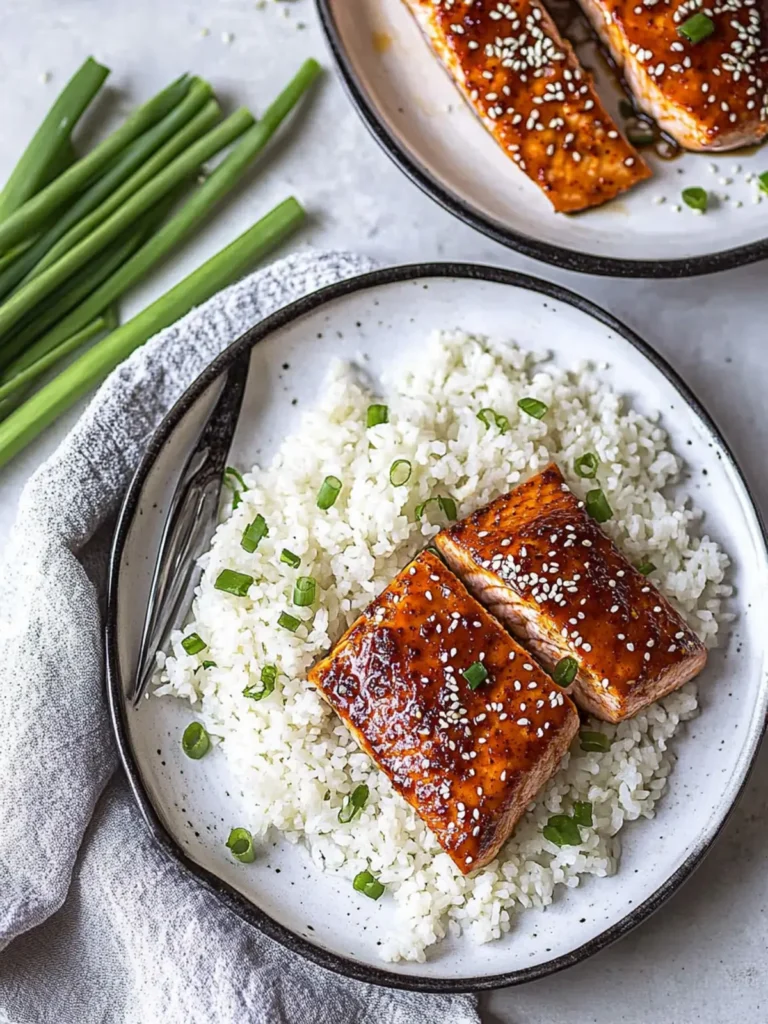
Korean Gochujang Salmon Recipe FAQs
What should I look for when selecting salmon fillets?
Absolutely! Look for salmon that has a vibrant color and firm texture. The fillet should have a clean, ocean-like smell, rather than a fishy odor. Fresh salmon is best, but if you’re using frozen, ensure it’s been thawed properly in the refrigerator before cooking.
How should I store leftover Korean Gochujang Salmon?
Store your leftovers in an airtight container in the refrigerator for up to 3-4 days. Make sure it’s cooled to room temperature before sealing it up. To preserve flavor and moisture, I recommend placing a damp paper towel over the salmon before sealing; this helps retain its succulence.
Can I freeze Korean Gochujang Salmon?
Yes, you can! For freezing, wrap the salmon fillets tightly in plastic wrap and then in aluminum foil, or place them in a freezer-safe container. This method prevents freezer burn and keeps the fish fresh for up to 3 months. When you’re ready to enjoy it, thaw overnight in the refrigerator and follow up with gentle reheating.
What should I do if my salmon is overcooked?
If your salmon has dried out, don’t worry—there’s hope! I recommend flaking the overcooked fish and mixing it with a little yogurt or mayo to create a flavorful spread. You can use it in sandwiches, wraps, or even mixed into a salad. Adding some fresh veggies or crunchy ingredients can help brighten up the dish!
Is Gochujang safe for those with allergies?
Great question! Gochujang typically contains gluten due to the fermentation of glutinous rice. If you or your guests have gluten sensitivities, opt for a gluten-free tamari in the recipe. Always check labels for specific allergen information to ensure safety for individuals with food allergies.
What are some alternatives to Gochujang if I can’t find it?
If you can’t find gochujang, you can use sriracha as a substitute for a different heat profile. Mix in a spoonful of miso paste for depth and sweetness or combine it with a touch of honey to recreate a similar flavor balance. The key is to adjust according to your taste preferences!
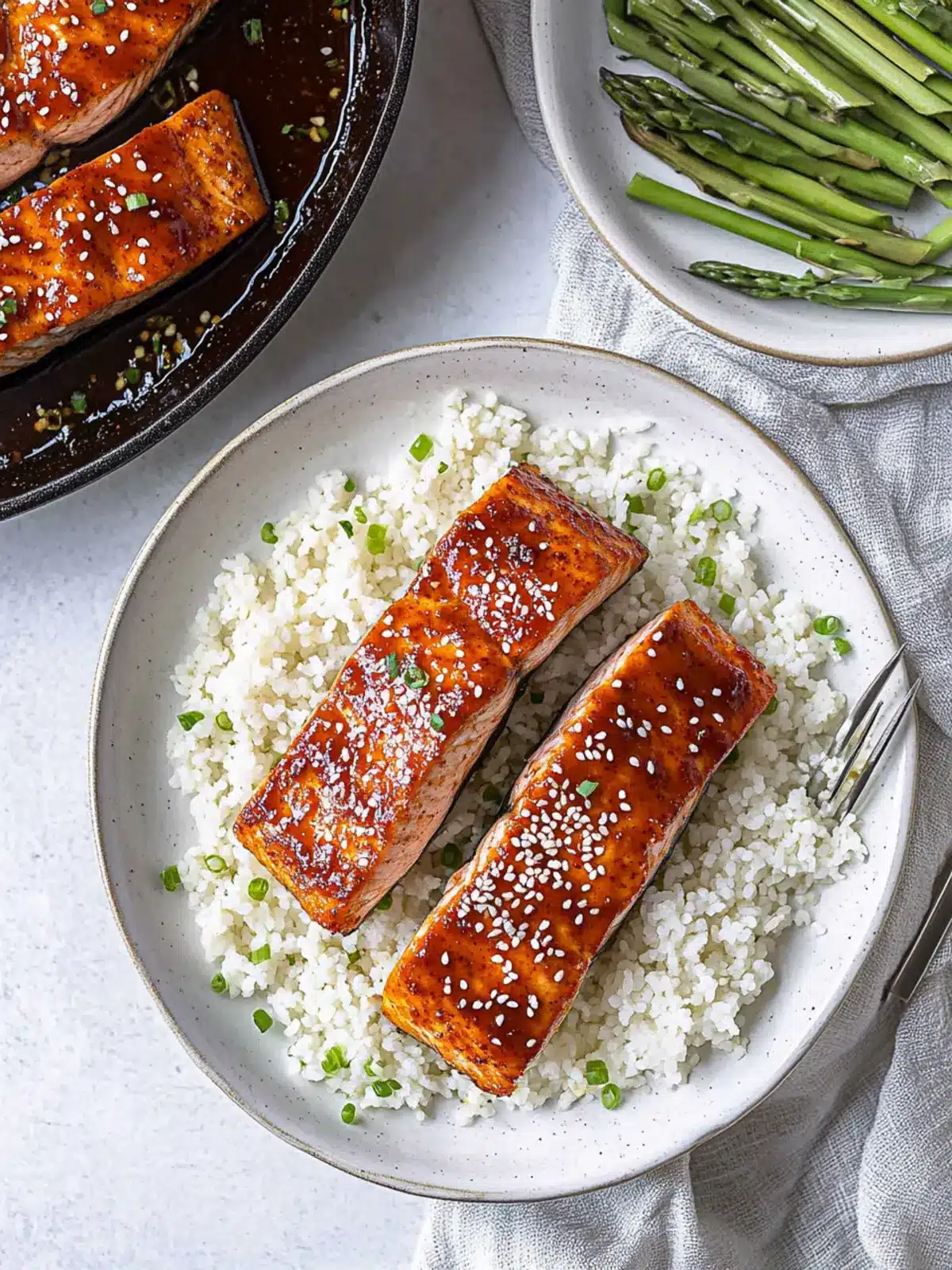
Quick Korean Gochujang Salmon for a Flavorful Dinner Delight
Ingredients
Equipment
Method
- Preheat the oven to 400°F (200°C) to ensure even cooking.
- Whisk together the gochujang, minced garlic, lime juice, honey, sesame oil, soy sauce, rice wine vinegar, and optional red pepper flakes in a bowl; set aside.
- Pat the salmon fillets dry and season with salt and pepper.
- Heat oil in a large cast-iron skillet over high heat. Place the salmon fillets skin-side down and sear for 3 minutes until the skin is crispy. Brush the fillets with the prepared glaze.
- Transfer the skillet to the oven and roast for 8-10 minutes until salmon reaches an internal temperature of 125-135°F. Allow it to rest for 5 minutes.
- Garnish with sesame seeds and sliced green onions before serving.