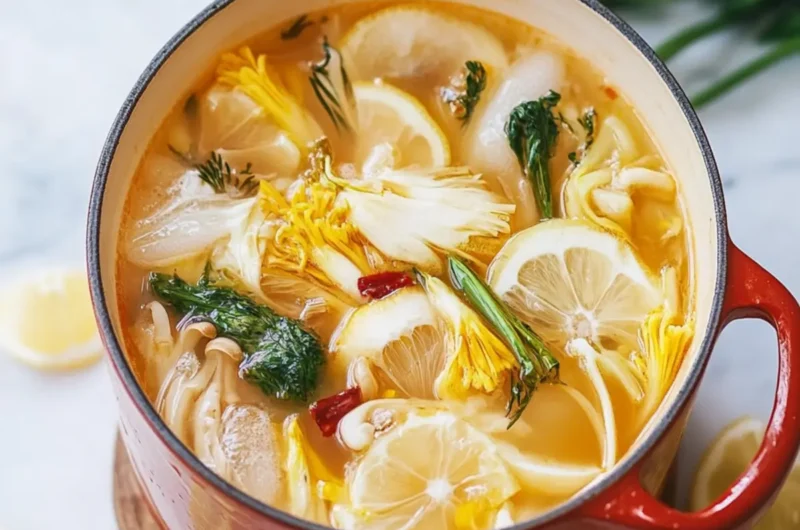
On a cozy evening at home, there’s nothing quite like the fragrant steam rising from a bowl of Jjamppong to make you feel instantly refreshed. One whiff of the spicy gochujang mingling with the briny aroma of seafood transports me directly to my favorite Korean restaurant, where each slurp of fresh noodles is a delightful embrace. This vibrant dish is perfect for those busy weeknights when the craving for something homemade clashes with time constraints.
In just 20 minutes, you can create a flavorful feast that impresses both your taste buds and dinner guests alike. With succulent shrimp, clams, and a medley of colorful vegetables swimming in a rich, savory broth, Jjamppong is more than a meal; it’s a heartwarming experience that captures the essence of comfort food. So, put aside those fast-food options and let’s dive into the delicious world of Korean cuisine together!
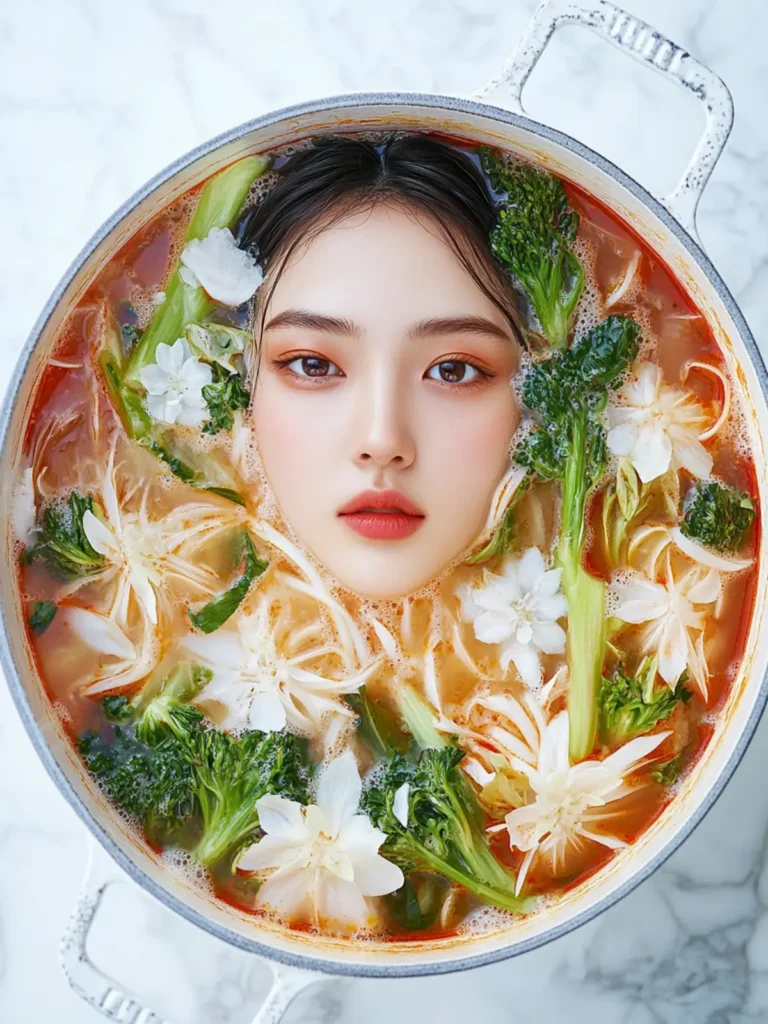
Why is Jjamppong a Must-Try Dish?
Flavorful, The bold flavors of gochujang combined with fresh seafood make each bite a delightful explosion.
Quick & Easy, Ready in just 20 minutes, it’s a lifesaver for busy weeknights.
Versatile, Customize with your choice of seafood or veggies to suit your tastes.
Comforting, A warm bowl of Jjamppong is perfect for cozy nights in, elevating any meal to a special occasion.
Impressive, Your family and friends will be amazed at your culinary skills when you serve this authentic dish.
Give this vibrant seafood soup a try, and you’ll understand why Jjamppong is a beloved favorite in Korean cuisine!
Jjamppong Ingredients
• Let’s gather the essentials for your delightful bowl of Jjamppong!
For the Noodles
- Korean fresh noodles – These provide the perfect chewy texture that complements the soup.
For the Broth
- Cooking oil – Essential for sautéing aromatic garlic and onion to kickstart the flavor.
- Garlic – Minced to infuse a fragrant depth into your Jjamppong.
- Onion – Adds a sweet and savory base for the broth.
- Chicken broth or bone broth – Use homemade for a richer taste, but store-bought works fine!
For the Seafood
- Medium-sized shrimp – Tender and juicy, they’re a must for that classic Jjamppong flavor.
- Manila clams – Brings a briny taste that pairs beautifully with the spices.
- Squid – Cut into rings, they lend a unique texture to the dish.
- Bay scallops or sea scallops – Their sweetness enhances the overall seafood experience.
For the Seasoning
- Gochujang – This Korean chili paste adds the signature spicy kick to your Jjamppong.
- Gochugaru – A sprinkle of this Korean chili powder intensifies the heat and color.
- Soy sauce – Adjust to taste for an umami boost.
- Salt – Season to perfect the flavor of your broth.
For the Vegetables
- Napa cabbage – Adds a crunchy texture and mild sweetness.
- Bok choy – Offers a nice green addition that’s both nutritious and vibrant.
- Scallions – Freshly cut into strips for a burst of color and flavor right before serving!
Now that you have gathered all necessary ingredients, you’re on your way to creating an unforgettable bowl of Jjamppong!
How to Make Jjamppong
-
Cook the Noodles: Bring a pot of water to a boil and cook the Korean fresh noodles according to the package instructions until al dente. Drain and set aside; remember, you want them slightly undercooked for the soup!
-
Sauté Aromatics: In a large pot, heat 2 tablespoons of cooking oil over high heat. Add the minced garlic and onion, stir-frying until fragrant and slightly golden, about 2 minutes.
-
Add Seafood: Toss in the shrimp, Manila clams, squid, and bay scallops. Add 4 tablespoons of gochujang and 1 tablespoon of gochugaru. Stir well to coat the seafood in the spicy paste.
-
Create the Broth: Pour in 4 cups of chicken or bone broth and bring it to a rapid boil. Add the napa cabbage and bok choy; they’ll soften beautifully in the hot broth, about 3-4 minutes.
-
Season & Combine: Season with 1-2 tablespoons of soy sauce and salt to taste. Add the cooked noodles to the bubbling soup and let them heat for just 30 seconds. Finally, gently stir in the sliced scallions.
-
Serve Hot: Turn off the heat and ladle the luxurious Jjamppong into bowls. Enjoy the vibrant colors and aromas right away for the best experience!
Optional: Garnish with extra scallions for a fresh crunch.
Exact quantities are listed in the recipe card below.

Jjamppong Variations
Feel free to explore these delightful spins on the beloved Jjamppong recipe—each one is a chance to make it uniquely yours!
-
Seafood Medley: Swap out shrimp, clams, and scallops for your favorite seafood, like mussels or crab, to mix things up. Imagine the aroma as you blend diverse flavors into one hearty bowl!
-
Vegetable Boost: Add sliced bell peppers, snap peas, or mushrooms for an extra crunch and flavor. They’ll create a colorful and crispy addition that makes each bite a surprise!
-
Spicy Kick: For those who crave heat, add sliced fresh chili peppers or extra gochugaru. This simple adjustment packs a fiery punch that will keep you coming back for more.
-
Gluten-Free: Substitute the fresh Korean noodles with rice noodles or gluten-free pasta for a deliciously inclusive option. You won’t compromise on flavor while catering to dietary needs.
-
Creamy Twist: Stir in a splash of coconut milk or a dollop of cream for a creamier broth. This twist softens the spice and brings a rich, velvety texture to your Jjamppong.
-
Protein Power: Mix in tofu or tempeh for a plant-based protein boost. This not only enriches the dish but also gels beautifully with the vibrant broth!
-
Herb Infusion: Toss in a handful of fresh cilantro or basil at the end for a burst of freshness. The herbs will elevate your Jjamppong to a whole new level of aromatic bliss.
-
Savory Umami: Sprinkle some sesame oil or add a few drops of fish sauce for a deeper umami flavor. These subtle enhancements will harmonize beautifully with the seafood.
Embrace these variations to create your own masterpiece that reflects your tastes and preferences!
What to Serve with Jjamppong?
Transform your meal into a lavish feast by pairing Jjamppong with delightful sides that balance its vibrant flavors.
-
Steamed Rice: Perfect for soaking up the rich broth, a bowl of fluffy rice provides a hearty complement to the seafood.
-
Korean Pancakes: Crispy, savory pancakes add a satisfying crunch to your meal, making each bite of Jjamppong even more special.
-
Pickled Vegetables: Bright, tangy kimchi or pickled radishes cleanse the palate and enhance the flavors, bringing an authentic Korean touch.
-
Sesame Spinach Salad: Fresh spinach tossed with sesame dressing offers a nutty flavor and vibrant color, lightening the meal while adding nutrition.
Pair the warmth of your Jjamppong with a refreshing cucumber salad to provide a cool contrast; the crunch of cucumbers elevates each slurp with a burst of freshness.
-
Soju or Korean Beer: Sip on these classic Korean beverages to enhance the meal; their crispness and slight sweetness perfectly balance the spiciness of your dish.
-
Green Tea Ice Cream: For dessert, this creamy and subtly sweet treat offers a delightful end to your spice-filled meal, helping to cool the palate.
Expert Tips for Jjamppong
-
Noodle Texture: Ensure the fresh noodles are cooked al dente; they should be slightly undercooked to absorb the flavorful broth without turning mushy.
-
Seafood Freshness: Use the freshest seafood possible; this makes a significant difference in flavor, transforming your Jjamppong into a delightful seafood experience.
-
Adjust Spice Levels: Don’t hesitate to modify the gochujang and gochugaru amounts to match your spice tolerance; start with less and add more as needed.
-
Broth Depth: For an even heartier broth, simmer your chicken or bone broth with aromatics like ginger and lemongrass before adding the seafood.
-
Veggie Variety: Feel free to mix in other vegetables like mushrooms or zucchini for added nutrition and flavor. Just ensure they cook quickly to retain their crunch!
-
Don’t Overcook: Once you add the noodles to the soup, heat for just 30 seconds to prevent them from becoming too soft—this ensures a perfect texture in your Jjamppong.
How to Store and Freeze Jjamppong
Fridge: Keep leftover Jjamppong in an airtight container for up to 3 days. For the best taste, reheat on the stove with a splash of broth or water to bring back the broth’s richness.
Freezer: If you need to freeze Jjamppong, store it without the noodles in an airtight container for up to 2 months. Add freshly cooked noodles when you’re ready to enjoy.
Reheating: When reheating, avoid boiling as it can overcook the seafood. Heat gently on low until warmed through, adding extra broth if necessary to rehydrate the dish.
Wrapping: For best quality in the fridge or freezer, ensure dishes are well-wrapped or sealed to prevent freezer burn and flavor loss.
Make Ahead Options
Preparing Jjamppong ahead of time can save you precious moments on busy weeknights! You can chop your vegetables (napa cabbage, bok choy, and scallions) and store them in the refrigerator for up to 3 days. Additionally, the seafood can be cleaned and marinated in gochujang and gochugaru a day in advance, maintaining its freshness when refrigerated. Just remember to cook the fresh noodles shortly before serving; they should be undercooked, so they don’t become mushy. When you’re ready, simply heat the broth, add the prepped seafood and vegetables, stir in the noodles, and let everything warm through for an easy, restaurant-worthy meal that’ll impress everyone!
Jjamppong Recipe FAQs
What type of noodles work best for Jjamppong?
For the best texture and flavor, I recommend using Korean fresh noodles. They have a wonderful chewy quality that pairs perfectly with the broth. Alternatively, you can use udon or even rice noodles if you can’t find fresh ones.
How should I store leftover Jjamppong?
Store any leftover Jjamppong in an airtight container in the refrigerator for up to 3 days. To reheat, gently warm it on the stove, adding a splash of broth or water to restore the soup’s rich flavors and prevent the noodles from becoming mushy.
Can I freeze Jjamppong?
Absolutely! To freeze Jjamppong, it’s best to store it without the noodles. Place the soup in an airtight container, where it will keep for up to 2 months. When you’re ready to enjoy it, simply reheat the broth and add freshly cooked noodles for the best texture!
What can I do if the broth is too salty?
If you find your broth on the salty side, don’t worry! A quick trick is to add a raw potato (peeled and cut in half) to the soup while it simmers. The potato will absorb some of the excess salt. Just remember to remove it before serving!
Is Jjamppong suitable for people with seafood allergies?
Jjamppong is primarily a seafood dish, so it’s not suitable for those with seafood allergies. However, if you’re looking for a non-seafood version, consider using chicken or tofu as your protein, and load it up with more vegetables to keep it delicious and satisfying.
How can I adjust the spice level in my Jjamppong?
To modify the spice level, start with a smaller amount of gochujang and gochugaru, and taste it before adding more. You can also balance the heat by adding a bit of sugar or coconut milk for a creamy touch!
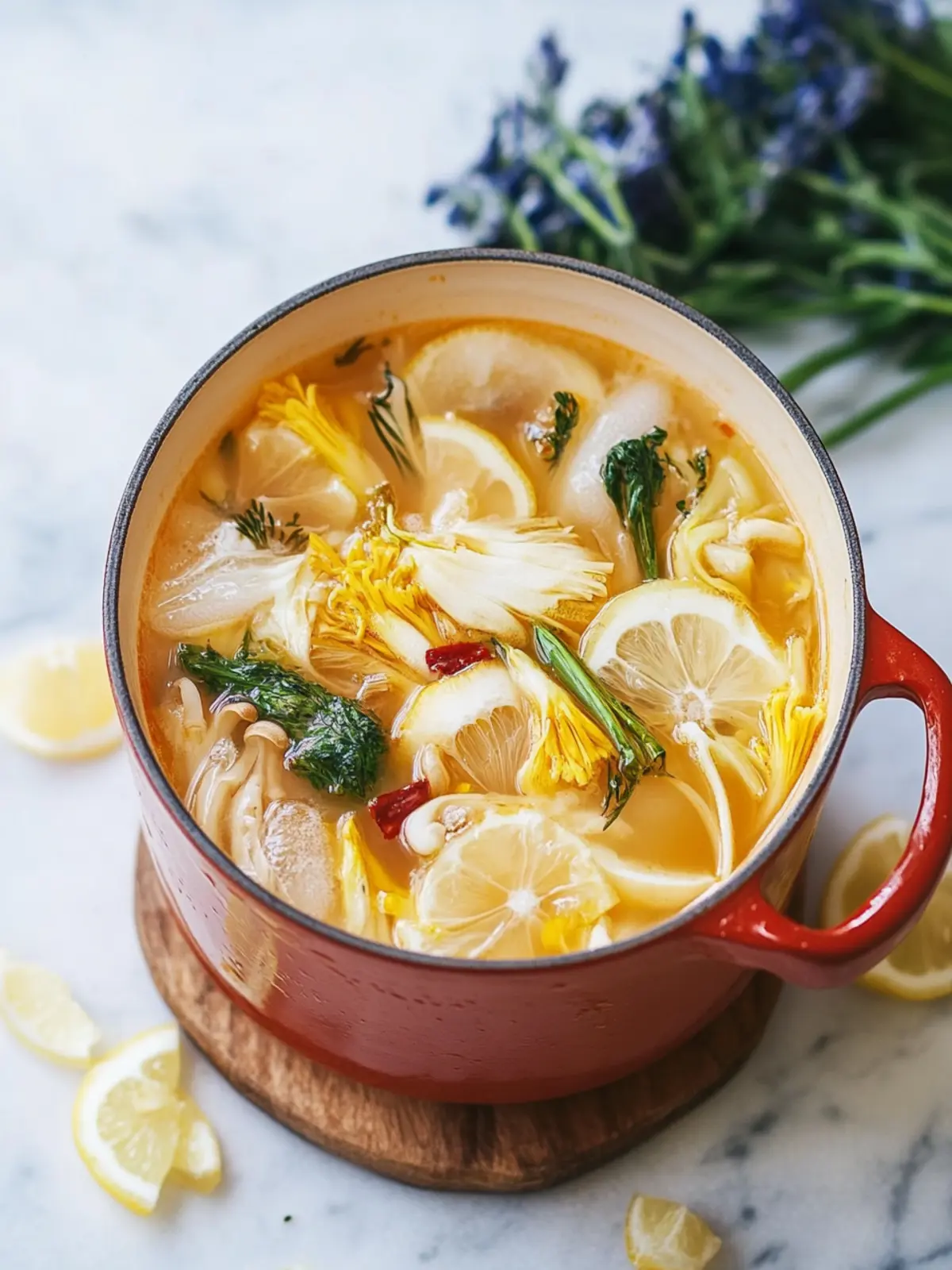
Savory Jjamppong: A Spicy Seafood Delight to Savor
Ingredients
Equipment
Method
- Bring a pot of water to a boil and cook the Korean fresh noodles according to the package instructions until al dente. Drain and set aside.
- In a large pot, heat cooking oil over high heat. Add the minced garlic and onion, stir-frying until fragrant and slightly golden, about 2 minutes.
- Toss in the shrimp, Manila clams, squid, and bay scallops. Add gochujang and gochugaru. Stir well to coat the seafood.
- Pour in chicken or bone broth and bring to a rapid boil. Add napa cabbage and bok choy; cook for 3-4 minutes.
- Season with soy sauce and salt to taste. Add the cooked noodles and heat for just 30 seconds. Stir in sliced scallions.
- Turn off the heat and ladle Jjamppong into bowls. Garnish with extra scallions if desired.