
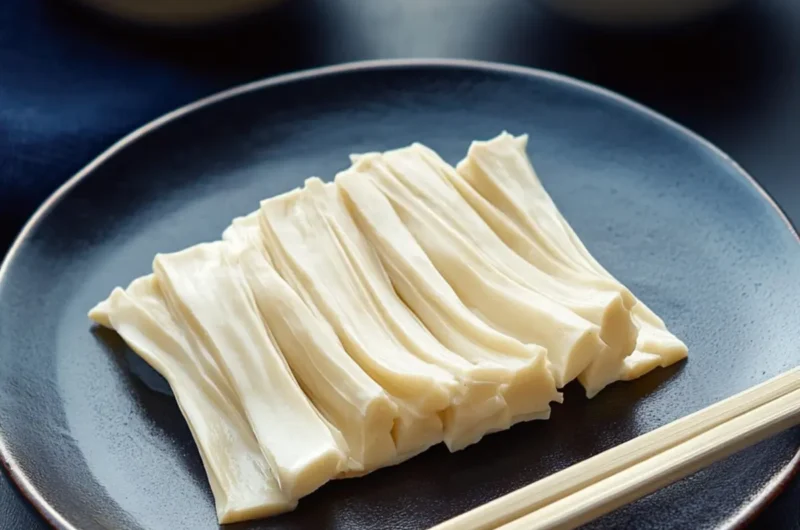
There’s something truly enchanting about discovering fresh yuba, also known as tofu skin, emerging from a pot of gently heated soy milk. As I stood over the stove, the sweet, nutty aroma wafting up, I felt a rush of excitement. This delicate Japanese delicacy, formed as a thin layer atop the soy milk, is undeniably captivating, inviting each taste bud to savor its creamy, melt-in-your-mouth texture.
Perfect for adding an air of sophistication to your meals, fresh yuba is a testament to the beauty of simple, plant-based ingredients. Whether you choose to pair it with a savory soy sauce and a hint of wasabi or roll it with vibrant vegetables for a delightful sushi-like treat, this recipe not only satisfies but also elevates your dining experience.
If you’re looking to break free from the monotonous cycle of fast food and take your culinary skills to the next level, let’s embark on this rewarding journey to create your very own fresh yuba!
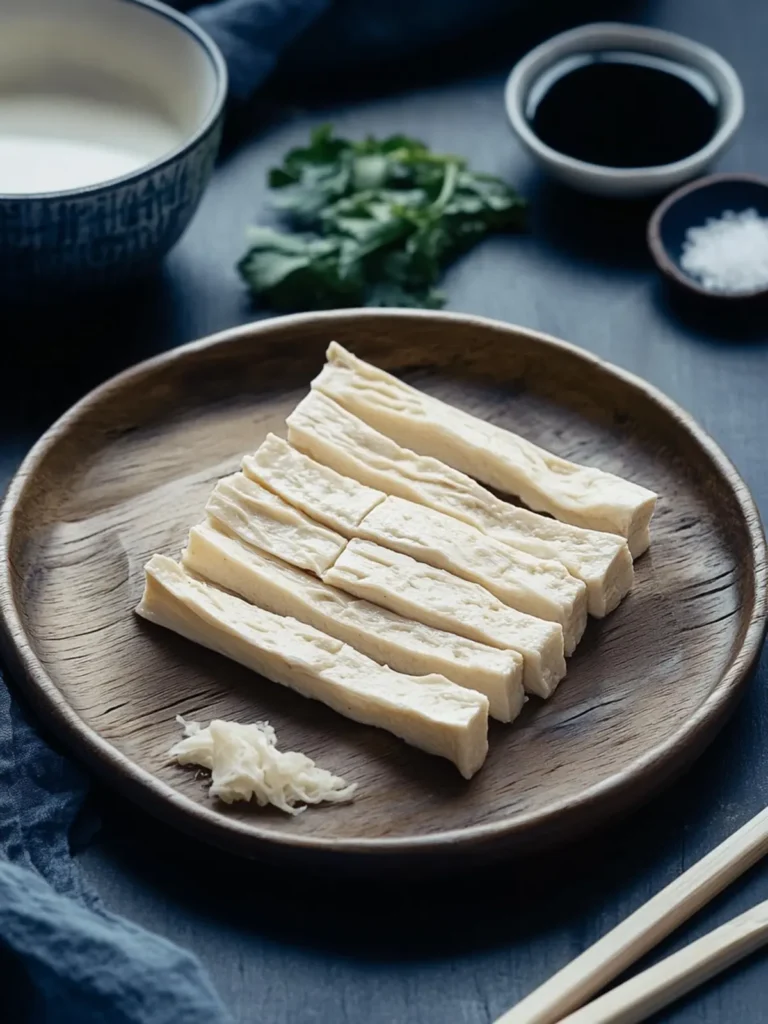
Why is Japanese Yuba (Tofu Skin) so special?
Simplicity at its Core: Crafting Japanese yuba is incredibly straightforward, requiring just soy milk and a bit of patience.
Elegant Texture: The silky, custard-like consistency of fresh yuba offers a delightful contrast in every bite.
Versatile Uses: Enjoy it in salads, sushi, or soups—yuba adapts beautifully to various cuisines.
Health-Conscious Choice: Low in calories and high in protein, it’s a perfect addition for anyone seeking nutritious options.
Crowd-Pleasing Appeal: Impress your family or guests with this unique dish that elevates any meal. Ready to enhance your culinary repertoire? Check out our easy tips for making delicious yuba that everyone will love!
Japanese Yuba (Tofu Skin) Ingredients
• Unleash the magic with this simple, delightful ingredient list!
For the Yuba
- Unsweetened Soy Milk – This is the star ingredient that forms the delicate tofu skin; choose high-protein varieties for the best results.
- Water – Optional for adjusting the consistency; use it sparingly if you want a thicker yuba.
For Serving
- Soy Sauce – A delicious complement that adds an umami kick to your fresh yuba.
- Wasabi or Grated Ginger – These enhance flavor contrasts beautifully and provide a zingy lift to the dish.
Feel the excitement bubbling as you gather these simple elements, paving the way to create your very own Japanese yuba!
How to Make Japanese Yuba (Tofu Skin)
-
Pour 1 liter of unsweetened soy milk into a wide, shallow stainless steel pan. This shape helps the yuba to form a thin layer, so avoid non-stick pans for best results.
-
Heat the soy milk over very low heat until you see small bubbles forming (approximately 80°C). Patience is key here; do not let it boil!
-
Wait for 5 to 7 minutes after bubbles appear. Let the soy milk sit undisturbed so a smooth skin can form on the surface.
-
Lift the skin gently using chopsticks from one edge. Allow any excess soy milk to drip back into the pan for the best texture.
-
Drain the lifted yuba by hanging it or laying it flat for a few seconds. This will help firm it up just a bit before you move on.
-
Repeat the skin-lifting process until you’ve used most of the soy milk, producing about 6 to 8 sheets of yuba. Adjust thickness to your liking!
-
Cool the finished sheets by placing them in a single layer. Serve fresh to enjoy or store for later use!
Optional: Serve with a drizzle of soy sauce and a hint of wasabi for an exciting flavor contrast.
Exact quantities are listed in the recipe card below.
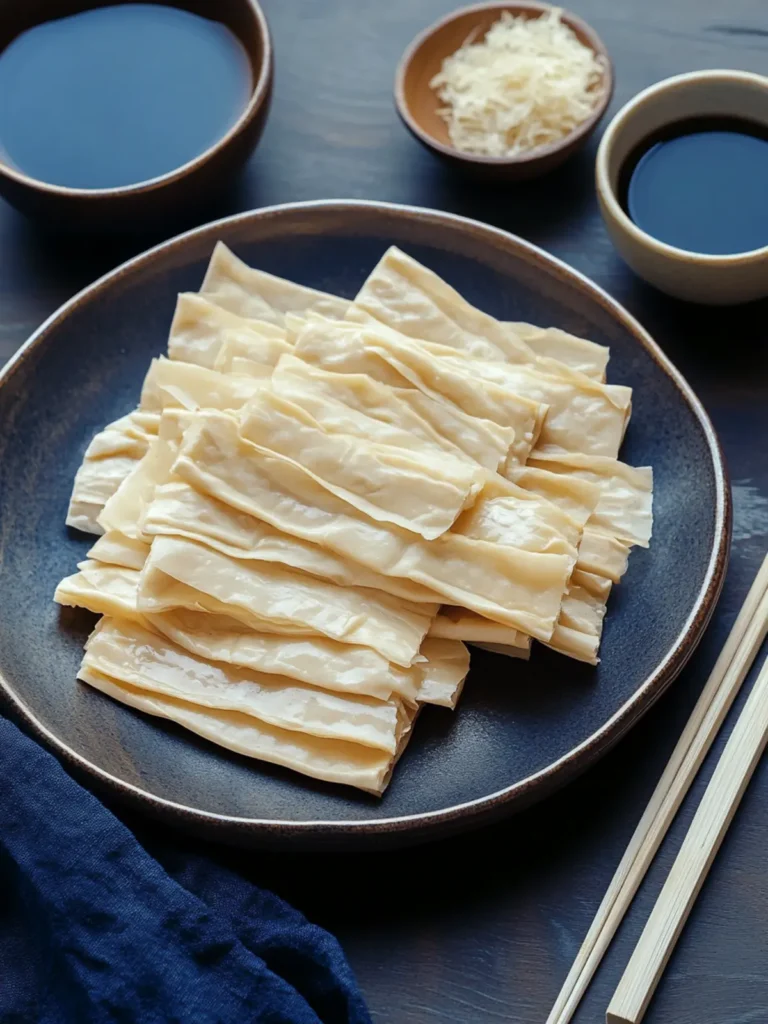
Japanese Yuba (Tofu Skin) Variations
Feel free to personalize your experience with these delightful twists on your fresh yuba, transforming it into a unique dish for every occasion.
-
Dairy-Free: Substitute soy milk with almond milk for a nutty flavor twist, but keep an eye on the consistency!
-
Spicy Kick: Add a pinch of chili flakes to your soy milk while heating for a vibrant heat that complements yuba’s sweetness.
-
Herb-Infused: Try steeping fresh herbs like basil or cilantro in the soy milk while it heats to introduce a fragrant touch.
-
Savory Dipping: Create a marinade of soy sauce, tahini, and garlic for a rich, umami-packed dip that elevates the eating experience.
-
Crunchy Texture: Serve with crushed nuts or seeds as a topping for an exciting contrast to the soft yuba—think toasted sesame or peanuts!
-
Veggie Wrap: Roll fresh yuba with thinly sliced cucumbers, avocados, and carrots for a bright and refreshing sushi-style salad.
-
Nut-Milk Varieties: Experiment with cashew or oat milk for different flavors and textures; just ensure they’re unsweetened for the best results.
-
Fermented Flavor: Introduce a splash of miso paste to your dipping sauce for a delightful depth of flavor that pairs perfectly with fresh yuba.
What to Serve with Fresh Yuba: Delicate Tofu Skin from Soy Milk?
Elevate your meal with delightful accompaniments that harmonize beautifully with this exquisite Japanese dish.
-
Soy Sauce: A classic dip that enhances the subtle sweetness of yuba, adding a savory element with every bite. It’s the perfect pairing for those who appreciate umami flavors.
-
Vegetable Spring Rolls: Crisp rolls filled with vibrant veggies balance the soft texture of yuba. This duo creates a refreshing harmony, perfect for a light appetizer or snack.
-
Miso Soup: The warmth of miso soup offers a comforting backdrop to the delicate yuba, while the savory broth mingles with its creamy texture. This combination makes for a heartwarming starter.
-
Pickled Ginger: A zesty bite of pickled ginger adds a refreshing kick, cutting through the richness of the yuba, enhancing its flavors with a delightful contrast.
-
Fresh Salad: Toss in some crisp greens, radishes, and sesame dressing for a textural contrast. The light and earthy salad complements the silky yuba, adding a burst of freshness to your meal.
-
Sake: Enjoy a chilled glass of sake alongside your yuba. Its smooth notes beautifully complement the dish, enhancing the overall experience and creating a sophisticated dining atmosphere.
-
Coconut Curry: A fragrant coconut curry introduces a warm, spiced richness that pairs wonderfully with yuba’s lightness. The combination brings an exciting twist to your meal.
These delightful pairings will make each bite of fresh yuba a memorable experience, allowing you to fully appreciate its delicate flavor and texture.
Expert Tips for Making Japanese Yuba
-
Choose Quality Soy Milk: Use high-protein, unsweetened soy milk with around 10% solids for the best yuba texture and flavor.
-
Maintain Low Heat: Heating soy milk too quickly can result in curdling instead of forming skin. Keep the heat on low and watch it closely.
-
Handle with Care: Yuba is delicate; always use chopsticks or a flat spatula to lift it gently to avoid tearing.
-
Cooling Time Matters: Allow yuba sheets to cool completely to achieve the ideal silky texture before serving or storing.
-
Storage Solutions: If not consumed immediately, keep fresh yuba submerged in water in the fridge, but avoid freezing as it ruins the texture.
-
Get Creative: Use fresh yuba in various dishes like sushi rolls or salads, showcasing its versatility as a delightful addition to your meals.
Make Ahead Options
These delightful Japanese Yuba (Tofu Skin) are perfect for meal prep enthusiasts! You can prepare the soy milk and set it aside up to 24 hours in advance, allowing the flavors to meld. Additionally, the yuba sheets can be made and refrigerated in an airtight container, where they will stay fresh for 1-2 days. To maintain quality, ensure the yuba is stored submerged in a little water, which prevents drying out and enhances its creamy texture. When ready to serve, simply remove the yuba from the refrigerator, gently drain it, and pair with your favorite dipping sauce or fresh vegetables for an elegant dish that comes together effortlessly, saving you valuable time during busy weeknights.
Storage Tips for Japanese Yuba (Tofu Skin)
- Fridge: Fresh yuba lasts for up to 1-2 days in the refrigerator. Store it submerged in water in an airtight container to maintain its delicate texture.
- Freezer: Avoid freezing fresh yuba, as it will ruin its silky consistency once thawed. For longer storage, consider making dried yuba instead.
- Dried Yuba: Can be kept in a cool, dark cupboard for several months. Just soak it in lukewarm water for rehydration before using in your dishes.
- Reheating: If leftovers are in the fridge, gently reheat yuba in a steamer or a warm pan. Avoid overheating to preserve its delicate flavor and texture.
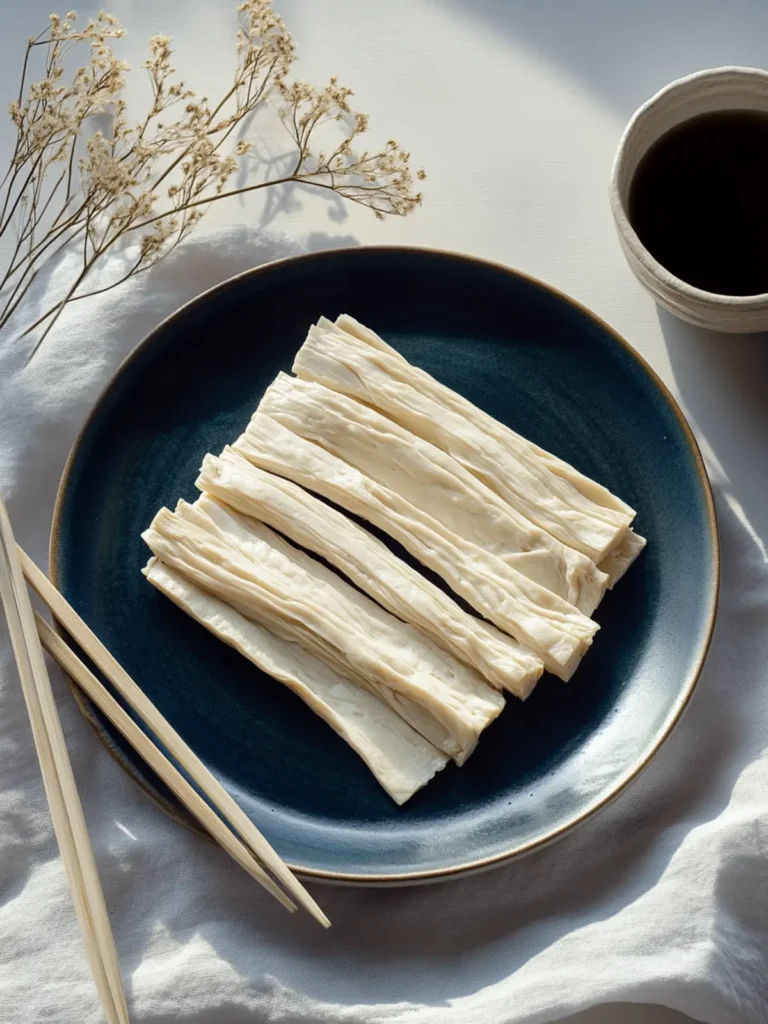
Japanese Yuba (Tofu Skin) Recipe FAQs
What type of soy milk is best to use for making yuba?
Absolutely! For the best results in creating delicious Japanese yuba, you should use high-protein, unsweetened soy milk that contains around 10% solids. Look for reputable brands that specify this protein content, as it provides the optimal texture and flavor for your tofu skin.
How should I store fresh yuba after making it?
Very! Fresh yuba, once prepared, can last in the fridge for up to 1-2 days. To maintain its delicate texture, store it submerged in water within an airtight container. This will keep it from drying out, allowing you to enjoy its exquisite silkiness for a little while longer!
Can I freeze fresh yuba?
No, unfortunately! Freezing fresh yuba is a no-go, as it will ruin the silky consistency that makes it so delightful. I highly recommend consuming it fresh or storing it in the fridge as described. If you’re looking for long-term options, consider making dried yuba instead!
What should I do if my yuba tears while lifting it?
Don’t worry; this happens to many home chefs! If your yuba tears, try adjusting your technique. Use a gentler touch with your chopsticks, and lift the skin more slowly, allowing it to release from the soy milk surface gradually. Ensure the soy milk is at the correct temperature—too hot can lead to curdling, and too cool won’t produce good skin.
How can I use dried yuba in recipes?
Certainly! When using dried yuba, first soak it in lukewarm water for about 15-20 minutes until it rehydrates and softens. After that, you can slice or use it in salads, soups, or stir-fries. It’s a fantastic meat substitute that adds a unique texture to your dishes!
Are there any allergy considerations with yuba?
Very much so! Since yuba is derived from soybeans, anyone with a soy allergy should avoid it. Additionally, remember to check for any cross-contamination if you’re preparing food for individuals with severe allergies. For a safe alternative, consider using other plant-based proteins such as seitan or tempeh, suitable for those without soy allergies.
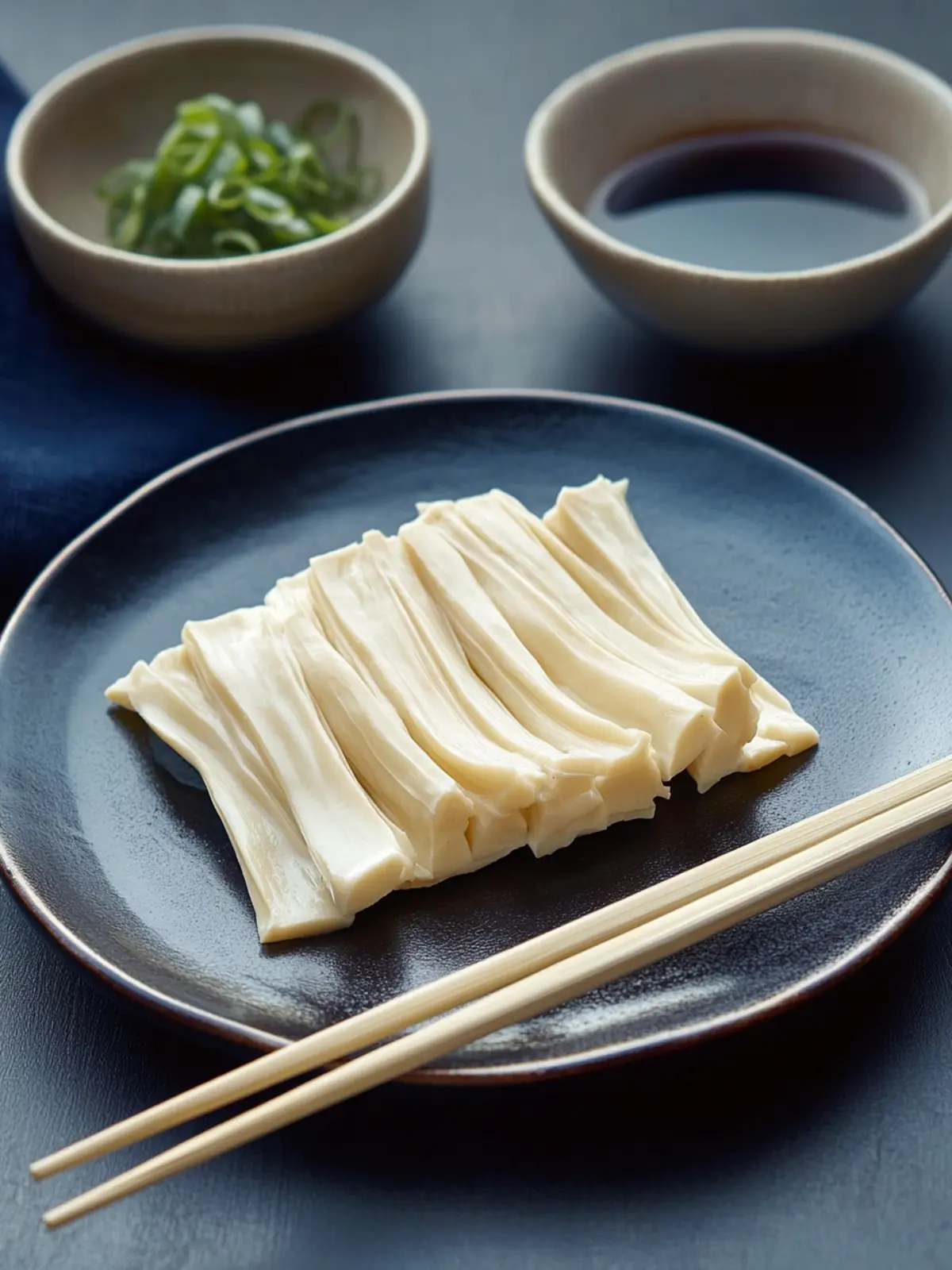
Master Japanese Yuba (Tofu Skin) for Delightful Dishes
Ingredients
Equipment
Method
- Pour 1 liter of unsweetened soy milk into a wide, shallow stainless steel pan.
- Heat the soy milk over very low heat until small bubbles form (approximately 80°C).
- Wait for 5 to 7 minutes after bubbles appear to allow a smooth skin to form.
- Lift the skin gently using chopsticks from one edge.
- Drain the lifted yuba by hanging it or laying it flat for a few seconds.
- Repeat the skin-lifting process until most of the soy milk is used.
- Cool the finished sheets by placing them in a single layer.