The moment the skillet hits the fire, the sizzling sound fills the air with promise. There’s something wonderfully nostalgic about preparing Pempek, the iconic Indonesian fried fish cake, straight from the heart of Palembang. This dish isn’t just a meal; it’s a food adventure that transports you to the vibrant streets of Indonesia. Imagine sinking your teeth into a chewy, savory fish cake, perfectly paired with the fiery, tangy cuko sauce.
Whether you’re enjoying a cozy evening at home or looking to impress at your next gathering, Pempek brings a burst of flavor and a touch of culinary authenticity to your table. Not only is it versatile—accommodating various fillings like a hard-boiled egg for that added richness—but it also makes for the ideal snack or light meal. Join me on this flavorful journey as we explore the layers of taste and texture in this beloved Indonesian classic. Let’s dive into the delightful world of Pempek!
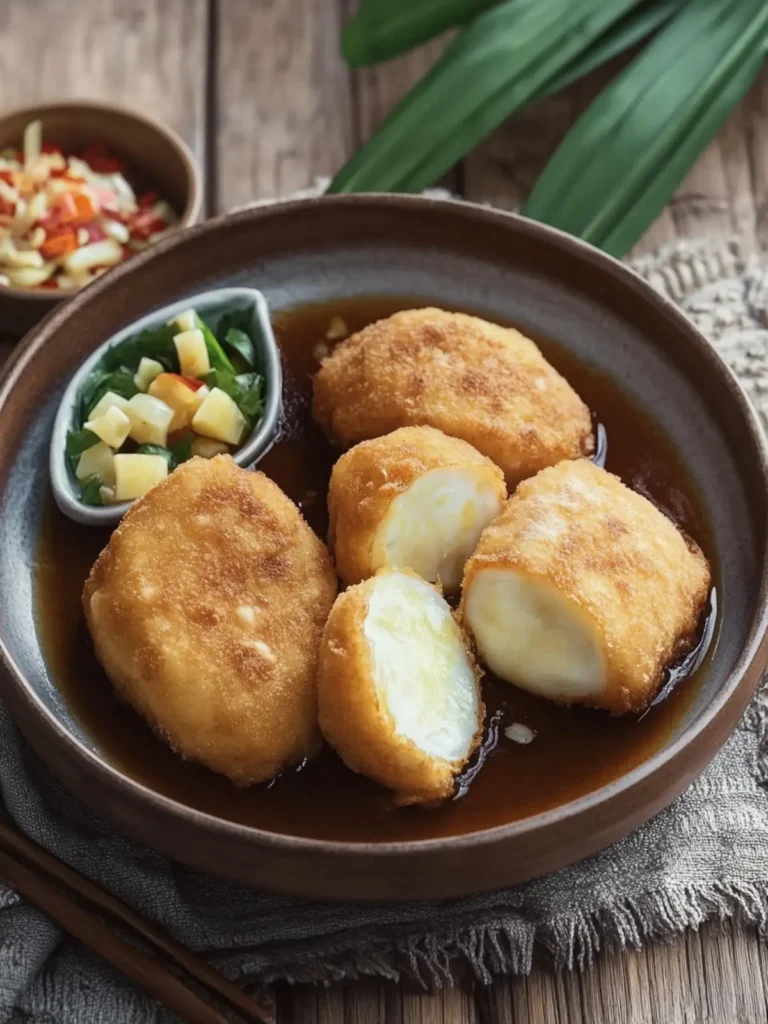
Why is Indonesian Pempek so popular?
Bold Flavor: The combination of savory fish and earthy spices creates an irresistible taste that makes every bite exciting.
Textural Delight: Enjoy a distinct chewiness that contrasts beautifully with the crispy exterior—it’s pure joy for your palate!
Versatile Dish: Whether you prefer it with an egg center or stuffed with shrimp, the options are endless.
Culinary Adventure: Each portion tells a story of Indonesian culinary traditions, bringing a unique experience to your table.
Perfect for Sharing: Great as a snack or appetizer, it’s bound to impress friends and family at gatherings!
Elevate your culinary repertoire by trying this classic, and join the ranks of those who cherish authentic homemade Indonesian flavors!
Indonesian Pempek Ingredients
For the Fish Cake
- Boneless White Fish Fillet (500 g) – This is the main protein, providing that delightful fish flavor; feel free to substitute with tilapia if needed.
- Tapioca Flour (200 g) – Key for achieving the chewy texture of Pempek; cornstarch can serve as a gluten-free option.
- Garlic (2 cloves, finely grated for the cake) – Adds depth of flavor; adjust according to your garlic preference.
- Egg (1) – Helps bind the mixture and improves texture; you can omit it for a vegan version or use a flax egg instead.
- Salt (1.5 tsp) – Essential for enhancing the overall flavor of the fish cake; ensure you season well at every step.
- White Pepper (1 tsp) – Offers a subtle heat; black pepper can be used as a satisfactory substitute.
- Cold Water (100 ml) – Use to achieve the right dough consistency; adjust as necessary for stickiness.
- Hard-Boiled Eggs (2, halved or quartered, optional) – Adding these provides an extra richness that takes the dish to a new level.
For Cooking
- Water (for boiling and frying) – Vital for cooking the Pempek to perfect tenderness.
- Oil (for frying) – Choose vegetable or peanut oil for frying to achieve that irresistible crispy exterior.
For the Cuko Sauce
- Water (250 ml) – The fundamental base of the sauce; adjust for desired sauce quantity.
- Bird’s Eye Chilies (6, adjust to taste) – This gives the sauce its spicy kick; feel free to alter the amount based on your spice preference.
- Palm Sugar (100 g, chopped) – Adds sweetness to balance the heat; brown sugar is a great alternative if you don’t have palm sugar.
- Tamarind Water (75 ml) – Offers a distinct tanginess; you can replace it with lemon juice in a pinch.
- White Vinegar (1 tbsp) – Adds necessary acidity to the sauce; apple cider vinegar works in its place.
- Salt (0.5 tsp) – This balances the flavors perfectly, making the sauce more rounded.
With all these ingredients on hand, you’ll be well on your way to making the most delightful Indonesian Pempek that captures the essence of traditional Indonesian cuisine!
How to Make Indonesian Pempek
-
Prepare Fish Mixture: In a large bowl, combine minced fish, salt, white pepper, grated garlic, and egg until smooth. Gradually mix in cold water until the mixture becomes sticky but not watery, ensuring optimal texture.
-
Form Dough: Fold in tapioca flour until a pliable dough forms. Be careful not to over-knead it, as this can lead to a tough texture—aim for a nice, soft consistency.
-
Shape Pempek: Divide the dough into 8 equal parts. Flatten each piece, then place a hard-boiled egg in the center (if using). Seal the edges, shaping them into oval cylinders; this is where the magic happens!
-
Boil Pempek: Bring a pot of water to a gentle simmer. Carefully place the shaped Pempek into the water and boil until they float (about 5-7 minutes). Drain them on a wire rack to remove excess water.
-
Make Cuko Sauce: In a blender, puree garlic and chilies into a paste. In a saucepan, combine this paste with water, palm sugar, tamarind water, vinegar, and salt. Simmer for 10-15 minutes until the sauce thickens slightly. Let it cool for serving.
-
Fry Pempek: Heat oil in a pan over medium heat. Fry the boiled Pempek until they turn golden brown and crispy, roughly 2-3 minutes per side. Use paper towels to drain any excess oil.
-
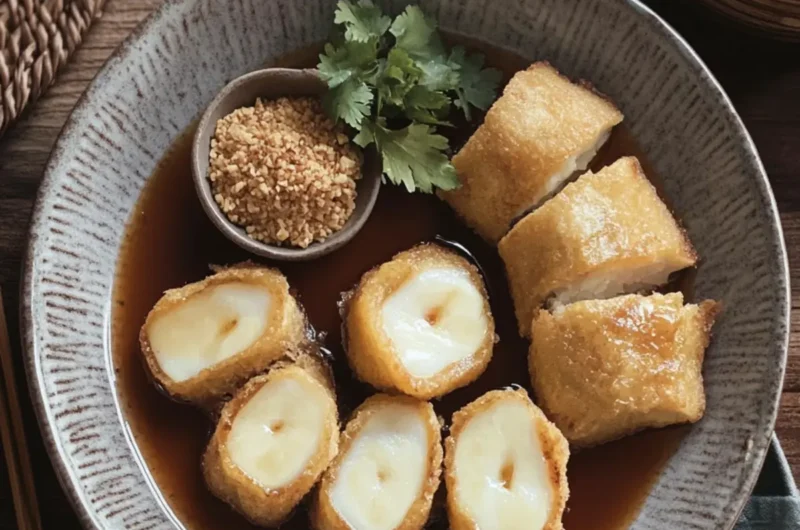
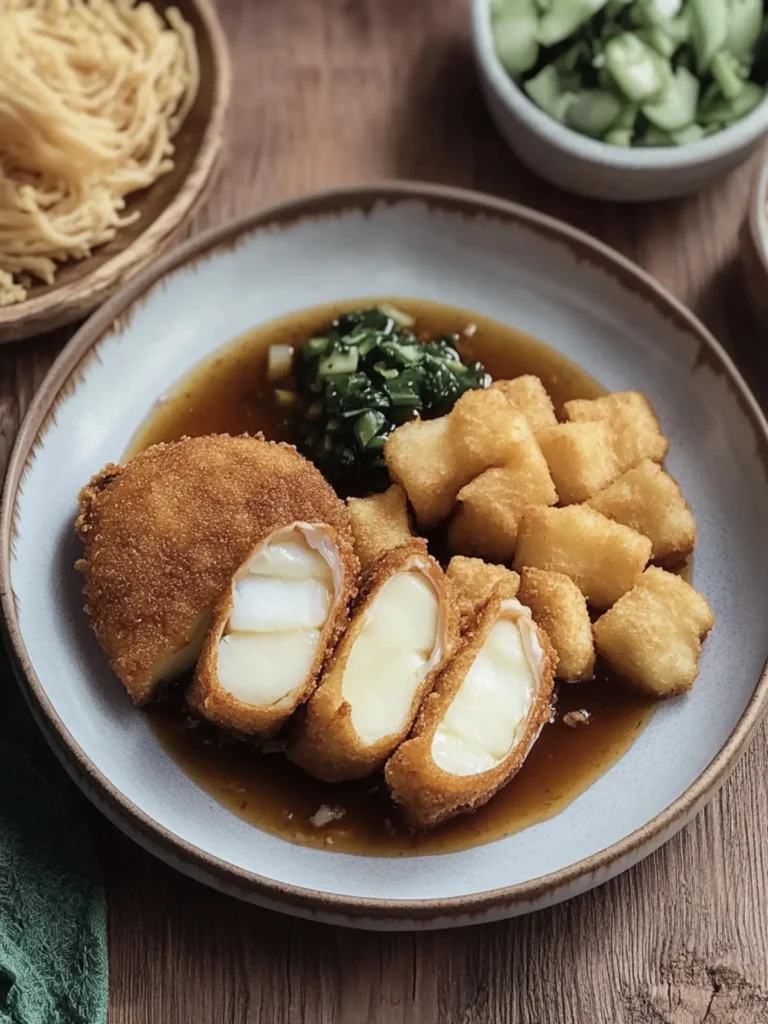
Serve: Slice the Pempek into bite-sized pieces. Serve them warm with the cuko sauce, and garnish with sliced cucumber and crispy fried shallots for that extra touch of flavor and crunch!
Optional: Serve with extra chilies in the sauce for those who prefer a spicier kick.
Exact quantities are listed in the recipe card below.
Expert Tips for Indonesian Pempek
-
Use Fresh Fish: Always opt for fresh boneless fish fillet to ensure the best flavor and texture in your Pempek. Frozen fish may yield a different taste.
-
Don’t Over-Knead: When mixing the dough, knead just until combined. Over-kneading can toughen the texture of your Indonesian Pempek.
-
Boiling Technique: Keep the water at a gentle simmer rather than a rolling boil to avoid making the cake tough. Floating means they’re ready to drain!
-
Oil Temperature: Ensure your frying oil is hot enough before adding the Pempek. This will help them crisp up beautifully and prevent them from becoming greasy.
-
Batch Frying: For extra crispiness, fry Pempek in smaller batches. This allows for even cooking and prevents overcrowding in the pan, which can lead to sogginess.
-
Customize Cuko Sauce: Don’t hesitate to adjust the heat level of your cuko sauce by experimenting with the amount of chilies. Discover your perfect balance of flavors!
What to Serve with Indonesian Pempek?
Create the perfect culinary duo by exploring delightful pairings that harmonize with the unique flavors of these fish cakes.
-
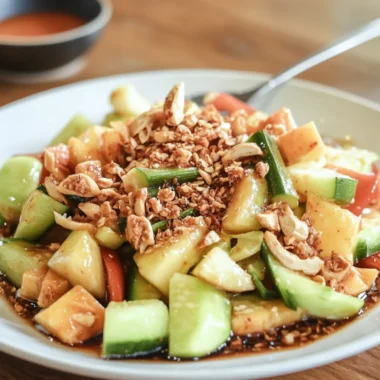
Refreshing Cucumber Salad: A cool, crunchy cucumber salad provides a refreshing contrast to the chewy Pempek, enhancing your meal’s flavor profile. Toss in some vinegar and sesame oil for an extra zing.
-
Steamed Jasmine Rice: The fluffy texture of jasmine rice beautifully balances the spicy and savory notes of the Pempek, making each bite satisfying and filling.
-
Tangy Mango Salsa: Brighten your plate with a vibrant mango salsa that’s sweet and tangy. The tropical flavors create a delightful complement to the spicy cuko sauce.
-
Curried Lentil Soup: The warmth and earthiness of a spiced lentil soup makes an excellent pairing, offering rich layers of flavor while maintaining a light touch.
-
Coconut Rice: Sweet and fragrant, coconut rice provides a luscious backdrop for your Pempek, enhancing the dish’s Indonesian roots while adding creaminess.
-
Iced Tropical Smoothie: Amidst all savory choices, a frosty tropical smoothie delivers a refreshing palate cleanser that brings a hint of sweetness to the meal.
-
Cold Brewed Green Tea: Serve a chilled glass of green tea for an invigorating beverage option that pairs well with the spiciness of the cuko sauce while cleansing the palate.
These complementary sides promise to elevate your Pempek experience and create a splendid meal that’s sure to be a hit with family and friends!
Indonesian Pempek Variations
Embrace your creative side as you explore exciting twists on classic Indonesian flavors with these easy variations!
-
Seafood Twist: Add minced shrimp or crab meat to the dough for a delightful seafood flavor that elevates your Pempek. This brings a little coastal joy to every bite!
-
Vegan Version: Replace the egg with a flax egg (1 tbsp flaxseed meal mixed with 2.5 tbsp water) and use your favorite plant-based fish substitute. Enjoy the vibrant taste without animal products while still loving each mouthful.
-
Spicy Add-In: Mix diced Bird’s Eye chilies directly into the fish mixture for an extra heat kick. Your taste buds will dance with excitement as the spice unfolds.
-
Savoury Fillings: Consider stuffing the Pempek with a creamy cheese blend for a rich, melting center. This unexpected twist makes each bite a gooey delight!
-
Sweet Cuko: For a sweeter cuko sauce, increase the palm sugar or add a splash of orange juice. The added sweetness perfectly balances the heat and tang!
-
Texture Variance: Experiment with frying or baking some Pempek instead of boiling for a crunchy outside with a soft inside. This gives you a different texture experience!
-
Herb Infusion: Add fresh herbs, like chopped cilantro or green onions, to the fish mixture for a fresh burst of flavor. It’ll be like a party of flavors at each bite!
-
Heat Level Adjustments: Personalize your cuko sauce by adjusting the number of chilies to suit your spice tolerance—because every palate is unique, right? Enjoy customizing your own perfect blend!
Make Ahead Options
Indonesian Pempek is perfect for meal prep, allowing you to enjoy these delightful fish cakes without the last-minute rush. You can prepare the fish mixture and shape the Pempek up to 24 hours in advance; simply store them in an airtight container in the refrigerator to maintain their texture. To ensure they keep their chewiness, avoid boiling them until just before serving. The cuko sauce can also be made ahead—up to 3 days in advance—just refrigerate it and reheat before serving. When you’re ready to enjoy, boil the Pempek until they float, then fry them for that crispy finish, allowing you to savor restaurant-quality results with minimal effort!
How to Store and Freeze Indonesian Pempek
Room Temperature: Keep cooked Pempek at room temperature for no more than 2 hours to ensure freshness and to avoid spoilage.
Fridge: Store leftover Pempek in an airtight container in the refrigerator for up to 2 days. This helps maintain its chewy texture, but reheating is recommended for crispy results.
Freezer: For longer storage, freeze Pempek in a single layer on a baking sheet until firm, then transfer to a freezer bag. They can be kept in the freezer for up to 3 months.
Reheating: To reheat, bake frozen Pempek in the oven at 375°F (190°C) for about 15-20 minutes until heated through and crispy again. Enjoy your delightful Indonesian Pempek just as it was meant to be!
Indonesian Pempek Recipe FAQs
What kind of fish is best for making Pempek?
Absolutely! Fresh boneless white fish fillet, like tilapia or mackerel, is ideal for Pempek. It’s important to choose fresh fish for the best flavor and texture. Avoid frozen fish, as it may alter the dish’s quality.
How should I store leftover Pempek?
Very! Store any leftover Pempek in an airtight container in the refrigerator for up to 2 days. To maintain the chewy texture, reheat them in the oven for best results. This way, you can enjoy your delicious Indonesian Pempek just as flavorful on day two!
Can I freeze Pempek? If so, how?
Of course! To freeze Pempek, lay the cooked pieces on a parchment-lined baking sheet without touching each other. Freeze until firm, about 1-2 hours. Then, transfer them to a freezer bag for up to 3 months. When you’re ready to enjoy them again, simply bake at 375°F (190°C) for about 15-20 minutes until crispy and warmed through.
What should I do if my Pempek falls apart while boiling?
Very good question! If your Pempek is falling apart during boiling, it might be due to the dough being too wet or not having enough structure. Make sure to combine the tapioca flour properly until it forms a pliable dough. You might want to add a touch more tapioca flour or check that you’ve followed the instructions correctly to prevent the mixture from being too loose.
Are there any allergy considerations with Pempek?
Yes! Since Pempek relies on fish as its main ingredient, it’s crucial for anyone with seafood allergies to avoid this dish. Additionally, if you’re using certain brands of tapioca flour, double-check for any cross-contamination with gluten if that’s a concern. For those with egg allergies, consider using a flax egg as a substitute in the recipe.
How do I know when the Pempek is cooked properly?
Great question! Pempek is ready to be removed from the boiling water once it floats to the surface, which typically takes about 5-7 minutes. The floating indicates that they have cooked through and attained the desired chewy texture. After boiling, frying them until golden brown will enhance that crispy exterior, making them simply irresistible!
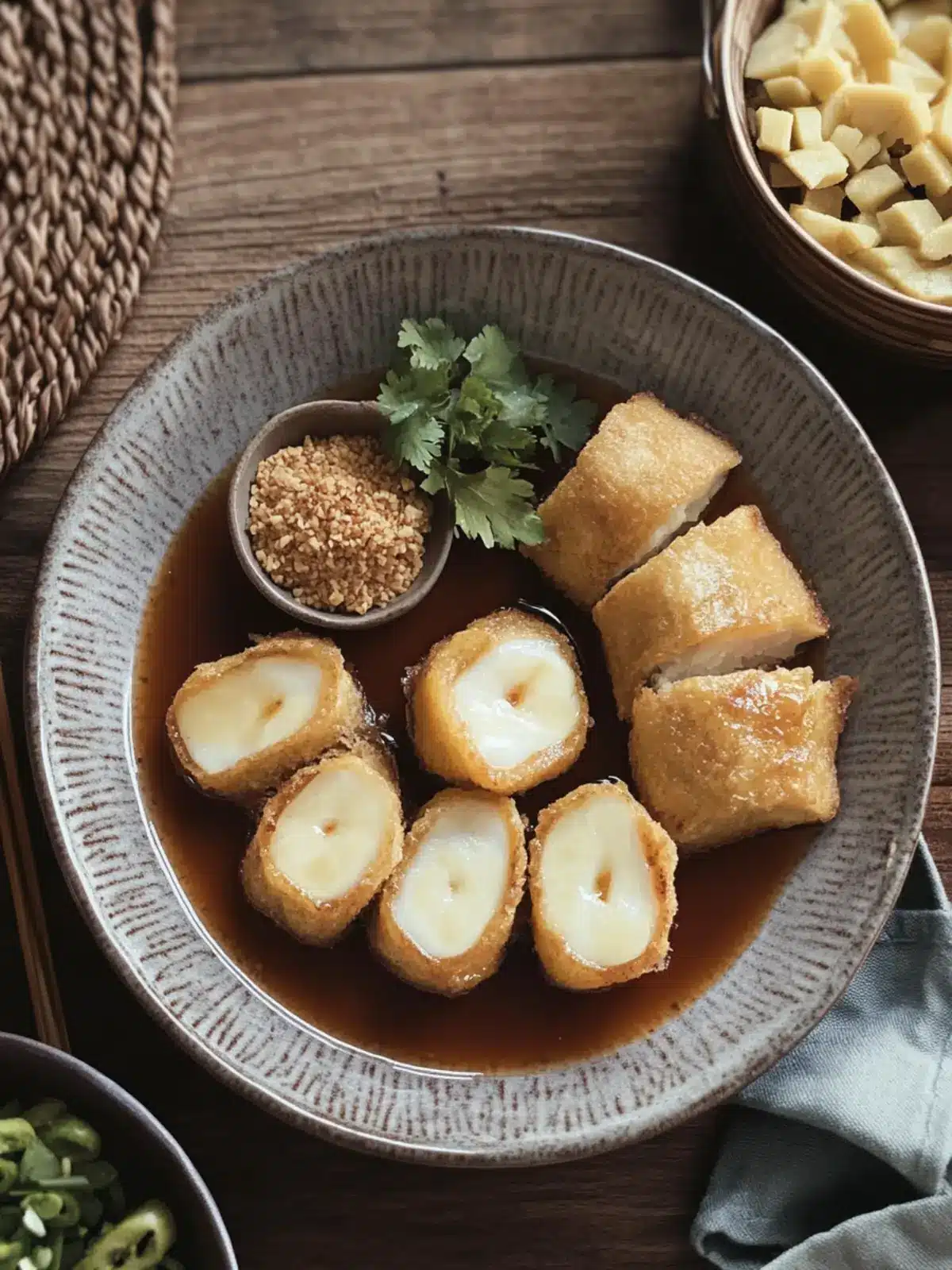
Indonesian Pempek: Irresistibly Chewy Fish Cakes to Savor
Ingredients
Equipment
Method
- Prepare Fish Mixture: In a large bowl, combine minced fish, salt, white pepper, grated garlic, and egg until smooth. Gradually mix in cold water until the mixture becomes sticky but not watery.
- Form Dough: Fold in tapioca flour until a pliable dough forms. Be careful not to over-knead it, as this can lead to a tough texture.
- Shape Pempek: Divide the dough into 8 equal parts. Flatten each piece, then place a hard-boiled egg in the center and seal the edges, shaping them into oval cylinders.
- Boil Pempek: Bring a pot of water to a gentle simmer. Carefully place the shaped Pempek into the water and boil until they float (about 5-7 minutes).
- Make Cuko Sauce: In a blender, puree garlic and chilies into a paste. In a saucepan, combine this paste with water, palm sugar, tamarind water, vinegar, and salt. Simmer for 10-15 minutes until the sauce thickens slightly.
- Fry Pempek: Heat oil in a pan over medium heat. Fry the boiled Pempek until they turn golden brown and crispy, roughly 2-3 minutes per side.
- Serve: Slice the Pempek into bite-sized pieces. Serve them warm with the cuko sauce and garnish with sliced cucumber and crispy fried shallots.