
There’s something delightfully comforting about the scent of fresh herbs mingling with eggs, signaling that a delicious frittata is on the way. I discovered this easy yet mesmerizing dish while searching for a way to use up the remnants of my vegetable drawer. A few eggs, a splash of milk, and whatever veggies I had on hand transformed into a fluffy masterpiece that had my family singing its praises.
The beauty of a frittata lies in its versatility – from a chic brunch to a quick weeknight meal, it fits any occasion seamlessly. With five fantastic variations just waiting to be explored, like the savory Broccoli Feta or the vibrant Roasted Red Pepper & Spinach, you can customize each frittata to suit your mood and the season. So let’s dive into the art of crafting the perfect frittata, ensuring every bite brims with flavor and satisfaction!
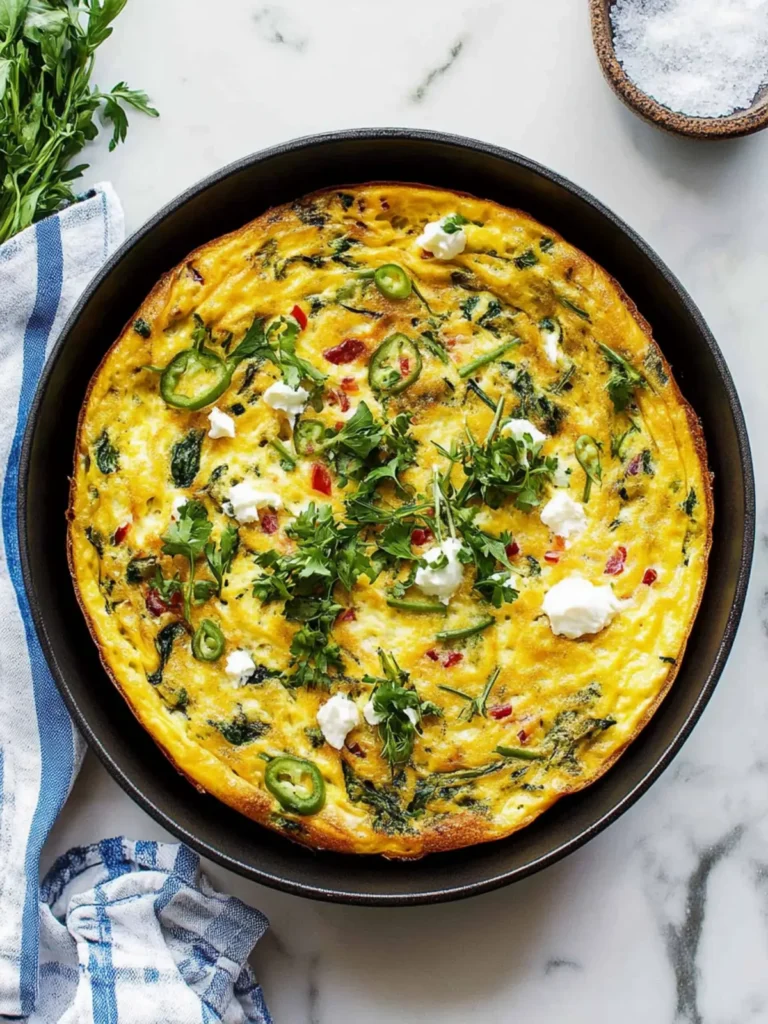
How to Make a Frittata?
Simplicity at its Core: Making a frittata is as easy as whisking eggs and adding your choice of ingredients!
Flavor-Packed Variations: From Broccoli Feta to Caprese, there’s a variation for everyone’s taste.
Versatile Meal Option: Perfect for brunch, lunch, or a light dinner; the frittata adapts to any occasion effortlessly!
Healthy and Nourishing: Packed with protein and veggies, it’s a nutritious choice that won’t weigh you down.
Quick to Prepare: Ready in under 30 minutes, it’s an ideal solution for busy weeknights.
Explore the endless possibilities of this delightful dish, and for extra inspiration, check out our variations to elevate your frittata experience!
How to Make a Frittata Ingredients
For the Base
- Eggs – Essential for structure and protein; for a vegetarian twist, consider using an egg substitute.
- Almond Milk – Adds creaminess and moisture; feel free to swap it with any other milk like cow’s or oat milk.
- Garlic – Infuses flavor into your frittata; can be omitted for a milder taste.
- Sea Salt – Vital for seasoning; adjust to your taste preference.
- Black Pepper – Provides a hint of spice; substitute with your favorite blend if desired.
- Olive Oil – Used for sautéing and preventing sticking; any neutral oil will work if olive oil isn’t available.
For the Vegetable Variations
- Broccoli Feta: Broccoli – Offers a healthy boost, scallions – add a punch of flavor, feta – gives a creamy texture. Substitute with dairy-free cheese for a vegan option.
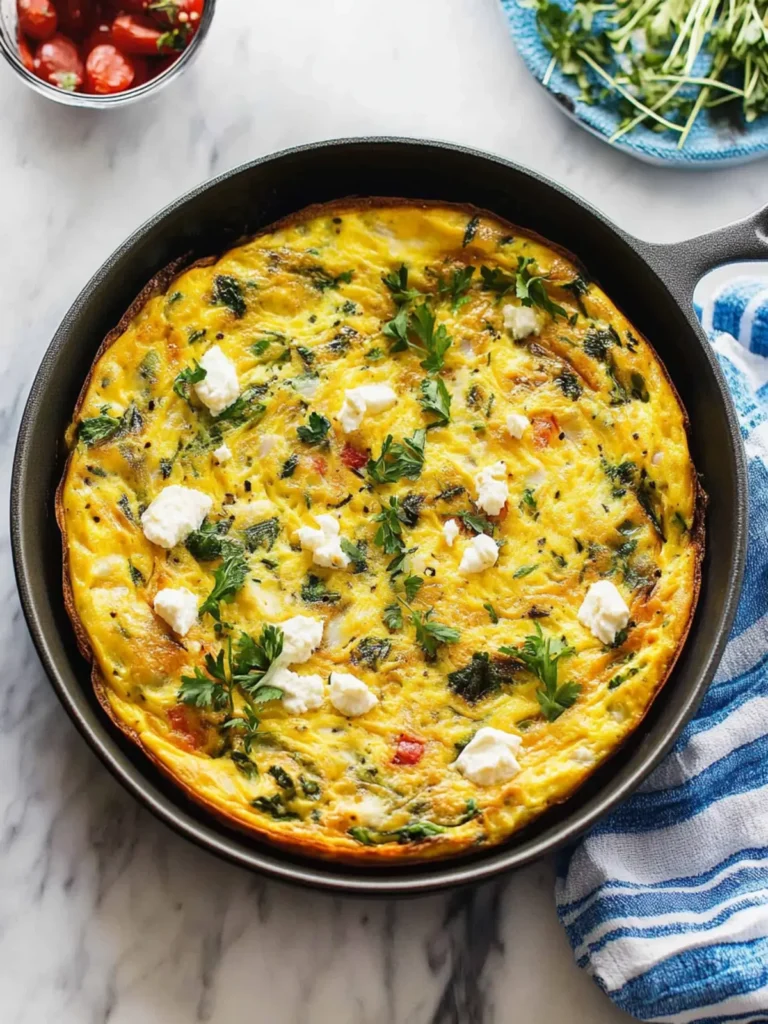
- Roasted Red Pepper & Spinach: Roasted Red Peppers – Sweet and flavorful, spinach – lends freshness, feta – enhances tanginess. Feel free to use other greens as a substitute.
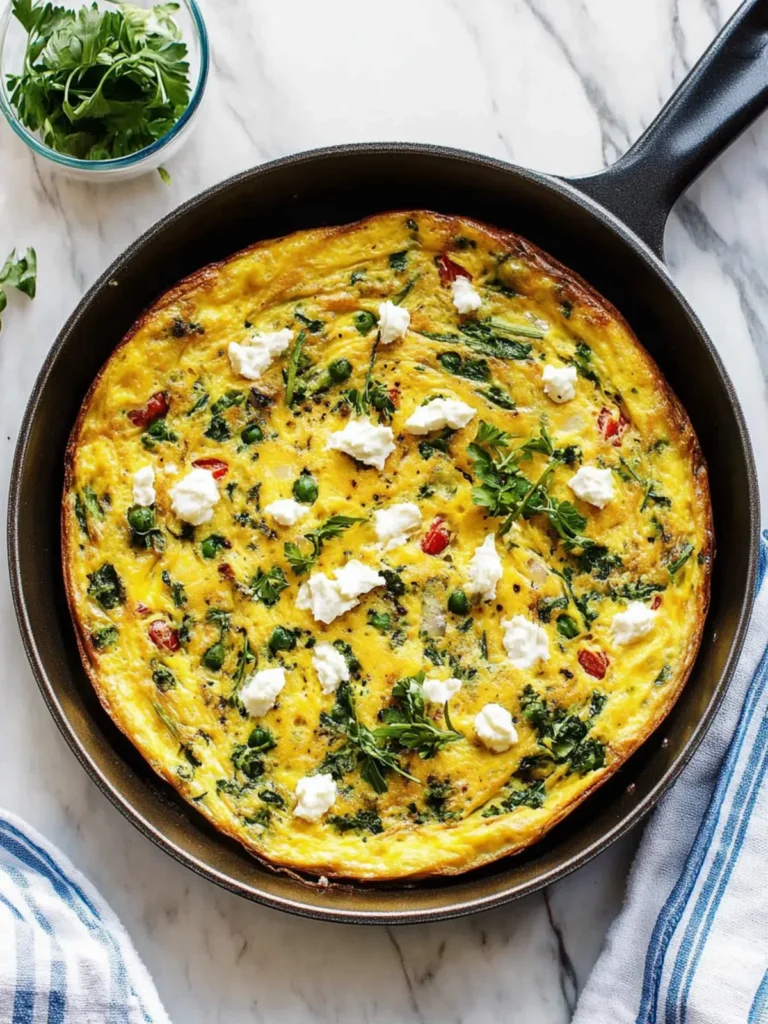
- Spring Veggie: Asparagus – Adds a delightful crunch, peas – sweet and vibrant, mozzarella – melts beautifully. Swap in other seasonal veggies you have on hand.
- Mixed Mushroom & Tarragon: Mixed Mushrooms – offer umami richness, tarragon – adds a hint of anise flavor, pecorino – brings saltiness. Any cheese will work as a substitute.
- Caprese: Fresh Basil – aromatic and flavorful, cherry Tomatoes – juicy and sweet, mozzarella – ensures a delightful consistency. You can substitute with other herbs or tomatoes from your kitchen.
Embrace the art of how to make a frittata, and let your creativity shine as you mix and match ingredients to create your ideal dish!
How to Make a Frittata
-
Preheat the Oven: Start by heating your oven to 400°F (200°C). This will ensure a perfectly baked frittata with a lovely golden top.
-
Prepare Egg Mixture: In a mixing bowl, whisk together the eggs, almond milk, minced garlic, and salt. Aim for a light and fluffy consistency to ensure a delightful texture.
-
Choose Vegetable Variation: Select one of the five delicious variations, and follow these steps for preparation:
- For Broccoli Feta: Sauté scallions and broccoli in olive oil until tender. Once they are softened, sprinkle in some smoked paprika, then pour in the egg mixture. Top with crumbled feta and bake until set, about 15-20 minutes.
- For Roasted Red Pepper & Spinach: Cook shallots until fragrant, then add in roasted red peppers and spinach; cook until wilted. Mix in the egg mixture and crumbled feta before baking until firm.
- For Spring Veggie: Sauté the scallions and asparagus until tender. Stir in the peas and then pour in the egg mixture, finishing with mozzarella and feta before baking until firm.
- For Mixed Mushroom & Tarragon: Cook shallots and add mixed mushrooms, cooking until softened. Fold in fresh tarragon, pour in the egg mixture, top with pecorino cheese, and bake until set.
- For Caprese: Sauté the shallots and cherry tomatoes until soft. Stir in fresh basil and the egg mixture, topping with mozzarella before baking until firm.
- Serve: Allow the frittata to cool slightly before slicing. It can be enjoyed warm or at room temperature, making it a versatile dish!
Optional: Garnish with fresh herbs like basil or parsley for an extra flavor boost.
Exact quantities are listed in the recipe card below.
How to Store and Freeze Frittata
Fridge: Store leftover frittata in an airtight container in the fridge for up to 4 days. This keeps it fresh while preserving its delicious flavors.
Freezer: For longer storage, freeze individual slices wrapped in plastic wrap and then placed in a freezer-safe bag. It can last up to 3 months and be ready when you crave a quick meal.
Reheating: To reheat, simply thaw overnight in the fridge and then warm slices in the oven at 350°F (175°C) until heated through, or use the microwave for a quicker option.
Cooling Tips: Allow the frittata to cool completely before storage to prevent moisture build-up, which can affect texture when reheated.
What to Serve with Frittata?
A classic frittata deserves a delicious accompaniment to round out your meal beautifully.
- Mixed Green Salad: A crisp, refreshing salad adds a delightful crunch and balances the richness of the frittata.
- Roasted Sweet Potatoes: The sweetness and buttery texture of roasted sweet potatoes perfectly complement the savory flavors of the frittata.
- Sliced Avocado: Creamy avocado brings a luscious texture and healthy fats that enhance the overall experience of your dish.
- Fresh Fruit Platter: Bright, juicy seasonal fruits add a touch of sweetness and vibrancy, making your brunch feel complete.
For a heartier pairing, consider serving the frittata with a rustic bread or toast. The toasty crunch from the bread works wonderfully when dipped into any leftover egg. Additionally, a light sparkling water or herbal tea makes for refreshing drink options, elevating your brunch to a lovely gathering.
Make Ahead Options
These frittatas are perfect for meal prep, allowing you to enjoy a delicious treat whenever you need it! You can chop your vegetables and whisk the egg mixture up to 24 hours in advance; simply refrigerate them separately to maintain their freshness. For optimal quality, sauté the vegetables the day you’re planning to bake the frittata. When you’re ready to cook, combine the egg mixture with the prepped veggies, add your choice of cheese, and bake until set, typically around 15-20 minutes. This makes it a breeze to serve a delightful frittata during busy mornings or anytime you crave a wholesome meal without the fuss!
Frittata Variations
Customize your frittata with these delightful twists that will make your taste buds sing!
- Dairy-Free: Substitute regular cheese with vegan cheese to keep it creamy while enjoying a dairy-free option.
- Hearty & Wholesome: Add cooked quinoa or farro to the egg mixture for a heartier frittata that’s filling and satisfying.
- Spiced Up: Mix in diced jalapeños or a pinch of red pepper flakes for just the right spicy kick that livens up your dish.
- Herb Infusion: Swap in fresh herbs like dill or cilantro for a fresh twist that brightens up the deliciousness of your frittata.
- Texture Boost: Toss in roasted sweet potatoes or butternut squash for added sweetness and a delightful textural contrast.
For an extra flavorful experience, don’t shy away from experimenting with these variations! Each option invites a touch of creativity and a unique flavor profile, ensuring that your frittata never feels boring. Enjoy the process of crafting your perfect dish!
Expert Tips for Frittata Success
-
Egg Whisking Magic: Ensure your eggs are well beaten to create a fluffy, light texture. This step is essential for a perfect frittata.
-
Avoid Overcooking: Keep an eye on your frittata; it’s done when the center is just set and no longer jiggly—to maintain that delightful softness.
-
Skillet Selection: Using a cast-iron skillet or any oven-safe pan helps distribute heat evenly, promoting uniform cooking throughout.
-
Creative Leftovers: Store leftover frittata in the fridge for up to 4 days or freeze for up to 3 months. It makes for a quick meal later!
-
Taste Test Guidelines: Adjust seasoning to your liking, as everyone’s palate is different. Don’t hesitate to experiment with various spices!
-
Mix and Match: Feel free to swap vegetables based on what’s in season or on hand; it’s all about how to make a frittata that suits your cravings!
How to Store and Freeze Frittata Recipe FAQs
How long can I store leftover frittata in the fridge?
You can store leftover frittata in an airtight container in the fridge for up to 4 days. This keeps it fresh and ready for quick meals, making it perfect for busy days.
What’s the best way to freeze frittata?
For freezing, slice the frittata into individual portions. Wrap each slice tightly in plastic wrap, then place them into a freezer-safe bag or container. This method helps preserve flavor and texture, allowing it to last for up to 3 months.
How do I reheat frozen frittata?
To reheat frozen frittata, first, thaw it overnight in the fridge. Then, warm it in the oven at 350°F (175°C) for about 10-15 minutes until heated through. Alternatively, you can microwave slices for a quick fix, but be mindful not to overcook them.
Can I store frittata at room temperature?
It’s best to avoid storing frittata at room temperature for more than 2 hours. Keeping it in the fridge not only ensures freshness but also prevents any potential food safety issues.
What should I do if my frittata gets soggy?
If your frittata turns out soggy, it might be due to excess moisture from the vegetables. To help, ensure any veggies used are cooked down significantly to release moisture before adding them to the egg mixture. You can also bake the frittata a little longer to achieve a firmer texture.
Is frittata safe to feed to my pets?
While plain, cooked eggs are generally safe for dogs, avoid giving them frittata with added ingredients like onion or garlic, which are harmful to pets. Always consult your veterinarian for dietary advice specific to your pet.

How to Make a Frittata: 5 Flavor-Packed Variations to Try
Ingredients
Equipment
Method
- Preheat the Oven to 400°F (200°C).
- In a mixing bowl, whisk together the eggs, almond milk, minced garlic, and salt.
- Choose one of the vegetable variations for preparation as follows:
- For Broccoli Feta: Sauté scallions and broccoli in olive oil until tender; add smoked paprika, egg mixture, top with feta, and bake.
- For Roasted Red Pepper & Spinach: Cook shallots, add peppers and spinach; mix in egg mixture, top with feta, and bake.
- For Spring Veggie: Sauté scallions and asparagus, stir in peas; add egg mixture and mozzarella, and bake.
- For Mixed Mushroom & Tarragon: Cook shallots, add mushrooms and tarragon; fold in egg mixture, top with pecorino, and bake.
- For Caprese: Sauté shallots and tomatoes, add basil and egg mixture, top with mozzarella, and bake.
- Allow the frittata to cool slightly before slicing. Serve warm or at room temperature.