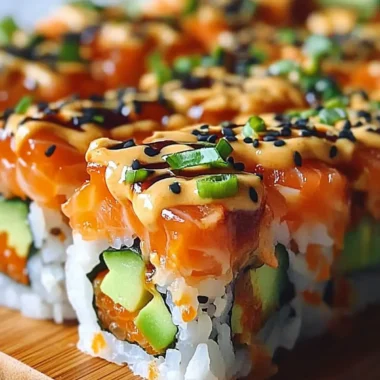
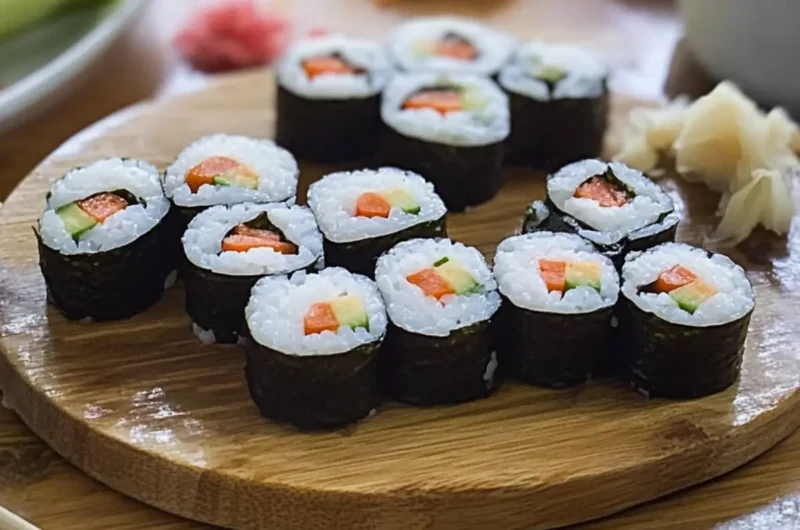
There’s a special satisfaction that comes from rolling up a delicious meal at home, and that’s exactly how I felt when I first tried making kimbap. Imagine the vibrant colors of fresh veggies neatly tucked into seasoned rice and wrapped in nori, all waiting to burst with flavor in every bite. The delightful combination of textures—crunchy cucumber, tender beef, and chewy rice—creates a dish that’s not just a feast for the eyes but also a joy for the palate.
After experimenting with different fillings and flavors, I’ve fine-tuned this classic kimbap recipe to be both accessible and utterly satisfying, perfect for a quick weeknight dinner or a fun addition to a lunchbox. Plus, unlike the fast-food options we often reach for, making your own kimbap means you control the ingredients, ensuring freshness and quality with every roll. Join me as we dive into making this delightful Korean staple that’s sure to impress family and friends alike!
Why is Gimbap the Perfect Roll?
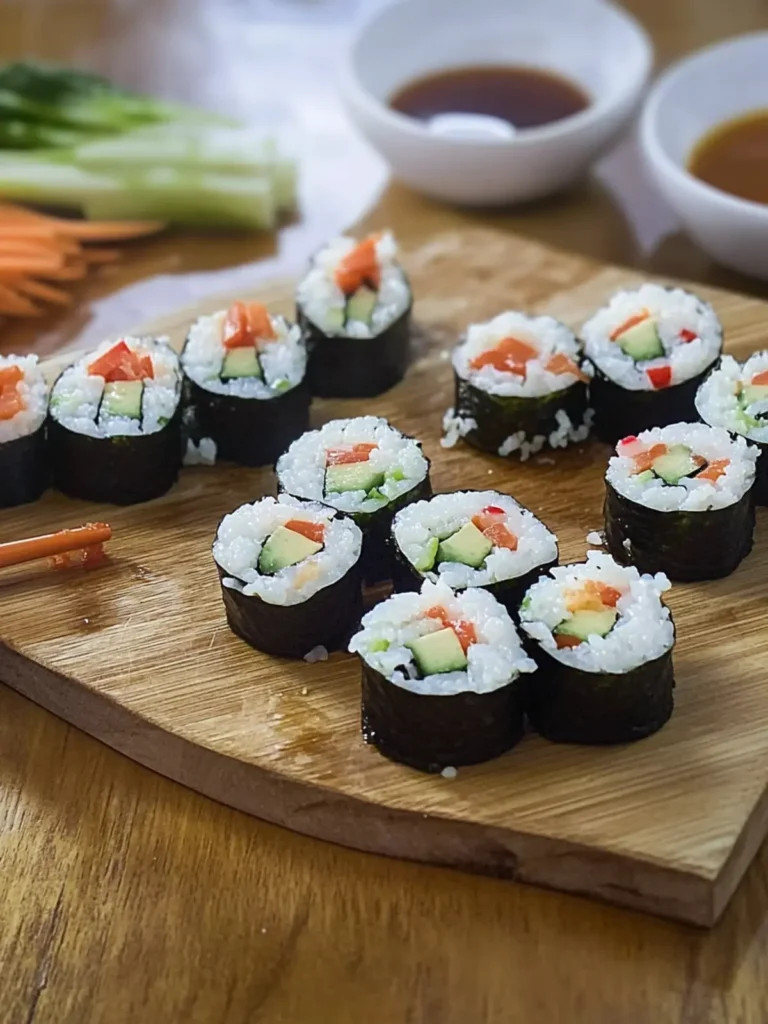
Flavor-packed fun: Gimbap combines fresh vegetables and savory beef, all enveloped in perfectly seasoned rice and crispy nori.
Colorful presentation: The vibrant colors of the ingredients make it an eye-catching dish that will impress everyone at the table.
Easy to customize: Feel free to swap out fillings and sauces to suit your taste or dietary needs.
Ideal for sharing: Perfect for picnics or potlucks, gimbap can be enjoyed by everyone, making it a crowd favorite.
Healthier choice: Homemade gimbap means you can enjoy a wholesome meal without the guilt of fast food.
Quick assembly: With a little practice, rolling gimbap becomes a fun and fast process, especially for gatherings with friends and family.
Gimbap Ingredients
For the Rice
• 360g non-glutinous rice – The base of your gimbap, ensures a perfect sticky texture.
• 500g water – Essential for cooking the rice and achieving the right consistency.
• 3g salt – Just a pinch to enhance the flavor of the rice.
• 13 ml sesame oil – Adds a rich, nutty flavor; a must for traditional gimbap.
For the Fillings
• 50g carrot – Offers crunch and sweetness; cut into strips for easy rolling.
• 80g cucumber – Refreshing and crisp; deseed for better texture.
• 70g pickled radish – Provides a tangy kick that balances the flavors.
• 100g burdock roots – Adds a unique earthy taste, but can be substituted with another crunchy vegetable.
• 80g minced beef – The protein-packed heart of your gimbap; feel free to swap with tofu for a vegetarian option.
For Cooking
• 13 ml edible oil – For sautéing fillings to enhance flavors.
• 17 ml vinegar – Helps in preparing the burdock roots and adds a hint of acidity.
• 200 ml water – Used in various stages of cooking, especially for the rice.
• 27 ml soy sauce – Key for seasoning the beef; brings umami to your gimbap.
• 15 ml water – Used in the seasoning sauce, keeping flavors balanced.
• 6g sugar – Balances the flavors of the soy sauce.
• 5 ml refined rice wine – Adds depth to the beef seasoning.
For the Egg
• 2 eggs – Provides protein and a beautiful golden color when cooked; feel free to scramble or fry them.
• 1g salt – To season the eggs for extra flavor.
For Assembly
• 6g dried laver – Wraps it all together with a slight crisp; essential for gimbap.
• 26 ml edible oil – For frying and making sure nothing sticks during cooking.
Dive into this delightful gimbap recipe knowing you have everything you need for a delicious homemade meal!
How to Make Gimbap
-
Wash the rice thoroughly and soak it in water for 30 minutes. This step is important for achieving that sticky texture that makes gimbap so delightful. Drain after soaking for 10 minutes.
-
Prepare the vegetables: peel the carrot and burdock roots, wash the cucumber and remove the seeds. Cut all vegetables into 20-cm-long (8-inch) and 0.7-cm-thick (1/4-inch) sticks. Sprinkle with salt and let them sit for 5 minutes, then wipe the cucumber dry.
-
Soak the minced beef if needed, then mix in your seasoning sauce to infuse it with flavor. Let it sit while you prep the other ingredients.
-
Whisk the eggs with a pinch of salt until combined. This will add a lovely richness to your gimbap.
-
Cook the rice: bring 500ml of water to a boil, add the rice, and cook on high for 4 minutes. Lower the heat to medium for 3 minutes, then switch to the lowest setting and steam for 10 minutes. Mix in salt and sesame oil before setting aside.
-
Stir-fry the vegetables: Heat a lightly oiled frying pan. Sauté the carrot and cucumber for 30 seconds each over high heat. Stir-fry the burdock roots for 3 minutes while adding seasoning sauce for another 10 minutes. Cook the beef for about 2 minutes, then fry the egg for 5 minutes total, flipping halfway through. Cut the egg into strips.
-
Roll the gimbap: Toast the laver lightly, then place it on a rolling mat. Spread a layer of rice over the laver, then add carrot, cucumber, burdock roots, pickled radish, beef, and egg in the center. Roll it gently but firmly into a log.
-
Slice the rolled gimbap into 1.5-cm-wide (1/2-inch-wide) pieces. Use a wet knife to clean the blade between cuts for neat slices.
Optional: Serve with soy sauce for dipping to enhance the flavor experience.
Exact quantities are listed in the recipe card below.
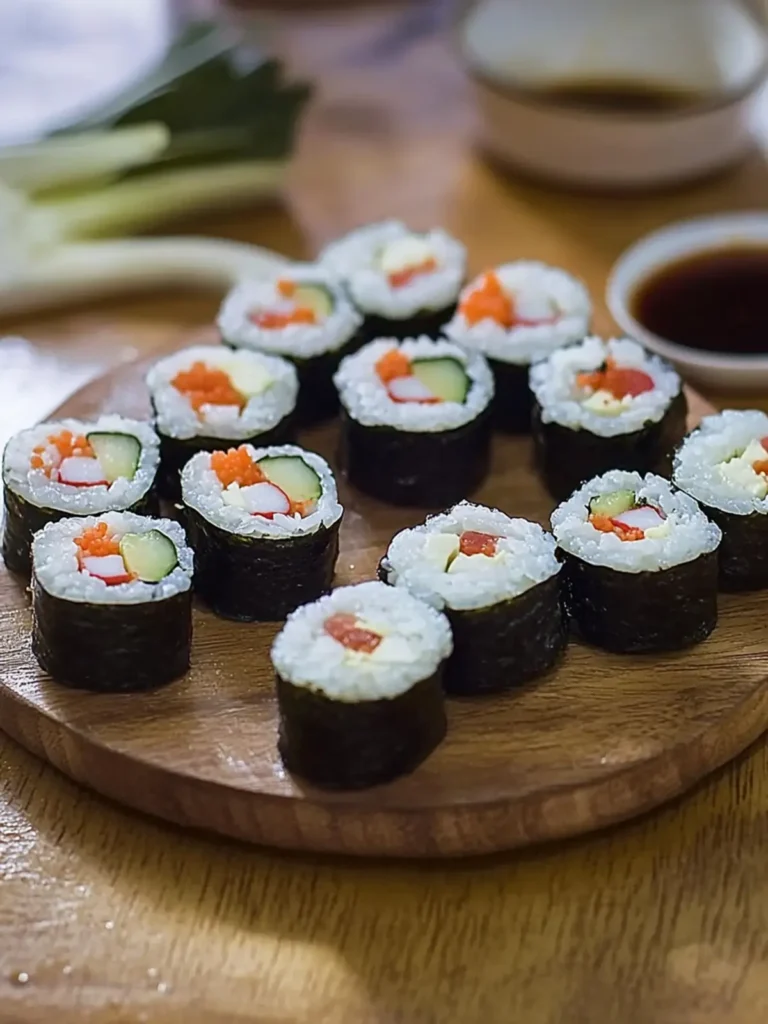
What to Serve with Gimbap?
Create a delightful spread that complements the vibrant flavors of this classic Korean roll.
- Spicy Kimchi: The pungent and spicy notes of kimchi add a perfect zing that elevates each bite of gimbap.
- Soy Sauce Dipping: A side of soy sauce enhances the savory flavors, making each morsel more comforting and satisfying.
- Crispy Fried Tempura: Light and crunchy tempura vegetables provide a satisfying textural contrast, making your meal comprehensive and exciting.
- Savory Miso Soup: A warm, umami-rich miso soup balances the fresh and hearty elements of gimbap for a cozy meal experience.
- Sesame Spinach Salad: The nutty aroma and refreshing crunch of sesame-infused spinach salad brighten the meal and add a nutritional punch.
- Fresh Fruit Slices: Crisp apple or juicy pear slices serve as a refreshing palate cleanser, complementing the savory flavors beautifully.
- Bubble Tea or Iced Tea: A sweet, refreshing drink like bubble tea or homemade iced tea melds fun and flavor, enhancing your overall dining experience.
With these pairings, your gimbap feast will be a celebration of delightful flavors and textures, perfect for sharing or enjoying solo!
Make Ahead Options
Making gimbap ahead of time is a fantastic way to streamline your meal prep and save valuable time during busy weeknights! You can prepare the rice and season it at least up to 24 hours in advance; just refrigerate it in an airtight container to maintain freshness. Furthermore, veggies like carrot, cucumber, and burdock can be cut and stored in the fridge for up to 3 days, keeping them crisp and ready to roll. When you’re ready to serve, simply assemble the gimbap with the prepped ingredients and enjoy this delicious homemade meal without the last-minute rush. This approach ensures that your gimbap tastes just as delightful, making it an easy, wholesome alternative to fast food!
Tips for the Best Gimbap
-
Rice Soaking: Soaking the non-glutinous rice for 30 minutes is essential to achieve the ideal sticky texture for your gimbap.
-
Proper Cutting: Cut vegetables into uniform sticks for even filling distribution and easy rolling. Aim for 20-cm-long (8-inch) pieces for a balanced bite.
-
Flavor Infusion: Don’t rush the seasoning of the minced beef; let it marinate briefly for deeper flavors in your gimbap.
-
Strain Well: After cooking, ensure the rice is well-drained and mixed with salt and sesame oil to enhance its taste. Overly wet rice can lead to a soggy roll.
-
Rolling Technique: When rolling, apply gentle but firm pressure to keep your gimbap together. A tight roll enhances the structure without crushing the ingredients.
-
Cutting Cleanly: Clean your knife with a wet towel between slices. This keeps each piece neat and visually appealing, showcasing the delicious fillings of your gimbap.
How to Store and Freeze Gimbap
Room Temperature: Gimbap is best enjoyed fresh, but can be left at room temperature for up to 2 hours if needed.
Fridge: Store leftover gimbap wrapped in plastic wrap or an airtight container in the fridge for up to 3 days. The flavors will meld together beautifully.
Freezer: For longer storage, you can freeze gimbap by wrapping each roll tightly in plastic wrap and placing them in a freezer-safe bag. Enjoy within 1 month for optimal freshness.
Reheating: Thaw frozen gimbap in the fridge overnight, then serve cold or at room temperature. If desired, you can lightly pan-fry them to warm them up and crisp the outside.
Gimbap Variations & Substitutions
Feel free to get creative with your gimbap and make it uniquely yours!
-
Vegetarian: Replace minced beef with marinated tofu or tempeh for a hearty yet plant-based option. You can also add more vegetables, such as bell peppers or spinach, for extra flavor and nutrition.
-
Spicy Kick: Add a drizzle of sriracha sauce or sprinkle some gochugaru (Korean red pepper flakes) into your rice for a delightful, spicy twist that will warm your taste buds.
-
Quinoa Substitute: Swap non-glutinous rice for quinoa to create a protein-packed version that gives your gimbap a wonderful nutty flavor. Remember to season it just like the rice!
-
Sweet and Savory: Incorporate a layer of sweet potato or pumpkin puree instead of some rice for a vibrant color and a surprisingly sweet profile that could delight everyone.
-
Seafood Delight: Feel free to replace beef with cooked shrimp or crab meat and add a few slices of avocado for a luxurious touch. The sea flavors will be wonderfully complemented by the sesame oil.
-
Eggless Option: For those avoiding eggs, try a thin layer of avocado or a vegan egg substitute spread directly onto the rice for creaminess and richness within your roll.
-
Crunch Boost: Include roasted nuts or seeds like sunflower seeds or pumpkin seeds mixed in with the vegetables for an unexpected crunch and added nutrition. Just a small handful can make a delightful difference!
-
Herb Infusion: Add fresh herbs like cilantro or mint to your fillings for a refreshing burst of flavor. This can elevate your gimbap to another level of deliciousness and unique flair.
Every roll is an opportunity to explore flavors, so have fun crafting your ideal gimbap experience!
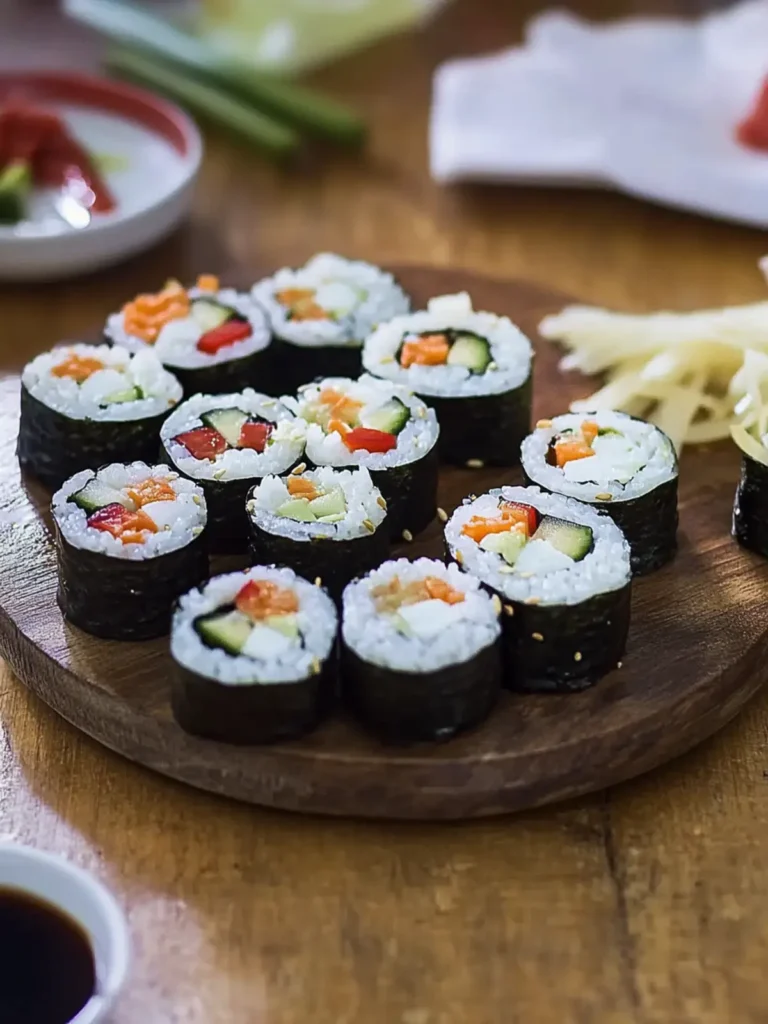
Classic Kimbap Recipe FAQs
What type of rice is best for making gimbap?
Absolutely! For gimbap, it’s best to use non-glutinous rice, as it gives the perfect sticky texture that holds the roll together beautifully. This type of rice ensures all your delicious fillings stay intact, allowing you to enjoy each bite without any mess!
How long can I store leftover gimbap in the fridge?
You can store leftover gimbap in the fridge for up to 3 days. Wrap the gimbap tightly in plastic wrap or keep it in an airtight container. This way, the flavors meld together nicely, and it remains fresh for your next meal!
Can I freeze gimbap, and if so, how?
Very! To freeze gimbap, wrap each roll tightly in plastic wrap to prevent air exposure, then place them in a freezer-safe bag. They can be stored in the freezer for up to 1 month for the best quality. When you’re ready to enjoy, thaw them in the fridge overnight, and they can be eaten cold or reheated lightly in a pan for a crispy exterior.
What should I do if my rice is too wet after cooking?
If your rice turns out too wet, don’t worry! First, try spreading it out on a baking sheet to cool and steam-off excess moisture. This will help dry it out slightly. Remember to ensure it’s well-drained before mixing with salt and sesame oil—better too dry than too soggy for rolling!
Are there any dietary considerations for gimbap?
Absolutely! Gimbap can accommodate various dietary needs. If you have a gluten intolerance, be sure to use gluten-free soy sauce. For vegetarians or vegans, simply replace the beef with tofu or additional vegetables, and skip the eggs. Always check the ingredients of pickled radish and other condiments for any allergens.
How can I tell if my vegetables are ripe for gimbap?
When selecting vegetables for your gimbap, look for crisp, fresh ones. Cucumbers should be firm without dark spots, while carrots should be bright in color without blemishes. Pickled radish should be tangy and crunchy, adding the perfect texture to your rolls. If they feel soft or have any dark spots, it’s best to skip them!
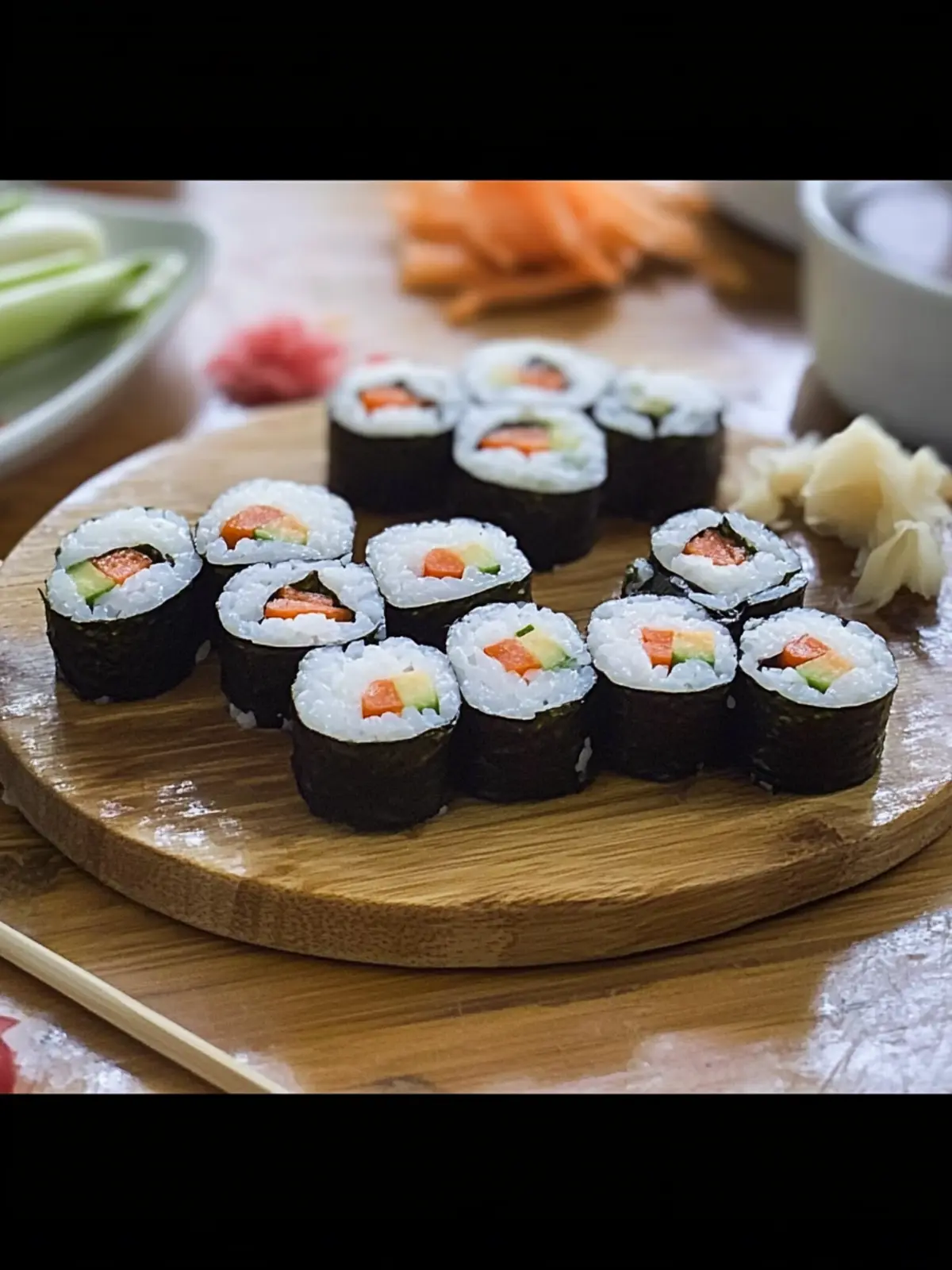
Master Gimbap: Your New Favorite Roll for Any Occasion
Ingredients
Equipment
Method
- Wash the rice thoroughly and soak it in water for 30 minutes. Drain after soaking for 10 minutes.
- Prepare the vegetables: peel the carrot and burdock roots, wash the cucumber and remove the seeds. Cut all vegetables into 20-cm-long (8-inch) and 0.7-cm-thick (1/4-inch) sticks. Sprinkle with salt and let them sit for 5 minutes.
- Soak the minced beef if needed, then mix in your seasoning sauce to infuse it with flavor.
- Whisk the eggs with a pinch of salt until combined.
- Cook the rice: bring 500ml of water to a boil, add the rice, and cook on high for 4 minutes. Lower the heat to medium for 3 minutes, then switch to the lowest setting and steam for 10 minutes. Mix in salt and sesame oil before setting aside.
- Stir-fry the vegetables: Heat a lightly oiled frying pan. Sauté the carrot and cucumber for 30 seconds each over high heat. Stir-fry the burdock roots for 3 minutes; add seasoning sauce, continuing for 10 more minutes. Cook the beef for about 2 minutes, then fry the egg for 5 minutes total, flipping halfway through.
- Roll the gimbap: Toast the laver lightly, then place it on a rolling mat. Spread a layer of rice over the laver, then add carrot, cucumber, burdock roots, pickled radish, beef, and egg in the center. Roll it gently but firmly into a log.
- Slice the rolled gimbap into 1.5-cm-wide (1/2-inch-wide) pieces. Use a wet knife to clean the blade between cuts for neat slices.