
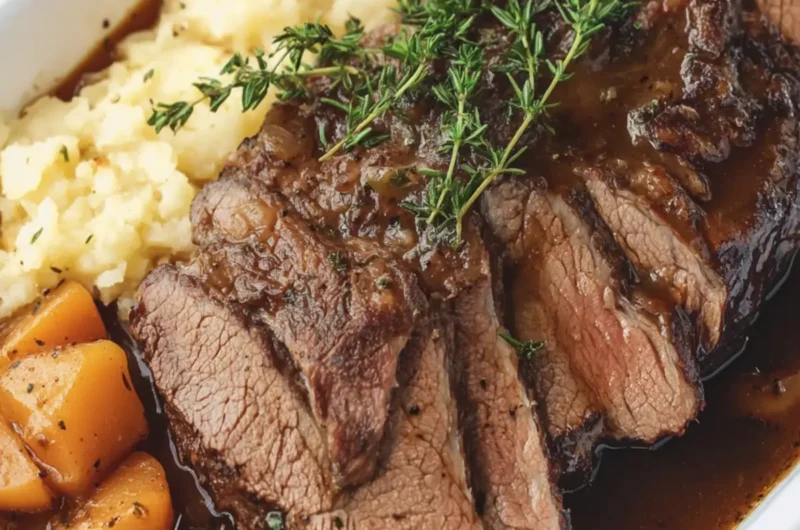
When I first decided to dive into the world of German cuisine, I was pleasantly surprised by the culinary treasure that is Sauerbraten. Picture this: a robust pot roast, slow-cooked to perfection and infused with a tangy marinade that has been lovingly developed over days. The aroma wafting through your kitchen is not just a feast for the senses; it’s an invitation to gather friends and family around the table for a comforting meal.
This elegant dish, often considered Germany’s national treasure, showcases the beauty of slow cooking and the depth of flavor you can achieve with high-quality ingredients. Whether you opt for the traditional beef or explore regional variations like pork or lamb, each bite promises a balance of sweet and sour that will have everyone asking for seconds. So, let’s roll up our sleeves and unlock the heart of German home cooking with this unforgettable Sauerbraten recipe—perfect for a weekend gathering or any day you crave something extraordinary!
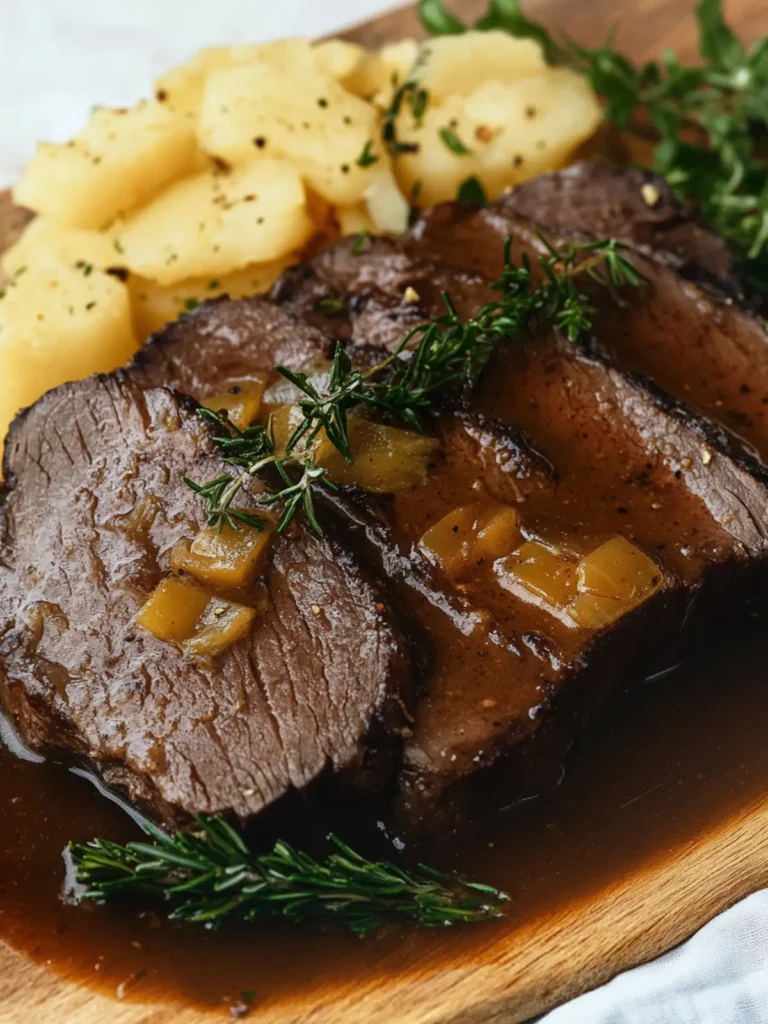
Why is German Sauerbraten a Must-Try?
Flavor Explosion: The multi-day marinade intensifies the flavors of the beef, creating a succulent taste experience that’s hard to resist.
Cultural Richness: Immerse yourself in Germany’s culinary heritage with every bite, making it more than just dinner, but a journey through history.
Crowd-Pleasing Dish: Perfect for gatherings, this dish impresses both seasoned cooks and home chefs alike, ensuring compliments all around.
Versatile Meat Choices: Customize your Sauerbraten with different meats like pork or lamb for a delightful twist on a classic.
Comfort Food Hero: With its rich sauce and tender meat, it delivers warmth and satisfaction that fills both hearts and bellies.
Don’t forget to pair it with traditional sides like red cabbage or spaetzle for a complete meal that shines at any table!
German Sauerbraten Ingredients
For the Marinade
- Red Wine – Adds a rich depth of flavor; substitute with good-quality cooking wine if needed.
- Red Wine Vinegar – Provides acidity for the marinade; white wine vinegar is a possible substitute, though it may alter the flavor.
- Water – Balances the marinade; no substitutions needed; adjust as needed for desired acidity.
- Large Onion (sliced) – Contributes sweetness and depth; a yellow or sweet onion works best.
- Carrots (peeled and sliced) – Adds sweetness; parsnips can be a tasty substitution for a different flavor profile.
- Celery (sliced) – Provides an aromatic element; consider fennel for a unique twist.
- Garlic (crushed) – Enhances the overall flavor; garlic powder may substitute if fresh isn’t available.
- Bay Leaves – Infuses fragrance into the marinade; essential for authenticity, do not substitute.
- Whole Black Peppercorns – Adds spice and warmth; ground black pepper works in a pinch but use less.
- Whole Cloves – Offers a warm spice note; necessary for authentic flavor, so avoid substitutes.
- Juniper Berries (optional) – Provides a unique pine-like flavor; feel free to omit if unavailable.
For the Meat
- Beef Roast (top round or chuck) – The primary protein, rich and succulent when slow-cooked; pork shoulder can be used for different flavors.
- Vegetable Oil – Used for searing meat; substitute with any neutral oil, like canola or sunflower.
For the Sauce
- Flour – For thickening the sauce; cornstarch serves as a gluten-free alternative.
- Beef Stock – Adds richness to the sauce; homemade or vegetable stock can work as a substitute.
- Sugar – Balances the sauce’s acidity; brown sugar or honey can deepen flavors or add sweetness.
- Gingersnap Cookies (crumbled, optional) – Offers a sweet-spicy flavor boost to the sauce; gingerbread can be a fun alternative.
Unlock the flavors and textures of German Sauerbraten with these carefully chosen ingredients, and prepare to create a dish that will become a beloved favorite for family and friends!
How to Make German Sauerbraten
-
Prepare Marinade: In a large bowl, combine red wine, red wine vinegar, water, sliced onion, carrots, celery, garlic, bay leaves, black peppercorns, cloves, and optional juniper berries. Submerge the beef and refrigerate for 2-3 days, turning occasionally to ensure the meat absorbs all the flavors.
-
Sear Beef: Once the marinating time is up, remove the beef from the marinade, pat dry to remove excess liquid, and strain the marinade. In a hot pan with vegetable oil, sear the beef on each side until beautifully browned, about 2-3 minutes per side.
-
Sauté Veggies: Take out the beef, then throw in the reserved vegetables from the marinade. Sauté them in the same pot until softened, stirring occasionally. Once they’re tender, sprinkle flour over the veggies and cook for 2-3 minutes until golden.
-
Add Liquid: Gradually pour in the reserved marinade and beef stock, stirring to ensure everything blends smoothly. Return the seared beef to the pot, cover, and bring it all to a gentle simmer.
-
Roast: Transfer the pot to your preheated oven at 160°C (325°F) for 2.5 to 3 hours, or until the beef is fork-tender. Check on it occasionally and add more stock if the level gets too low.
-
Finish Sauce: Once cooked, set the beef aside on a platter. Strain the sauce through a sieve, discarding the solids. If desired, crumble in gingersnap cookies and simmer the sauce to thicken, stirring as needed.
-
Serve: Slice the succulent beef and spoon the delicious sauce over the top. Pair with traditional sides like egg noodles, boiled potatoes, or red cabbage, and garnish with fresh parsley for a delightful presentation.
Optional: Serve with a glass of German Riesling or dark beer for a perfect pairing!
Exact quantities are listed in the recipe card below.
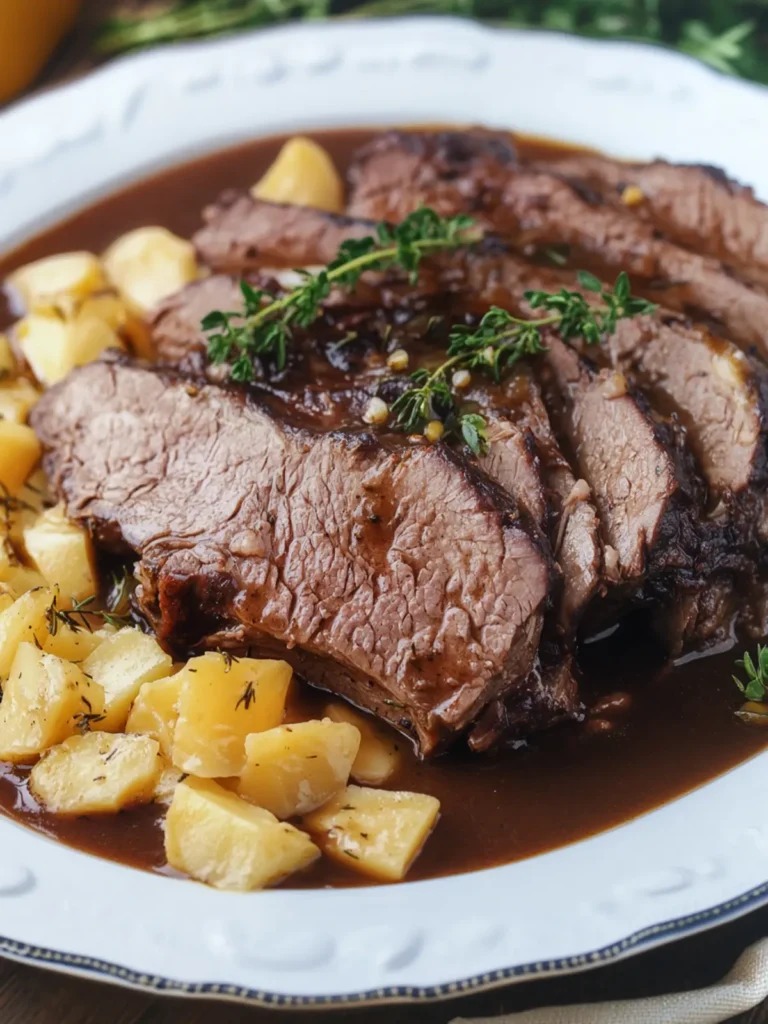
Storage Tips for German Sauerbraten
-
Refrigerator: Store the cooked German Sauerbraten in an airtight container for up to 4 days. Ensure it’s completely cooled before sealing to maintain freshness.
-
Freezer: For longer storage, freeze the Sauerbraten in a freezer-safe container or heavy-duty freezer bags, where it will last up to 3 months. Just remember to label it with the date!
-
Thawing: When you’re ready to enjoy your frozen Sauerbraten, thaw it overnight in the refrigerator. This helps retain the incredible tenderness that this dish is known for.
-
Reheating: Gently reheat in a saucepan over low heat, adding a splash of beef stock or water to keep it moist. Aim for the internal temperature to reach 165°F (74°C) for safe eating.
What to Serve with German Sauerbraten?
Creating the perfect dining experience around your Sauerbraten elevates this traditional dish to new heights, filling the air with delightful aromas and warm vibes.
-
Creamy Mashed Potatoes: The silky texture of mashed potatoes wonderfully absorbs the rich sauce, providing a comforting contrast. Add a touch of garlic for extra flavor.
-
Sweet and Sour Red Cabbage: This classic side brings a beautiful tang to your plate, balancing the richness of the pot roast with its sweet and tart notes. It’s a refreshing addition that complements the dance of flavors.
-
Spaetzle: These delightful German noodles act as a perfect vehicle for soaking up the savory sauce, making every bite a pleasure. You can drizzle them with a little melted butter for a heavenly touch.
-
Roasted Root Vegetables: A medley of carrots, parsnips, and potatoes adds a pop of color and natural sweetness, enhancing the heartiness of your meal. The slightly caramelized edges provide delightful crunch.
-
German Rye Bread: Serve alongside a crusty slice of rye bread to mop up every last bit of that luscious sauce. The hearty flavor of the bread enhances the rustic charm of Sauerbraten.
-
Rich Dark Beer: Pairing with a German-style dark beer brings out the deep flavors of the meat while enhancing the festive spirit of your meal. The beer’s maltiness harmonizes beautifully with the savory gravy.
-
German Riesling: For a lighter option, a chilled German Riesling offers sweetness and acidity to counterbalance the rich flavors. Its fruity notes can initiate lively conversations around the table, making every sip memorable.
Choose any combination of these sides to craft a meal that feels like a warm embrace and satisfies the soul!
Expert Tips for German Sauerbraten
-
Marinate Fully: For the richest flavor, allow the beef to soak in the marinade for the full 3 days—this is essential for achieving authentic German Sauerbraten.
-
Dry the Meat: Always pat the beef dry with paper towels before searing. This helps create a lovely crust that enhances flavor and texture.
-
Watch the Cooking Time: Aim for fork-tender meat without overcooking. The beef should be easy to slice but still hold its shape.
-
Skim the Fat: After cooking, skim off any excess fat from the sauce before thickening. This step ensures a cleaner, more balanced flavor for the final sauce.
-
Ginger Snap Optional: Feel free to add crumbled gingersnap cookies to the sauce for an extra layer of sweetness and spice. Just don’t skip the initial marinade for best results!
German Sauerbraten Variations & Substitutions
Feel free to get adventurous with your Sauerbraten! Each twist adds a unique flair to this classic dish.
-
Pork Alternative: Swap the beef for pork shoulder for a succulent and flavorful twist that melts in your mouth.
The tenderness of the pork absorbs the marinade beautifully, creating a new taste experience. -
Lamb Option: Try using lamb instead of beef for a rich and earthy flavor that will surprise your taste buds.
Lamb brings a distinct taste that pairs wonderfully with the tangy marinade, adding depth to this beloved dish. -
Vegetable Medley: Add diced apples or dried fruits like prunes to the marinade for a touch of sweet complexity.
This infusion not only sweetens the sauce but also complements the savory elements, making it a delightful surprise. -
Herb Infusion: Experiment with fresh herbs such as thyme or rosemary for an aromatic boost that elevates the flavors.
The herbaceous notes add a fresh layer to the dish, enhancing the overall richness of the meal. -
Spice Upgrade: Incorporate spices like allspice or coriander for a hint of warmth and uniqueness in your marinade.
These spices can transform the flavor profile, providing a delightful twist that enhances the traditional taste. -
Heat Level: Feeling adventurous? Add a pinch of crushed red pepper or a splash of hot sauce for a kick of heat.
This addition sparks a fiery contrast against the rich, sweet-sour sauce, tantalizing your palate. -
Gluten-Free Sauce: Use cornstarch instead of flour for thickening if you’re aiming for a gluten-free version of this dish.
This simple swap does not compromise the integrity of the sauce and keeps the textures perfectly balanced.
Explore these variations, and let each one inspire a new favorite version of your German Sauerbraten recipe!
Make Ahead Options
These German Sauerbraten (Marinated Pot Roast) are perfect for busy home cooks looking to save time without sacrificing flavor! You can prepare the marinade and submerge the beef up to 3 days in advance for maximum flavor infusion. Simply combine the marinade ingredients (red wine, vinegar, water, and spices) and refrigerate the marinated beef, turning it occasionally. When ready to finish the dish, sear the meat and follow your usual recipe steps; it will still be just as tender and delicious. If you’re short on time, you can also sauté the vegetables in advance (up to 24 hours) and store them in the fridge. With these prep-ahead steps, your Sauerbraten will become an effortless family favorite!
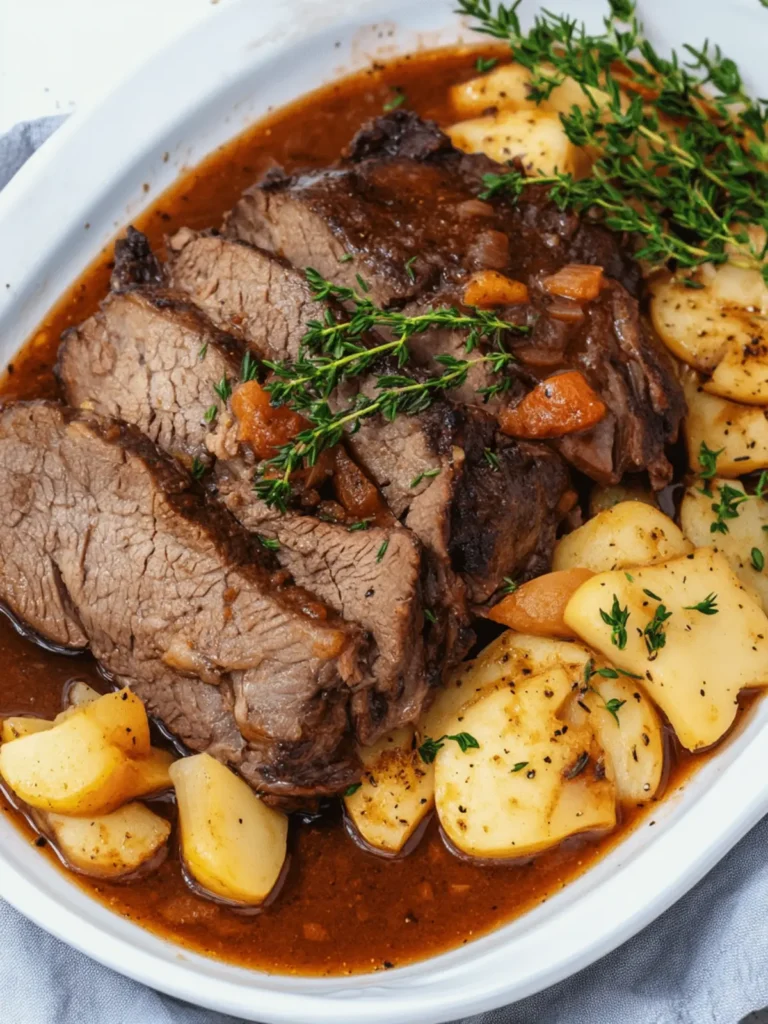
German Sauerbraten Recipe FAQs
What type of red wine is best for marinating?
Absolutely! A good-quality dry red wine like Cabernet Sauvignon or Merlot works best in the marinade, enhancing the beef’s flavor. If you’re in a pinch, a decent cooking wine will suffice, but I recommend staying away from overly sweet wines.
How should I store leftover Sauerbraten?
For optimal freshness, store your delicious German Sauerbraten in an airtight container in the refrigerator for up to 4 days. Ensure it’s completely cooled before sealing, as this helps maintain its tender texture.
Can Sauerbraten be frozen for later use?
Yes, indeed! You can freeze Sauerbraten in a freezer-safe container for up to 3 months. To freeze, make sure to let it cool first, then portion it if desired. When you’re ready to enjoy it again, simply thaw it overnight in the refrigerator—a great way to keep mealtime easy!
What if my sauce is too thin?
No worries! If your sauce comes out too thin after cooking, you can thicken it by mixing a tablespoon of cornstarch with cold water to form a slurry, then gradually stir it into the sauce over low heat. Allow it to simmer until thickened, usually within a few minutes, stirring frequently.
Are there any dietary considerations for pets with this dish?
While Sauerbraten can be a hearty meal for us, the spices, onions, and potential seasonings (like garlic) can be harmful to pets, particularly dogs. It’s best to keep this dish away from them; however, you can cook a separate, plain cut of meat for your furry friends if you’d like to share the love!
What if I can’t find juniper berries?
No problem at all! Juniper berries add a distinctive pine-like flavor, but if you don’t have them on hand, simply omit them without worrying. The dish will still be delicious and flavorful, so rest assured you can still create a wonderful German Sauerbraten without them.
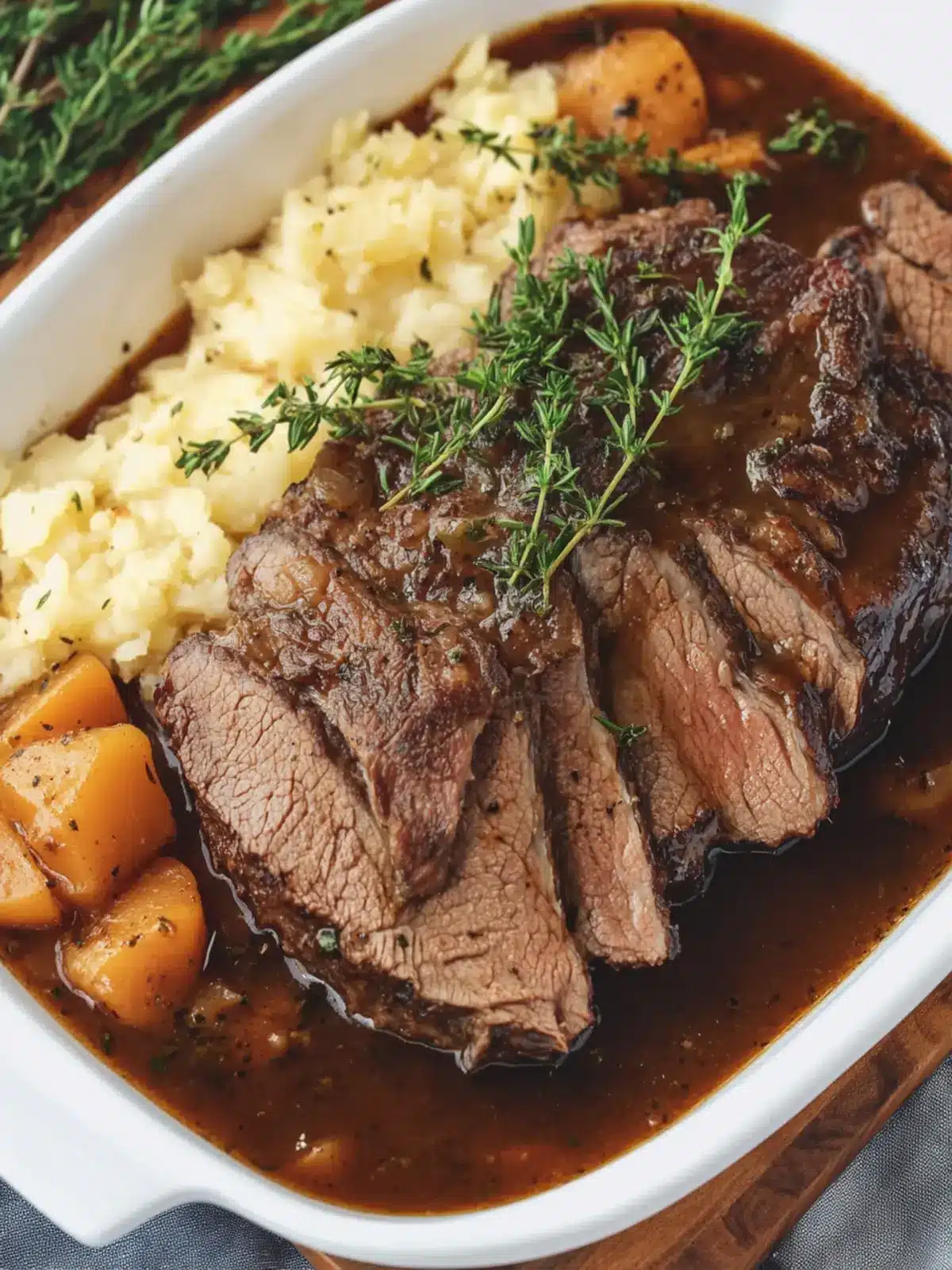
Savory German Sauerbraten: A Flavorful Marinated Delight
Ingredients
Equipment
Method
- In a large bowl, combine red wine, red wine vinegar, water, sliced onion, carrots, celery, garlic, bay leaves, black peppercorns, cloves, and optional juniper berries. Submerge the beef and refrigerate for 2-3 days, turning occasionally.
- Once the marinating time is up, remove the beef from the marinade, pat dry, and strain the marinade. In a hot pan with vegetable oil, sear the beef on each side until browned, about 2-3 minutes per side.
- Remove the beef, and sauté the reserved vegetables from the marinade until softened. Sprinkle flour over the veggies and cook for 2-3 minutes until golden.
- Gradually pour in the reserved marinade and beef stock, stirring to blend. Return the seared beef to the pot, cover, and bring to a gentle simmer.
- Transfer the pot to a preheated oven at 160°C (325°F) for 2.5 to 3 hours, or until the beef is fork-tender. Check occasionally, adding more stock if needed.
- Once cooked, set the beef aside and strain the sauce. If desired, crumble in gingersnap cookies and simmer the sauce to thicken.
- Slice the beef and spoon the sauce over. Serve with traditional sides and garnish with parsley.