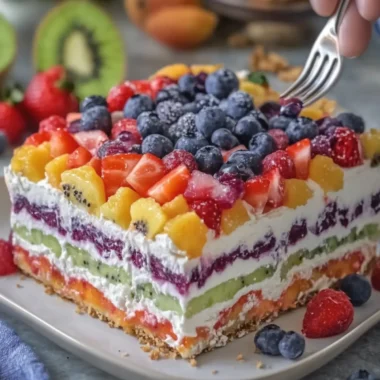
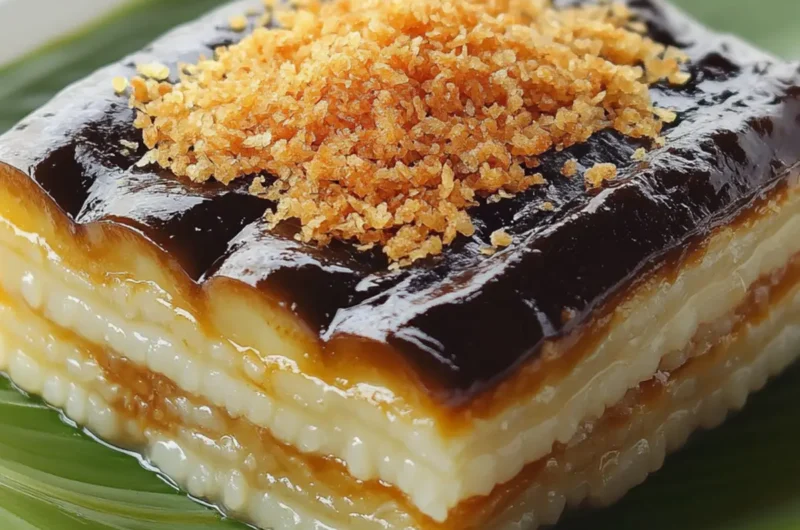
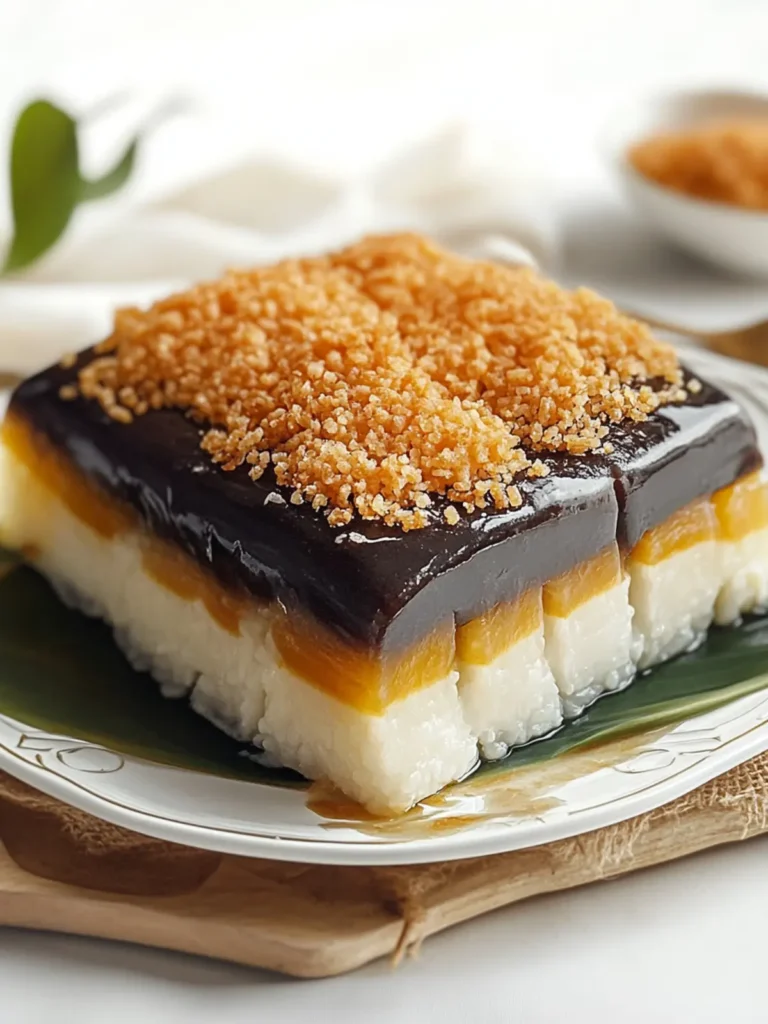
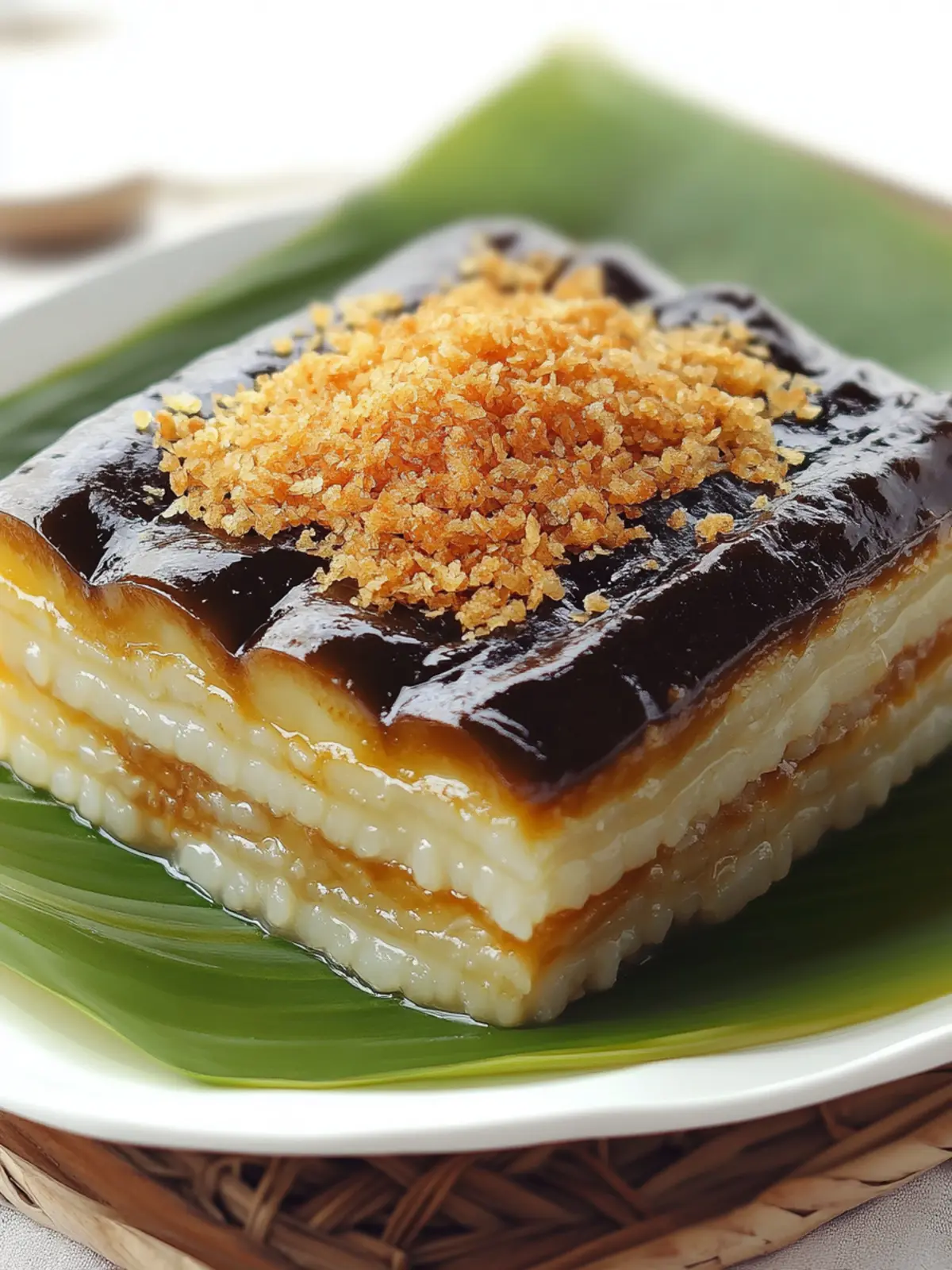
There’s something truly enchanting about the vibrant layers of Sapin-Sapin, a beloved Filipino dessert that transforms any gathering into a celebration. As I prepare this colorful layered rice cake, I can’t help but reminisce about family feasts filled with laughter and joy, where this delightful treat took center stage. Each slice reveals a stunning array of pastel hues, reminiscent of the stunning sunsets over Manila, inviting friends and family to indulge in its unique, custard-like texture and gentle sweetness.
Perfect for festive occasions and celebrations, Sapin-Sapin combines the rich flavors of ube, jackfruit, and coconut into a gluten-free masterpiece. No more boring desserts—this enchanting dish not only pleases the eyes but also brings a taste of Filipino culture to your table. Whether you’re looking to impress guests or simply want to enjoy a wholesome, homemade treat, this layered rice cake is sure to become a cherished addition to your culinary repertoire. Ready to dive into this deliciously traditional recipe? Let’s get started!
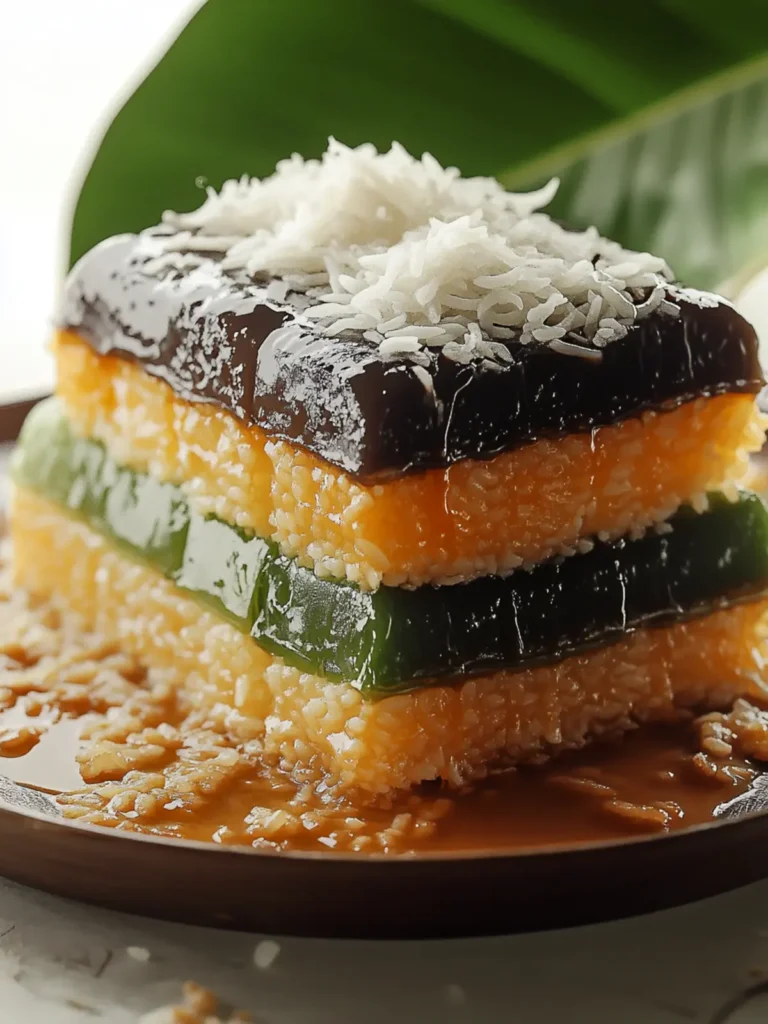
Why is Filipino Sapin-Sapin a Must-Try?
Colorful Layers: Each slice of Sapin-Sapin is a feast for the eyes, featuring vibrant pastel colors that will wow your guests.
Cultural Delight: This dessert carries a rich story, celebrated during Filipino holidays, adding cultural flair to any occasion.
Unique Texture: Experience its custard-like softness that melts in your mouth, making it an irresistible treat.
Gluten-Free Goodness: Perfect for those avoiding gluten, this layered cake does not compromise on taste or texture.
Versatile Variations: Customize with your favorite flavors or toppings, ensuring every batch is uniquely yours.
Easy to Make: With straightforward steps, this recipe is accessible even for novice bakers. Dive into the joy of creating your own Sapin-Sapin and delight everyone with this sweet, nostalgic gem!
Filipino Sapin-Sapin Ingredients
• Get ready to create this colorful delight!
For the Batter
- Glutinous Rice Flour – Provides the essential structure and chewy texture; no substitutes for an authentic taste.
- Rice Flour – Contributes a softer crumb; can be replaced with more glutinous rice flour if necessary.
- Coconut Milk – Adds moisture and richness; thick fresh or canned coconut milk works best.
- Coconut Cream – Used for creating the latik topping and deepening flavor; can be substituted with more coconut milk but won’t yield latik.
- White Sugar – Sweetens the cake without overpowering its flavors; coconut sugar is a healthier substitute.
- Vanilla Extract – Enhances flavor and aroma; optional if you don’t have any on hand.
- Salt – Balances the sweetness, boosting overall flavor; a crucial ingredient for baking success.
- Ube Halaya (Purple Yam Jam) – Infuses the ube layer with color and flavor; substitute with purple food coloring and a touch of sugar if needed.
- Jackfruit Puree – Adds a tropical sweetness and flavor; can be swapped for mango or another fruit puree.
- Yellow Food Coloring – Optional for enhancing the jackfruit layer’s color; omitting it affects only appearance, not taste.
- Coconut Cream (for Latik) – Essential for creating a crunchy topping; keep this for the authentic texture and flavor.
How to Make Filipino Sapin-Sapin
-
Make Latik: Begin by heating coconut cream in a small pan over medium heat until the oil separates and curds form. Strain it to collect the crispy bits and set aside for topping.
-
Prepare Batter: In a large bowl, combine glutinous rice flour, rice flour, sugar, and salt. Gradually whisk in the coconut milk and vanilla extract until your batter is smooth and well-blended.
-
Divide Batter: Split the batter into three equal portions. Leave one portion plain, mix ube halaya into the second, and blend jackfruit puree into the third.
-
Steaming Preparation: Grease a round pan with coconut oil, and ready your steamer by bringing water to a boil.
-
Layering: Pour the purple ube batter into the pan and steam for 15–20 minutes until set. Once done, pour the jackfruit batter on top and steam again for 15–20 minutes. Finish with the plain batter and steam for 25–30 minutes until the layers are firm.
-
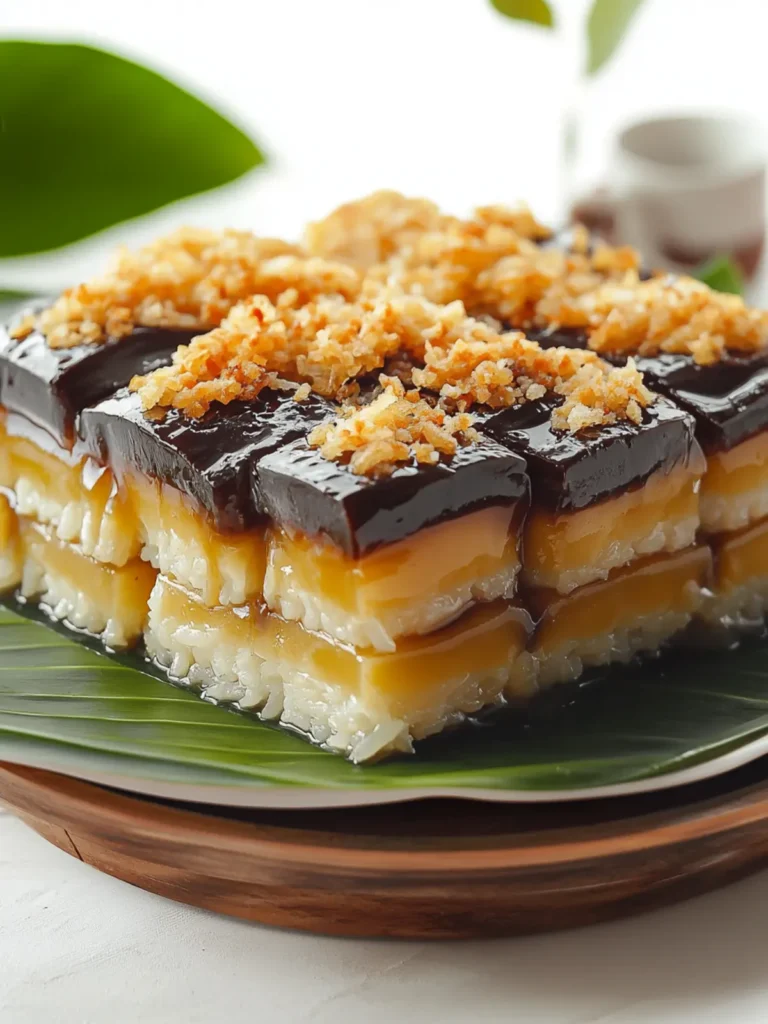
Cool and Serve: After steaming, let the cake cool completely. Loosen the edges gently, invert onto a platter, brush with coconut oil, sprinkle with latik, and cut into lovely wedges. Serve at room temperature for the best taste!
Optional: Garnish with fresh fruits like mango or a drizzle of chocolate for an added twist.
Exact quantities are listed in the recipe card below.
How to Store and Freeze Filipino Sapin-Sapin
-
Room Temperature: Filipino Sapin-Sapin is best enjoyed fresh, but if you must leave it out, it can sit at room temperature for up to 2 hours before it starts losing its freshness.
-
Fridge: Store any leftovers in an airtight container in the fridge for up to 3 days. This helps maintain its flavor and custard-like texture while keeping it moist.
-
Freezer: If you want to freeze the Sapin-Sapin, tightly wrap it in plastic wrap or aluminum foil, placing it in an airtight container, and it will keep for up to 1 month. Thaw it in the fridge overnight before serving.
-
Reheating: For best results, reheat slices in a steamer or on low in the microwave for just a few seconds to restore its soft texture. Enjoy your delightful layers again!
Filipino Sapin-Sapin Variations
Feel free to get creative with your Sapin-Sapin and make it uniquely yours with these delightful twists!
- Dairy-Free: Use almond or coconut milk instead of regular coconut milk for a lighter option.
- Flavor Fusion: Swap the ube halaya for pandan or sweet potato for an exciting flavor profile.
- Fruit Lover’s Delight: Substitute jackfruit puree with ripe mango or peach puree for a tropical touch.
- Decadent Drizzle: Top your layers with a rich chocolate or caramel sauce for an indulgent finish.
- Nutty Crunch: Sprinkle toasted coconuts or nuts on top before serving for a lovely texture contrast.
- Spicy Twist: Add a pinch of cayenne or chili powder to the jackfruit layer for a surprising kick. Each bite unveils a beautiful combination of sweet and spicy.
- Coconut Variations: Experiment with coconut cream, or use a mix of coconut and cashew cream for a richer taste!
- Layer Limbo: Instead of three layers, create more by dividing the batter into even smaller portions for a stunning multi-layered effect.
Let your imagination soar and enjoy the process of bringing your personalized touch to this beloved dessert!
Expert Tips for Filipino Sapin-Sapin
- Steaming Success: Ensure that each layer is fully steamed before adding the next. This helps maintain the integrity of the Filipino Sapin-Sapin without collapsing.
- Avoid Water Dripping: Place a clean cloth under the lid of the steamer to prevent condensation from dripping onto the cake, keeping it perfectly moist.
- Grease Your Knife: Brush your knife with coconut oil between cuts for cleaner slices and to keep those pretty layers intact.
- Colorful Presentation: For stunning visuals, consider adding a few drops of food coloring to the layered mix to enhance the pastel shades, but remember, this is purely optional!
- Storage Savvy: If you have leftovers, keep them refrigerated in an airtight container for up to 3 days to preserve flavor and texture. Enjoy them chilled!
What to Serve with Sapin-Sapin?
There’s nothing quite like complementing this Filipino treasure with equally delightful dishes that enhance your celebration.
-
Fresh Tropical Fruit Salad: A medley of ripe mango, bananas, and pineapple adds a refreshing contrast to the sweetness of the layered cake, making each bite more vibrant.
-
Coconut-Infused Sticky Rice: Pairing this rich dessert with sticky rice brings out the coconut flavor beautifully and creates a comforting, cohesive meal that celebrates Filipino cuisine.
-
Crispy Spring Rolls: The crunchiness of these savory appetizers provides a delightful textural contrast, lightening up the meal and making every bite of Sapin-Sapin feel like a celebration.
-
Ube Ice Cream: Serving a scoop of this creamy delight next to Sapin-Sapin harmonizes the ube flavors and creates an indulgent dessert that is sure to delight everyone at your table.
-
Filipino Macaroni Salad: The creamy, savory taste of this side adds a unique twist to your meal, balancing the sweetness of Sapin-Sapin while showcasing more beloved Filipino flavors.
-
Young Coconut Juice: Hydrate and refresh your guests with this sweet, natural drink that perfectly complements the richness of the dessert.
-
Aromatic Ginger Tea: The warm, spiced notes of ginger tea can clear the palate and enhance the flavors of the layered rice cake, perfect for a cozy evening gathering.
With these pairings, your Filipino Sapin-Sapin will take center stage, transforming any occasion into a delightful feast!
Make Ahead Options
These Filipino Sapin-Sapin (Layered Rice Cake) are perfect for meal prep enthusiasts! You can prepare the batter up to 24 hours in advance, mixing the ingredients and splitting them into the three flavor sections. Simply refrigerate each portion in airtight containers to keep them fresh. When it’s time to serve, just take out the prepared batter, layer and steam as instructed. This method helps save time during busy weeknights while ensuring the cake remains just as delicious. Additionally, if you have leftovers, store them in the fridge for up to 3 days; it’ll maintain its lovely texture and flavor. Enjoy the convenience of making this colorful dessert ahead of your celebrations!
Filipino Sapin-Sapin Recipe FAQs
How do I choose ripe jackfruit for Sapin-Sapin?
Absolutely! When selecting jackfruit, look for a fruit with a strong, sweet aroma and a slightly soft texture when pressed. The exterior should be bright yellow and free from dark spots. If it’s under ripe, you won’t get that luscious sweetness that complements the dessert so well!
How do I store leftover Sapin-Sapin?
I recommend placing any leftovers in an airtight container and refrigerating them. They will stay fresh for up to 3 days. Just remember to keep them tightly sealed to maintain their wonderful texture and moisture.
Can I freeze Sapin-Sapin?
Very much so! To freeze your delightful Filipino Sapin-Sapin, wrap it tightly in plastic wrap or aluminum foil. Place it in an airtight container and pop it in the freezer, where it can last for up to 1 month. When you’re ready to enjoy it again, allow it to thaw in the fridge overnight for the best results.
What if my layers collapse while steaming?
If you notice your layers collapsing, it’s likely they weren’t fully set before adding the next layer. Always ensure each layer is properly steamed until firm before moving on to the next. Additionally, make sure there’s no water dripping from the lid onto your cake during the steaming process, as this can also cause collapse. Using a clean cloth under the lid helps prevent this!
Is Sapin-Sapin safe for children and pets?
For children, absolutely! Sapin-Sapin is a delightful treat that they will thoroughly enjoy. However, it contains coconut, which is generally safe for pets in small quantities, but always consult your vet before sharing any human foods with your furry friends just to be safe.
What adjustments can I make for allergen-free Sapin-Sapin?
If you’re looking to make it allergen-free, substitute gluten-free all-purpose flour for glutinous rice flour and rice flour. Additionally, use natural sweeteners like maple syrup or agave nectar in place of regular sugar, and always check the purity of the coconut products you’re using to avoid any additives. Adjusting these will help you cater to different dietary needs while still enjoying this festive dessert.
Filipino Sapin-Sapin: Festive Layered Rice Cake Delight
Ingredients
Equipment
Method
- Make Latik: Heat coconut cream in a small pan over medium heat until the oil separates and curds form. Strain to collect the crispy bits and set aside.
- Prepare Batter: In a large bowl, combine glutinous rice flour, rice flour, sugar, and salt. Gradually whisk in coconut milk and vanilla until smooth.
- Divide Batter: Split the batter into three equal portions. Leave one plain, mix ube halaya into the second, and blend jackfruit puree into the third.
- Steaming Preparation: Grease a round pan with coconut oil, and bring water to boil in your steamer.
- Layering: Pour the purple ube batter into the pan and steam for 15–20 minutes until set. Pour jackfruit batter on top and steam again for 15–20 minutes. Finally, pour the plain batter and steam for 25–30 minutes until firm.
- Cool and Serve: Once steamed, let the cake cool completely. Invert onto a platter, brush with coconut oil, sprinkle with latik, and cut into wedges. Serve at room temperature.