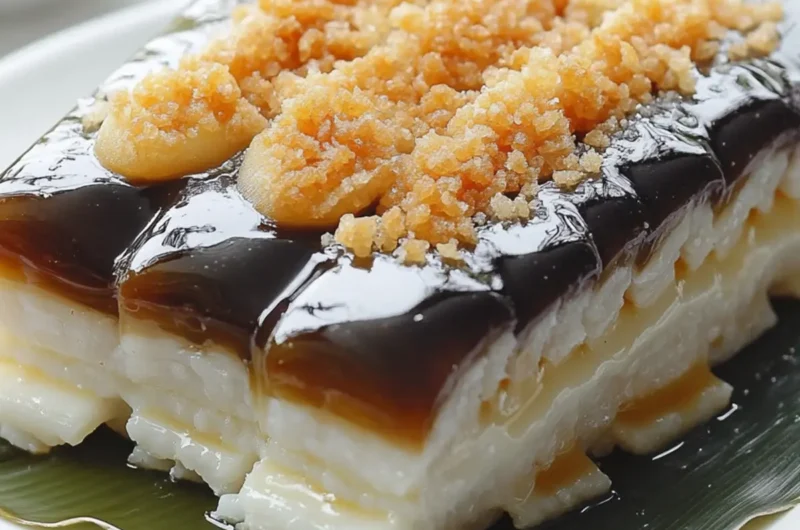
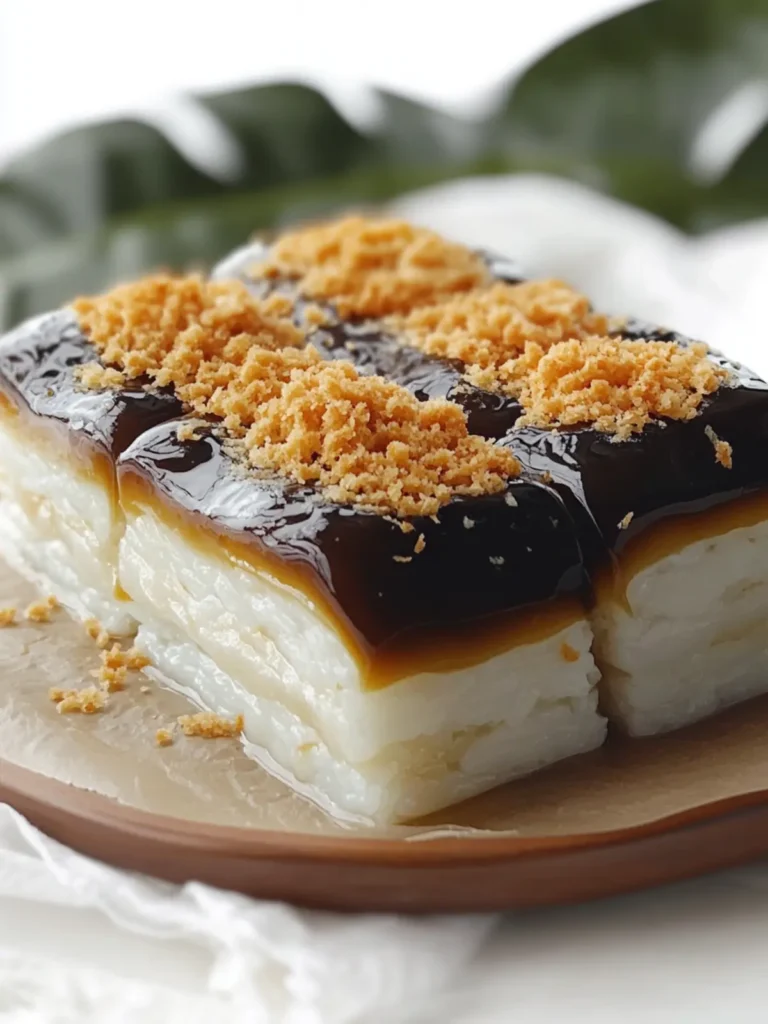
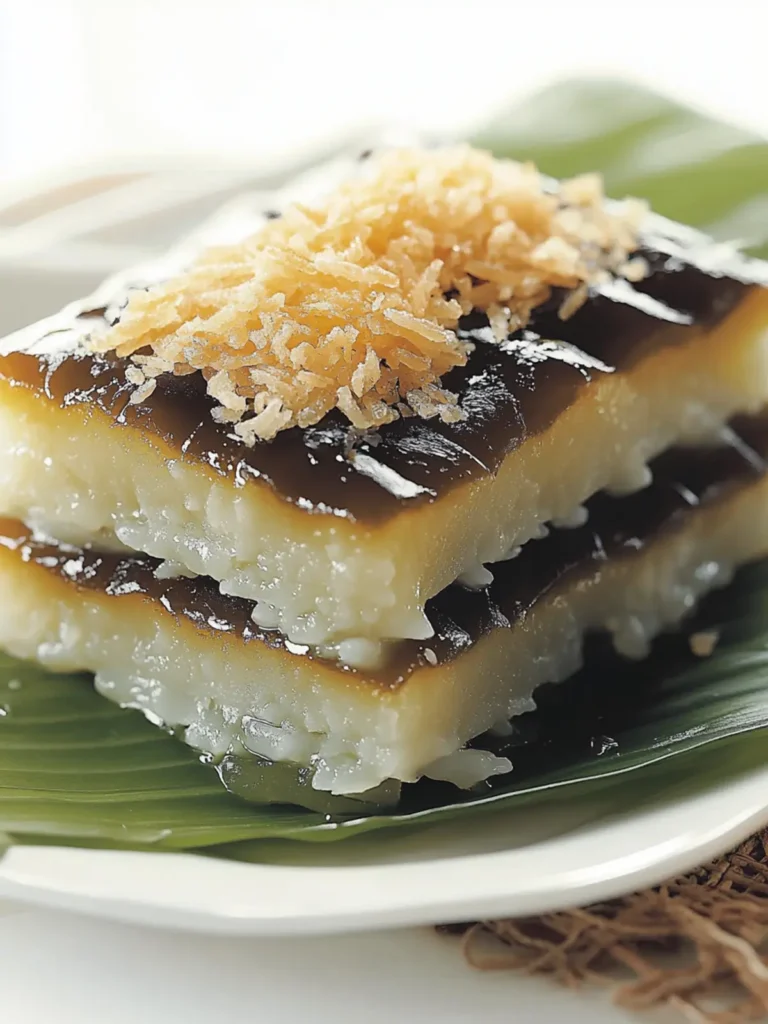
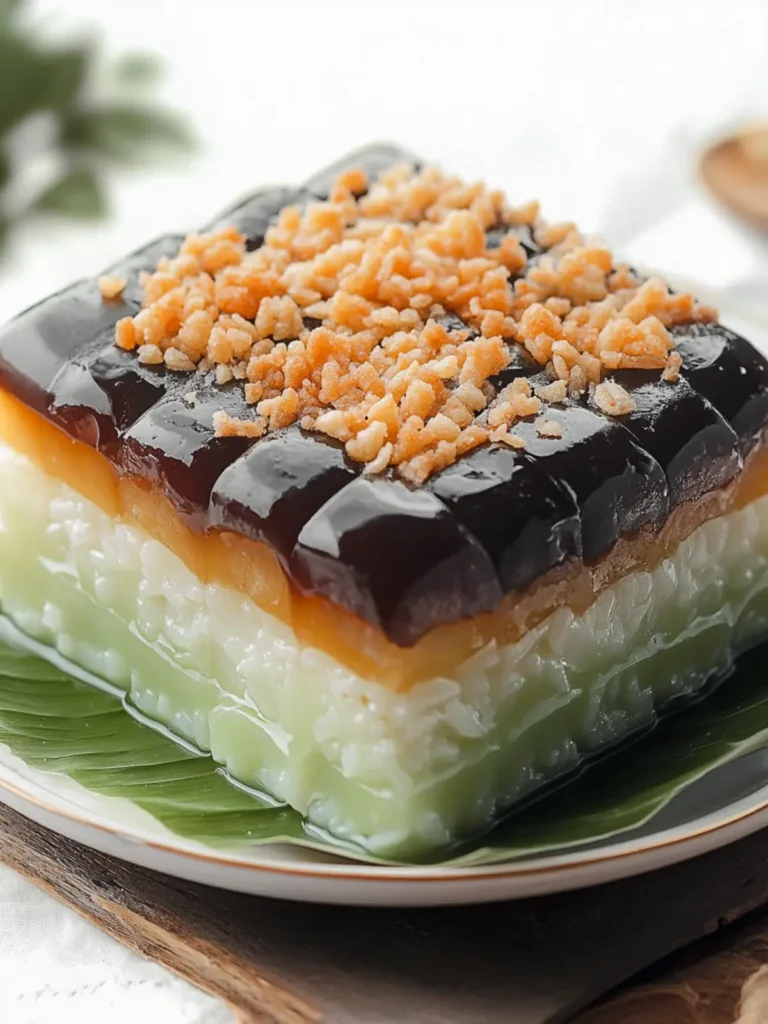
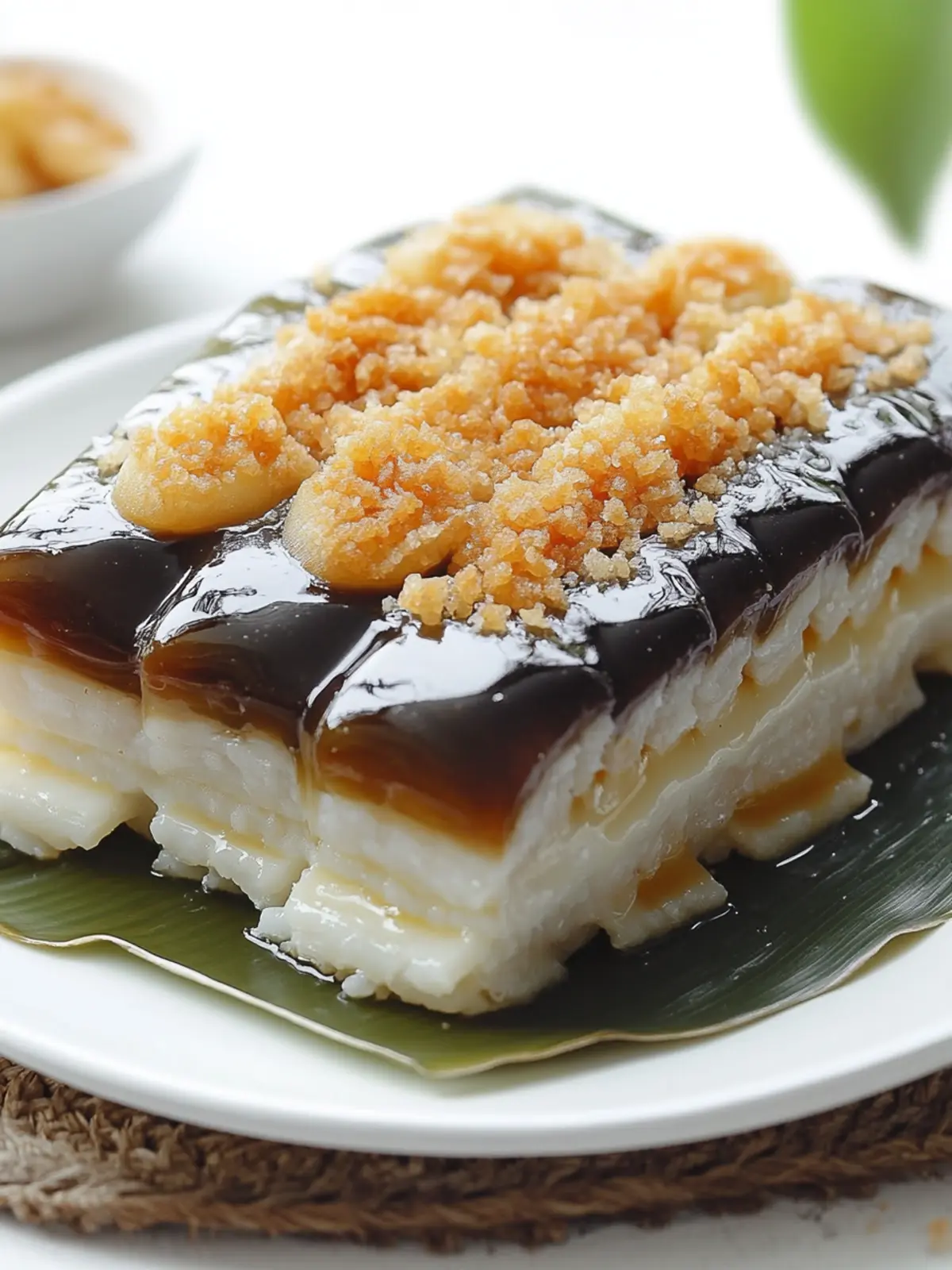
There’s something truly special about the vibrant colors and delicate flavors of Sapin-Sapin, a traditional Filipino dessert that transforms any gathering into a celebration. As I stood in my kitchen surrounded by the comforting scent of coconut, I couldn’t help but be reminded of family feasts where this layered rice cake was always the star of the table. With its soft, custard-like texture and gentle sweetness, each slice invites you to indulge in a taste of Filipino culture and togetherness. Steamed to perfection, Sapin-Sapin showcases three delightful layers of ube, jackfruit, and plain coconut, creating a feast for the eyes and palate alike.
Whether you’re looking to impress guests at a potluck or simply want to treat yourself, this gluten-free dessert is surprisingly easy to make and packed with flavor. Discover how to create this eye-catching delight in your kitchen, and let the colors of happiness fill your home with every bite!
Why is Filipino Sapin-Sapin a must-try?
Delightful layers: Each slice of this cake offers a beautiful array of flavors, with ube’s earthy sweetness, jackfruit’s tropical notes, and the creaminess of coconut all harmonizing perfectly.
Easy to make: Despite its stunning appearance, this recipe requires minimal effort, making it perfect for any home cook.
Gluten-free option: Enjoy this dessert without worry, as Sapin-Sapin is naturally gluten-free, catering to various dietary needs.
Festive presentation: The vibrant colors of this layered rice cake make it a showstopper for any celebration or family gathering.
Cultural significance: Every bite captures the essence of Filipino tradition, evoking warmth and togetherness, especially during special occasions.
Quick prep time: With steaming as the main cooking method, you can prepare this delightful dessert faster than you may think! Indulge in this easy-to-follow recipe for a fun addition to your meal, sure to impress your guests.
Filipino Sapin-Sapin Ingredients
Discover the key ingredients that bring this delightful dessert to life!
For the Cake Layers
- Glutinous Rice Flour – Provides the essential structure and chewy texture of the cake.
- Rice Flour – Enhances the lightness of the layered structure; no substitutions recommended.
- Coconut Milk – Adds rich flavor; for a lighter version, substitute with almond milk, albeit with a flavor shift.
- Coconut Cream – Essential for making latik (toasted coconut curds); use heavy cream if needed.
- White Sugar – Sweetens the batter without overwhelming flavors; brown sugar can add caramel notes.
- Vanilla Extract – Infuses depth into the flavor; almond extract can be a lovely alternative.
- Salt – Balances sweetness and brings out the flavors; no alternatives necessary.
For the Flavored Layers
- Ube Halaya (purple yam jam) – This provides the purple layer’s flavor and natural color; purple food coloring can substitute if needed.
- Jackfruit Puree – Adds tropical flavor and color to the yellow layer; fresh fruit can be used or simply omit for a plain version.
- Yellow Food Coloring – Optional for enhancing the jackfruit layer’s visual appeal, but not essential with puree.
For the Latik Topping
- Coconut Cream (for latik) – Cooked down for a delightful topping; can swap with another cream or omit if desired.
Dive into this colorful Filipino Sapin-Sapin recipe and bring the spirit of celebration to your kitchen!
How to Make Filipino Sapin-Sapin
-
Prepare Latik: In a small saucepan, simmer the coconut cream over low heat until it thickens and separates, about 15-20 minutes. Strain through a fine mesh sieve to collect the toasted curds, setting them aside for later topping.
-
Mix Batter: In a large mixing bowl, whisk together the glutinous rice flour, rice flour, sugar, and salt. Slowly pour in the coconut milk, whisking until smooth. Finally, fold in the vanilla extract for a lovely depth of flavor.
-
Divide and Color Batter: Once your batter is ready, divide it into three equal portions. Leave one portion plain, mix ube halaya into the second for that vibrant purple layer, and blend jackfruit puree into the last, adding yellow food coloring if desired.
-
Steam Layers:
- For Ube Layer: Pour the ube batter into a greased steaming pan. Steam for 15-20 minutes until set.
- For Jackfruit Layer: Carefully add the jackfruit mixture on top of the ube layer and steam for another 15-20 minutes.
- For Plain Layer: Finally, pour in the plain coconut layer and steam for 25-30 minutes until fully cooked.
- Cool and Serve: Once steamed, let your layered rice cake cool completely in the pan. Top with latik before slicing and serving at room temperature for the best flavor experience.
Optional: Serve on banana leaves for an authentic Filipino touch!
Exact quantities are listed in the recipe card below.
What to Serve with Filipino Sapin-Sapin?
To create an unforgettable meal around this vibrant layered rice cake, consider these delightful pairing options.
-
Fresh Mango Slices:
The sweet, juicy bursts of mango balance the richness of Sapin-Sapin, enhancing the overall tropical experience. -
Coconut Macaroons:
These chewy treats amplify the coconut flavor and provide an indulgent bite that harmonizes beautifully with the dessert. -
Ube Ice Cream:
Offering a creamy contrast, ube ice cream pairs perfectly, enhancing the cake’s flavors while adding a cool, refreshing touch. -
Filipino Biko:
This sweet rice cake made with coconut milk complements Sapin-Sapin in flavor and texture, making for a delightful duo on your plate. -
Pineapple Juice:
A glass of refreshing pineapple juice will invigorate your palate, perfectly cutting through the dessert’s richness. -
Latik Pancakes:
Serve thin pancakes drizzled with latik (toasted coconut curds) for an added layer of sweetness and creaminess alongside your Sapin-Sapin. -
Thai Tea:
The subtly spiced flavors of Thai tea create an excellent contrast, ensuring each bite of Sapin-Sapin feels even more special with every sip.
These pairings will not only elevate your dining experience but also celebrate the rich flavors of Filipino cuisine!
Filipino Sapin-Sapin Variations
Feel free to play around with these delightful twists that will enhance your Sapin-Sapin experience!
-
Gluten-Free: Substitute glutinous rice flour with a gluten-free blend for the same chewy texture without the gluten.
-
Pandan Flavor: Incorporate pandan extract in place of ube for a lovely green color and a fragrant, sweet layer.
-
Matcha Layer: Mix matcha powder into one of the layers for a unique green tea flavor and a beautiful contrast to the traditional colors.
-
Fruit Twists: Add mashed ripe banana or pureed mango to the batter for a fruity layer that introduces fresh, vibrant flavors.
-
Coconut Variations: Replace coconut milk with coconut yogurt for a slight tang, adding a new dimension to this special dessert.
-
Nutty Delight: Stir in finely chopped nuts, such as cashews or almonds, into the batter for delightful texture and added flavor.
-
Sweet Spice: Sprinkle a pinch of nutmeg or cinnamon into the batter to warm up the flavors and add a hint of spice.
-
Heat It Up: For an interesting twist, add a dash of chili powder or finely chopped fresh chili to one of the layers for a spicy surprise!
Explore these variations and create your unique masterpiece of Filipino Sapin-Sapin, bringing a personalized touch to this festive dessert!
Tips for the Best Filipino Sapin-Sapin
Layer Firmness: Ensure each layer is firm before adding the next to prevent colors from mixing and maintain that stunning visual effect.
Use a Cloth: Place a clean cloth under the steamer lid to absorb condensation; this prevents water droplets from ruining the layered cake’s appearance.
Cool Completely: Allow the Sapin-Sapin to cool thoroughly before slicing. A knife dipped in water will help you achieve clean, neat edges.
Ingredient Precision: Measure ingredients accurately; even a slight deviation can affect the texture of your Filipino Sapin-Sapin, compromising its delightful layers.
Steam Timing: Keep an eye on the steaming times for each layer. Over-steaming can result in a tough texture, which is not ideal for this delicate dessert.
Make Ahead Options
These delightful Filipino Sapin-Sapin layers can easily be prepped ahead for your busy schedule! You can prepare the batter for all three layers and refrigerate it up to 24 hours before steaming. To maintain the freshness and prevent browning, store the divided batters in airtight containers. When you’re ready to enjoy this stunning dessert, simply steam the prepared layers as per the recipe instructions — steam the ube layer first for 15-20 minutes, followed by the jackfruit and plain coconut layers for another 40-50 minutes total. This way, you can savor the delicious flavors of Sapin-Sapin without any last-minute rush, making for a stress-free gathering!
How to Store and Freeze Filipino Sapin-Sapin
Fridge: Store in an airtight container for up to 3 days to keep the layers fresh and prevent drying out.
Freezer: For longer storage, package the cooled Sapin-Sapin in plastic wrap followed by aluminum foil; it can be frozen for up to 2 months.
Thawing: To enjoy frozen Sapin-Sapin, transfer it to the fridge overnight to thaw. Reheat gently using a steamer for optimal texture.
Serving: Serve at room temperature to fully appreciate its delightful flavors; it makes for a lovely dessert at family gatherings or casual get-togethers!
Filipino Sapin-Sapin Recipe FAQs
What’s the best way to select ripe jackfruit for the recipe?
Choose jackfruit that’s slightly soft to the touch and emits a sweet aroma. If using canned or frozen jackfruit puree, make sure it’s free from additives and preservatives for the freshest taste.
How should I store leftover Sapin-Sapin?
Store any leftover Sapin-Sapin in an airtight container in the refrigerator for up to 3 days. To maintain its freshness and texture, keep it covered to prevent it from drying out.
Can I freeze Sapin-Sapin for later use?
Absolutely! Wrap the cooled Sapin-Sapin tightly in plastic wrap and then in aluminum foil. It can be frozen for up to 2 months. When ready to enjoy, place it in the refrigerator overnight to thaw, and then gently reheat it using a steamer for the best texture.
What should I do if my layers are mixing when steaming?
Ensure that each layer is firm before adding the next. If your layers are still mixing, you may have steamed them too early. Allow each layer to cook fully (the indicated times) before pouring in the next. A clean cloth under the lid of your steamer can also help reduce condensation dripping onto the cake.
Is this recipe suitable for those with dietary allergies?
While this Filipino Sapin-Sapin is gluten-free, if you or your guests have allergies, take care to check and use safe substitutions, such as almond milk for coconut milk or confirm all ingredients are allergen-free. It’s wise to consult with those with dietary restrictions before serving.
Can I make variations to the flavors in Sapin-Sapin?
Certainly! Feel free to experiment with flavors like pandan or matcha for different layers. If you want an alternative to ube, you might consider using purple food coloring for a vibrant visual aspect without affecting the flavor, keeping the essence of this layered rice cake delightful!
Colorful Filipino Sapin-Sapin: A Festive Layered Delight
Ingredients
Equipment
Method
- Prepare Latik: In a small saucepan, simmer the coconut cream over low heat until it thickens and separates, about 15-20 minutes. Strain through a fine mesh sieve to collect the toasted curds, setting them aside for later topping.
- Mix Batter: In a large mixing bowl, whisk together the glutinous rice flour, rice flour, sugar, and salt. Slowly pour in the coconut milk, whisking until smooth. Finally, fold in the vanilla extract for a lovely depth of flavor.
- Divide and Color Batter: Once your batter is ready, divide it into three equal portions. Leave one portion plain, mix ube halaya into the second for that vibrant purple layer, and blend jackfruit puree into the last, adding yellow food coloring if desired.
- Steam Layers: For Ube Layer: Pour the ube batter into a greased steaming pan. Steam for 15-20 minutes until set. For Jackfruit Layer: Carefully add the jackfruit mixture on top of the ube layer and steam for another 15-20 minutes. For Plain Layer: Finally, pour in the plain coconut layer and steam for 25-30 minutes until fully cooked.
- Cool and Serve: Once steamed, let your layered rice cake cool completely in the pan. Top with latik before slicing and serving at room temperature for the best flavor experience.