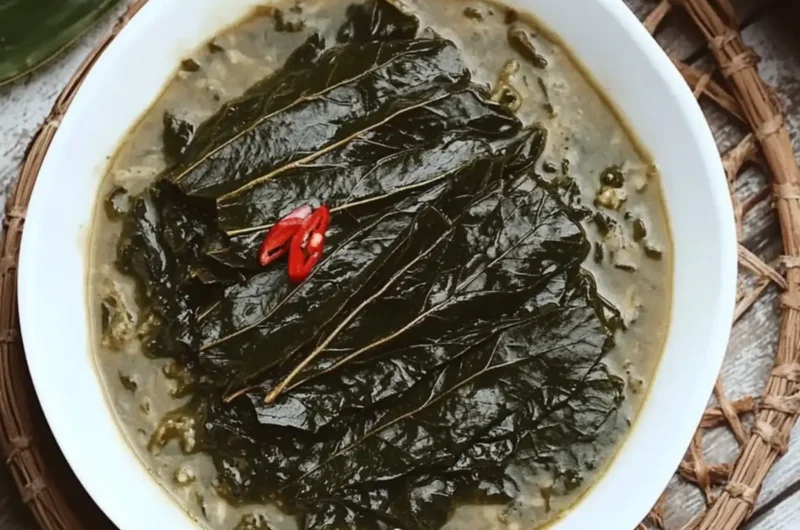
When the rainy season rolls in, there’s nothing quite like the comforting embrace of warm, hearty dishes. I remember the first time I savored Laing, a traditional dish from the Bicol region of the Philippines, filled with the rich flavors of dried taro leaves simmered in creamy coconut milk. As I took that first bite, the slight heat from the chilies intertwined perfectly with the earthy goodness of the leaves, instantly transporting me to a cozy kitchen filled with fragrant aromas.
What makes Laing special is its versatility; whether you’re indulging in the meaty version with tender pork or opting for a vegetarian twist, it embodies the heart of Filipino cuisine. With simple yet delightful ingredients coming together in a slow-cooked dance, this dish promises an authentic taste of home that anyone can recreate. Join me in preparing this beloved dish, and let’s celebrate the magic of comforting, homemade meals that resonate with tradition and flavor.
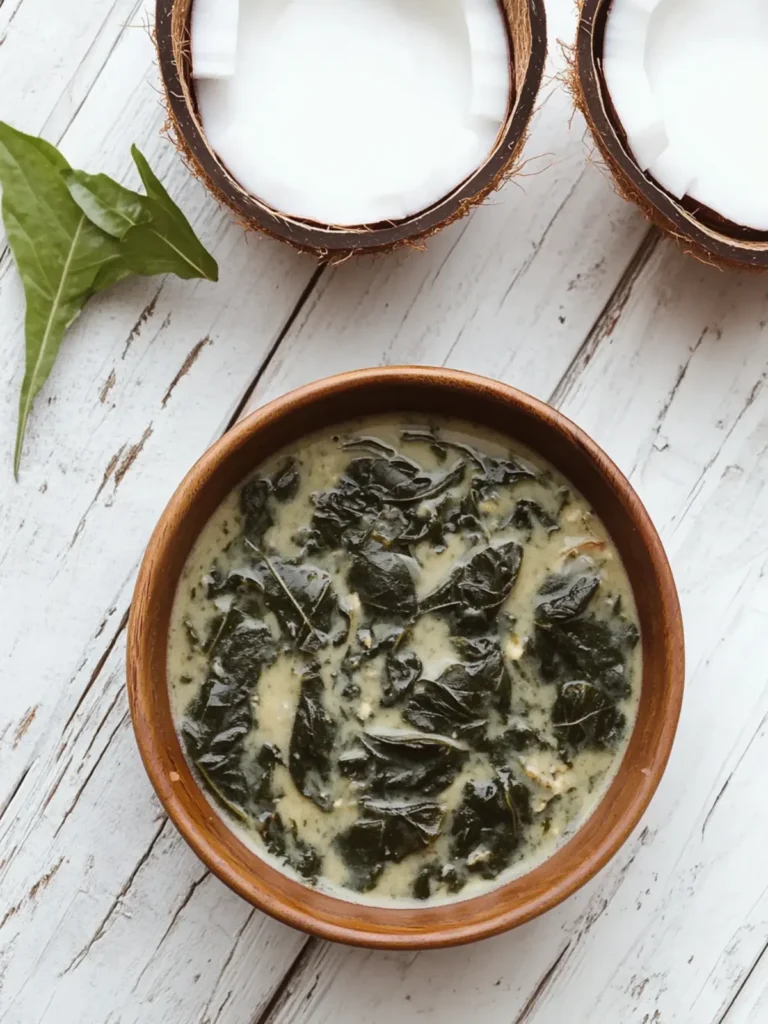
Why is Filipino Laing so special?
Authenticity shines through every bite of this dish, connecting you to Filipino culinary roots.
Creamy texture from coconut milk makes it irresistibly comforting.
Versatile options allow everyone to find their favorite version, whether meaty or vegetarian.
Flavor bomb: The unique blend of spices and ingredients brings a delightful heat and earthiness.
Crowd-pleaser: Perfect for gatherings, people of all ages will adore it.
Looking for more Filipino classics? Check out our traditional Filipino recipes.
Filipino Laing Ingredients
• Discover the deliciousness that makes Filipino Laing a heartwarming dish!
For the Base
- Dried Taro Leaves (Gabi Leaves) – The star of the dish; ensures they’re grit-free, and avoid washing to prevent itchiness.
- Thick Coconut Milk – Creates a rich, creamy sauce; a lighter version can be made with reduced-fat coconut milk.
- Thin Coconut Milk – Adds moisture and flavor in the initial cooking phase.
- Pork Belly – Delivers savory depth; mushrooms make a great vegetarian substitute.
- Dried/Smooth Fish (Tinapa) – Contributes umami flavor; it can be omitted for vegetarian Laing.
For the Aromatics
- Red Chillies – Infuses heat; adjust the amount based on your spice tolerance.
- Garlic – Fresh is best for enhancing flavors; swap with garlic powder if needed.
- Shallots – Imparts a mild sweetness; onion can be used if shallots aren’t available.
- Fresh Ginger – Adds warmth and a snapshot of authentic flavor; don’t skip this ingredient!
For Seasoning
- Shrimp Paste (Bagoong Alamang) – Provides a salty, umami punch; can be omitted for vegetarian options.
- Salt & Ground Black Pepper – Essential for balancing flavors; adjust these to taste.
How to Make Filipino Laing
-
Prep Taro Leaves: Gently wipe the dried taro leaves with a dry cloth to remove any grit. It’s important not to wash them directly to prevent itchiness from the sap.
-
Cook Base: In a deep pan, combine thin coconut milk, minced garlic, shallots, sliced ginger, shrimp paste, diced pork belly, and dried fish (if using). Bring to a gentle simmer over medium heat for about 10 minutes.
-
Add Taro Leaves: Carefully place the dried taro leaves on top of the simmering mixture without stirring. Let them steam and soften for around 15 minutes.
-
Add Thick Coconut Milk: Pour in the thick coconut milk along with whole red chillies. Continue to simmer uncovered for 20-30 minutes, stirring gently to ensure everything is blended.
-
Season: Taste the dish and season with salt, pepper, and additional chillies according to your heat preference.
-
Finish Cooking: Allow the dish to cook until the sauce thickens and the oil starts to surface, ensuring the taro leaves are tender to the bite.
-
Serve: Dish up hot alongside steamed rice. For that authentic Bicol experience, serve your Laing in a shallow clay pot.
Optional: Garnish with fresh herbs for an added burst of flavor.
Exact quantities are listed in the recipe card below.
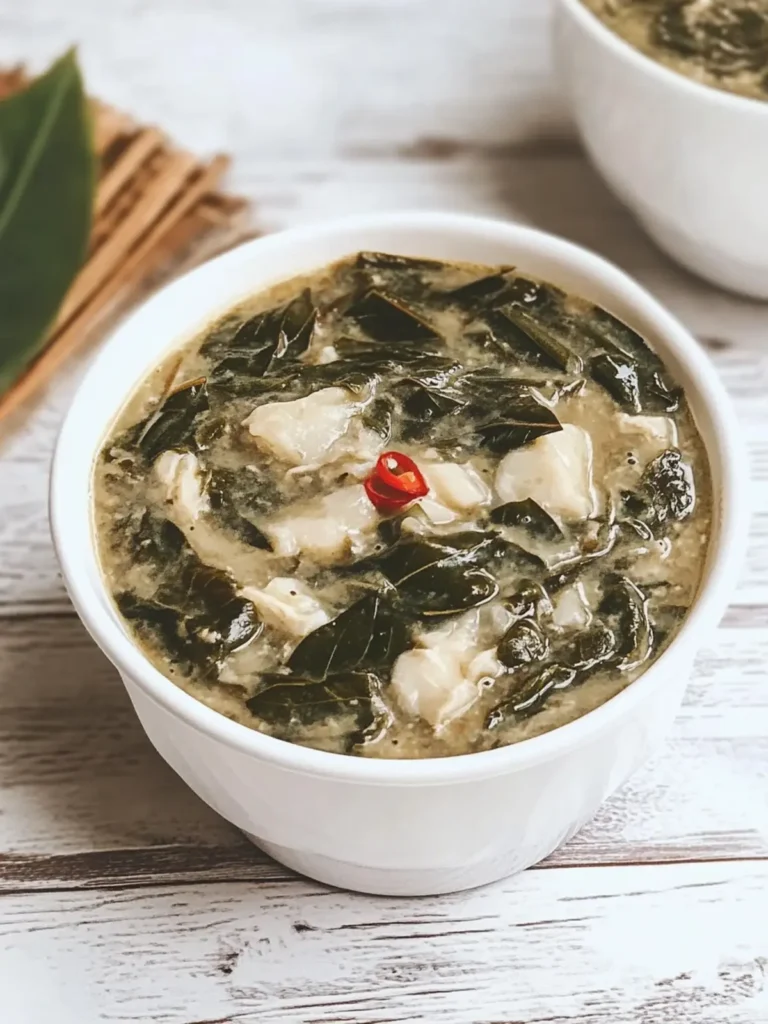
What to Serve with Filipino Laing?
When it comes to creating a complete meal, pairing flavors and textures is key to enhancing your dining experience.
-
Steamed Jasmine Rice: The fluffy, fragrant rice serves as the perfect canvas, soaking up the rich, creamy sauce of the Laing.
-
Grilled Chicken or Pork: Smoky, charred meats complement the dish’s earthy flavors, adding a delightful contrast to the richness of the coconut milk.
-
Fresh Cucumber Salad: Crisp and refreshing, this salad brings brightness to your plate, balancing the velvety Laing beautifully.
-
Fried Plantains: Sweet and slightly caramelized, fried plantains provide a deliciously sweet counterpoint to the savory warmth of the Laing.
-
Lemon or Calamansiade: A tangy drink not only refreshes but also juxtaposes the creamy flavors of the dish, enhancing each bite with citrusy brightness.
-
Sinigang Soup: The sour notes of this traditional Filipino soup provide an exciting contrast, making every spoonful of Laing feel vibrant and different.
-
Mango Sago Dessert: End your meal on a sweet note with this creamy dessert, which echoes the tropical essence found in Laing.
-
Pineapple Chunks: Juicy pineapple adds a tropical flair and a hint of acidity that cuts through the richness of the coconut milk.
Expert Tips for Perfect Filipino Laing
-
Choose Quality Leaves: Select dried taro leaves that are vibrant in color and free from any signs of grit. This ensures a flavorful and authentic Filipino Laing.
-
Don’t Rush It: Allow ample time for slow cooking; rich flavors develop when you simmer gently, making your dish taste truly homemade.
-
Be Mindful of Sap: Avoid stirring the taro leaves initially to prevent irritation from the sap. Let them steam undisturbed for the best results.
-
Adjust the Heat: Tailor the number of red chillies based on your spice tolerance. Taste as you go for the perfect kick in your Laing.
-
Coconut Milk Matters: Opt for full-fat coconut milk for a creamier sauce. If you’re keeping it lighter, reduce-fat coconut milk still works but may yield a different texture.
Make Ahead Options
These Filipino Laing dishes are perfect for meal prep enthusiasts! You can prepare the base of the dish, including the coconut milk mixture, and the aromatics up to 24 hours in advance. Simply combine the thin coconut milk, garlic, shallots, ginger, shrimp paste, pork belly (or mushrooms for a vegetarian option), and dried fish in an airtight container and refrigerate. When you’re ready to serve, reheat the mixture on the stovetop, add the dried taro leaves, and finish cooking by pouring in the thick coconut milk and simmering. This approach ensures that the flavors meld beautifully while saving you precious time on busy weeknights, making your Filipino Laing just as delicious as if it were freshly made!
How to Store and Freeze Filipino Laing
-
Fridge: Store leftovers in an airtight container for up to 3 days. The flavors of the Filipino Laing deepen and meld beautifully when reheated.
-
Freezer: You can freeze Laing in an airtight container for up to 2 months. Allow it to cool completely before sealing to preserve texture and flavor.
-
Reheating: Thaw overnight in the fridge, then gently reheat on the stove over low heat, adding a splash of thin coconut milk if needed to restore creaminess.
-
Avoid Room Temperature: To maintain freshness and prevent bacteria growth, do not leave Laing at room temperature for more than 2 hours.
Filipino Laing Variations
Feel free to play with the flavors and textures of this delightful dish, making it your own!
- Vegetarian: Substitute pork belly with hearty mushrooms like shiitake or portobello for a savory, satisfying twist.
- Fresh Greens: Use fresh spinach or collard greens instead of dried taro leaves for a lighter, vibrant version that’s just as tasty.
- Spicy Kick: Increase the heat by tossing in more red chillies or add a pinch of chili flakes for an extra punch.
- Coconut Infusion: Enhance the coconut flavor with a splash of coconut cream for a richer, creamier sauce that’s hard to resist.
- Seafood Delight: Toss in some fresh shrimp or squid for a fresh seafood twist that complements the dish beautifully.
- Fruitiness: Add a touch of sweetness with diced mango or pineapple to balance the savory notes and bring a tropical flair.
- Nutty Finish: A sprinkle of toasted coconut or crushed peanuts on top adds a delightful crunch and additional flavor to each bite.
- Umami Boost: Incorporate a dash of fish sauce or soy sauce for a deeper umami flavor that enhances the overall taste profile.
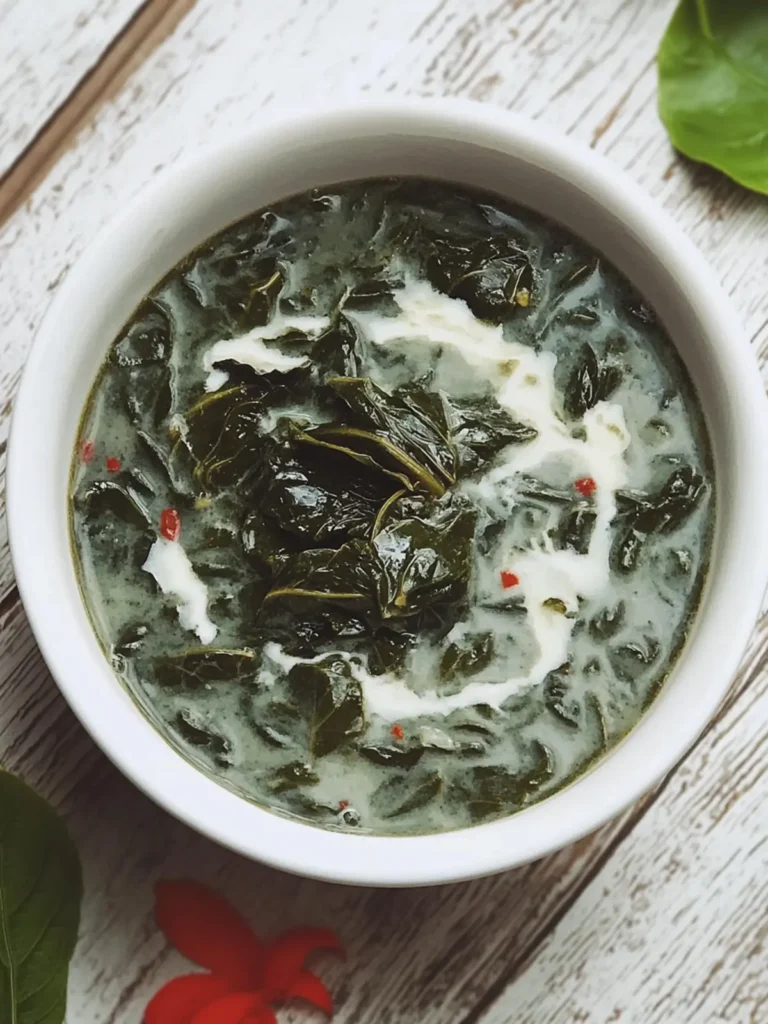
Filipino Laing (Taro Leaves in Coconut Milk) Recipe FAQs
What should I look for when choosing dried taro leaves?
When selecting dried taro leaves, ensure they are vibrant in color and free from any signs of grit or dark spots. Avoid washing them directly to prevent irritation from the sap. Instead, gently wipe them with a dry cloth to remove any impurities. This way, you’ll enjoy the best texture and flavor in your Filipino Laing.
How can I store leftovers of Filipino Laing?
You can store leftover Filipino Laing in an airtight container in the fridge for up to 3 days. The flavors actually meld together beautifully upon reheating. Just remember that it’s essential not to leave it at room temperature for more than 2 hours to avoid bacteria growth.
Can I freeze Filipino Laing? How should I do it?
Absolutely! You can freeze Filipino Laing in an airtight container for up to 2 months. Make sure to let it cool completely before sealing. When you’re ready to enjoy it again, thaw it overnight in the refrigerator and gently reheat on the stove over low heat, adding a splash of thin coconut milk if needed to restore its creamy texture.
What if my Laing is too thick or too spicy?
If you find your Laing too thick, simply add a little more thin coconut milk or water while reheating. For those who accidentally added too many red chillies, you can balance the heat by stirring in a small amount of sweetener, such as sugar or honey, or serve it alongside a cooling side dish like cucumber salad.
Is Filipino Laing suitable for vegetarians?
Yes! To make a vegetarian version of Filipino Laing, simply replace the pork belly with mushrooms or other vegetables. You can also omit the shrimp paste without sacrificing too much flavor. For that extra umami, consider adding a splash of soy sauce or miso instead.
Can I use fresh taro leaves instead of dried ones?
Using fresh taro leaves is possible, but they require a different preparation method. If you choose fresh leaves, make sure to wash and prepare them properly to remove any irritants. Typically, you would need about twice the weight of fresh leaves compared to dried, and remember to boil them separately before adding to your mixture.
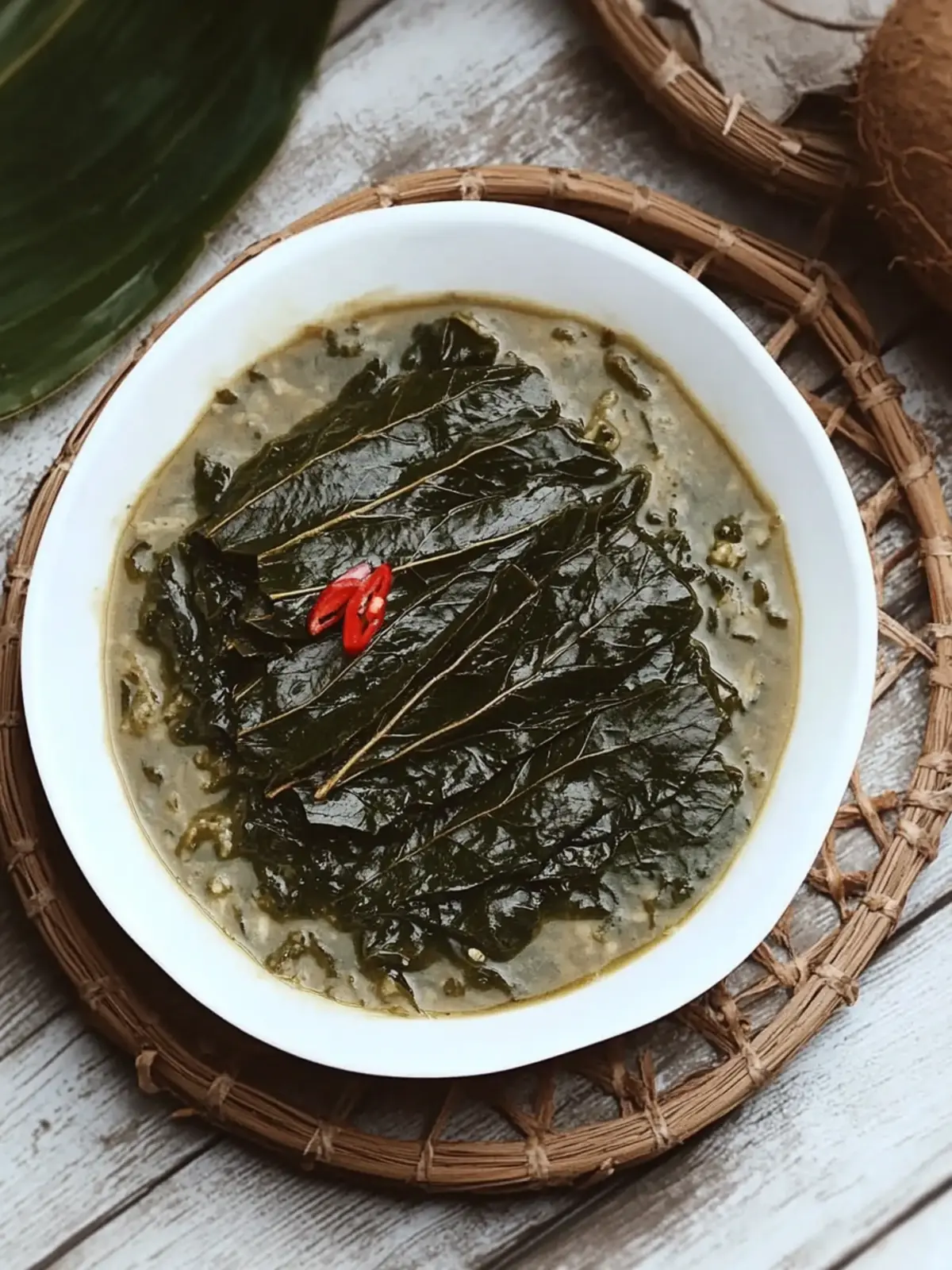
Delicious Filipino Laing: Taro Leaves in Creamy Coconut Milk
Ingredients
Equipment
Method
- Gently wipe the dried taro leaves with a dry cloth to remove any grit, without washing them directly.
- In a deep pan, combine thin coconut milk, minced garlic, shallots, sliced ginger, shrimp paste, diced pork belly, and dried fish (if using). Bring to a gentle simmer for about 10 minutes.
- Carefully place the dried taro leaves on top of the simmering mixture without stirring. Let them steam for around 15 minutes.
- Pour in the thick coconut milk along with whole red chillies. Continue to simmer uncovered for 20-30 minutes, stirring gently.
- Taste the dish and season with salt, pepper, and additional chillies according to your heat preference.
- Allow the dish to cook until the sauce thickens and oil starts to surface, ensuring the taro leaves are tender.
- Dish up hot alongside steamed rice, and serve in a shallow clay pot for an authentic experience.