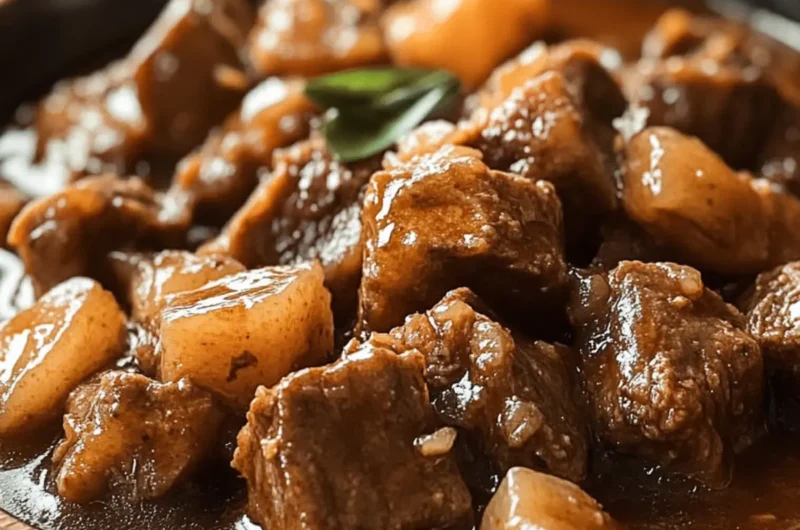
As I stepped into my kitchen today, the familiar, cozy aroma of garlic and soy sauce enveloped me, instantly transporting me to family gatherings where laughter and delicious food filled the air. Filipino Adobo, a classic marinated meat stew, is more than just a dish; it’s a heartfelt embrace on a plate, showcasing the rich culinary heritage of the Philippines. With its beautiful balance of tangy vinegar, savory soy sauce, and the warmth of garlic, this comfort food speaks to the soul.
Whether you choose succulent chicken or tender pork, this recipe adapts effortlessly to suit your cravings and invites creativity—feel free to add coconut milk for a delightful twist or even toss in seasonal vegetables for extra nourishment. If you’re yearning for a dish that brings family and friends together, look no further than this traditional Filipino Adobo. Grab your apron, and let’s create some magic together!
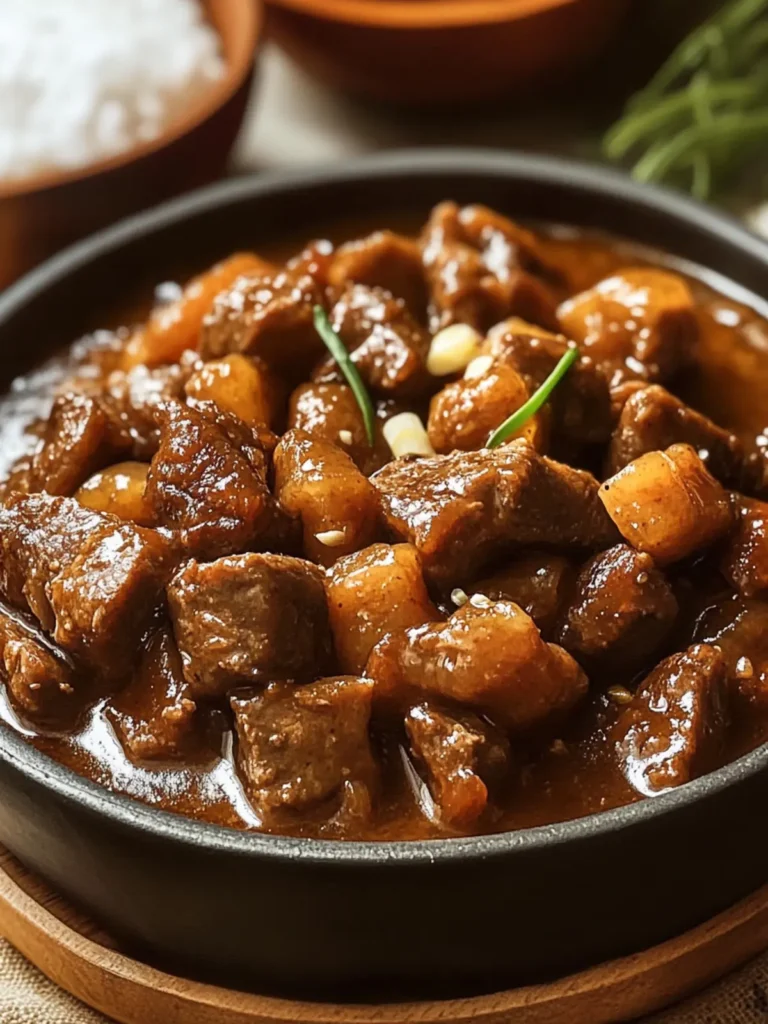
Why is Filipino Adobo a must-try?
Comforting flavors come together in a harmonious stew that warms the heart and fills the belly. Endless variations allow you to customize this dish based on personal taste or dietary needs. Quick preparation means you can enjoy a homemade meal even on busy weeknights. Rich in history, this traditional recipe offers a glimpse into Filipino culture and family traditions. You’ll want to share this with loved ones, and for more ideas on personalizing this dish, check out my creative variations.
Filipino Adobo Ingredients
• Dive into the essentials for crafting this beloved marinated meat stew!
For the Meat
- Chicken thighs and drumsticks or pork belly – Choose chicken for a lighter meal or pork for a richer, more flavorful option that highlights the essence of Filipino Adobo.
For the Marinade
- Garlic – Minced to integrate quickly into the stew and elevate the overall aroma.
- Soy sauce – Introduces umami richness; opt for low-sodium soy sauce to keep it balanced.
- Vinegar – A critical component for tanginess and tenderizing meat; white or cane vinegar is the most authentic choice.
For Aromatics
- Bay leaves – Impart earthy notes; remember to remove them after cooking for a cleaner dish.
- Black peppercorns – Add warmth and depth; crush lightly to release their flavor.
For Sweetness
- Sugar – An optional addition that can cut through the acidity; adjust based on your preferred taste.
For Cooking
- Water or chicken broth – Provides the necessary moisture for braising; chicken broth enhances the overall flavor profile.
- Cooking oil – Used for searing the meat, which adds depth to this rich stew.
For Serving
- Steamed jasmine or garlic rice – The perfect side for soaking up the delicious sauce of the Filipino Adobo.
- Sliced green onions or fried garlic chips – Optional garnishes that bring freshness and a delightful crunch to the dish.
With these Filipino Adobo ingredients ready to go, you’re all set to embark on a flavorful cooking adventure that will surely become a family favorite!
How to Make Filipino Adobo
-
Marinate Meat: In a large bowl, combine your choice of chicken or pork with soy sauce, minced garlic, and half of the vinegar. Cover this aromatic mixture and refrigerate for at least 1 hour or, for maximum flavor, overnight.
-
Prepare Aromatics: While the meat is marinating, take a moment to crush the black peppercorns and arrange the bay leaves. This preparation will enhance the stew’s overall aroma.
-
Sear Meat: Heat a splash of cooking oil in a pot over medium heat. Remove the marinated meat and sear until it’s beautifully browned on all sides, about 3-4 minutes for each side. This step is crucial for depth of flavor!
-
Combine Ingredients: Pour in the reserved marinade, bay leaves, and the remaining vinegar. Stir gently to combine all the delicious components, allowing the flavors to mingle.
-
Simmer: Add enough water or chicken broth until the meat is about two-thirds submerged. Bring the mixture to a gentle boil, then reduce the heat. Cover and let it simmer for 30-40 minutes, stirring occasionally until the meat is tender.
-
Adjust Flavors: Give the stew a taste about halfway through cooking. Feel free to adjust the saltiness or sweetness to your liking. If you prefer a thicker sauce, uncover the pot for the final 10 minutes to let it reduce.
-
Serve: Once it’s done cooking, garnish the Filipino Adobo with sliced green onions or crispy garlic chips for a pop of color and texture. Serve it over warm, fluffy rice.
Optional: Add a sprinkle of fresh herbs for an extra touch of brightness.
Exact quantities are listed in the recipe card below.
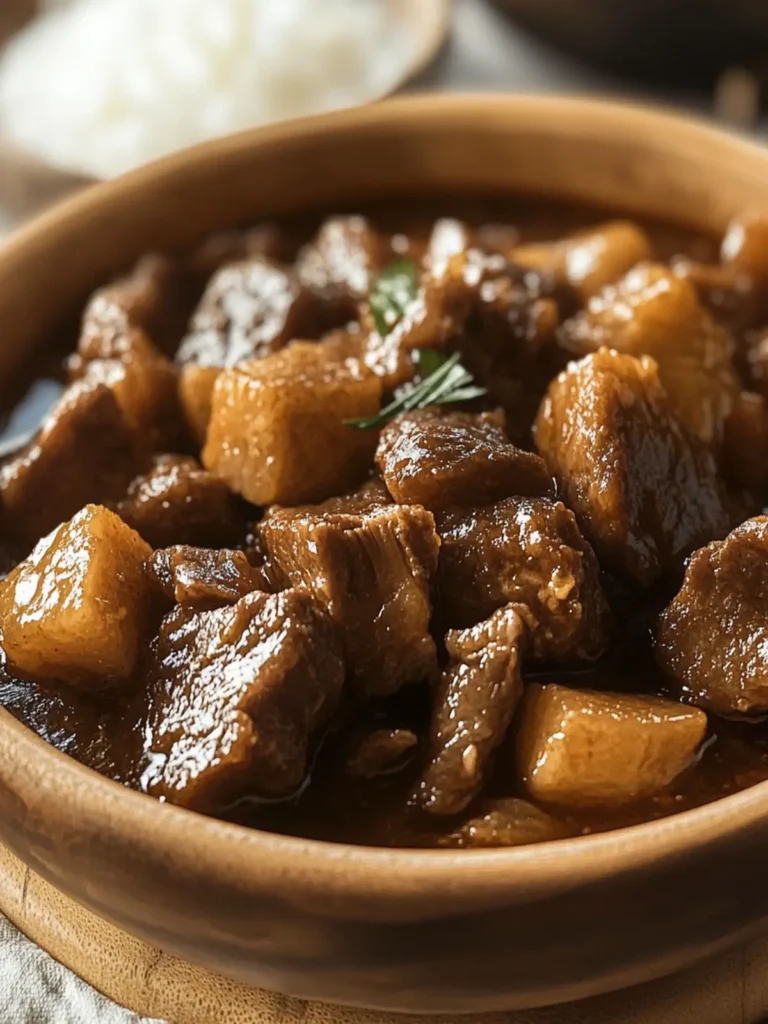
Expert Tips for Filipino Adobo
-
Marination Matters: Longer marinating times deepen flavor significantly. Aim for at least 1 hour, but overnight is even better for a rich taste.
-
Searing Technique: Don’t overcrowd the pot; sear the meat in batches. This ensures even browning and rich flavor development.
-
Adjust Gradually: Taste your adobo as it simmers. Adjust the saltiness or sweetness gradually to cater to your preferences for the perfect Filipino Adobo.
-
Thicker Sauce: For a more indulgent sauce, uncover the pot during the last 10 minutes and let it reduce to your desired consistency.
-
Creative Enhancements: Experiment with adding coconut milk, vegetables, or spices for a unique twist on this classic marinated meat stew.
Make Ahead Options
These Filipino Adobo preparations are perfect for busy weeknights! You can marinate the meat, combining it with soy sauce, garlic, and vinegar, up to 24 hours in advance—this not only saves time but also allows the flavors to penetrate deeper for an even tastier dish. The marinated meat can be stored in the refrigerator until you’re ready to sear and simmer. When you’re set to finish the dish, simply sear the meat and follow the regular cooking steps. For the best quality, keep the cooked Adobo in the fridge for up to 3 days, as it often tastes even better the next day. Enjoy restaurant-quality Filipino Adobo with minimal effort by prepping ahead!
What to Serve with Filipino Adobo?
Let the sumptuous flavors of this marinated meat stew guide you toward a delightful meal experience.
- Steamed Jasmine Rice: A classic pairing that perfectly absorbs the rich, savory sauce, bringing every bite to life.
- Garlic Rice: Infused with fragrant garlic, this lightly seasoned rice enhances the flavors of the adobo, offering a satisfying garlicky kick.
- Pickled Papaya (Atchara): This tangy and crunchy side cuts through the richness of the adobo, balancing the meal beautifully.
- Fresh Tomato Salad: Juicy tomatoes with a sprinkle of salt and pepper provide a refreshing contrast. Their bright acidity complements the dish’s depth.
- Roasted Vegetables: Caramelized veggies add sweetness and texture, providing nutritious variety alongside the flavorful stew.
- Coconut Milk Rice: For an indulgent twist, cook your rice with coconut milk for a creamy undertone that pairs wonderfully with adobo.
- Mango Chutney: The sweetness and slight tang of mango chutney make for an exciting contrast, emphasizing the savory notes of the adobo.
- Beer or Iced Tea: To wash it all down, a light beer or sweetened iced tea can offer a refreshing lift that complements the meal’s flavors.
- Fried Tofu: For a vegetarian twist, crispy fried tofu adds a protein-rich option that soaks up the adobo sauce beautifully.
- Flan or Leche Flan: End your meal on a sweet note with this creamy dessert, offering a delightful contrast to the savory main dish.
Filipino Adobo Variations
Feel free to get creative with this beloved recipe—there are so many delicious twists to explore!
-
Coconut Milk: Add creamy coconut milk for a rich, tropical twist found in Bicolano Adobo.
-
Vegetable Medley: Toss in chopped potatoes, carrots, or bell peppers to enhance texture and nutrition. It’s a wholesome way to brighten up the dish!
-
Sweet & Spicy: Introduce a splash of pineapple juice or chopped chili peppers for a sweet and spicy kick.
-
Herb Infusion: Fresh basil or cilantro can be added at the end for a burst of freshness and vibrant flavor.
-
Star Anise: For a unique aromatic twist, include a star anise during simmering for an exotic depth.
-
Soy Sauce Substitute: Use tamari for a gluten-free option that retains the rich umami flavor without compromise.
-
Earthy Mushrooms: Add shiitake or button mushrooms for an earthy richness that melds beautifully with the dish.
-
Annatto Oil: Embrace the Cavite version by using annatto oil to give your Adobo a vivid color and a distinctive flavor profile.
How to Store and Freeze Filipino Adobo
Fridge: Store leftover Filipino Adobo in an airtight container for up to 3 days. It often enjoys a flavor boost as it sits, making day-old Adobo a delightful option!
Freezer: If you want to save it for later, freeze Filipino Adobo in freezer-safe containers for up to 3 months. Thaw it in the fridge overnight before reheating.
Reheating: Reheat the Adobo on the stovetop over low heat, adding a splash of broth or water to restore moisture. Stir occasionally until heated through.
Airtight Storage: Ensure that your containers are tightly sealed to keep the flavors fresh and prevent freezer burn, so your Adobo stays delicious!

Filipino Adobo Recipe FAQs
What type of meat is best for making Filipino Adobo?
Absolutely! You can use either chicken, particularly thighs and drumsticks for tenderness, or pork belly for a richer flavor. Each offers a unique take on the dish, so feel free to experiment depending on your preferences!
How do I store leftover Filipino Adobo?
Store any leftover Filipino Adobo in an airtight container in the refrigerator for up to 3 days. It’s wonderful how the flavors deepen overnight, making day-old Adobo an even more delicious option for your next meal!
Can I freeze Filipino Adobo?
Yes! To freeze, transfer your cooled Adobo into freezer-safe containers or heavy-duty freezer bags. It can be stored for up to 3 months. For reheating, simply thaw it overnight in the refrigerator. When ready, heat it gently on the stovetop, adding a splash of broth or water to restore moisture.
What should I do if my Adobo is too salty?
If your Filipino Adobo turns out too salty, don’t fret! You can balance the flavor by adding a little sugar or increasing the quantity of broth or water during the simmering process. Another option is to toss in some chopped potatoes or carrots, which will absorb excess saltiness as they cook.
Can I make Filipino Adobo vegetarian?
Very much so! To create a vegetarian or vegan version of Filipino Adobo, substitute the meat with hearty veggies like mushrooms, eggplant, or tofu. Adjust the marinating ingredients accordingly to ensure they infuse flavors before cooking. You could also use vegetable broth for added depth.
How do I recognize if the vinegar has gone bad?
Make sure to check for any off odors, cloudy appearance, or unusual colors in the vinegar. Vinegar typically has a long shelf life due to its acidic nature, but if you notice any dark spots or it smells sour in a way that deviates from its normal tangy scent, it’s best to discard it.
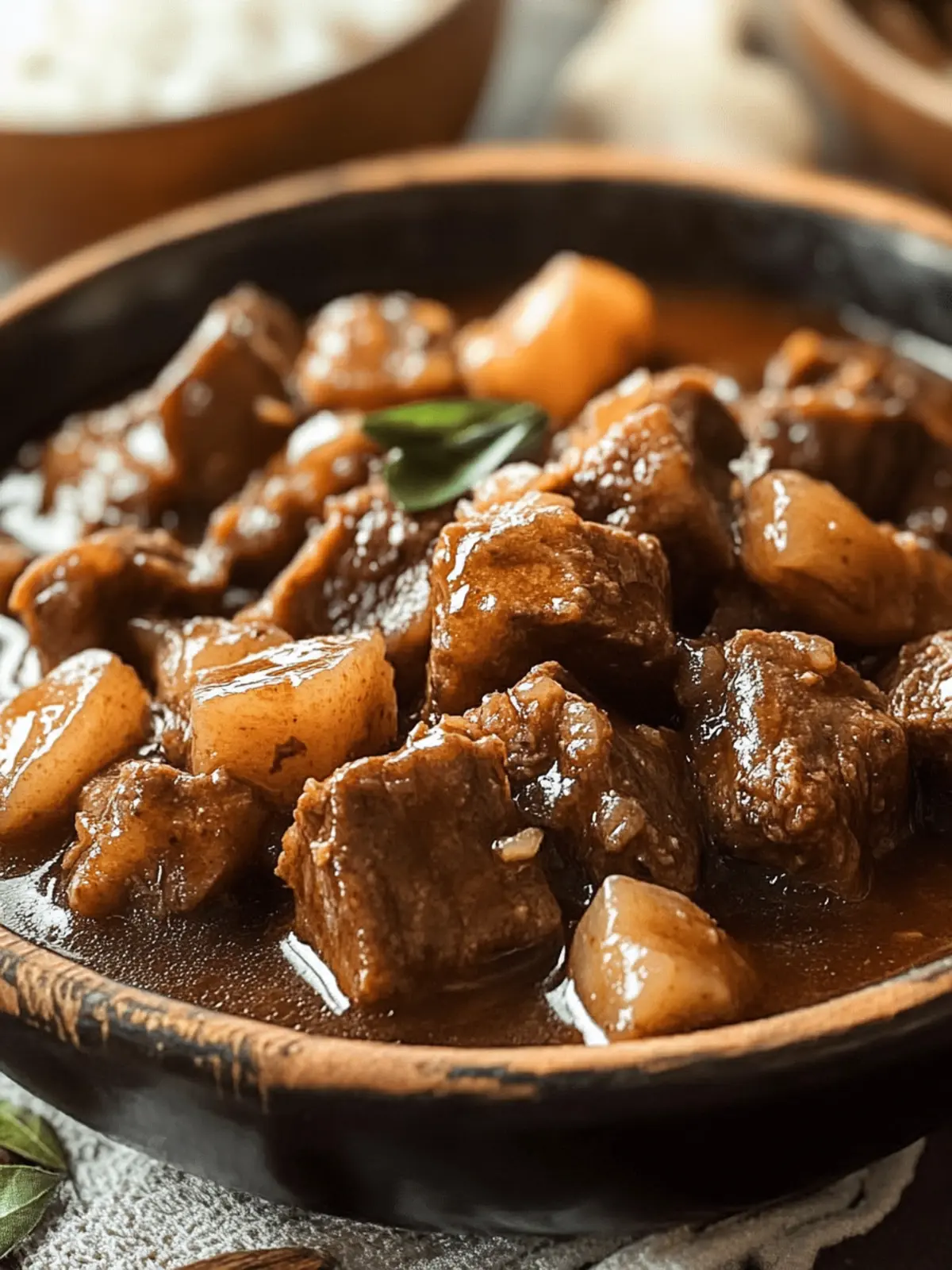
Savory Filipino Adobo: Your Ultimate Comfort Food Stew
Ingredients
Equipment
Method
- Marinate Meat: In a large bowl, combine chicken or pork with soy sauce, minced garlic, and half of the vinegar. Cover and refrigerate for at least 1 hour or overnight.
- Prepare Aromatics: Crush black peppercorns and arrange bay leaves.
- Sear Meat: Heat cooking oil in a pot. Remove marinated meat and sear until browned on all sides, about 3-4 minutes each side.
- Combine Ingredients: Pour in reserved marinade, bay leaves, and remaining vinegar. Stir gently.
- Simmer: Add enough water or chicken broth until meat is about two-thirds submerged. Bring to boil, reduce heat, and cover to simmer for 30-40 minutes.
- Adjust Flavors: Taste halfway through cooking and adjust saltiness or sweetness as desired.
- Serve: Garnish with sliced green onions or garlic chips and serve over rice.