
As the rain gently tap dances on my window, the craving for something warm and comforting strikes me with a familiar pang. That’s when I find myself reaching for my treasured Binignit recipe. This delightful Filipino fruit and tuber stew, cooked in luscious coconut milk, transforms any gloomy day into a cozy culinary experience. Each spoonful offers a creamy sweetness, bursting with vibrant colors and tantalizing textures that remind me of family gatherings and childhood afternoons spent at grandma’s kitchen table.
The magic of Binignit lies in its versatility, making it not just a delicious meryenda (snack) but also a chic option for breakfast. Whether you’re in need of an effortless recipe to impress friends or a fulfilling treat to brighten your day, this Binignit recipe is your answer. With ingredients like sweet potatoes, ripe jackfruit, and chewy tapioca pearls, it’s a dish that brings the warmth of the tropics right to your home. Are you ready to savor its comfort? Let’s dive into the easy steps to create this enchanting dish!
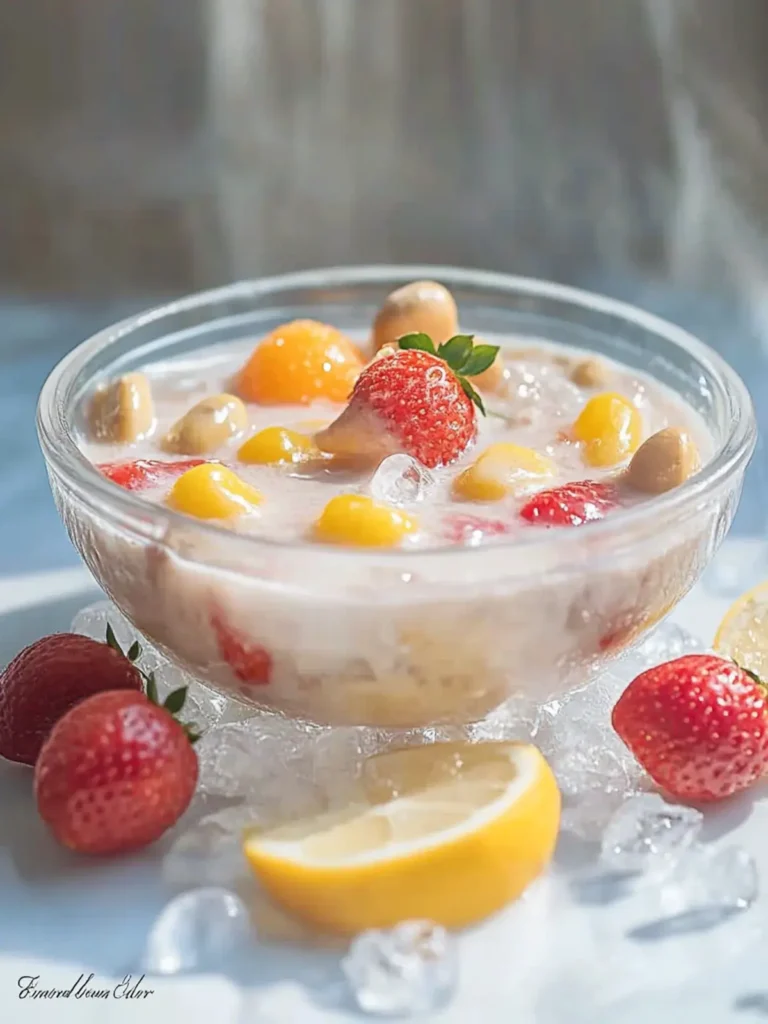
Why is Binignit Recipe a Must-Try?
Comforting and Versatile: Binignit is not just a delightful dessert; it’s a heartwarming meryenda that can double as breakfast, giving you options for any time of the day.
Simple Preparation: The recipe involves easy steps that even novice cooks can master quickly, making it perfect for home chefs looking to try something new.
Tropical Twist: With its creamy coconut milk base and vibrant fruits, this dish transports you to the Philippines with every bite.
Nutritional Benefits: Packed with vitamins from the variety of fruits and root vegetables, it offers a delicious way to savor healthy ingredients.
Crowd-Pleasing Appeal: Binignit’s colorful presentation and unique flavors are sure to impress your family and friends when served at gatherings.
For a delightful morning option, consider serving it alongside some freshly baked bread or explore more comforting dishes in my other recipes!
Binignit Recipe Ingredients
• Dive into the tropical flavors!
For the Stew
- Medium Sweet Potato – Adds sweetness and a soft texture when cooked. Can be substituted with regular potatoes.
- Medium Purple Yam – Contributes color and a unique earthy flavor. Swap with regular yam if unavailable.
- Saba Banana – Provides sweetness and contributes to the dish’s consistency. No direct substitute, but plantains can be considered.
- Ripe Jackfruit – Adds a fruity texture and sweetness. Canned jackfruit can be a substitute.
- Medium Gabi (Taro) – Contributes a starchy texture. Regular potatoes can be used in its absence.
- Coconut Milk – Forms the creamy base of the stew. Light coconut milk can be used for a lower fat version.
- Water – Adjusts the consistency of the stew. Can be replaced with additional coconut milk for a richer flavor.
For Sweetness and Texture
- Muscovado Sugar – Sweetens the dish with a deep caramel flavor, enhancing the Binignit recipe’s warmth. Brown sugar can be used as an alternative.
- Tapioca Pearls – Improves texture; must be prepared ahead of time. Sago pearls are a direct alternative, while omitting them will also work in a pinch.
- Glutinous Rice Flour – Used to thicken; this can be replaced with cornstarch for a gluten-free option.
Now that you have your Binignit recipe ingredients ready, it’s time to create this heartwarming dish that will transport you to the charming streets of the Philippines!
How to Make Binignit
-
Combine coconut milk and water in a pot, bringing it to a gentle boil. This creamy mixture is the heart of your Binignit, so stir well to blend the flavors beautifully.
-
Add sweet potato, purple yam, saba banana, ripe jackfruit, and gabi. Cover the pot and let it simmer on medium heat for 8-10 minutes, until the tubers are tender and vibrant in color.
-
Stir in Muscovado sugar and tapioca pearls, mixing them into the pot. Cover again and cook for another 8 minutes, allowing the sweetness to permeate the dish.
-
Mix glutinous rice flour with 1/4 cup water until smooth, then carefully incorporate it into your Binignit. This step will thicken your stew to a delightful richness.
-
Continue cooking until the tubers are fully tender, adjusting the sugar and water to reach your desired consistency and sweetness. Taste as you go, ensuring that every bite is perfect!
-
Serve your Binignit warm or chilled, as suited to your cravings. This versatile dish is perfect at any temperature, just a spoonful away from comfort.
Optional: Top with toasted coconut flakes for an extra crunch!
Exact quantities are listed in the recipe card below.
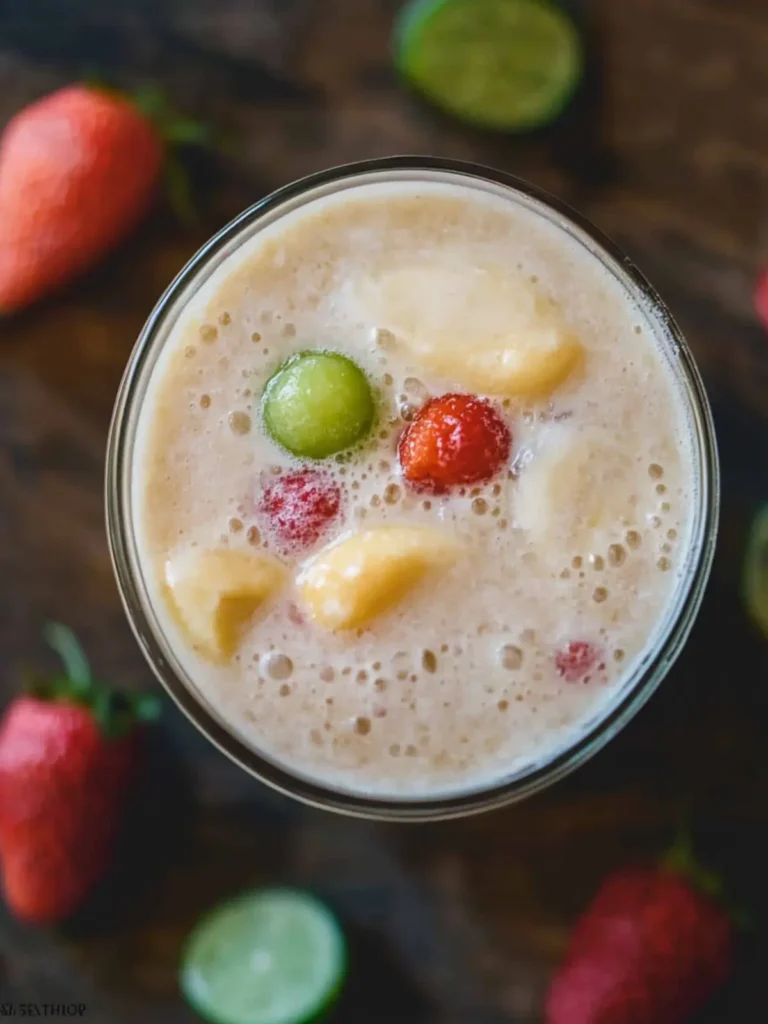
Binignit Recipe Variations
Feel free to get creative and make this Binignit recipe your own with these fun twists!
- Gluten-Free Option: Replace glutinous rice flour with cornstarch for a seamless gluten-free alternative. Enjoy the same delightful texture without any worries!
- Saba Substitute: If saba bananas are hard to find, plantains can step in. They will offer a similar texture and a slightly different flavor that still celebrates the dish.
- Tapioca Alternative: Swap tapioca pearls with sago pearls if you’re looking for a similar chewy delight. You could also leave them out entirely for a simpler version.
- Flavor Boost: Add a pinch of cinnamon or a splash of vanilla extract to give your Binignit a cozy, aromatic flavor that’s perfect for the chilly evenings!
- Tropical Fruits: Try adding chopped mango or lychee for an extra fruity kick. These vibrant additions will brighten up your dish both in taste and color.
- Dairy Delight: Drizzle some sweetened condensed milk on top before serving for an added touch of creaminess that pairs wonderfully with the coconut milk.
- Nutty Topping: Enhance the texture by finishing with a sprinkle of toasted nuts, like cashews or almonds, for a delightful crunch that contrasts with the smooth stew.
- Spicy Kick: For those who enjoy some heat, consider adding a dash of chili flakes or slices of fresh chili before serving. It’s a great way to awaken the dish and add a warming twist!
With these variations, you can tailor your Binignit to suit your taste buds. Enjoy the delicious journey of flavors!
Make Ahead Options
These Binignit recipe preparations are perfect for those busy weeknights when time feels like a luxury! You can chop the sweet potatoes, purple yam, and gabi up to 24 hours in advance; simply store them in water in the refrigerator to prevent browning. The tapioca pearls can be prepped and soaked ahead of time, soaking them in warm water for at least 2 hours prior to cooking. When you’re ready to enjoy, combine the prepped ingredients with coconut milk and water, and cook as directed. This way, your Binignit will be just as delicious, saving you time while still delivering that heartwarming, creamy experience!
How to Store and Freeze Binignit
Fridge: Store leftover Binignit in an airtight container for up to 3 days. Reheat on the stove over low heat, adding a splash of coconut milk or water for a smoother consistency.
Freezer: Binignit can be frozen for up to 3 months. Allow it to cool completely before transferring to a freezer-safe container. When ready to enjoy, thaw overnight in the fridge and reheat gently.
Room Temperature: It’s best to avoid leaving Binignit out at room temperature for longer than 2 hours to ensure safety and quality.
Reheating: When reheating the Binignit recipe, stir regularly and add a little extra coconut milk or water to maintain its creamy texture.
Expert Tips for the Best Binignit
-
Prep Tapioca Pearls: Ensure tapioca pearls are boiled and soaked beforehand, as they take longer to cook compared to other ingredients in your Binignit recipe.
-
Adjust Consistency: Modify the water amount to achieve your preferred thickness. More water will create a soupier Binignit, while less yields a thicker stew.
-
Stir Often: Regular stirring towards the end of cooking helps prevent sticking and ensures even cooking, especially when you add the glutinous rice flour.
-
Taste as You Go: Adjust the sweetness by sampling as you cook. This way, you can fine-tune with more sugar or coconut milk to suit your palate.
-
Chill for Breakfast: For a refreshing breakfast, try chilling your Binignit and serving it in the morning when you want something cool yet comforting.
What to Serve with Binignit?
Savoring a bowl of Binignit calls for delightful pairings that enhance its tropical charm and creamy goodness.
-
Toasted Coconut Flakes: These provide a crunchy contrast, intensifying the coconut flavor while adding texture to the creamy stew.
-
Puto (Filipino Steamed Rice Cakes): Soft and slightly sweet, puto complements Binignit’s richness and adds a traditional touch to your meal.
-
Sliced Fresh Mango: The sweet and juicy flavor of mango balances beautifully with the creamy Binignit, offering a refreshing palate cleanser.
-
Sweet Potato Chips: A crispy side that echoes the sweet notes of the dish, creating a delightful contrast that welcomes every bite.
-
Philippine-style Pan de Sal: This soft, slightly sweet bread is perfect for mopping up the creamy stew, creating a satisfying harmony.
-
Tropical Iced Tea: A refreshing drink, its fruity hints will elevate the experience, enhancing the flavors of Binignit with every sip.
Add these pairings to your serving table, and watch the comforting essence of your Binignit recipe shine even brighter!
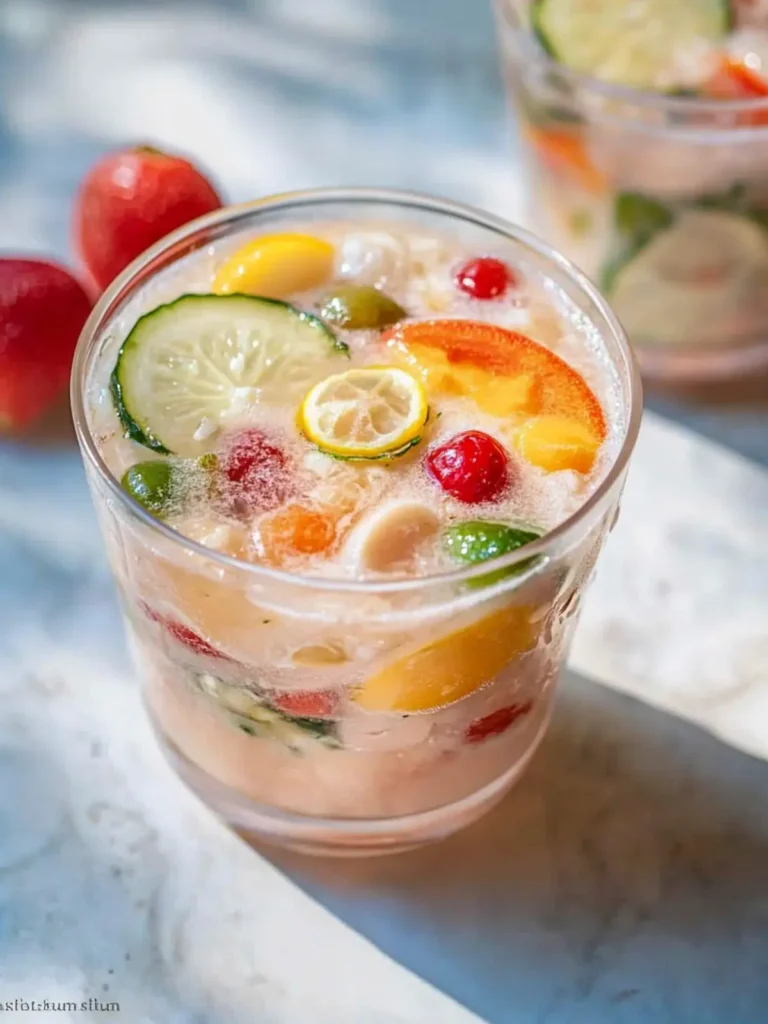
Binignit Recipe FAQs
What kind of sweet potatoes should I use for Binignit?
Absolutely! You can use medium sweet potatoes for their natural sweetness and soft texture. If needed, regular potatoes work as a substitute, but sweet potatoes bring out the authentic flavors of this dish.
How should I store leftover Binignit?
After enjoying your delicious Binignit, store any leftovers in an airtight container in the refrigerator for up to 3 days. When ready to serve again, gently reheat on the stove over low heat, adding a splash of coconut milk or water to achieve a smooth consistency.
Can I freeze Binignit?
Yes, indeed! Binignit can be frozen for up to 3 months. To do so, let it cool completely, then transfer to a freezer-safe container. When you’re ready to indulge again, simply thaw it overnight in the fridge and reheat gently on the stove.
How can I ensure the tapioca pearls are cooked properly?
Great question! To prep your tapioca pearls, boil them separately according to package instructions until they become translucent and chewy. Then soak them for a few minutes in cold water before adding them to your Binignit. This ensures they’re perfectly cooked and ready to enhance the dish’s texture!
Is Binignit gluten-free?
Yes! Binignit is generally gluten-free, especially if you use gluten-free alternatives like cornstarch instead of glutinous rice flour. It’s always a good idea to check ingredient labels for any potential allergens, ensuring a safe and enjoyable dish for everyone.
Can I add different fruits to my Binignit?
Very! Feel free to experiment with additional fruits like lychee or mango for a delightful twist. Incorporating different fruits not only varies the flavor but also adds to the vibrant colors of your Binignit, making it even more appealing!

Delicious Binignit Recipe: Your New Favorite Filipino Treat
Ingredients
Equipment
Method
- Combine coconut milk and water in a pot, bringing it to a gentle boil.
- Add sweet potato, purple yam, saba banana, ripe jackfruit, and gabi. Cover and simmer on medium heat for 8-10 minutes.
- Stir in muscovado sugar and tapioca pearls, mixing them into the pot. Cook for another 8 minutes.
- Mix glutinous rice flour with 1/4 cup water until smooth, then incorporate it into the Binignit.
- Continue cooking until the tubers are fully tender, adjusting sugar and water to desired consistency.
- Serve warm or chilled, topped with toasted coconut flakes if desired.