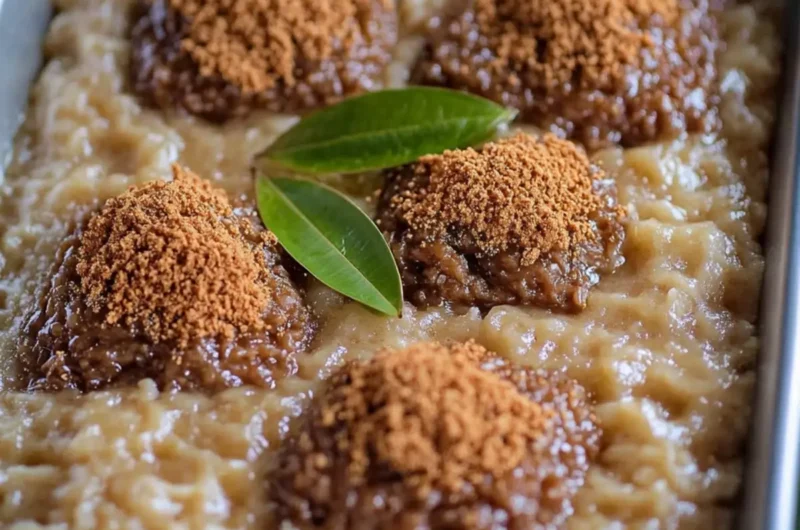
There’s something truly special about homemade treats that warm the heart and bring people together, and this classic Biko recipe is no exception. As the rich aroma of coconut milk and brown sugar fills your kitchen, you’ll find it hard to resist the urge to dive right in for a taste. This traditional Filipino sticky rice cake, with its chewy texture and irresistible sweetness, is not just a dessert; it’s a symbol of celebration, often enjoyed during family gatherings and festivities.
I discovered biko while exploring my Filipino heritage, and it quickly became a beloved staple in my home. The best part? It’s gluten-free and surprisingly simple to make! Whether you opt for the classic version, top it with latik, or experiment with chocolate or ube variations, each bite offers a taste of comfort and nostalgia. Join me in crafting this delightful dish that promises to make any day feel special, and let’s share the joy of biko together!
Why is this Biko Recipe a Must-Try?
Nostalgic: Each bite of biko takes you on a delightful journey through Filipino culture, evoking fond memories of family gatherings.
Simplicity: With just a few key ingredients, this recipe is perfect for home cooks of all levels, making it accessible for everyone.
Versatile: Enjoy it as a satiating dessert or a comforting snack; customized variations like chocolate and ube allow for endless creativity!
Crowd-Pleasing: When shared at gatherings, this treat never fails to impress friends and family, creating a sense of warmth and connection.
Gluten-Free: This recipe caters to diverse dietary needs, allowing everyone to indulge in its sweetness without worry. Dive into making biko today and experience the joy it brings!
Biko Recipe Ingredients
For the Sticky Rice
- Glutinous Rice – The star of the dish providing that signature chewiness; use malagkit for authenticity.
- Water – Essential for cooking the rice; ensures it reaches the perfect sticky texture.
For the Coconut Mixture
- Coconut Milk – Infuses the biko with a creamy, rich flavor; consider coconut cream as a heartier alternative.
- Brown Sugar – Sweetens the biko while enhancing its depth; opt for light or dark, depending on your preferred flavor profile.
- Salt – A pinch elevates the overall taste; sea salt is recommended for the best results.
Optional Topping
- Latik – Drizzle this sweet cooked coconut residue on top for an added texture and rich flavor boost.
With these essential components, you’re all set to create a heavenly biko recipe that’s not only gluten-free but also full of heartwarming tradition!
How to Make Biko
-
Cook the Rice: Begin by combining 2 cups of glutinous rice with 1.5 cups of water in a rice cooker. Cook until the rice is al dente, which usually takes about 20-25 minutes.
-
Prepare the Coconut Mixture: In a separate pot, mix 4 cups of coconut milk, 2 cups of brown sugar, and ½ teaspoon of salt over low heat. Stir continuously for about 10-15 minutes until the mixture thickens.
-
Combine and Cook: Once the rice is cooked, add it to the coconut mixture. Stir well to ensure the rice is thoroughly coated and continue to cook on medium heat until most of the liquid evaporates, being careful not to overcook.
-
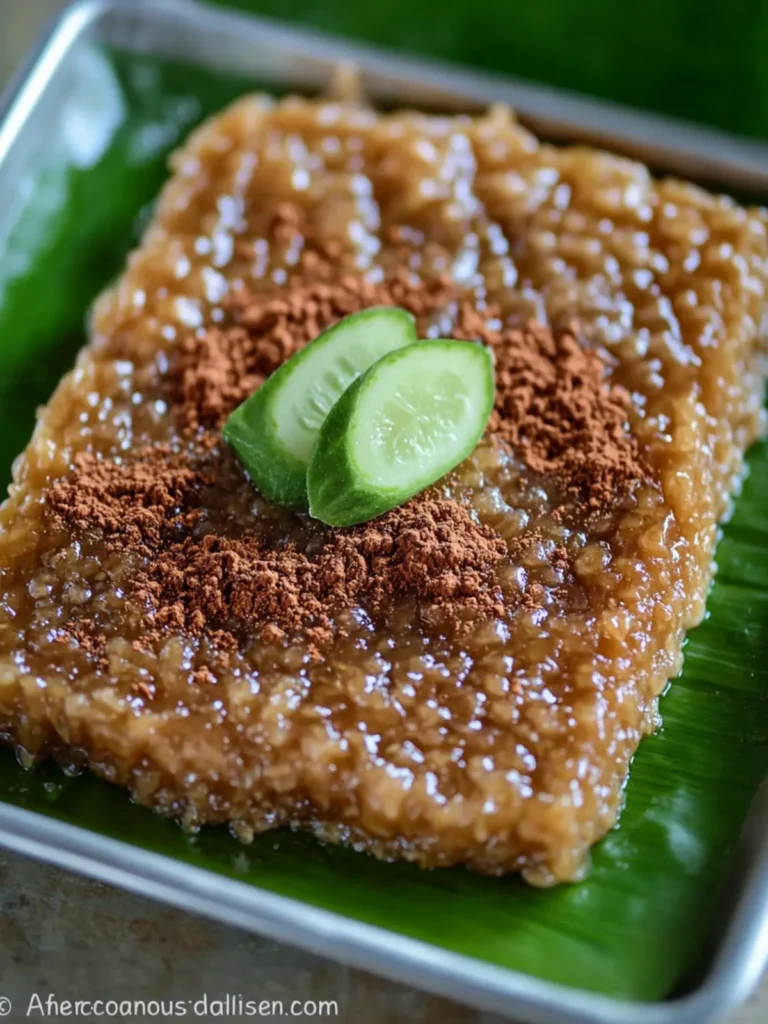
Plate the Biko: Transfer the sticky mixture onto a serving plate, flattening it into a smooth layer. Let it cool for a few minutes before slicing and serving.
Optional: Garnish with latik on top for added sweetness and texture.
Exact quantities are listed in the recipe card below.
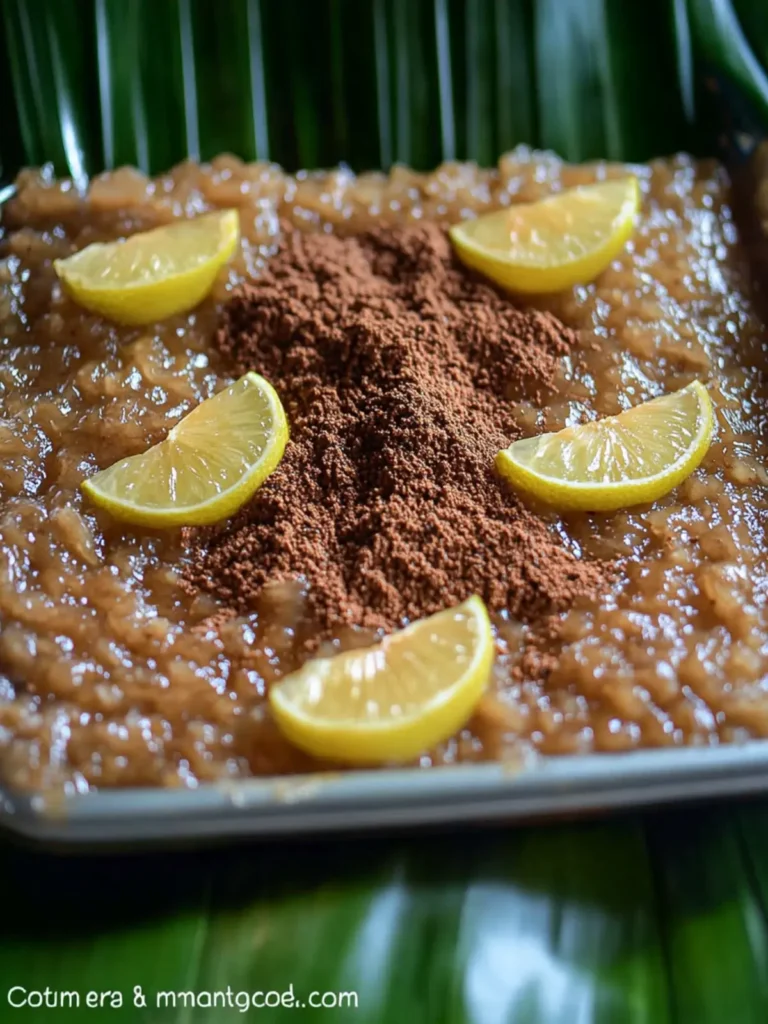
Expert Tips for Making Biko
- Rice Choice: Use malagkit glutinous rice for an authentic sticky texture; regular rice won’t yield the same chewyness in your biko recipe.
- Coconut Cooking: Slow is key when cooking the coconut mixture; keep the heat low to prevent scorching and ensure the flavors meld beautifully.
- Sugar Adjustments: Start with less brown sugar if unsure; you can always add more later to suit your sweetness preference.
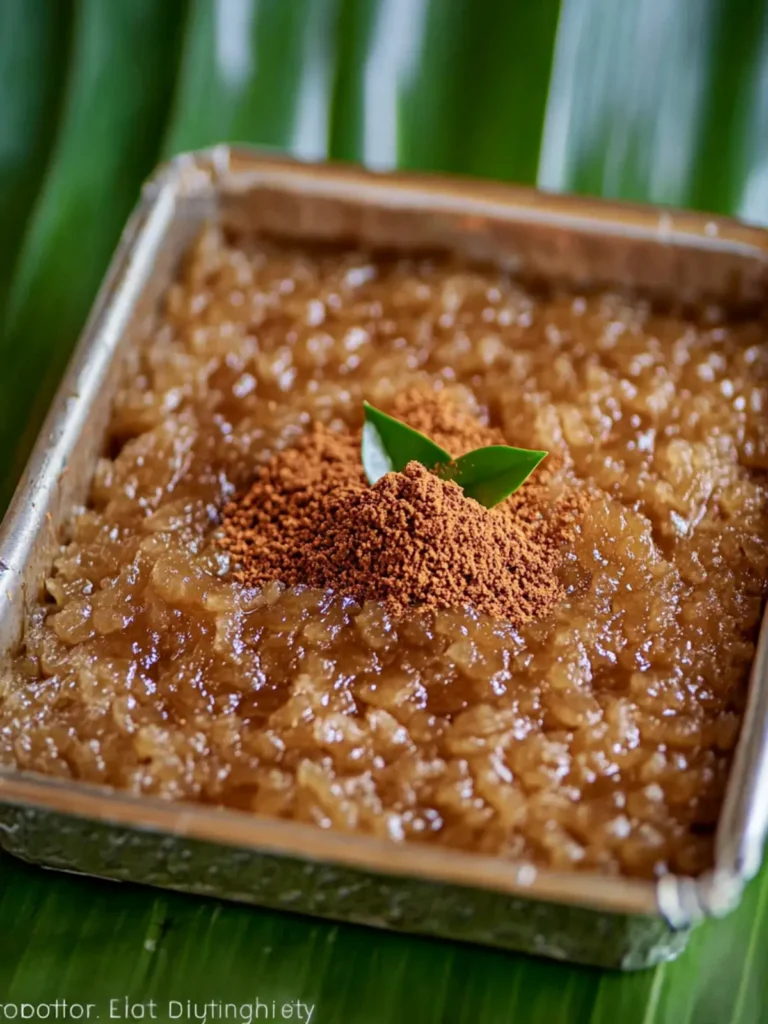
- Presentation Matters: For a striking presentation, serve biko on banana leaves or in traditional bilao, enhancing its cultural essence.
- Cooling Tip: Let the biko cool before slicing; this helps it firm up, making it easier to cut into perfect squares.
Make Ahead Options
If you’re a busy cook looking to save time, this Biko recipe is perfect for meal prep! You can prepare the sticky rice up to 24 hours in advance. Simply cook 2 cups of glutinous rice with 1.5 cups of water, let it cool, and refrigerate it in an airtight container. The coconut mixture can also be made up to 3 days ahead; just mix 4 cups of coconut milk, 2 cups of brown sugar, and ½ teaspoon of salt over low heat until thick, then cool and store in the fridge. When you’re ready to serve, reheat the rice and coconut mixture together on medium heat until warmed through and moist, ensuring every bite is just as delicious as when it was freshly made!
Biko Recipe Variations
Feel free to unleash your creativity with this delightful biko recipe and make it your own!
-
Biko with Latik:
Top your biko with homemade latik for an extra layer of flavor and crunch, transforming your dessert into a visual delight. -
Chocolate Biko:
Stir in rich cacao tablea into the coconut mixture. The result is a decadent chocolatey twist that satisfies your sweet tooth like no other. -
Ube Biko:
Blend ube halaya into the sticky rice mixture for a vibrant purple hue and a subtle sweetness that’s perfect for ube lovers. -
Mango Biko:
Incorporate diced ripe mango into the biko for a juicy burst of flavor. This adds a fresh and tropical element that enhances each bite. -
Vegan Biko:
Substitute the brown sugar with coconut sugar and use almond or soy milk for a plant-based twist on this traditional recipe. -
Spiced Biko:
Add a dash of cinnamon or nutmeg to the coconut mixture for a warm spiced note that infuses your biko with a cozy aroma. -
Coconut Cream Biko:
Replace regular coconut milk with coconut cream for an ultra-creamy and luscious version that elevates the dish to new indulgent heights. -
Nutty Biko:
Garnish the top with toasted coconut flakes or chopped nuts such as almonds or cashews for a delightful crunch contrast to the sticky sweetness.
Storage Tips for Biko Recipe
Room Temperature: Keep biko in an airtight container at room temperature for up to 3 days, ensuring it stays fresh and ready to enjoy.
Fridge: For longer storage, place biko in the refrigerator, where it can last up to 1 week. Just make sure it’s fully covered to retain moisture.
Freezer: Biko can be frozen for up to 2 months. Wrap individual slices in plastic wrap, then store in a zip-top bag to prevent freezer burn.
Reheating: Thaw frozen biko in the fridge overnight, then gently reheat in the microwave or on the stovetop until warm. Enjoy this beloved biko recipe again and again!
What to Serve with Biko (Filipino Sticky Rice Cake)?
As you indulge in the richness of biko, consider these delightful companions that enhance the experience and balance flavors beautifully.
- Hot Chocolate: The creamy texture pairs perfectly with biko’s sweetness, creating a cozy, warming treat for both kids and adults.
- Filtered Coffee: A rich, aromatic cup contrasts beautifully with the sticky sweetness, making for a delightful midday merienda.
- Fresh Fruit Salad: The brightness of seasonal fruits adds a refreshing contrast, balancing the biko’s decadence with a touch of natural sweetness.
- Coconut Pudding: Serve alongside for an extra coconut hit; the smooth texture complements biko’s chewiness for a lovely dessert duo.
- Ice Cream: Vanilla or ube ice cream brings creamy indulgence and a cooling effect, perfect for those warm days when you crave something sweet.
- Green Tea: A light, earthy flavor that cleanses the palate, enhancing the richness of biko while adding a hint of zest.
- Pandan Coconut Cake: Another Filipino sweet with delicate flavors that pairs wonderfully, adding variety to your dessert spread while embracing tradition.
- Steamed Durians: For the adventurous, the creamy, custardy durians offer an exotic flavor match; serve small pieces alongside for a unique twist.
- Banana Chips: A crunchy contrast to the soft, sticky biko, these provide a satisfying texture while keeping the tropical feel alive.
Biko Recipe FAQs
What type of glutinous rice should I use for biko?
Absolutely! For the best results, I recommend using malagkit glutinous rice. This special rice variety gives biko its signature sticky and chewy texture. Regular rice simply won’t produce the same delightful experience.
How should I store leftover biko?
You can store biko in an airtight container at room temperature for up to 3 days. If you want to keep it longer, refrigerate it for up to a week. Make sure it’s tightly covered to prevent it from drying out.
Can I freeze biko?
Yes, very! Biko can be frozen for up to 2 months. To freeze, wrap individual slices in plastic wrap, then place them in a zip-top bag to prevent freezer burn. When you’re ready to enjoy it, thaw it in the fridge overnight before gently reheating.
What if my coconut mixture isn’t thickening?
If your coconut mixture isn’t thickening after 10-15 minutes, turn up the heat slightly and keep stirring. A gentle simmer helps evaporate the excess liquid. Do this until you achieve a thicker consistency, but watch closely to prevent scorching.
Is biko safe for people with gluten allergies?
Yes! This biko recipe is gluten-free as it primarily uses glutinous rice, which is naturally gluten-free. Just double-check all your ingredients to ensure they are also gluten-free, especially the brown sugar and coconut milk.
How can I use leftovers or variations in recipes?
The more the merrier! You can get creative with leftover biko by incorporating it into desserts or as a topping with fruit. Try crumbling it over ice cream or blending it into smoothies for a unique twist. Each variation, like chocolate or ube biko, offers delicious possibilities to explore!
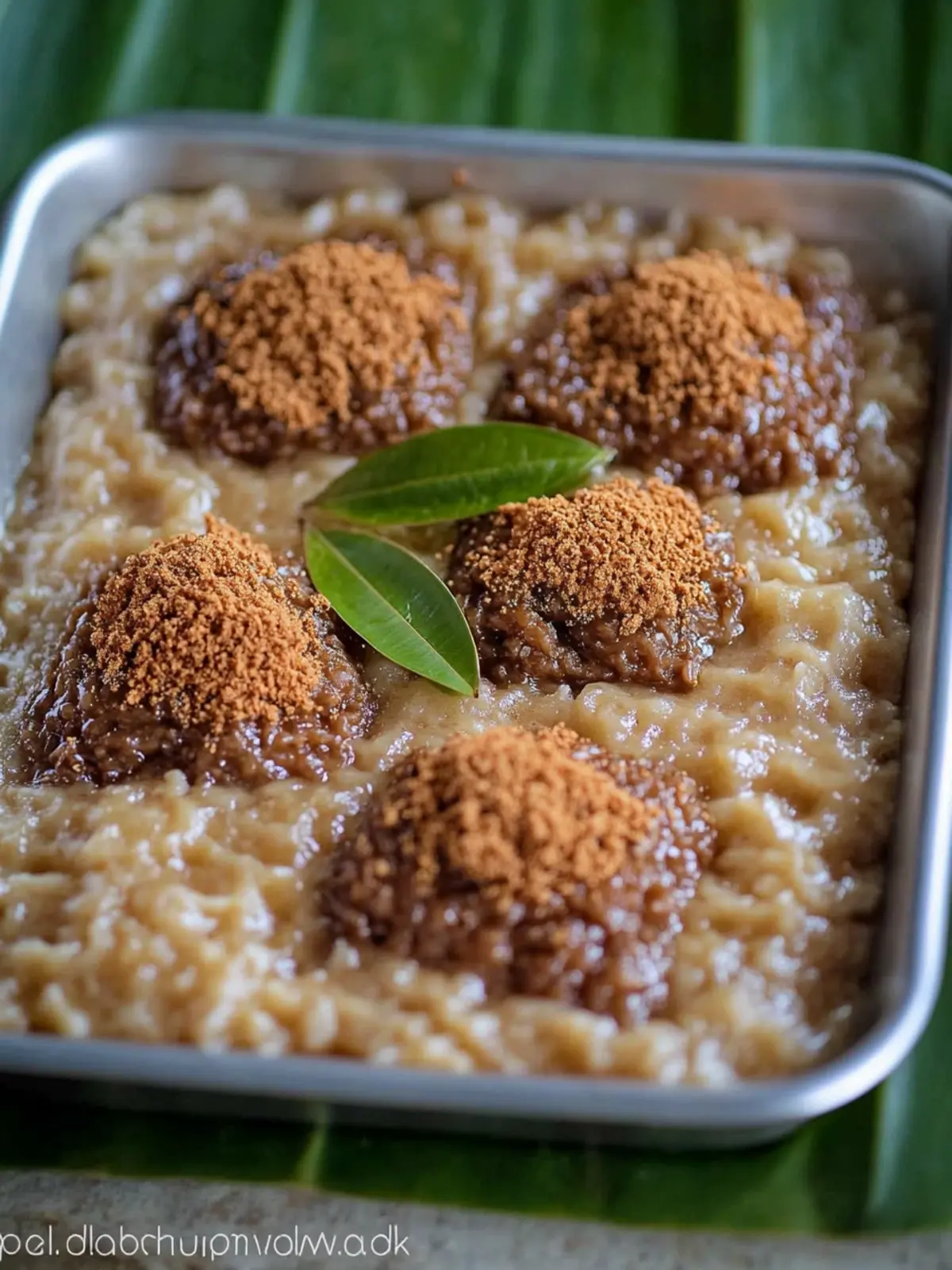
Delicious Biko Recipe: Easy Filipino Sticky Rice Cake to Share!
Ingredients
Equipment
Method
- Cook the Rice: Combine 2 cups of glutinous rice with 1.5 cups of water in a rice cooker. Cook until al dente, about 20-25 minutes.
- Prepare the Coconut Mixture: In a pot, mix 4 cups of coconut milk, 2 cups of brown sugar, and 0.5 teaspoons of salt over low heat for 10-15 minutes until thickened.
- Combine and Cook: Add the cooked rice to the coconut mixture and stir well. Cook on medium heat until most of the liquid evaporates.
- Plate the Biko: Transfer the mixture to a serving plate, flatten it, and let it cool for a few minutes before slicing.
- Optional: Garnish with latik for added sweetness and texture.