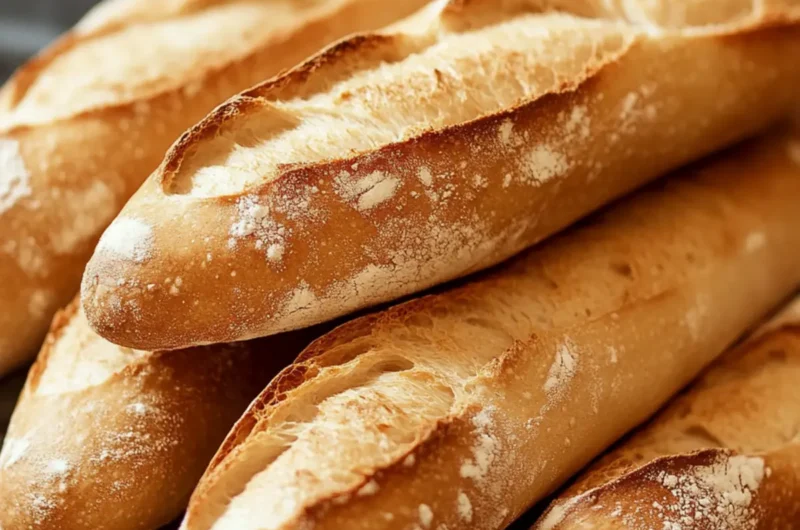
There’s something undeniably enchanting about the crackle of a freshly baked baguette. The way its golden crust shatters under the slightest pressure, revealing an airy interior, is a sensory delight that transports you straight to a quaint Parisian bakery. After many evenings spent experimenting in my kitchen, I finally landed on this traditional French baguette recipe that celebrates the art of simple ingredients: flour, water, salt, and yeast. It’s a labor of love that rewards you with a loaf that embodies the heart of French culinary culture.
Whether you’re craving a warm slice to accompany your cheese board or looking for the perfect bread to pair with homemade soup, this baguette is versatile and always a crowd-pleaser. Get ready to elevate your homemade food game and impress friends and family with this artisan staple—trust me, the aroma alone will have you reminiscing about the streets of France!
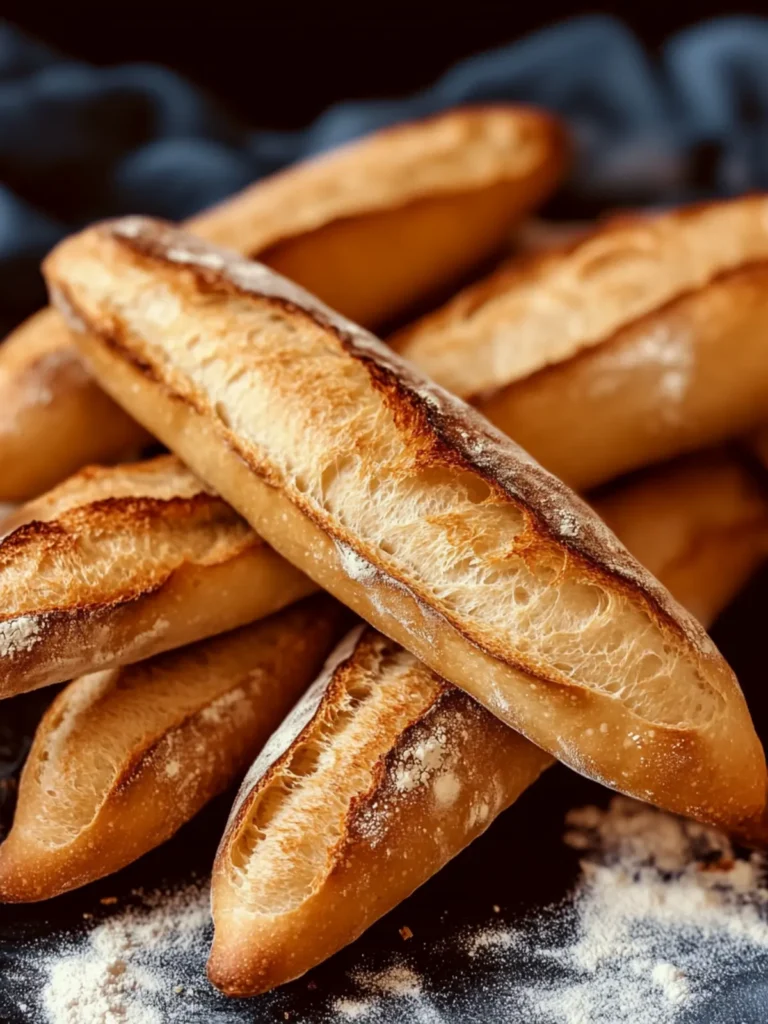
Why is this Baguette (French Bread) so special?
Golden crust: The exterior shatters beautifully, giving way to a soft, chewy inside that’s pure bliss.
Simple ingredients: Just flour, water, salt, and yeast come together to create a masterpiece without additives.
Customizable flavors: Add herbs or cheese for unique twists that cater to your palate.
Versatile use: Perfect for sandwiches, sides with soups, or just slathered with butter.
Impressive aroma: Baking this baguette fills your home with irresistible smells, making it a showstopper for gatherings.
Experience the joy of making your own bread and check out our guide on homemade bread nuances to enhance your baking skills!
Baguette (French Bread) Ingredients
For the Dough
- Strong White Bread Flour – This flour provides the structure and chewy texture essential for a perfect baguette.
- Instant Yeast – Necessary for leavening; it creates air pockets that give the baguette its airy crumb.
- Fine Sea Salt – Enhances flavor and helps control the fermentation process during rising.
- Warm Water (around 38°C) – Activates the yeast and hydrates the flour; make sure it’s warm, not hot!
For Dusting
- Extra Flour – Used for dusting the surface to prevent sticking when shaping the dough.
Elevate your baking with this simple recipe that promises delicious, homemade baguette (French bread)!
How to Make Baguette (French Bread)
-
Mix Dough: In a large bowl, combine the strong white bread flour and fine sea salt. In a separate container, dissolve the instant yeast in warm water. Mix this yeast mixture into the flour until a shaggy dough forms—resist the urge to add extra flour!
-
Knead: Flour your work surface lightly, and transfer the dough onto it. Knead the dough for about 8-10 minutes, until it becomes smooth and elastic. It should feel slightly tacky but not overly sticky.
-
First Rise: Place the dough in an oiled bowl, cover it with a clean cloth, and let it rise in a warm spot for 1 hour or until it has doubled in size.
-
Deflate and Rest: Gently deflate the dough by pressing it down, then fold the sides towards the center. Allow it to rest for 30 minutes covered.
-
Shape Baguettes: Divide the dough into 2-3 equal pieces. Gently shape each piece into a cylinder, about 30-35 cm long, and place them seam-side down on a flour-dusted cloth. Cover and let rise for 40-50 minutes.
-
Preheat Oven: Preheat your oven to 240°C (220°C fan), placing a baking stone inside to heat up.
-
Slash & Bake: Use a sharp knife to make diagonal cuts on the top of the baguettes. Slide them onto the hot stone or baking tray. Pour some hot water into a tray at the bottom of the oven to create steam, then bake for 20-25 minutes until they’re golden brown.
-
Cool: Once baked, transfer the baguettes to a wire rack and let them cool for 20 minutes before slicing into them.
Optional: Serve warm with butter or cheese for a delightful experience.
Exact quantities are listed in the recipe card below.
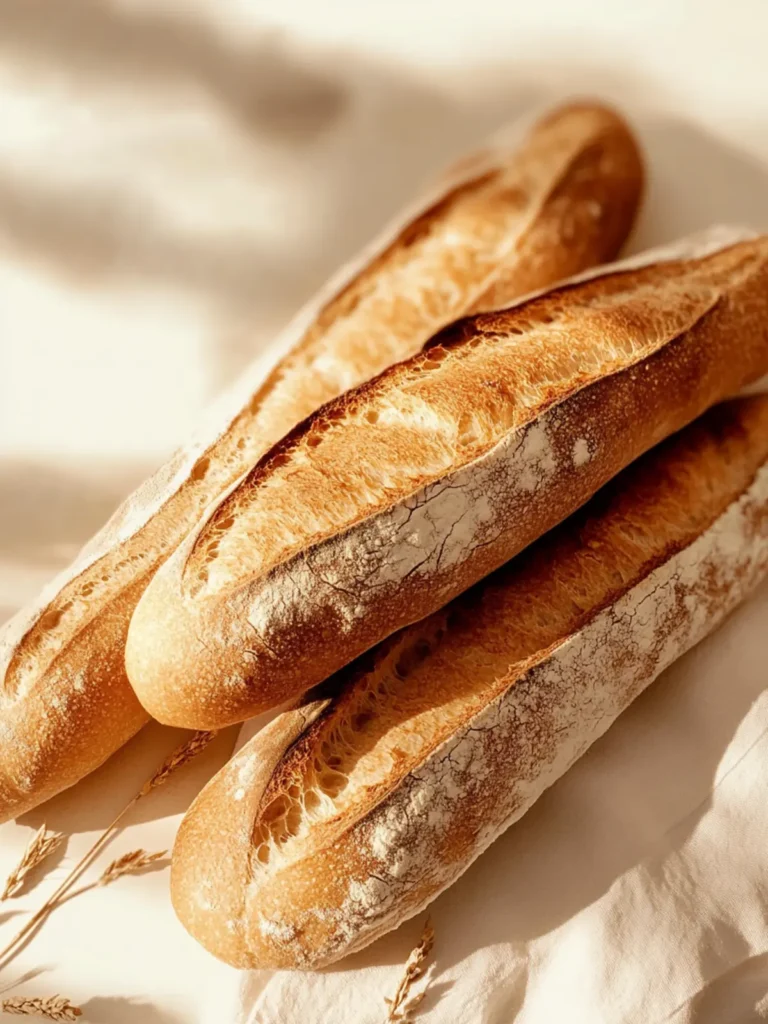
Storage Tips for Baguette (French Bread)
Room Temperature: Wrap the baguette in a clean towel and store it at room temperature for up to 3 days. This helps retain its delightful crust while preventing it from becoming stale.
Freezer: For longer storage, tightly wrap the baguette in aluminum foil or place it in a freezer bag; it can last in the freezer for up to 3 months. Thaw it at room temperature before reheating.
Reheating: To revive stale baguettes, preheat your oven to 180°C. Lightly sprinkle the crust with water and bake for about 5-10 minutes to restore its crispy exterior and warm interior.
Baguette (French Bread) Variations
Feel free to get creative with your baguette by trying these delightful twists that’ll excite your taste buds!
-
Herb-Infused: Incorporate fresh or dried herbs like rosemary or thyme into the dough for an aromatic flavor profile.
Mix the herbs into the flour before adding the yeast mixture for a fragrant twist that elevates your baguette. -
Cheese Delight: Fold grated cheese, like cheddar or gruyère, into the dough for a rich, savory bread.
Just imagine baking a baguette that oozes cheese with every slice—a perfect companion for soups! -
Whole Wheat: Substitute half of the strong white bread flour with whole wheat flour for a heartier, nuttier flavor.
This variation not only adds taste but also makes your baguette a bit healthier—perfect for wholesome meals! -
Spicy Kick: Add crushed red pepper flakes to the dough for a touch of heat that’ll thrill spice lovers.
With every bite, you’ll enjoy a warm finish that makes this baguette a standout at gatherings. -
Sweet Twist: Mix in a couple of tablespoons of honey or sugar to the dough for a subtly sweet flavor.
Pair it with butter or your favorite jam to create an indulgent breakfast treat—so perfect for lazy mornings! -
Seed Topping: Sprinkle poppy seeds, sesame seeds, or flaxseeds on top of the baguettes before baking for added crunch.
These seeds give your baguette a delightful texture and boost the nutrition without overpowering the classic flavor. -
Garlic Butter Brush: After baking, brush the crust with melted garlic butter for a luscious finish.
This version will fill your kitchen with mouthwatering aroma and make your baguette irresistible! -
Olive Oil Richness: Replace some of the water in the dough with quality olive oil for enhanced richness and flavor.
The addition of olive oil brings a delightful softness combined with a slightly crispy crust that everyone will love!
Expert Tips for Baguette (French Bread)
-
Temperature Matters: Ensure your warm water is around 38°C; too hot can kill the yeast, while too cold will slow fermentation.
-
Don’t Over-Knead: Aim for a smooth and elastic texture after kneading for 8-10 minutes. If it feels overly dry, you’re likely using too much flour.
-
Steam is Key: To achieve that crispy crust, don’t skip the steam! Pour hot water into a pan at the bottom of the oven right before baking.
-
Shape with Care: When shaping the baguettes, remember to be gentle; too much pressure will deflate the dough and interfere with the airy texture.
-
Cooling is Crucial: Let your baked baguettes cool completely on a wire rack to prevent condensation, which can make the crust soft. Enjoy your perfect baguette!
What to Serve with Baguette (French Bread)?
The delightful crunch and airy texture of a freshly baked baguette create endless possibilities for meal pairings that will elevate any dining experience.
-
Classic French Cheese: Pair with Brie or Camembert for a creamy contrast; their rich flavors enhance the rustic notes of the baguette.
-
Savory Soups: Serve alongside a hearty minestrone or French onion soup; the baguette’s crusty texture is perfect for soaking up every delicious drop.
-
Fresh Salad: A vibrant mixed green salad drizzled with a light vinaigrette adds brightness, balancing the rich quality of the baguette.
-
Homemade Pâté: Enjoy with a spread of chicken liver pâté; this combination offers a delightful union of flavors that transports you to a Parisian café.
-
Olive Oil Dip: For a simple yet indulgent appetizer, serve with high-quality extra virgin olive oil, seasoned with balsamic vinegar and herbs for dipping.
-
Charcuterie Board: Create an impressive board with cured meats, pickles, and cheeses; the baguette provides a perfect vehicle for all these delightful bites.
-
Pairs with Bubbles: A glass of sparkling wine or Champagne lifts the meal; its effervescence complements the airy texture of the baguette beautifully.
-
Warm Butter: For a comforting treat, serve freshly baked baguette slices with salted or herb-infused butter—a simple pleasure that never disappoints.
Make Ahead Options
These delicious French baguettes are perfect for meal prep enthusiasts! You can prepare the dough up to 24 hours in advance by completing all the steps up to the shaping stage. Once you’ve formed the dough into cylinders, place them seam-side down on flour-dusted cloth, cover, and refrigerate. This slow fermentation allows for improved flavor and texture. When you’re ready to bake, simply take them out of the fridge, let them come to room temperature for about 30 minutes, preheat your oven, and follow the baking instructions as usual. With these make-ahead tips, you’ll enjoy freshly baked baguettes with minimal last-minute effort!
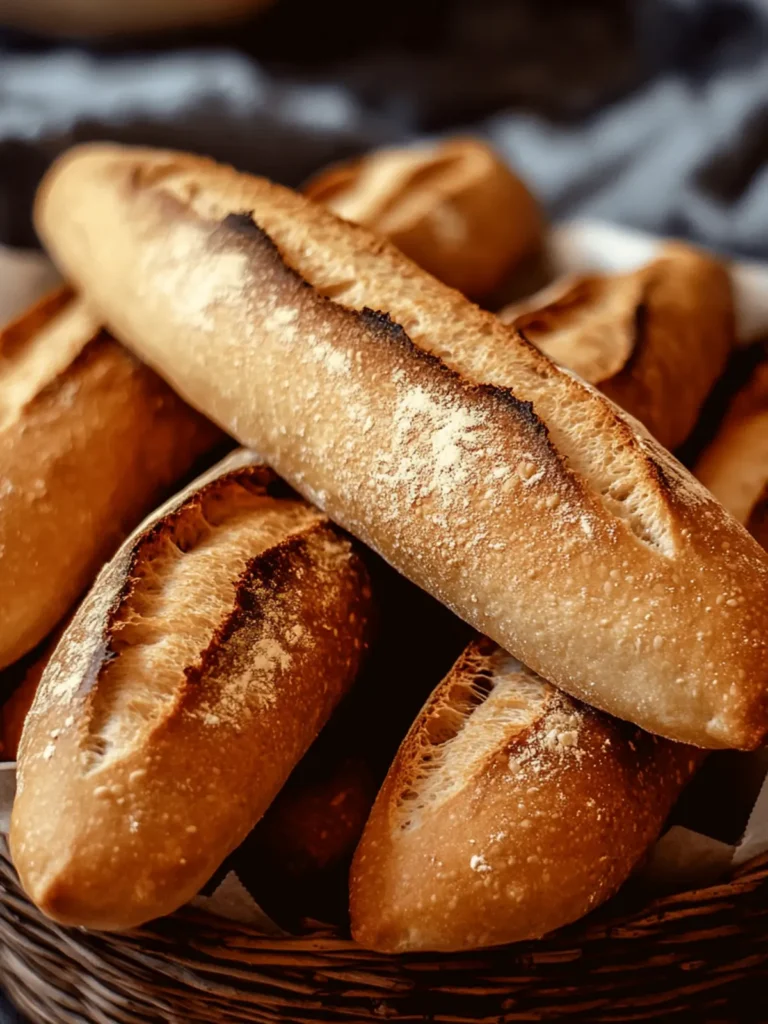
Baguette (French Bread) Recipe FAQs
What type of flour is best for making baguettes?
I highly recommend using strong white bread flour as it provides the necessary structure and a chewy texture for an authentic baguette. While all-purpose flour can be used in a pinch, it may yield a slightly different texture. If you’re feeling adventurous, you can blend in some whole wheat flour for a nuttier flavor!
How should I store my baguette after baking?
To keep your freshly baked baguette at its best, wrap it in a clean towel and store it at room temperature for up to 3 days. Avoid placing it in the refrigerator, as that can make it stale faster. For longer durations, tightly wrap the baguette in aluminum foil or place it in a freezer bag and freeze for up to 3 months.
Can I freeze the baguette, and if so, how?
Absolutely! Freezing your baguette is a fantastic way to keep it fresh. Here’s how you can do it:
- Let your baguette cool completely once baked.
- Wrap it tightly in aluminum foil or place it in a resealable freezer bag to avoid freezer burn.
- Label it with the date and freeze for up to 3 months.
When you’re ready to enjoy it, simply thaw it at room temperature before reheating.
What should I do if my baguette doesn’t rise properly?
If your baguette doesn’t rise as expected, it could be due to a few reasons. Make sure that your yeast is fresh and properly activated—if you used active dry yeast, it needs to be proofed in warm water first. Also, ensure your dough is kept in a warm, draft-free location for rising. If your kitchen is cool, consider placing the dough in the oven with just the light on to warm it up gently.
Can I make adjustments for dietary considerations, like gluten sensitivities?
For those with gluten sensitivities, it’s best to seek a gluten-free flour blend specially made for bread. Keep in mind that this may alter the texture and flavor, so look for specific recipes tailored for gluten-free baguettes. As for other allergies, feel free to check for gluten-free yeast if that’s a concern, as most yeasts are made from gluten-free ingredients but it’s always good to verify.
How can I maintain the crusty exterior of my baguette?
To keep that wonderful crispy crust, make sure to cool your baguettes completely on a wire rack to prevent moisture buildup. When reheating, sprinkle the crust with a little water and bake in the oven at 180°C for about 5-10 minutes; this not only restores the crispness but also warms the interior beautifully.
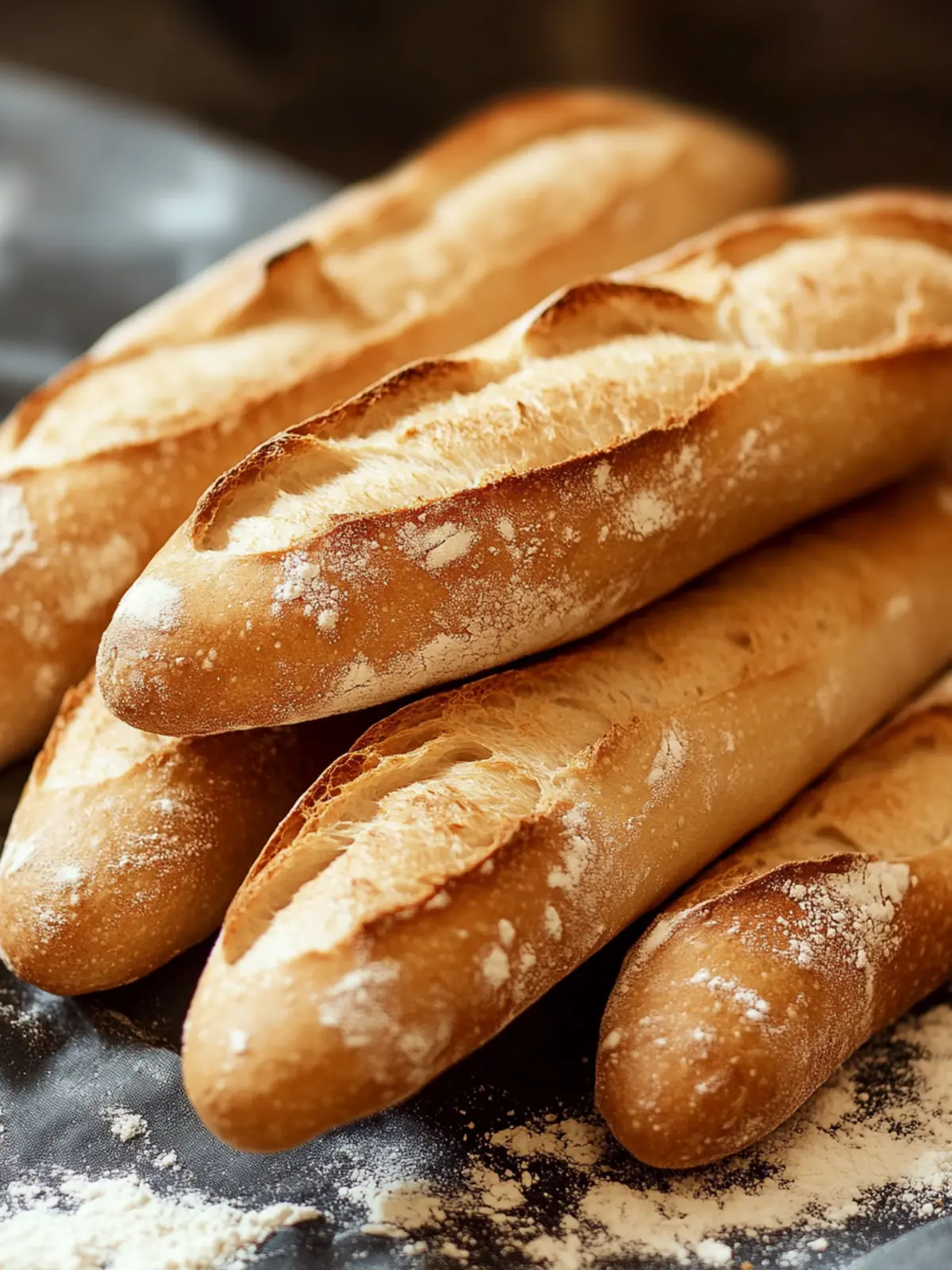
Homemade Baguette: Master the Art of French Bread Today
Ingredients
Equipment
Method
- In a large bowl, combine the strong white bread flour and fine sea salt. In a separate container, dissolve the instant yeast in warm water. Mix this yeast mixture into the flour until a shaggy dough forms—resist the urge to add extra flour!
- Flour your work surface lightly, and transfer the dough onto it. Knead the dough for about 8-10 minutes, until it becomes smooth and elastic. It should feel slightly tacky but not overly sticky.
- Place the dough in an oiled bowl, cover it with a clean cloth, and let it rise in a warm spot for 1 hour or until it has doubled in size.
- Gently deflate the dough by pressing it down, then fold the sides towards the center. Allow it to rest for 30 minutes covered.
- Divide the dough into 2-3 equal pieces. Gently shape each piece into a cylinder, about 30-35 cm long, and place them seam-side down on a flour-dusted cloth. Cover and let rise for 40-50 minutes.
- Preheat your oven to 240°C (220°C fan), placing a baking stone inside to heat up.
- Use a sharp knife to make diagonal cuts on the top of the baguettes. Slide them onto the hot stone or baking tray. Pour some hot water into a tray at the bottom of the oven to create steam, then bake for 20-25 minutes until they’re golden brown.
- Once baked, transfer the baguettes to a wire rack and let them cool for 20 minutes before slicing into them.